
7 Alarming Facts About AI Image Misinformation
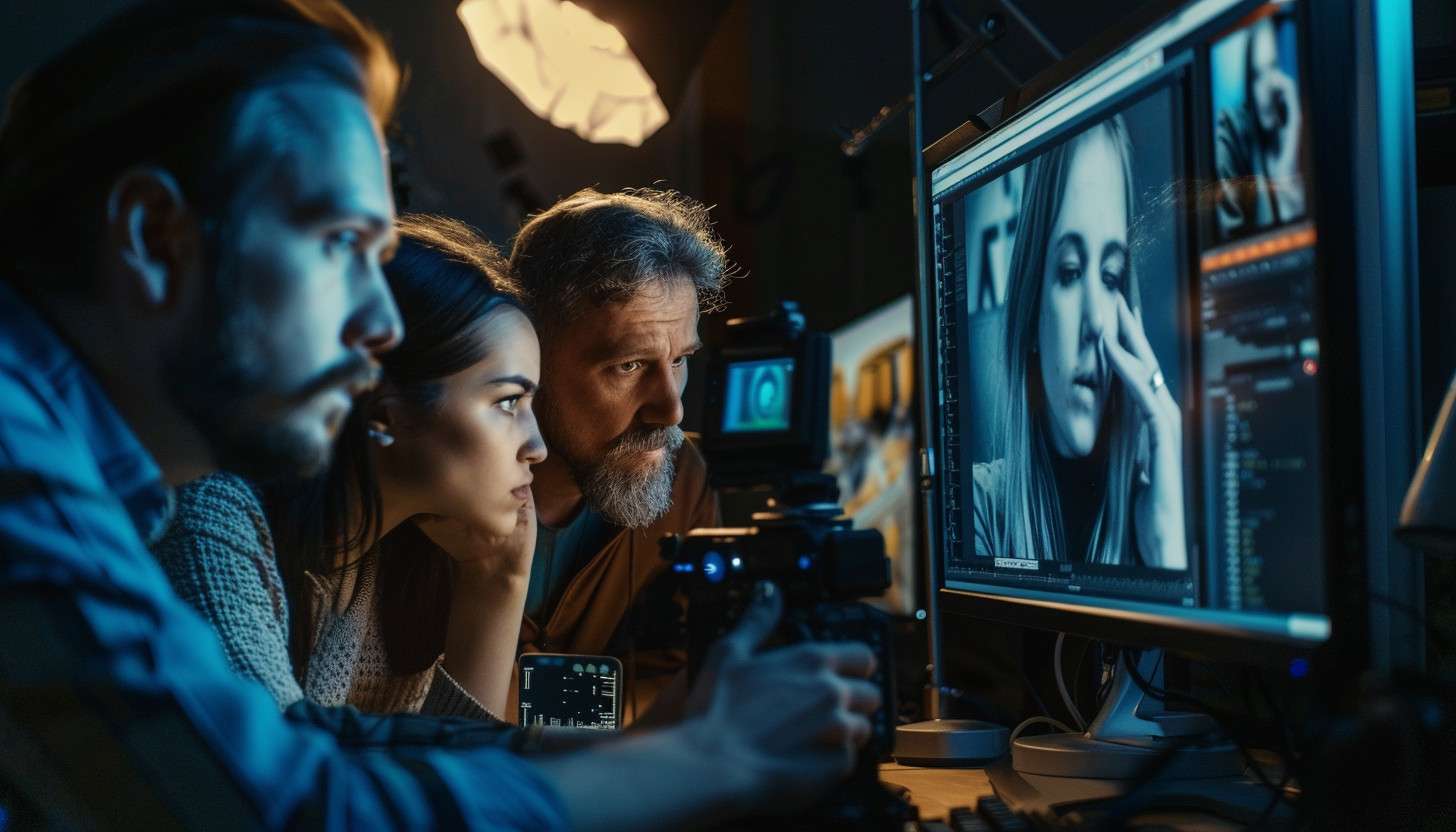

AI image misinformation is rising, affecting nearly every aspect of our lives. Whether scrolling through social media, watching the news, or browsing online shops, you could see altered images without knowing it. These manipulated visuals can quickly spread false information and influence our thoughts and actions.
Understanding how AI changes images can help you protect yourself and others from falling for these tricks. Knowing some key facts will make it easier for you to spot misleading content. If you're aware, you won't easily get misled by fake visual information. Keep reading to learn more about the alarming truths behind AI image misinformation and how they impact our daily lives.
Easy Manipulation of Images
Advanced AI tools have made it simpler than ever to alter images. What used to require significant skill and expensive software can now be done with online basic programs. For instance, apps that let users swap faces or change backgrounds can create very convincing fakes. This ease of manipulation means almost anyone can tweak an image, making it look authentic.
Even amateurs can produce high-quality fake images. These altered visuals circulate quickly, especially on social media and sharing platforms. People love eye-catching content and may not always question its authenticity before hitting the “share” button. For example, a casually altered image showing a celebrity in a controversial situation could rapidly go viral, misleading millions within hours.
The rapid spread of misinformation due to easily edited images has real-world consequences. Such misinformation can fuel false narratives and cause confusion or panic among the public. For example, doctored photos might exacerbate fear or lead people to make ill-informed decisions during disasters or significant events. Understanding just how easy it is to manipulate images can help you approach visual content more cautiously and critically evaluate what you see online.
Deepfake Technology
Deepfakes use advanced AI to create extremely realistic fake images and videos. Imagine seeing a video of a celebrity or politician saying things they never actually said. That’s how convincing deepfakes can be. Driven by machine learning techniques, these fakes are crafted by analyzing countless real images and sounds, making the false visuals highly believable.
Unfortunately, deepfakes can be used for harmful purposes. For example, people have created fake videos to damage someone's reputation, which can impact their personal and professional life. A known case is when famous individuals were falsely included in highly inappropriate content. This type of misuse not only causes emotional distress but also leads to serious legal implications.
It is often hard to tell the difference between real footage and a deepfake using just our eyes. Even some experts use specialized tools. This means that even diligent viewers can be fooled, spreading misinformation unintentionally. The realism of these fakes makes it easier for them to go viral on social platforms, amplifying the harm they inflict.
Influence on Social Media
AI images spread across social media at an alarming rate. Platforms like Facebook, Twitter, and Instagram are hotbeds for AI-generated fakes. Once uploaded, these images can reach thousands of users in minutes.
Often, fake news stories come with altered images that make them more believable and attention-grabbing. A dramatic photo can easily sway someone's opinion before they even read the accompanying text. For example, fake disaster photos often go viral during natural calamities, misleading people about the scale or cause of the event. This visual content grabs eyeballs quickly, making deceptive stories much more impactful.
Many social media users unknowingly contribute to spreading these manipulated visuals. They see a shocking image and share it without verifying its authenticity. This collective behavior magnifies the problem, as a false image can lead to thousands of shares within hours. Even responsible users may fall into this trap since determining whether an image is fake requires more than just a glance.
Impacts on Public Opinion
Altered images have a powerful effect on shaping people's beliefs and opinions. For example, AI-manipulated photos can be used to smear political candidates or create false narratives about their actions during election seasons. These fake visuals can leave a lasting impression on voters, leading to unfair biases and influencing election outcomes. Once people see such images, they may find it hard to change their minds, even if they are later proven fake.
Political campaigns and propaganda are particularly vulnerable to AI misinformation. Governments or interest groups might use altered images to push their agendas, sway public opinion, or incite unrest. A doctored photo showing an opposing candidate in a compromising situation could quickly go viral and spread like wildfire across the internet. This not only misguides the public but also undermines fair democratic processes.
Misleading visuals erode trust in legitimate sources. When people see convincing fake images alongside real news articles, it becomes challenging to distinguish between truth and lies. Over time, this can lead to widespread skepticism about media outlets and fact-based reporting. Individuals start doubting credible news sources because they can't be sure which pictures are genuine or manipulated. This growing mistrust jeopardizes informed decision-making and weakens the fabric of reliable information sharing.
Difficulty in Detection
Detecting altered or fake images isn't simple. It often requires specialized tools and expertise. Even skilled professionals can struggle to spot AI-generated fakes without the right equipment. For instance, identifying deepfakes may need analyzing subtle inconsistencies that aren't visible to the naked eye, such as unnatural lighting or slight distortions around facial features.
Many people don't have the skills or resources to identify these fakes. Imagine an average person scrolling through social media; they may not think twice before believing what they see. This lack of awareness makes it easy for misinformation to spread rapidly and unchecked. As a result, people might share manipulated content unknowingly, amplifying its reach.
The challenge grows as AI technology continues to improve. The more advanced it gets, the better it becomes at creating convincing fake images that are harder to detect. Techniques that work today may not be effective tomorrow because AI-generated photos are getting more realistic by the day. This ongoing evolution means staying ahead in detecting fakes, which is forever a moving target.
Ethical Concerns
The use of AI to create misleading images raises serious ethical questions. At its core, it challenges our understanding of truth and reality. For instance, creating fake images that look real can easily deceive people, leading them to mistrust what they see online. This impacts individual beliefs and societal norms about honesty and transparency.
Privacy violations are another primary concern with AI image manipulation. Imagine someone using an AI tool to alter your photos without your permission; this is a clear breach of privacy. Consent becomes murky when anyone can weaponize images for various purposes—whether for revenge, blackmail, or simply spreading false information.
Finding the right balance between technological advancement and ethical use is no small feat. While these advanced tools can do incredible things, their potential misuse makes ethical guidelines essential. Tech companies, policymakers, and users must work together to create rules that allow innovation and protect against harm. This collaborative approach will help ensure the responsible usage of AI in creating visual content.
Protection Strategies
Educating users about AI image manipulation is crucial in the fight against misinformation. Schools and online platforms can offer courses and resources to teach people how to spot altered images. When users understand how easy it is to manipulate visuals, they become more skeptical of what they see. For example, showing before-and-after comparisons of original photos and their doctored versions can be an eye-opener.
Verifying sources before sharing or believing visual information helps reduce the spread of fake images. Always check if the image comes from a reputable source. Trusted news websites usually have more reliable visuals than unknown sites or social media posts. Simple tricks like reverse image searching on Google can also confirm whether an image has been used out of context.
Implementing advanced detection systems can help combat misinformation effectively. Companies are developing AI tools that identify signs of manipulation in real-time. These tools analyze pixels and metadata to flag suspicious content automatically. Social media giants like Facebook are investing in such technologies to help reduce fake news on their platforms. Combining user education, source verification, and technology will strengthen the defense against AI image misinformation.
The Importance of Awareness and Caution
Being aware of the alarming facts about AI image misinformation can protect you from falling for false visuals. Understanding how easy it is to manipulate images and recognizing the impact on social media and public opinion are important steps.
Staying informed and cautious helps counteract the effects of AI image misinformation. By verifying sources and using advanced detection systems, you can help reduce the spread of fake images. Knowledge is your best tool in this digital age.
Related Articles

Industrial AI: Applications, Benefits, and Real-World Challenges Explained
Imagine a production line that pauses for maintenance before a motor fails—not after sparks fly and orders pile up. That is industrial AI in action: using ma…
Read more
AI for Engineers: 9 Practical Ways to Improve Daily Workflows
AI for engineers is less about handing over the controls and more about removing friction from the workday. Used well, AI can summarize technical discussions…
Read more
AI Architecture Diagram: Key Components and How to Read Them
A business owner opens an AI architecture diagram and sees boxes labeled “model,” “API,” “database,” and “workflow.” It looks a little like a subway map desi…
Read more