
AI in Fashion: Design the Wardrobe of Tomorrow
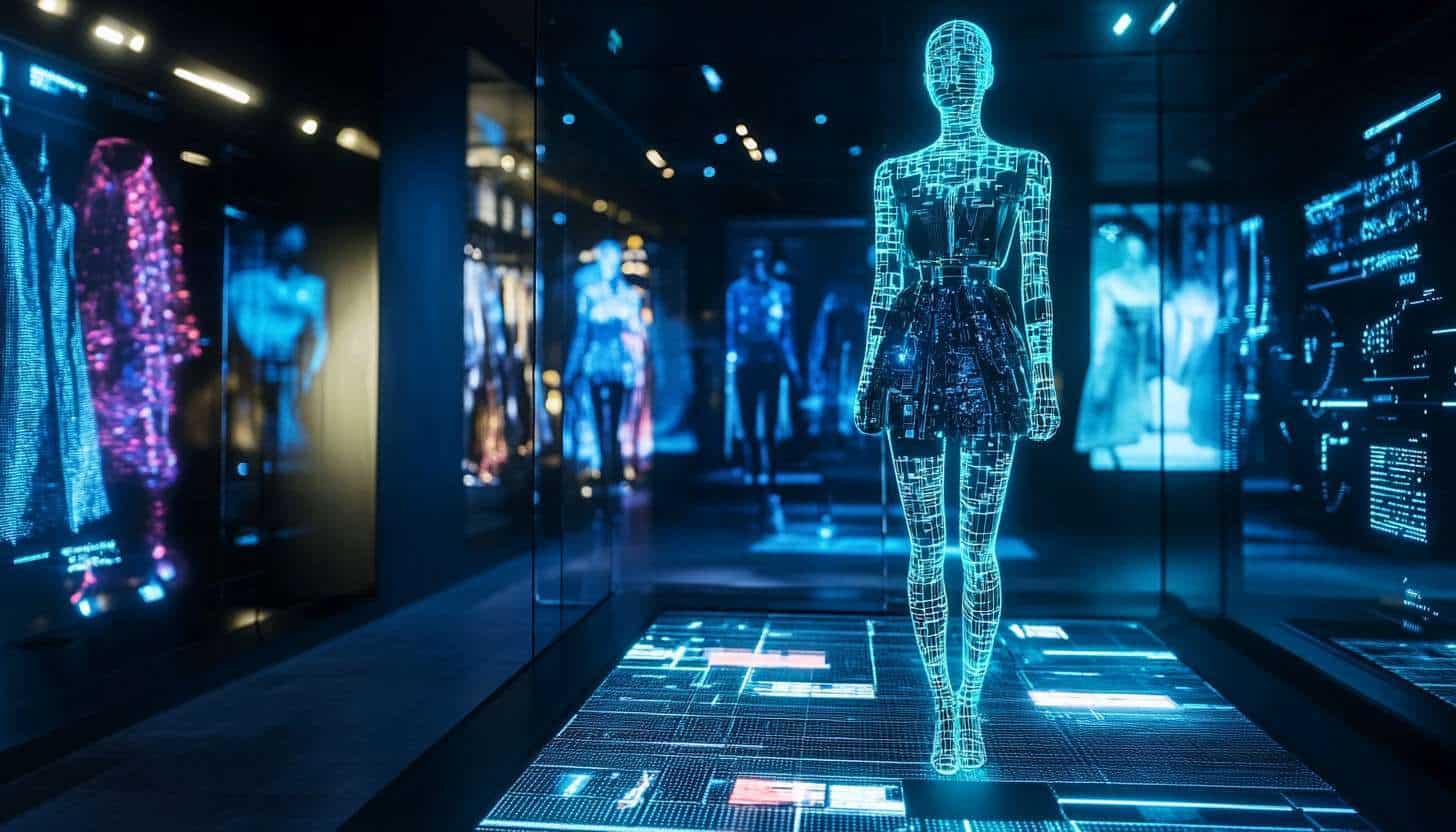
The fashion industry stands at a crossroads. Change rushes in with the tide. AI in fashion transforms how designers create. New tools reshape ideas. Fashion technology brings fresh possibilities. Designers embrace this shift. They explore new ways to connect with consumers. This is not just a trend. It is a revolution.
Innovation drives the heart of clothing design. Designers search for new methods to express their vision. AI design tools offer them a canvas. They generate ideas at lightning speed. They analyze trends and predict what comes next. The power of AI extends beyond creation. It opens doors to personalization and sustainability. It pushes the boundaries of what fashion can be.
As we delve into this world, we will uncover the impact of AI on style and substance. We will explore how brands adapt and thrive. We will witness the future of fashion unfold before our eyes. The wardrobe of tomorrow awaits. Let’s step into it together.
The Role of AI in Fashion Design
AI in fashion changes how designers create clothes. It uses algorithms to generate images based on input data. Designers feed the system with sketches, colors, and patterns. The AI analyzes this information. It then produces new designs quickly. This process allows for rapid experimentation. Designers can see many options without starting from scratch. The result is a fresh perspective on clothing design.
Brands like Adidas and Stella McCartney embrace AI technology. Adidas launched a program that uses AI to create shoes tailored to individual foot shapes. This innovation shows how AI adapts to personal needs. Stella McCartney employs AI to minimize waste in her collections. She uses predictive analytics to foresee which designs will resonate with consumers. These examples highlight how brands leverage AI to push boundaries and innovate.
Real-time design capabilities offer significant benefits. Designers can respond instantly to market trends. They can adjust their creations based on consumer feedback. This flexibility leads to better alignment with customer desires. As a result, brands can reduce the risk of producing unwanted inventory. This efficiency is crucial in a fast-paced fashion world where trends shift rapidly.
The integration of AI in fashion design opens new avenues. It fosters creativity while addressing sustainability. By combining technology with artistic vision, the industry evolves. Personalized fashion becomes more accessible. Consumers experience clothes that reflect their unique styles. The future of fashion is bright, fueled by the power of AI.
Predicting Fashion Trends with AI

AI stands at the forefront of trend analysis in fashion. It sifts through vast amounts of data. Social media posts, online searches, and sales records provide insights into consumer preferences. Algorithms detect patterns that human eyes might miss. These patterns reveal what colors, styles, and materials are gaining popularity. This information allows brands to make informed decisions. They can respond quickly to shifts in consumer demand. This agility is crucial in a fast-paced industry.
Some brands have successfully harnessed AI to predict trends. For instance, H&M employs AI to analyze customer data from its app and website. The system identifies what items customers frequently view and buy. Based on this data, H&M adjusts its inventory in real-time. This ensures that popular items remain available. Similarly, Zara uses AI to analyze sales data and social media trends. This helps them forecast which styles will resonate with consumers. Their ability to react swiftly keeps them ahead of competitors.
Trend forecasting holds great significance for designers and retailers. It helps them create relevant collections that align with market demands. This reduces the risk of overproduction and waste, aligning with sustainable fashion principles. Brands that adopt AI-driven forecasting can implement on-demand production models. They can produce clothing based on actual consumer interest rather than guesswork. This shift not only conserves resources but also cuts down on unsold inventory.
As AI continues to evolve, its role in predicting fashion trends will grow stronger. Brands will rely more on data-driven insights to shape their offerings. Designers will find inspiration in the trends identified by AI tools. The result will be a fashion landscape that is responsive, sustainable, and aligned with consumer desires. The future promises a smarter approach to fashion, where every piece is crafted with purpose and precision.
Personalization in Fashion through AI
AI in fashion shapes the way people shop. It tailors outfits to fit individual preferences. Algorithms analyze a shopper’s past behavior. They look at style choices, sizes, and colors. This data helps create a unique shopping experience. Customers see clothing options that match their tastes. They find what they want faster. The process is seamless. It removes the guesswork from shopping.
Data analytics plays a crucial role in this personalization. Brands collect information from various sources. They examine social media trends and customer feedback. This data guides them in designing clothing that resonates with consumers. For instance, a brand may notice an uptick in searches for sustainable materials. They respond by offering more eco-friendly options. This kind of adaptability keeps brands relevant and in tune with their customers.
Successful personalized fashion campaigns illustrate this trend. Stitch Fix uses algorithms to curate boxes of clothing for each customer. They combine human stylists with AI recommendations. The result is a tailored experience that feels personal. Another example is ASOS, which uses AI to suggest outfits based on previous purchases. This approach enhances customer satisfaction and loyalty. Shoppers feel understood and valued.
The use of AI in fashion drives clothing innovation forward. It creates a dynamic marketplace where personalization thrives. As technology continues to evolve, shoppers can expect even more tailored experiences. AI will redefine how consumers connect with fashion, making it more accessible and enjoyable.
Sustainability and Waste Reduction

AI reshapes the fashion landscape. It enables on-demand production models. This means clothing is made only when it is ordered. No more excess inventory. This model reduces waste significantly. Brands can respond to actual consumer demand. They avoid overproduction. With AI, they analyze buying patterns. They predict what consumers want. This creates a more efficient system.
Fashion brands that embrace AI see clear benefits. They cut down on unsold stock. This leads to lower waste in landfills. The process also conserves resources. When production aligns with demand, fewer materials are wasted. Brands like Zara and H&M are exploring these methods. They use AI to streamline their supply chains. This shift not only helps the environment but also enhances profitability.
Many brands focus on sustainable practices through AI. They implement tools that assess environmental impact. These tools help them make better choices about materials and processes. Companies like Adidas and Stella McCartney use AI to track sustainability metrics. They aim for transparency in their operations. This builds trust with consumers who care about the planet.
Wardrobe customization becomes more accessible through these advancements. Consumers can design their clothing with minimal waste in mind. They choose styles and sizes that suit them best. AI facilitates this personalization while keeping the environment in focus. The future of fashion looks promising, thanks to these innovative strategies.
Enhancing the Customer Experience with AI
AI in fashion transforms online shopping. It makes the experience smoother and more enjoyable. Customers can browse vast collections without stepping outside. AI tools curate selections based on preferences. They analyze past purchases and browsing habits. This personalization helps shoppers find what they want quickly.
Virtual fitting rooms change how people shop. These tools let customers try on clothes digitally. Shoppers see how garments fit without physical effort. They can adjust sizes, styles, and colors. This technology reduces uncertainty and improves confidence. Brands like ASOS and Zara are leading this charge. They use augmented reality to create lifelike experiences. Customers engage more when they can visualize clothing on themselves.
Styling assistants powered by AI offer guidance. These tools suggest outfits based on individual tastes. They consider occasions, seasons, and trends. Users receive tailored recommendations that enhance their style. For example, Stitch Fix combines human stylists with AI insights. This blend creates a unique shopping experience that resonates with customers.
Feedback from shoppers highlights the benefits of AI-enhanced shopping. Many appreciate the convenience and personalization it offers. They find joy in discovering new styles suited to their needs. This positive response drives brands to invest more in technology. The future of shopping will likely depend on these advancements. AI in fashion is not just a trend; it is a new way of engaging consumers.
Challenges and Limitations of AI in Fashion

AI brings change, but it also raises questions. Designers wonder about the ethics of using AI to create new styles. Who owns the design? Is it the algorithm or the person who programmed it? Brands like Adidas explore these issues as they embrace technology. They seek to balance innovation with respect for creativity. These concerns highlight the need for clear guidelines in an evolving landscape.
Job displacement looms large in the fashion industry. Machines can design faster and cheaper than humans. This shift may threaten jobs in creative roles. In factories, robots can take over tasks once done by skilled workers. While efficiency increases, the human touch might diminish. Brands must consider their impact on workers and communities as they adopt new technologies.
Current AI technology has limits. It can analyze data and predict trends but lacks true understanding. AI models struggle with context and cultural nuances. For example, a machine might identify patterns in consumer behavior but miss the emotions behind them. Designers still play a crucial role in interpreting trends and creating meaningful fashion. Improvement is necessary for AI to truly complement human creativity.
The fashion industry stands at a crossroads. Embracing AI offers promise, yet challenges remain. As brands navigate this terrain, they must prioritize ethics, support workers, and enhance technology. The future will depend on finding a balance between innovation and humanity in fashion design.
The Future of AI in Fashion
AI in fashion stands on the brink of a new era. Designers will harness advanced algorithms to push boundaries. They will create not just clothes but experiences. Imagine garments that adapt to weather, mood, or occasion. These innovations will reshape what it means to dress for the day. AI will learn from individual preferences and craft pieces that speak to each person. The wardrobe of tomorrow will be unique.
Collaboration between tech and fashion will drive this change. Fashion houses will partner with tech firms to develop smarter tools. For example, a leading brand could team up with an AI startup. Together, they would create software that predicts trends before they emerge. This partnership could lead to faster production cycles and less waste. The synergy of these industries will spark new ideas and methods.
The impact on consumer behavior will be profound. Shoppers will expect personalized experiences. They will seek recommendations tailored to their tastes and needs. AI in fashion will make this possible. Retailers will use data analytics to understand buying habits. They will offer suggestions that feel intuitive and relevant. This shift will change how people view shopping. It will become a more engaging and fulfilling activity.
As AI continues to evolve, so will the fashion industry. We can expect innovations that we cannot yet imagine. The future holds promise for sustainability and efficiency. Designers will focus on responsible practices. They will produce what is needed, reducing excess and waste. The wardrobe shaped by AI will reflect not only style but also a commitment to the planet.
Embracing the Future of Fashion
AI in fashion transforms how we create and wear clothes. It reshapes design, predicts trends, and personalizes shopping. Brands harness AI to reduce waste and improve customer experiences. This change is not just a trend; it is a revolution. Fashion moves forward with technology. Designers adapt. Consumers benefit.
Readers should embrace these advancements. The wardrobe of tomorrow will be smart and responsive. It will reflect individual style while caring for the planet. As we look ahead, let us welcome the possibilities. AI in fashion holds promise. The future is bright.
Related Articles

Self Hosted AI Starter Kit for Secure Local AI Workflows
A self hosted ai starter kit gives small businesses, marketers, and creators a practical path to powerful AI without sending every prompt or file to a cloudR…
Read more
Tiny Script Generator: How to Choose Fast, Focused AI Writing
A tiny script generator can be a smarter AI writing choice when you need one focused job done quickly and consistently. “Tiny” describes its narrow, purpose-…
Read more
Discover the Top Titan Blogs for Space Enthusiasts and Explorers
Titan, Saturn’s largest moon, captivates the imagination of space enthusiasts around the world. Its thick atmosphere, vast lakes of liquid methane, and in…
Read more