
AI Tools for Writing Books: 7 Game-Changing Solutions
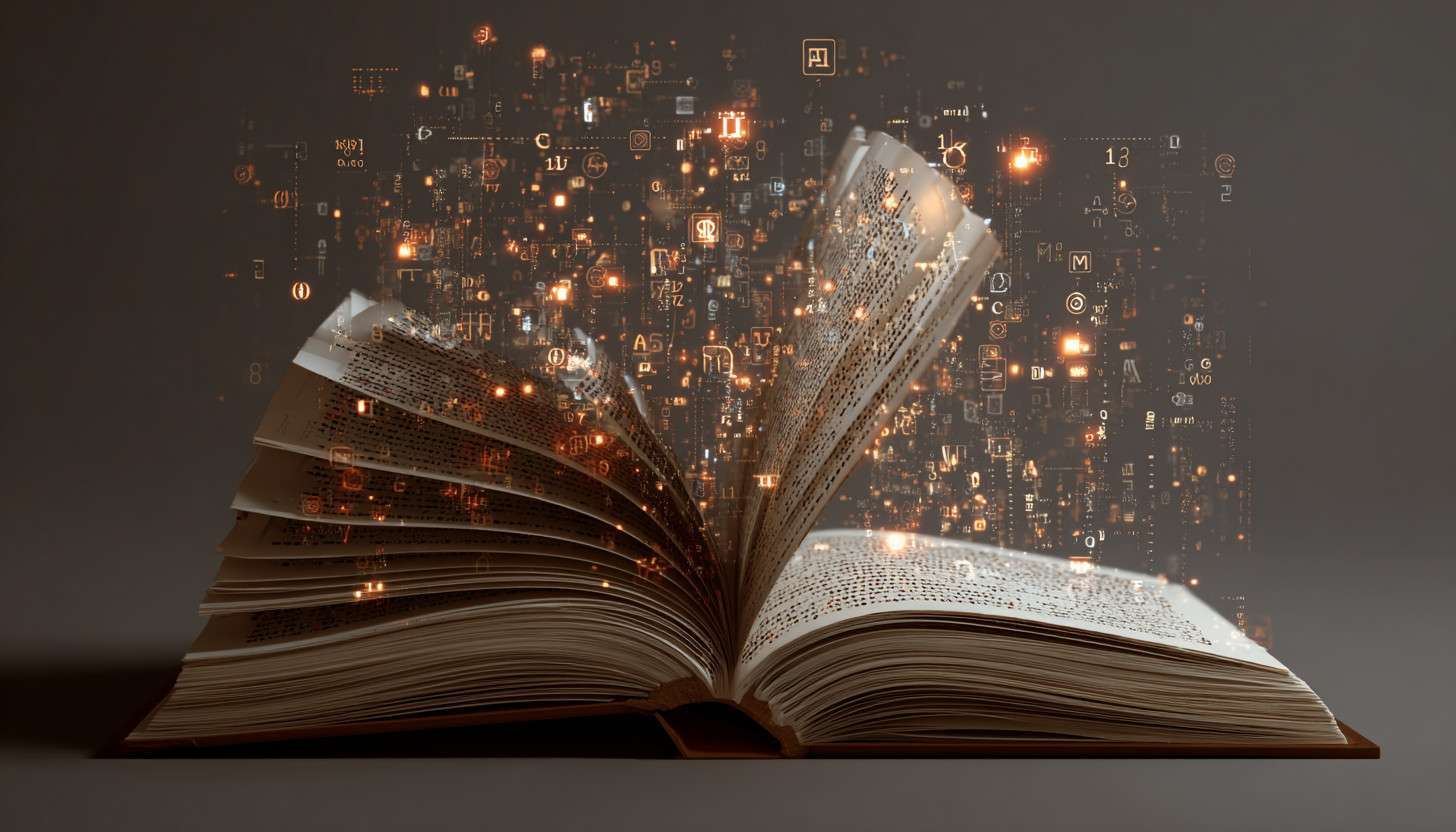
Creativity in writing has long relied on tools that enhance our ability to express ideas. Today, however, technology has introduced a new wave of AI tools for writing books tailored specifically for writers. These innovations are transforming the writing process in ways we are only beginning to understand.
These innovative tools can act as catalysts, not just for efficiency but for inspiration itself. While many fear that AI might dilute creativity, it can actually challenge writers to think differently and push the boundaries of their imagination. Join us as we explore seven groundbreaking solutions that are revolutionizing the writing landscape and reshaping how authors approach their craft.
The Evolution of Writing: From Pen to AI
Writing has undergone a remarkable transformation throughout history. From the simplicity of stone tablets and quills to the revolutionary typewriter, each tool has shaped how writers express themselves. The arrival of word processors brought an ease to manuscript creation that was unprecedented.
This evolution reflects humanity’s desire for efficiency and clarity in storytelling. Now, we stand at the brink of a new era with AI tools for writing books. These innovative technologies utilize algorithms to assist writers in ways once unimaginable.
For instance, AI programs can analyze trends in successful manuscripts and suggest plot ideas tailored to what resonates with readers today. This provides authors with a platform to explore new depths of creativity, unhindered by traditional limitations. The leap from basic word processing to AI support marks a significant milestone in writing history.
Unlike earlier tools, AI acts not just as a mechanism for writing, but as an intelligent partner in the creative process. It offers a new lens through which authors can view their work, enabling them to craft narratives that are both engaging and well-structured. As we embrace AI, it is vital to recognize that these AI tools for authors do not replace the writer’s voice.
Instead, they enhance it, allowing creators to dive into unchartered territories of imagination. This symbiosis between human creativity and AI assistance will define the future of writing. It makes the craft a fertile ground for innovation and exploration.
AI for Ideation: Sparking Creativity
In the world of creative technology, AI tools are stepping up to help writers brainstorm innovative ideas. These platforms can generate prompts, suggest plot twists, or even propose character arcs, giving writers a fresh perspective. For many authors, this instant access to inspiration can be a game changer.
Take the author Adam McKay, for example. He utilized an AI tool to develop unique dialogue for his screenplay, leading to scenes that resonated with audiences. By collaborating with AI, he could explore paths he might not have considered, showcasing how technology can spark new creative avenues.
Another notable case is a group of storytellers who used an AI plot twist generator designed for world-building. This tool not only helped them create intricate settings but also inspired deeper themes woven into their narratives. Writers often hesitate to explore unconventional ideas, but AI encourages them to think outside the box, presenting unexpected connections.
Overall, these AI-driven tools are not just time-saving. They are also catalysts for creativity that empower writers to delve into unexplored territories. In a world where creativity can sometimes feel limited, AI serves as a beacon of inspiration.
AI-Driven Research: The Library at Your Fingertips
Research is often the backbone of compelling writing. In the digital age, AI-driven tools are revolutionizing how authors conduct research and fact-check their work. These tools can quickly sift through mountains of data, providing reliable sources in seconds.
This speed not only saves time but also enhances the accuracy of the content, allowing writers to focus more on creative expression. One standout example is a tool like Semantic Scholar. This AI-powered research engine helps authors find relevant academic papers based on specific queries.
Instead of diving deep into library archives, writers get instant access to the latest findings and discussions in their field. The ability to harness such resources drastically reduces the time spent on preliminary research. This gives authors a competitive edge in the fast-paced publishing world.
Additionally, tools like Grammarly have expanded their capabilities beyond grammar checking to include fact-checking features. This inclusion serves as a safety net for writers, ensuring their claims are not only well-articulated but also factually supported. Many authors, from bloggers to seasoned writers, have expressed how these novel writing tools have elevated their work quality.
The integration of AI in publishing is transforming research into an efficient and seamless process. As aspiring authors embrace these tools, they gain access to a wealth of information, refining their craft and allowing their unique voices to shine through. The result is writing that is not only engaging but also well-informed and grounded in reality.
Enhancing Your Writing Style: AI as a Feedback Tool
AI tools for writing books are transforming how authors refine their style. These tools offer more than just grammar checks. They provide nuanced suggestions that can elevate a piece.
For example, tools like Grammarly and ProWritingAid analyze sentence structure and word choice. They highlight passive voice usage and suggest alternatives that can make writing more dynamic and engaging. Embracing feedback from AI can feel counter-intuitive for many writers.
Writers often trust their instincts and prefer human feedback. However, automated editing software can offer an objective perspective that is hard to find in traditional peer reviews. For instance, an author experimenting with a playful tone may receive feedback indicating overlap with overly formal language.
This insight can guide them to a more consistent, compelling style. Additionally, AI tools function as real-time productivity tools, allowing writers to simultaneously draft and revise. They can suggest variations for overused phrases or recommend textual shifts that improve flow.
Interestingly, many authors have reported that using AI for style feedback can stimulate new creative directions. It allows them to explore styles they might not have considered before. Ultimately, leveraging AI for writing feedback is about integration, not replacement.
Writers can merge their unique voice with AI’s analytic capabilities. This partnership can lead to a richer, more polished manuscript. By embracing these writing productivity apps, authors can not only enhance their style but also broaden their understanding of effective communication.
Collaborative Writing: Partnering with AI
The idea of collaborating with AI in writing is transforming the creative process. Writers are beginning to see AI not as a mere tool, but as a co-writer that can enhance storytelling. This partnership allows authors to experiment with ideas they might not have considered on their own.
AI can generate prompts, suggest dialogue, or even create entire scenes based on initial concepts. For instance, a well-known author recently used an AI tool to co-write a short story. They provided the initial premise and let the AI generate various plot twists.
The collaboration resulted in a narrative that was richer and more dynamic than they could have achieved alone. This showcases how AI novel writing tools can spark creative breakthroughs. These tools prompt authors to think outside the box.
Moreover, AI’s ability to analyze trends and reader preferences adds another layer to this partnership. Writers can use AI to gauge what themes resonate well with audiences, tailoring their narratives accordingly. This not only aids in storytelling enhancement but also helps in crafting works that are more likely to capture interest.
In essence, viewing AI as a writing partner opens up exciting possibilities. It enables the exchange of ideas between human creativity and machine learning. Together, they can create compelling stories that leverage the strengths of both.
Overcoming Writer’s Block with AI
Writer’s block can feel like an insurmountable wall for many creators. Fortunately, specific AI features are designed to help combat this stagnation. AI tools for writing books often include prompts tailored to your genre.
These prompts can stimulate your imagination and provide a fresh perspective when you need it most. Tools like Sudowrite offer instant suggestions that can lead to unexpected story twists or character development. In addition to prompts, AI has powerful capabilities for idea generation.
For instance, tools like ChatGPT can analyze your previous writing style to propose new plot ideas that feel authentic to your voice. By inputting a brief description of your work, you can receive tailored suggestions. This process can suddenly transform your blank page into a realm of possibilities, making the writing process feel less daunting.
Writers can also utilize an AI book outline generator for brainstorming sessions. Some platforms allow for collaborative idea generation, where you can interact with AI over a set of ideas. This can create a unique dialogue, sparking insights that you might not have envisioned alone.
By exploring these suggestions, you may discover concepts that resonate deeply, reigniting your passion for your project. However, embracing AI doesn’t mean you should relinquish your creative control. Instead, consider AI as a springboard rather than a crutch.
Use it to kickstart your thinking, then take your original ideas and run with them. This approach not only combats writer’s block but also enhances your creative journey. It pushes you to explore new horizons.
The Future of Writing: Embracing AI in the Publishing World
AI is reshaping the landscape of publishing, influencing trends in surprising ways. For instance, AI algorithms analyze reader preferences, enabling publishers to predict what types of stories will resonate well. This data-driven approach enhances writing efficiency and helps authors tailor their work to meet market demands.
The potential for AI to recommend topics and styles based on emerging trends is a game-changer for writers seeking to understand their audience. Aspiring authors can benefit greatly from these advancements by leveraging AI tools for market research. Platforms that employ machine learning can identify successful themes and suggest ways to innovate within those parameters.
This trend allows writers to create content that aligns with current interests while maintaining their unique voice. Embracing this data can lead to publishing success rather than relying solely on intuition or traditional methods. The directory of AI applications continues to expand with new solutions for authors.
Networking in the AI-enabled publishing landscape is another key strategy for aspiring authors. By connecting with others who use writing assistance software, writers can share insights and experiences. Collaborative efforts can lead to innovative projects that push creative boundaries.
Additionally, authors who engage with readers through social media platforms can gather real-time feedback, refining their work faster than ever before. The future of writing lies in the partnership between authors and AI. Those who adapt to this new technology will not only enhance their writing efficiency but also ensure their work remains relevant.
In Summary: Embracing a New Era of Creativity
AI tools for writing books are fundamentally changing how stories come to life. From enhancing creativity to organizing complex plots, these tools offer unexpected advantages that can unleash your writing potential in ways you never imagined. The integration of technology and creativity marks a significant shift in the literary world.
Exploration is key in this new landscape. Writers should not only use AI tools but also experiment with them, pushing boundaries and discovering unique workflows that enhance their voice and style. Embracing this change could be the difference between stagnation and creativity in your writing journey.
Related Articles

Is AI Novel Writing Software the Secret Weapon Every Author Needs?
Writers everywhere are testing AI novel writing software — but does it truly enhance creativity or just add noise? The answer might surprise you.
Read more
Why Authors Are Writing a Novel with AI Right Now
AI is changing how stories are written. Many authors are now experimenting with writing a novel with AI to speed up the creative process.
Read more
Discover the Best AI Novels You Must Read
AI is inspiring a new wave of storytelling. These best AI novels offer powerful narratives about technology and the future of humanity.
Read more