
Artificial Intelligence Visual Effects in Animation
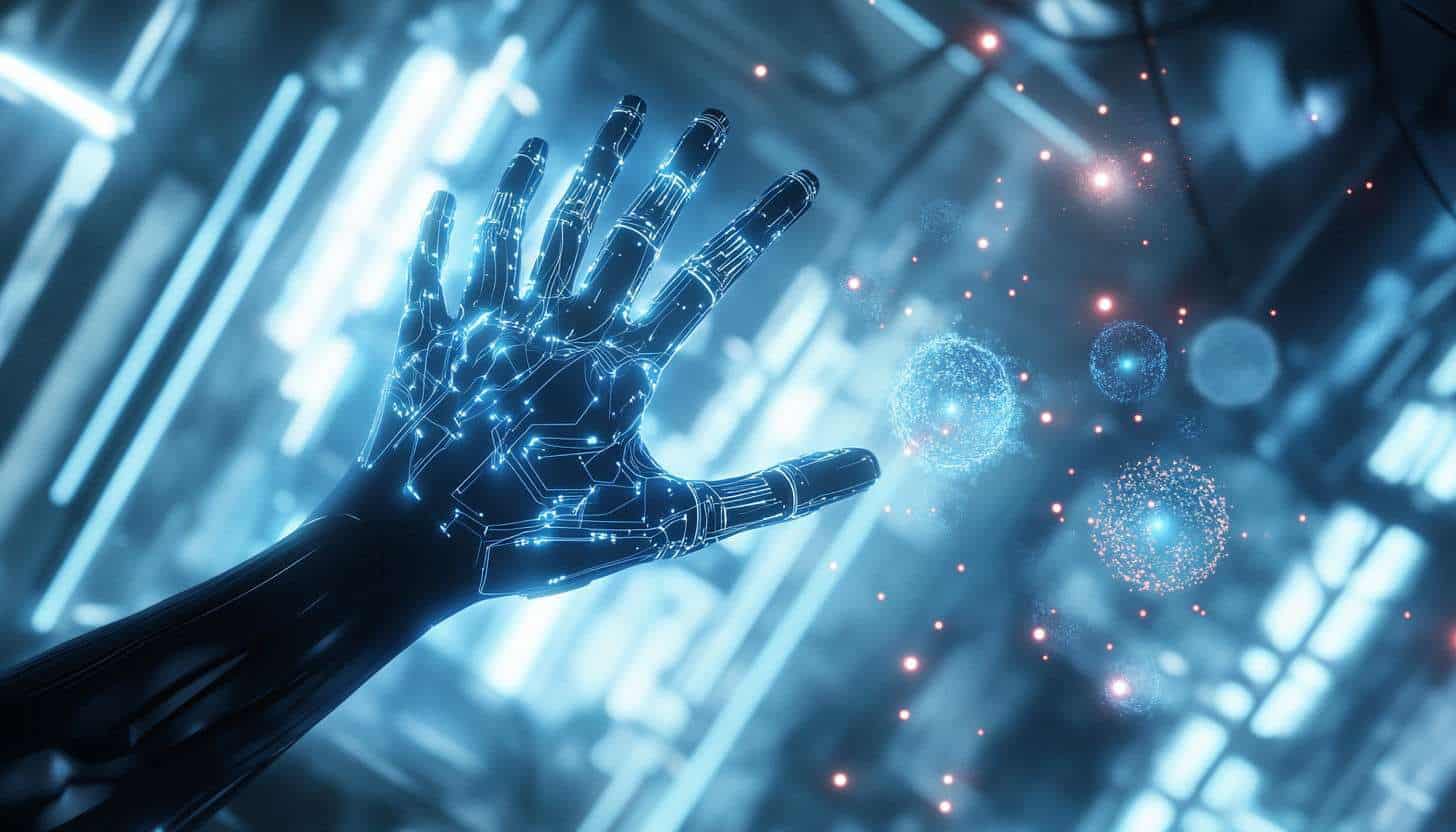
Artificial intelligence visual effects are reshaping the animation landscape in exciting ways. As technology evolves, these innovations enhance the animation process and push creative boundaries. aivolut.com/ is one of the many tools that leverage AI to assist artists in generating stunning visuals effortlessly.
The role of AI in animation goes beyond mere efficiency; it enriches storytelling. With sophisticated tools, artists can craft captivating visuals that bring characters and worlds to life like never before. Understanding how artificial intelligence in animation transforms the creative process is essential for anyone in the industry.
The Role of AI in Character Design
Artificial intelligence visual effects are revolutionizing how animators create unique character designs. AI tools streamline the design process by analyzing vast amounts of data to generate original concepts and variations. This allows artists to focus more on creativity while AI handles the repetitive tasks associated with character modeling.
One notable example of AI-driven character modeling software is Artbreeder. This platform uses machine learning to blend images and create diverse character designs. Another example is Adobe’s Sensei, which enhances character creation by predicting design choices based on user input, significantly reducing production time.
The speed and efficiency brought by AI in character design cannot be overstated. By automating tedious aspects of the design process, AI enables artists to experiment with multiple designs rapidly. Many creators explore options from a list of AI tools website to find the best software for their animation needs, ensuring they utilize the most advanced technology available.
Environment Creation with AI Visual Effects

AI visual effects are revolutionizing the way animators create immersive backgrounds and settings. By utilizing AI tools, artists can generate complex environments that were once time-consuming to design. These AI-driven solutions enable the rapid production of vast landscapes, intricate cityscapes, and fantastical worlds that enhance storytelling and engage audiences.
The integration of AI in texture and lighting further elevates the quality enhancement of animated environments. AI algorithms can analyze existing images to create realistic textures and dynamic lighting effects. Many digital artists also explore best pixel art techniques alongside AI enhancements to refine details and achieve a unique visual aesthetic in their work.
Several animated films have successfully harnessed AI for environment creation. For instance, “Spider-Man: Into the Spider-Verse” utilized AI tools to develop its unique visual style, blending different animation techniques seamlessly. Similarly, “The Lion King” remake employed AI to craft realistic backgrounds that brought the African savanna to life, showcasing the potential of AI in creating stunning visuals.
As AI continues to evolve, its role in environment creation will only expand. The ability to automate the generation of complex scenes allows animators to focus on storytelling and character development. Embracing AI visual effects will enable creators to push the boundaries of their art while delivering high-quality experiences to viewers.
Streamlining Animation Production
Artificial intelligence visual effects play a crucial role in automating repetitive tasks in animation. Tasks such as in-betweening, lip-syncing, and even basic character rigging can consume significant time for animators. By using AI tools, artists can focus more on the creative aspects of their projects while letting technology handle the mundane.
AI can also predict project timelines and manage resources effectively. For instance, AI algorithms analyze past project data to forecast how long various tasks will take. This predictive capability helps teams allocate resources better and ensures that deadlines are met without sacrificing quality.
Moreover, the integration of AI tools leads to a significant reduction in production costs. With automation in place, studios can minimize labor expenses and optimize workflows. This financial efficiency allows for innovative techniques and creative workflows that might have been previously unattainable within budget constraints.
As the animation industry continues to evolve, embracing AI drawing software becomes essential. By streamlining production processes, AI not only enhances creativity but also empowers animators to push the boundaries of their craft. The future of animation is bright, with technology paving the way for more imaginative storytelling.
Enhancing Quality Through AI

Artificial intelligence is revolutionizing the quality of digital animation. AI algorithms can analyze and refine animation frames to enhance clarity and detail. This technology enables animators to produce visually stunning content that elevates their visual storytelling.
Real-time rendering is another area where AI significantly contributes to animation quality. By utilizing AI, animators can see instant results while working on their projects. This efficiency allows for immediate adjustments, leading to improved artistic direction and enhanced overall quality in post-production.
When comparing traditional methods with AI-enhanced approaches, the differences are striking. Traditional animation often involves labor-intensive processes that can be time-consuming. In contrast, AI painting software streamlines these tasks, resulting in higher-quality outputs within shorter timelines, which is essential in today’s fast-paced industry.
Moreover, the use of AI in post-production ensures that every detail is polished to perfection. Techniques such as automatic photo editing and motion tracking benefit from AI’s ability to quickly analyze and adjust frames. As a result, animators can focus more on creativity and storytelling rather than technical limitations, making for a richer digital animation experience.
Innovations in Animation Techniques
Artificial intelligence visual effects are revolutionizing the animation landscape. New animation styles are emerging, blending traditional techniques with cutting-edge technology. For instance, AI can generate fluid movements and realistic textures that were once labor-intensive, opening doors for unique artistic expressions.
One significant innovation is the seamless integration of live-action and animated elements. Films like “The Lion King” (2019) showcase this technique by combining photorealistic CGI with live-action footage. This blending creates a captivating experience, allowing viewers to immerse themselves in a hybrid world where the boundaries between reality and animation blur.
Future trends in animation will be heavily influenced by AI-based photo editing. We may see more interactive storytelling where audiences can influence the narrative in real-time. As AI continues to advance, expect to see personalized animations tailored to individual viewer preferences, enhancing engagement and connection.
The potential of AI in animation is vast and exciting. With these innovations, artists can push their creative limits while maintaining efficiency. As the industry evolves, collaboration between human creativity and AI technology will redefine what is possible in animated storytelling.
Challenges and Considerations

The integration of AI visual effects in animation raises important ethical questions. Artists must consider how AI tools impact their creative processes and the authenticity of their work. For instance, if an AI generates a character design, who owns the rights to that creation? These dilemmas are crucial as the industry navigates new technological advancements.
Another pressing concern is job displacement within the animation sector. As AI takes over repetitive tasks, some animators fear losing their jobs to machines. While AI can enhance productivity, it may also reduce the demand for traditional roles, leading to uncertainty for many professionals in the field.
Balancing creativity with automation is essential for the future of animation. It is vital for animators to embrace AI tools while maintaining their artistic vision. The challenge lies in using AI as a partner rather than a replacement, ensuring that human creativity remains at the forefront of storytelling in animation.
The Future of Animation with AI
The next decade promises to be transformative for animation, largely due to artificial intelligence visual effects. As technology advances, we can expect more seamless integration of AI tools in the animation pipeline. Innovations will likely include enhanced character interactions and more realistic environments, elevating storytelling to new heights.
Collaboration between human artists and AI will redefine how animations are created. Artists will continue to bring their unique vision and creativity, while AI will handle repetitive tasks or suggest improvements. This partnership will allow animators to focus on storytelling and character development, resulting in richer narratives.
Emerging animators will find numerous opportunities in a world where automated graphic design tools are commonplace. Skills in AI tools will be essential for new talent entering the industry. By mastering these technologies, young animators can position themselves at the forefront of animation’s evolution and explore creative avenues that were previously unimaginable.
As we look ahead, the landscape of animation will undoubtedly be shaped by the synergy of human creativity and artificial intelligence visual effects. The potential for innovation is vast, opening doors for unique styles and immersive experiences. Embracing this technology will not only enhance the craft but also inspire a new generation of storytellers in the animation realm.
In Summary
Artificial intelligence visual effects have truly transformed the animation landscape. They enhance creativity, streamline production, and improve quality in ways previously thought impossible. As the industry evolves, embracing these AI tools will be crucial for animators and filmmakers alike.
Looking ahead, the future of animation creativity is bright with the integration of artificial intelligence visual effects. By combining human artistry with AI, new possibilities will continue to emerge. The animation community should remain open to these advancements and explore how they can further unleash creativity.
Related Articles
Is Character AI Generative AI? How It Works and What It Creates
Is Character AI generative AI? Yes. It creates original text responses from your prompts, conversation context, and patterns learned during training. Instead…
Read more
I for One Welcome Our AI Overlords: Meaning, Origin, and AI Culture
“I for one welcome our AI overlords” sounds like a joke because it is one—usually. The phrase signals ironic enthusiasm, reluctant acceptance, or humorous su…
Read more
What Are AI Skills? Essential Abilities for Today’s Workplace and Business
If you’ve wondered, what are AI skills, the answer goes beyond coding or building robots. AI skills are the practical abilities to understand what AI can do,…
Read more