
6 Benefits of AI Art You Should Know
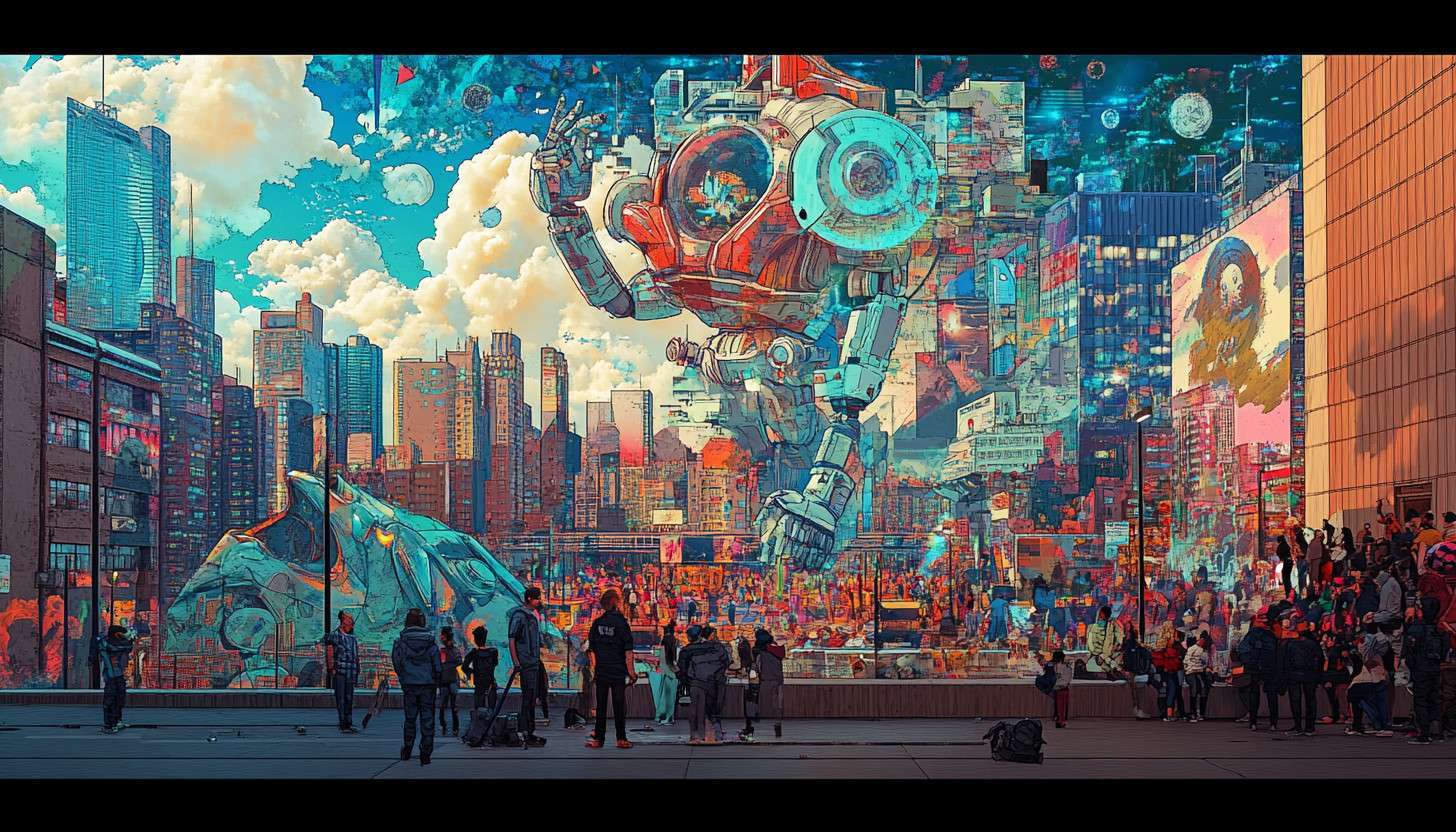
The world of design is rapidly evolving, and AI art is at the forefront of this transformation. As AI artwork generator tools become more prevalent, they are reshaping how artists and designers approach their creative process. By exploring various list of AI tools websites, creative professionals can discover new resources that enhance their artistic capabilities.
Understanding the benefits of AI art is essential for creative professionals. By embracing these innovative tools, designers can unlock new potential and enhance their artistic expression in ways previously unimaginable. The future of creativity lies in the synergy between human talent and AI art technology.
1. Enhancing Creative Potential
AI art tools are revolutionizing the way creative professionals generate ideas. These tools can inspire new concepts by providing unique visual outputs that spark creativity. For instance, artists like Refik Anadol have used AI to create immersive installations, showcasing the benefits of AI art in pushing the boundaries of traditional creativity.

By integrating AI into their creative processes, artists are breaking free from conventional methods. This fusion allows them to explore styles and techniques that may have seemed out of reach before. The collaboration between human imagination and AI algorithms enables designers to experiment with various aesthetics, resulting in innovative artwork that challenges norms.
Moreover, AI plays a significant role in overcoming creative blocks. When designers face stagnation, AI-generated suggestions can help reignite inspiration. Tools such as DALL-E and Midjourney provide fresh perspectives, allowing artists to view their work through a different lens, ultimately enhancing their creative potential and boosting workflow efficiency in the design industry.
2. Streamlining Workflows
AI art tools are changing the way designers work by automating repetitive tasks. This efficiency allows artists to focus on more creative aspects of their projects. For instance, automated graphic design tools can generate multiple design variations in seconds, freeing up valuable time for ideation and refinement.
Case studies show how designers have successfully reduced project timelines using AI tools. One graphic designer utilized an AI platform to create a series of marketing materials in half the usual time. By automating tasks like image resizing and color adjustments, they could meet tight deadlines without sacrificing quality.
Balancing traditional techniques with modern technology enhances productivity in the design process. Many artists are integrating AI into their workflows while still maintaining their unique styles. This blend of artistic innovation and automation not only streamlines tasks but also enriches the overall creative output.
As more designers embrace AI art tools, the potential for increased efficiency becomes evident. The future of design lies in this synergy between creativity and technology. Embracing these advancements can lead to groundbreaking results in both artistry and productivity.
3. Expanding Artistic Possibilities
AI art is revolutionizing the creative landscape by generating diverse styles and mediums. Artists can now explore unconventional aesthetics that were previously unimaginable. The benefits of AI art lie in its ability to blend various artistic influences, resulting in unique and captivating works.

Collaboration between human creativity and machine learning has opened new avenues for artistic expression. This partnership allows artists to push their boundaries while leveraging AI’s capabilities. For instance, a digital artist might use artificial intelligence in animation to create intricate patterns, which they then enhance with their own personal flair.
Notable projects demonstrate the innovative uses of AI art across different fields. One prominent example is the collaboration between artist Refik Anadol and artificial intelligence, creating stunning data sculptures from massive datasets.
These works highlight how technology in design can transform traditional concepts and create immersive experiences. Such projects showcase the limitless potential of integrating AI into the creative process, emphasizing the many benefits of AI art for artists and designers alike.
4. Personalization and Customization
AI art is revolutionizing the way artists personalize their work to meet individual client preferences. By analyzing data and user inputs, AI can generate unique pieces tailored specifically for each client. This ability to customize art enhances the overall user experience, making it more meaningful and relevant.
For example, generative art platforms allow users to combine various images and styles to create personalized artworks. Users can adjust parameters such as colors, shapes, and textures to produce an artwork that resonates with their tastes. This innovative approach highlights how AI art not only meets but exceeds traditional artistic boundaries, providing a platform for personal expression.
Another compelling example is the collaboration between AI and fashion designers. Brands are using AI-generated designs to create clothing that reflects the preferences of their target audience. This trend not only showcases the potential of AI in the fashion industry but also emphasizes the importance of personalization in digital design trends today.
The integration of AI in art allows for a level of personalization that was previously unattainable. As artists embrace these tools, they can create customized solutions that enhance client satisfaction. The future of art lies in this blend of technology and creativity, paving the way for a more personalized artistic experience.
5. Democratizing Art Creation
AI art is breaking down barriers that once limited creative expression. With user-friendly AI tools, anyone can create stunning visuals without traditional artistic skills. This accessibility allows non-artists to explore their creativity and produce art that resonates with them.

Emerging artists and designers are also reaping the benefits of AI art. These tools provide fresh avenues for experimentation and innovation, enabling newcomers to stand out in a crowded field. For instance, platforms that highlight digital art advantages allow users to generate unique artworks based on simple text prompts, empowering even those with little experience to create compelling pieces.
The impact of AI on traditional art education is profound. Schools and universities are incorporating AI tools into their curriculums, teaching students how to use technology alongside traditional techniques. This integration not only enhances learning but also prepares future artists for a world where the benefits of AI art are increasingly relevant and transformative.
As AI continues to evolve, it will further democratize art creation. The combination of human creativity and machine capabilities fosters an inclusive environment for all aspiring artists. Ultimately, AI art is reshaping the landscape of creative expression, making it more accessible than ever before.
6. Fostering Collaboration Between Humans and Machines
The synergy between human creativity and AI technology is transforming the design landscape. Artists are now leveraging AI-based photo editing tools to enhance their creative processes. This collaboration allows for innovative ideas that blend human intuition with machine efficiency.
One notable case study is the partnership between graphic designer Mario Klingemann and AI algorithms. Klingemann uses neural networks to create unique pieces that would be difficult to achieve through traditional methods. His work demonstrates how AI can serve as a co-creator, pushing boundaries and inspiring fresh perspectives in art.
Looking ahead, future trends in collaborative art-making with AI suggest a more integrated approach. As technology continues to evolve, we can expect to see automatic photo editing systems that adapt more closely to individual artist styles. This will lead to deeper collaborations, where machines not only assist but also learn from human input, resulting in even more dynamic artistic expressions.
Embracing this partnership between humans and machines is essential for creative professionals. The potential of AI art lies not just in automation but in the rich dialogue it fosters between artists and technology. This collaboration promises to redefine creativity and unlock new avenues for artistic exploration.
In Summary
AI art offers transformative benefits for creatives, enhancing their potential and streamlining workflows. By embracing the benefits of AI art, professionals can unlock new levels of innovation and creativity in their work. This collaboration between human artists and AI technology paves the way for a brighter future in the design industry.
As we move forward, it is essential for creative professionals to recognize and harness the benefits of AI art. The future of creativity lies in our ability to blend traditional techniques with modern technology. Embracing AI art will not only enrich artistic expression but also redefine the boundaries of creativity itself.
Related Articles
Is Character AI Generative AI? How It Works and What It Creates
Is Character AI generative AI? Yes. It creates original text responses from your prompts, conversation context, and patterns learned during training. Instead…
Read more
I for One Welcome Our AI Overlords: Meaning, Origin, and AI Culture
“I for one welcome our AI overlords” sounds like a joke because it is one—usually. The phrase signals ironic enthusiasm, reluctant acceptance, or humorous su…
Read more
What Are AI Skills? Essential Abilities for Today’s Workplace and Business
If you’ve wondered, what are AI skills, the answer goes beyond coding or building robots. AI skills are the practical abilities to understand what AI can do,…
Read more