
Best AI Tools for Filmmakers Right Now
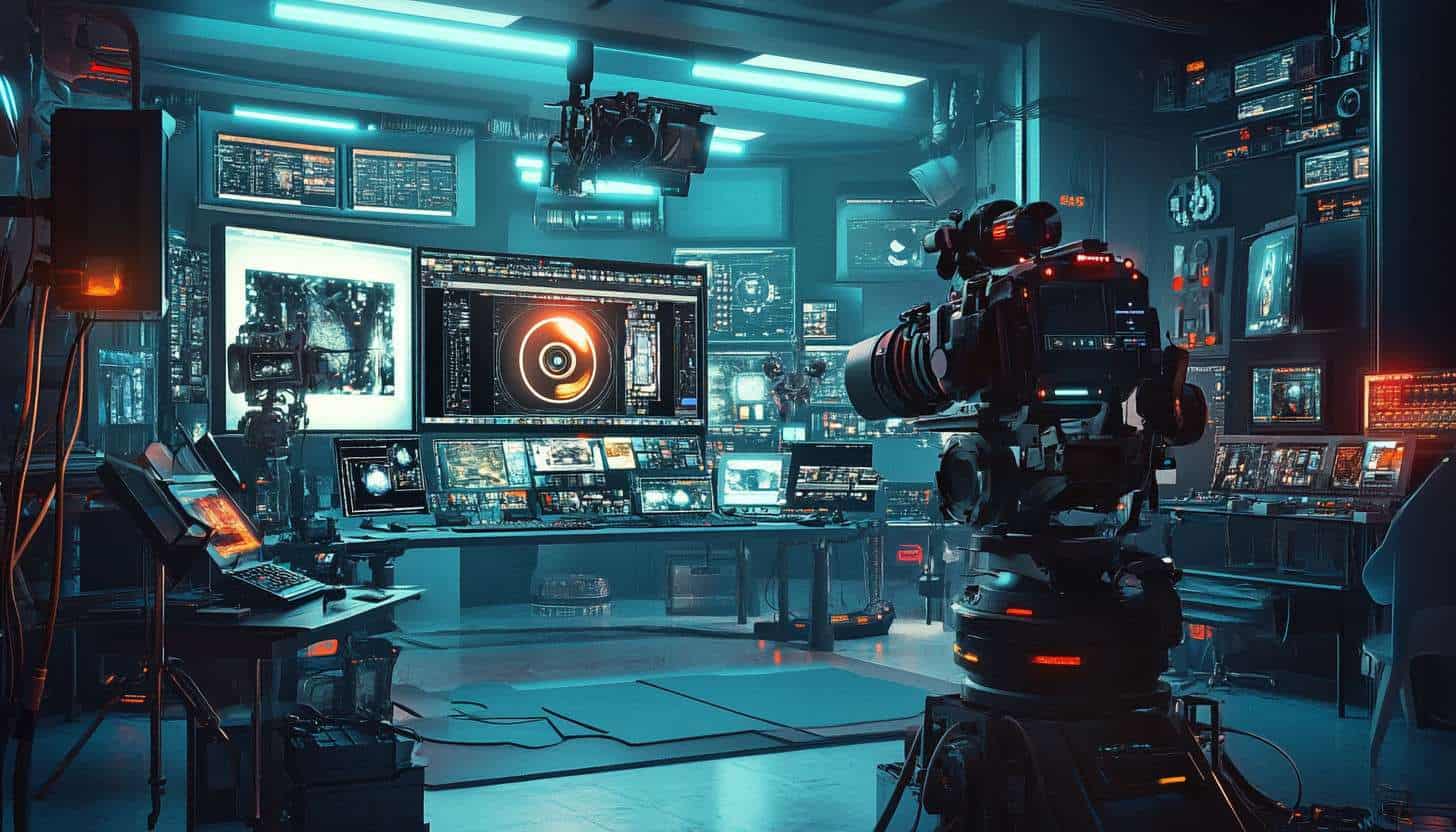
The world of filmmaking is rapidly changing, thanks to the rise of AI tools. These innovations are not just enhancing traditional methods; they are completely transforming how films are created, edited, and distributed.
Staying updated with the latest best AI tools directory is essential for anyone in the industry. Embracing AI in filmmaking can lead to more efficient processes and unlock new levels of creativity that were previously unimaginable. In this article, we will explore various automated editing solutions and other AI technologies that can revolutionize your filmmaking experience.
AI Tools for Scriptwriting
AI’s creative revolution has transformed the scriptwriting process significantly. They enhance creativity through advanced script analysis that helps identify strengths and weaknesses in a narrative. For example, tools like ScriptBook analyze scripts to predict audience reactions, allowing writers to refine their stories before production begins.
Real-time feedback and suggestions are another critical aspect of scriptwriting assistance. Writers can utilize platforms like Final Draft or Celtx, which integrate AI writing assistant features to provide instant critiques on dialogue and pacing. These suggestions help filmmakers ensure their scripts resonate well with audiences, ultimately improving the overall quality of the film.
Moreover, AI technology automates character development and dialogue generation. Tools such as ChatGPT and Sudowrite can generate dialogue based on character profiles, saving writers time during the brainstorming phase. This allows filmmakers to focus more on storytelling while leveraging production technology to create rich, believable characters.
Pre-Production AI Solutions

AI tools are transforming the pre-production phase of filmmaking in significant ways. They streamline processes like casting and location scouting, making them more efficient. For instance, AI algorithms can analyze actor portfolios and match them to character profiles, helping directors find the perfect fit faster.
Budgeting and scheduling can also benefit from AI-driven filmmaking software. These tools can predict costs based on historical data and assist in creating realistic timelines for production. By automating these tasks, filmmakers can focus more on creative aspects rather than administrative details.
Visualizing scenes is another area where AI shines. AI picture generator tools allow filmmakers to see their ideas come to life before actual shooting begins. This creative tool for filmmakers enhances collaboration and ensures everyone is on the same page about the visual style and narrative flow.
As filmmakers embrace these pre-production AI solutions, they can save time and resources while enhancing their creative vision. The integration of AI in pre-production paves the way for smoother productions and more innovative storytelling. It’s clear that adopting these tools is essential for filmmakers looking to stay ahead in a competitive industry.
Production Assistance with AI
AI-powered cameras are revolutionizing the way filmmakers capture their stories. These advanced devices offer features like automatic focus adjustment and exposure control, allowing for precise shots in dynamic environments. With AI technology, filmmakers can achieve professional-quality footage without the need for extensive technical know-how.
Real-time monitoring is another significant benefit of AI in film production. Filmmakers can now utilize AI tools to analyze scenes as they are being shot. This technology allows for immediate adjustments based on lighting, composition, and even actor performance, ensuring that every scene meets the director’s vision.
Collaboration on set is enhanced through the use of smart tools driven by AI. For instance, virtual assistants can help manage schedules, track shot lists, and communicate changes instantly among crew members. This streamlined communication fosters a more efficient working environment, allowing filmmakers to focus on their creative vision rather than logistical challenges.
Incorporating these AI tools into the film production process not only improves efficiency but also opens up new avenues for creativity. As filmmakers embrace this film production innovation, they can push the boundaries of storytelling. The integration of AI in production offers a glimpse into a future where technology and artistry coexist harmoniously.
Automated Video Editing Tools

AI is transforming traditional editing workflows in remarkable ways. Filmmakers can now rely on automatic photo editing AI to streamline the editing process, making it faster and more efficient. With AI-driven software, editors can focus more on creativity rather than spending countless hours on mundane tasks.
One exciting feature of these tools is their ability to analyze footage and suggest cuts and transitions. Programs like Adobe Premiere Pro’s Sensei use machine learning to identify key moments in a scene. This capability enhances creativity in filmmaking by allowing editors to explore new storytelling techniques and styles they might not have considered otherwise.
Color grading and sound editing also benefit from the integration of AI. Tools such as DaVinci Resolve employ AI algorithms to automatically adjust color tones and match scenes seamlessly. Additionally, high-quality image upscaling ensures that footage maintains clarity and detail, enhancing the overall production value.
These automated video editing tools are not just time-savers; they also open up new creative possibilities for filmmakers. By harnessing the power of AI, content creators can push the boundaries of their projects and produce compelling narratives. As technology in film continues to evolve, embracing these innovations will be essential for staying competitive in the industry.
Marketing and Distribution with AI
AI is transforming the marketing and distribution landscape in filmmaking. Filmmakers can now utilize AI for audience targeting and engagement, which helps them reach the right viewers. By analyzing vast amounts of data, AI tools can identify patterns and preferences among different demographics, ensuring that promotional efforts are not wasted.
In addition to targeting, AI tools are also optimizing promotional content using data analytics. For example, AI can analyze social media trends to suggest the best times to release trailers or promotional materials. This ensures maximum visibility and engagement, ultimately leading to a more successful film launch.
Predictive analytics is another game-changer in assessing film performance. By evaluating historical data, AI can forecast how well a film might perform based on various factors, such as genre and marketing strategies. This insight allows filmmakers to make informed decisions about their distribution strategies and potential box office success.
Incorporating AI into marketing and distribution processes is essential for modern filmmakers. The list of AI tools for filmmakers continues to grow, offering innovative solutions to enhance audience engagement and optimize promotional efforts. Embracing these technologies will enable filmmakers to maximize their film’s reach and impact in a competitive industry.
Ethical Considerations in AI Filmmaking

As AI tools become essential in filmmaking, ethical concerns emerge regarding creativity and automation. Filmmakers fear that over-reliance on AI could erode the unique human touch in storytelling. While AI can boost efficiency, it should not supplant the creative instincts of writers and directors.
Another significant issue is the impact of AI-generated content on authorship rights, raising questions about ownership of AI-created scripts or visuals. This complicates traditional intellectual property notions, requiring filmmakers to navigate these challenges to protect their work while embracing innovative techniques.
To promote ethical practices, filmmakers need to ensure responsible use of automated graphic design tools in production. Setting clear guidelines on how AI contributes to the creative process can help maintain artistic integrity. By establishing these boundaries, filmmakers can leverage AI’s benefits while still honoring their craft and respecting the contributions of all involved in the filmmaking process.
As AI continues to revolutionize filmmaking, addressing these ethical considerations becomes essential. Balancing creativity with automation is crucial for preserving the art form. Filmmakers must engage in ongoing discussions about authorship and responsible usage to foster a healthy relationship between technology and creativity.
Embrace the Future of Filmmaking
In summary, AI tools can significantly enhance filmmaking by streamlining processes and boosting creativity. Filmmakers can benefit from a comprehensive list of AI tools for filmmakers that assist in scriptwriting, pre-production, production, editing, and marketing. By embracing these technologies, filmmakers can unlock new creative possibilities and stay ahead in a competitive industry.
As you explore the potential of AI tools, remember that they are designed to support your vision, not replace it. The integration of AI into your workflow can lead to innovative storytelling and improved collaboration. Automatic photo editing enhances final productions, ensuring high-quality visuals. Embrace technology for creative growth and watch your filmmaking journey transform.
Related Articles
Master Mobile Image Optimization for Stunning Visuals
In today’s digital landscape, mobile image optimization is more crucial than ever. With the majority of users accessing websites via their smartphones, op…
Read more
Smart AI Tools for Publishers You’ll Love
In today’s fast-paced digital landscape, the integration of AI tools for publishers has become essential. These innovative technologies, including solutio…
Read more
How Image Upscaling Software Enhances Digital Art
In the world of digital art, image upscaling software is revolutionizing how artists create and share their work. This technology allows creators to transform t…
Read more