
Boost Sales with SEO for Online Shops
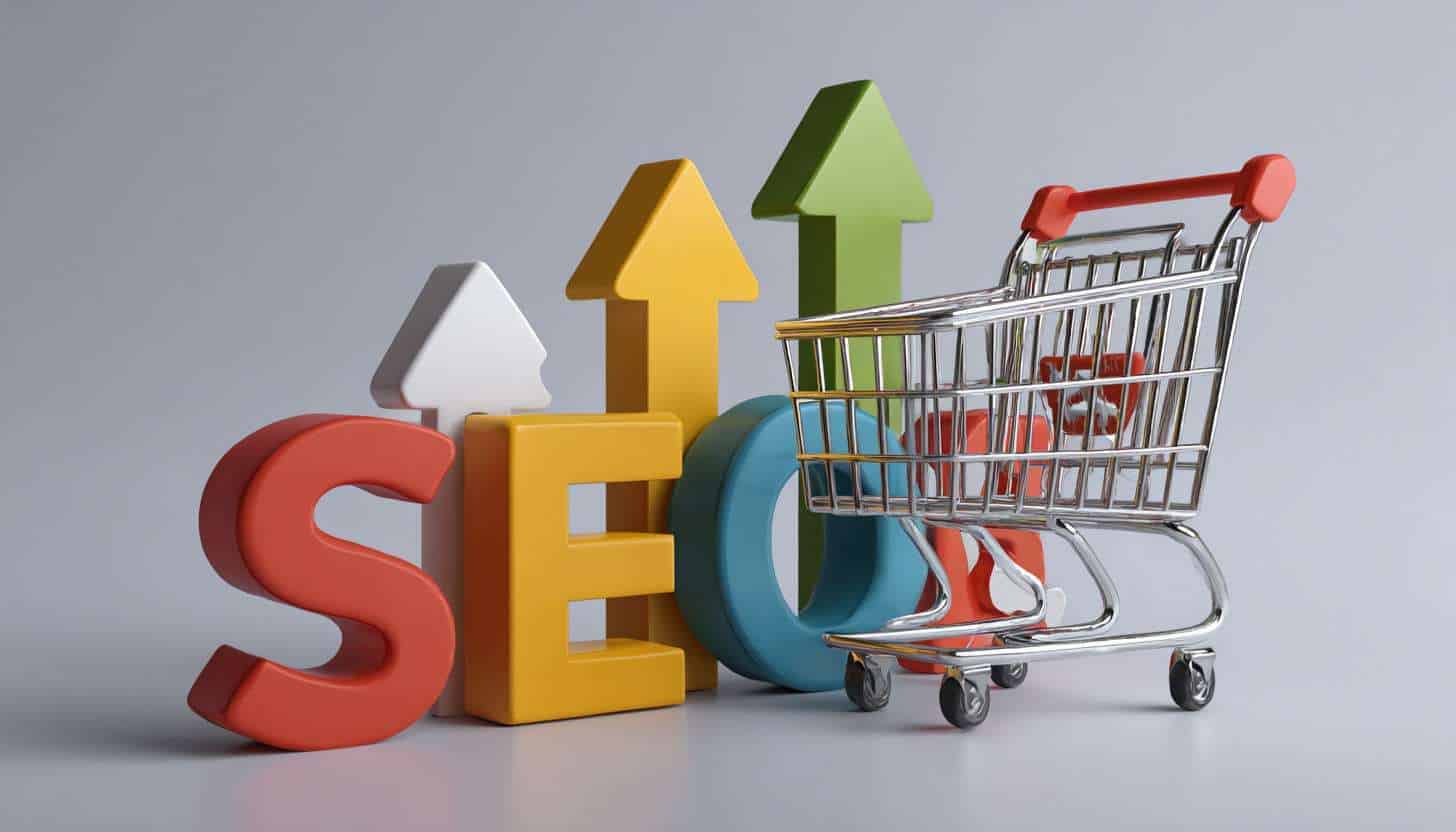
In today’s digital marketplace, effective SEO for online shops is crucial for success. It can significantly boost online sales by making your store more visible to potential customers searching for products. When implemented correctly, e-commerce SEO can unlock incredible sales growth.
By optimizing your online shop, you can attract more visitors and convert them into loyal buyers. This makes your business thrive in the competitive online retail landscape. Strategic SEO implementation positions your store for sustained success.
Understanding SEO Basics
Search Engine Optimization, or SEO, is essential for e-commerce success. It enhances visibility on search engines, making it easier for potential customers to find your online shop. By implementing effective SEO strategies, you can drive more traffic to your website and increase sales.
For example, if someone searches for “handmade ceramic mugs,” your shop needs to rank high on results to capture their attention. Understanding different types of eCommerce business models helps you tailor your SEO approach. This targeted strategy ensures you reach the right audience effectively.
Key components of effective SEO for online shops include on-page and off-page techniques. On-page SEO focuses on aspects within your website, like optimized product descriptions and useful metadata. Off-page SEO involves building your site’s authority through backlinks and social media engagement.
Both elements work together to improve your shop’s search engine ranking and user experience. Choosing the right eCommerce solutions can enhance your SEO capabilities. This combination creates a powerful foundation for growth.
Keyword research is a critical first step in any SEO strategy according to Moz’s Beginner’s Guide to SEO. It helps you understand what terms potential customers are searching for related to your products. Knowing these keywords allows you to fine-tune your product optimization, making it easier for users to find items they want.
For instance, if your shop sells climbing gear, discovering keywords like “best hiking backpacks” can guide your content strategy. Utilizing effective SEO practices can be the difference between obscurity and sales growth. The right approach not only attracts visitors but also converts them into loyal customers.
On-Page SEO Techniques
Crafting optimized product descriptions is crucial for any online shop. These descriptions should be clear, engaging, and packed with relevant keywords. For instance, if you sell handmade candles, describe the scent, burn time, and unique features.
This helps your page rank higher in search results while also enticing customers to make a purchase. Implementing proper eCommerce site optimization ensures all elements work together seamlessly. Strategic product descriptions directly impact conversion rates.
Using headers and tags effectively is another important aspect of on-page SEO. Headers break down your content and make it easier to read. Use H1 tags for your main title and H2 tags for subheadings.
This structure improves both user experience and search engine crawling. For example, an H2 tag can introduce a section about the benefits of your product, directly guiding potential buyers. Whether you’re running a B2B vs B2C eCommerce operation, proper structure matters.
The importance of high-quality images and alt text cannot be overstated. High-resolution images attract customers and highlight the details of your products. Be sure to use descriptive alt text for these images.
This not only helps with SEO for online shops but also makes your website more accessible. For example, instead of using “image1.jpg”, use “candle-lavender-scented-handmade.jpg” to optimize search visibility. Combining these on-page techniques with strategies like technical SEO and link building creates a powerful approach.
Off-Page SEO Strategies
Off-page SEO strategies play a critical role in enhancing the authority and visibility of your online shop. Building quality backlinks is one of the most effective ways to improve your search engine rankings. Links from reputable sites signal to search engines that your content is valuable.
By collaborating with relevant industry blogs or influencers, you can earn these links and drive referral traffic to your store. For instance, a fashion retailer could partner with a popular fashion blogger to showcase products, resulting in high-quality backlinks. Quality backlinks from authoritative sources like Search Engine Journal demonstrate your site’s credibility.
Social media also offers immense potential for driving traffic and engagement. By sharing content and connecting with your audience on platforms like Instagram and Facebook, you create opportunities for direct customer interaction. This engagement not only helps in building brand loyalty but also enhances your visibility.
For example, running a giveaway or contest can encourage followers to share your products, expanding your reach and potentially increasing conversion rates. Leveraging the directory of AI applications can help automate social media tasks. Smart automation frees up time for strategic planning.
Moreover, managing online reviews is vital for your reputation. Positive reviews can significantly influence potential customers, guiding their purchasing decisions. Encourage happy customers to leave feedback on platforms like Google and Yelp.
Use this feedback to improve your offerings and address any negative comments promptly. This proactive approach helps enhance your brand’s image and boosts trust. Effective off-page SEO strategies are essential for driving sales growth in e-commerce.
Content Marketing for Online Shops
Creating engaging blog content is essential for attracting customers to your online shop. Quality content can establish your brand’s authority and drive organic traffic. For example, an online clothing retailer can write about fashion trends or styling tips.
These topics not only showcase products but also provide value to potential customers. When building your store with top online store builders, prioritize content capabilities. Strong content marketing tools amplify your SEO for online shops efforts.
Utilizing video and visual content can significantly enhance the user experience on your site. Showcasing products through video demonstrations can increase engagement. For instance, a beauty brand could post tutorial videos that demonstrate how to use their products effectively.
Eye-catching visuals, such as high-quality photos and infographics, can also help convey information quickly while capturing customer interest. Visual content has become essential in modern eCommerce strategies. Engaging multimedia keeps visitors on your site longer.
Email marketing is another powerful SEO tool that shouldn’t be overlooked. Sending regular newsletters can keep your audience updated on new arrivals and promotions. By including links to relevant content on your site, you can improve your SEO for online shops.
Personalized email content can also increase open rates and drive more traffic to your website, turning potential buyers into loyal customers. Incorporating these content marketing strategies will not only improve engagement but also maximize your sales potential. Successful content marketing can create a robust foundation for your store’s growth.
Local SEO for E-commerce
Local SEO is crucial for e-commerce businesses that also have a physical presence. Many customers search for products online before visiting a store. If your shop isn’t visible in local search results, you may miss out on foot traffic.
One effective way to enhance your local visibility is to optimize your Google My Business listing. Make sure to provide accurate information, including your business hours, address, and phone number. Photos and customer reviews can also enhance your listing and attract potential customers.
A well-maintained profile can significantly increase your chances of appearing in local search results according to Google’s Local SEO Guide. Integrating best online payment gateways streamlines the customer journey. Seamless payment experiences encourage local conversions.
To attract local customers, consider implementing geo-targeted marketing strategies. Offer promotions that are only available to local residents or feature locally sourced products. Collaborating with local influencers can also boost your brand’s visibility within the community.
Engaging with your audience on social media platforms where they are active can also help create a stronger local presence. For subscription-based eCommerce models, local loyalty programs work exceptionally well. Geographic targeting maximizes your marketing ROI.
Additionally, encourage satisfied customers to leave reviews online. Positive reviews not only improve your reputation but also help with your local search rankings. Implementing these strategies can significantly enhance your reach and drive foot traffic to your physical store.
Measuring SEO Success
Measuring the success of SEO for online shops is crucial for understanding what works and what doesn’t. Key metrics to track include website traffic, conversion rates, and search engine rankings. Traffic shows how many visitors your site attracts, while conversions indicate how many of those visitors make a purchase.
Monitoring these metrics helps you align your strategies with your sales goals. Regular analysis ensures your SEO for online shops remains effective. Data-driven decisions lead to better outcomes.
To effectively monitor SEO performance, various tools are available. Google Analytics is widely used for tracking traffic and conversions. It provides detailed insights into user behavior on your site.
Another useful tool is SEMrush, which offers data on search engine rankings and keyword performance. These tools give you a clear picture of how your SEO strategies are impacting your online shop. Combining analytics with proper tracking enhances decision-making.
Understanding the ROI from your SEO efforts is essential for long-term success. To calculate ROI, compare the revenue generated from organic traffic to the cost of your SEO initiatives. For instance, if you invest in an SEO campaign that generates $10,000 in sales, but costs $2,000, your ROI is 400%.
This metric helps you evaluate the effectiveness of your investment and make informed decisions for future SEO strategies. Regularly measuring and analyzing these metrics enables you to adapt your approach and enhance growth. SEO for online shops is not a one-time effort but a continuous process.
In Summary
Incorporating effective SEO strategies is vital for driving sales growth in online shops. Focus on essential elements like on-page SEO, technical optimizations, and content marketing to enhance your visibility and engagement. Strategic implementation of SEO for online shops creates sustainable competitive advantages.
As the landscape of SEO for online shops continues to evolve, it’s crucial to stay updated with best practices. Implement these proven techniques today to position your business for success in the competitive e-commerce market. Continuous optimization ensures long-term profitability and growth.
Related Articles

Unlocking QVC Blogs: Your Ultimate Guide to Shopping Insights
In the ever-evolving landscape of online shopping, QVC blogs have emerged as invaluable resources for both seasoned shoppers and newcomers alike. These blogs…
Read more
What Agentic Commerce Examples Are Disrupting Retail?
Agentic commerce is reshaping online retail through AI systems that act on behalf of consumers. Discover real-world examples and how businesses can adapt.
Read more
What Are the Best Unique Merchandise Ideas to Sell?
Selling the same products as everyone else limits your growth. Unique merchandise ideas help you capture attention and build a brand. Creativity can turn simple…
Read more