
Designers in the Age of AI: Are You Ready?
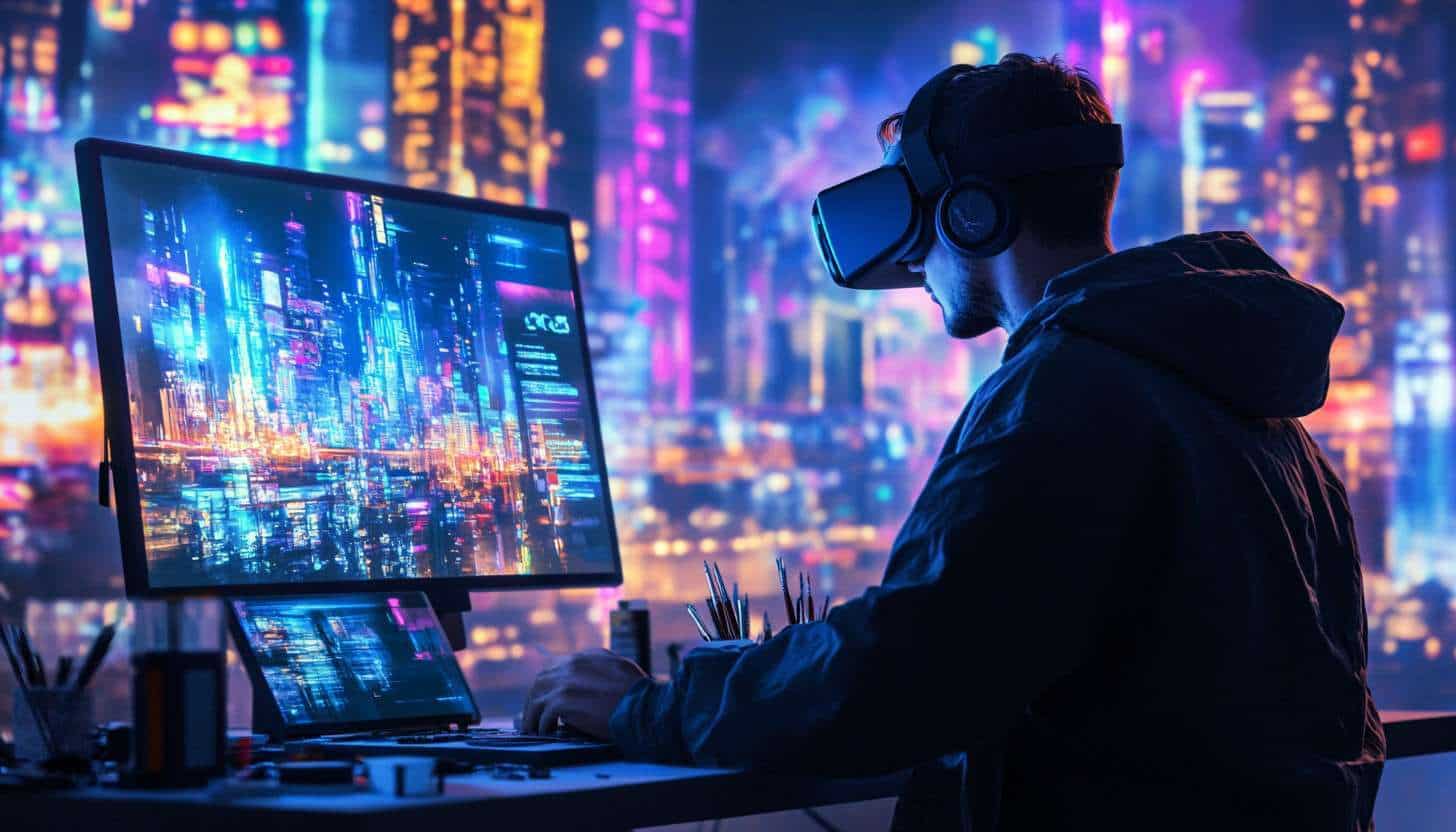
The world of design changes. New tools emerge. AI image generation stands at the forefront of this shift. Designers face a landscape transformed by technology. They must adapt or risk becoming obsolete. This is not a time for hesitation. It is a time for action.
Designers are no longer just executors of ideas. They become creative strategists. Their role shifts from making to curating. They shape how machines create. This partnership opens doors to new possibilities. Those who embrace this change will thrive. The importance of adaptability cannot be overstated. In an AI-driven world, flexibility fuels success.
As we explore this topic, we will uncover what it means to be a designer today. We will look at the tools that can enhance creativity. We will examine the skills needed to navigate this evolving landscape. The future awaits. It is time to engage with it.
The Rise of AI Image Generation
AI image generation refers to the use of artificial intelligence to create images from text prompts or existing visuals. This technology uses algorithms to analyze vast amounts of data. It learns patterns and styles, then generates new images based on that knowledge. Designers can input a simple phrase, and the AI produces unique visuals. This process opens doors for creativity. It allows artists to explore concepts quickly. The blend of human input and machine learning results in unexpected outcomes.
Several platforms have emerged as leaders in this field. Tools like DALL-E and Midjourney allow users to create stunning visuals with just a few words. These platforms attract graphic designers and digital artists alike. They provide a fresh approach to artistic collaboration. Designers can use these tools to generate ideas or enhance their work. The efficiency of AI image generation changes the way creatives approach projects. It encourages experimentation and innovation.
The integration of AI in design does not replace the artist. Instead, it offers new possibilities. Designers can curate and refine the outputs from AI. They can add their touch, making the final product uniquely theirs. This shift in workflow emphasizes the importance of human creativity. Technology in design serves as a partner, not a competitor. The relationship between designers and AI will continue to evolve.
As designers embrace this technology, they gain new insights. They learn to navigate the balance between automation and artistry. The rise of AI image generation reshapes the creative landscape. It challenges artists to adapt and grow. In this age of innovation, the potential is vast. The future of design is bright, filled with endless possibilities for those ready to take the leap.
Shifting Roles: From Executors to Curators

AI is changing the game for designers. Once, they executed ideas. Now, they curate them. The tools designers used are evolving. They now include algorithms and data-driven insights. This shift means designers must adapt. They must think differently about their role in the creative process. Instead of focusing solely on execution, they now guide AI to enhance their vision.
This new role demands a keen eye. Designers sift through AI-generated options. They select what best fits their narrative. Their expertise becomes vital in this partnership with machines. An artist might use AI to generate thousands of images based on a prompt. The designer then chooses a handful that resonate. This collaborative effort fosters innovation in art. It blends human intuition with machine capability.
Curation also brings depth to the creative process. Designers are not just selecting images; they are weaving stories. Each choice reflects their understanding of context and emotion. They interpret what AI produces and shape it into something meaningful. This process requires a new set of skills, emphasizing critical thinking and aesthetic judgment.
As designers embrace this change, they find new opportunities. They can explore uncharted territories in their work. With AI as an ally, they push boundaries. They redefine what it means to create. This human-AI partnership opens doors to fresh ideas and perspectives. It challenges designers to elevate their craft while remaining true to their artistic vision.
Case Studies: Successful Collaborations
Designers today find new partners in artificial intelligence. They embrace AI image generation tools to enhance their work. One notable example is the collaboration between a fashion designer and an AI platform that generates unique patterns. The designer inputted ideas and preferences. The AI produced a range of designs. This partnership allowed the designer to explore options beyond their usual style. They discovered fresh trends that resonated with audiences.
Another example comes from a graphic artist who used AI to create a digital mural for a public space. The artist fed the AI data about local culture and history. The tool generated several vibrant concepts. Each concept reflected the community’s essence. The artist selected elements from different designs to craft a cohesive piece. This fusion of human creativity and machine learning resulted in a work that engaged viewers and told a story.
These collaborations reveal valuable insights. Designers can leverage AI as a source of inspiration rather than a replacement. They can curate outcomes that blend technology with their vision. The process fosters innovation and opens doors to new design trends. As designers learn to navigate these tools, they shape the future of creativity. They become not just executors but also pioneers in an evolving landscape.
With each collaboration, designers gain confidence in using AI. They see it as an ally, not an adversary. This mindset shift will define the next wave of creative professionals. Embracing technology allows them to push boundaries and redefine their roles in the design world. As they adapt, they will continue to shape the future of creativity, one project at a time.
Embracing Innovation: New Artistic Movements

AI shapes new artistic movements. It pushes boundaries. Artists explore fresh ideas. They use AI tools to create unique pieces. The work often reflects a blend of human creativity and machine learning. This collaboration fosters innovation. Traditional art forms meet technology. Artists no longer work in isolation. They partner with algorithms, creating something original.
One example is generative art. Artists like Refik Anadol use AI to transform data into visual experiences. His installations incorporate vast amounts of data. They change in real time, creating an immersive experience for viewers. This use of technology blurs the lines between artist and audience. It invites interaction and engagement. The audience becomes part of the creative process, experiencing art in a new way.
Another movement is AI-driven fashion design. Brands like Balenciaga experiment with AI to generate new clothing patterns. Designers input parameters, and the AI produces unique designs. This method accelerates the creative process. It allows designers to focus on curation rather than execution. They become guides in a landscape shaped by technology, directing the flow of inspiration.
Technology acts as a catalyst for creativity. It opens doors to unexplored possibilities. Designers and artists embrace this change, adapting their practices. They do not resist; they innovate. These new movements reflect a shared journey between human and machine. This partnership defines the future of art and design. As they embrace AI, they discover a world rich with potential and opportunity.
The Skills Designers Need in the Age of AI
Designers must adapt to a new landscape. AI image generation reshapes how they create and present work. The skills they need now extend beyond traditional design principles. They must understand technology, data analysis, and user experience. These elements drive modern design. Familiarity with AI tools becomes essential. Designers should know how to use these tools effectively. They can leverage AI to enhance their creativity, not replace it.
Continuous learning is vital. The design field evolves quickly, especially with AI advancements. Designers must stay updated on trends and tools. Online courses, workshops, and webinars offer great resources. Engaging with the community fosters growth and inspiration. Designers can share insights and learn from peers. This exchange of knowledge strengthens their skills and adaptability.
Collaboration plays a significant role too. Designers should work with technologists and developers. This teamwork opens new avenues for creativity. It also helps them understand the capabilities and limitations of AI image generation. By collaborating, they can push boundaries and create innovative solutions. Embracing diverse perspectives enriches the design process.
In this age of AI, designers must embrace change. They must remain curious and willing to learn. This mindset will prepare them for challenges ahead. With the right skills, they can thrive in an AI-driven world. Their creativity will shine brighter, fueled by technology and collaboration. The future is bright for those who adapt and grow.
Ethical Considerations in AI-Driven Design

AI image generation brings a wave of possibilities. Designers can create stunning visuals quickly. Yet, this speed raises questions. Who owns the artwork? If an AI generates an image based on existing works, where does the line blur? The artist’s original intent may get lost. Each click can lead to a creation that feels new yet echoes familiar ideas. Designers must think about these implications as they embrace AI tools.
The balance between creativity and responsibility is delicate. A designer uses AI to enhance their work. They draw inspiration from many sources. But what if an AI-generated piece closely resembles another artist’s work? This situation can spark disputes. The designer faces a choice: push boundaries or respect originality. They need to ask themselves how to navigate these murky waters while maintaining integrity in their craft.
Consider a designer who uses an AI tool to generate logos. The software pulls from vast databases of existing designs. The result may be innovative, but it could also mimic established brands. Such occurrences raise ethical concerns. Designers must prioritize transparency in their process. They should inform clients about the role AI plays in their creations. This clarity builds trust and fosters a culture of accountability.
As designers adapt to these new tools, they must also embrace ethical practices. Continuous reflection on the impact of their work is essential. They must strive to create without losing sight of their responsibilities. In doing so, they not only protect their own careers but also contribute positively to the broader design community. The future holds promise, but it demands careful consideration from those who wield these powerful tools.
Future Prospects: What Lies Ahead for Designers?
Designers stand on the brink of change. AI image generation reshapes their roles. This shift brings both challenges and opportunities. As tools evolve, so must the designers who use them. They can no longer rely solely on traditional skills. They must adapt and grow. The future holds new paths for those willing to embrace it.
Collaboration between humans and AI will redefine the creative process. Designers will shift from mere executors to strategic thinkers. They will curate ideas and refine concepts. This new role requires understanding AI’s capabilities. Designers must learn to guide AI, not just follow its lead. Those who master this relationship will find themselves in demand.
Emerging technologies open doors to fresh career paths. Data visualization experts will become vital as businesses seek clarity in complex information. Interactive designers will thrive as virtual and augmented reality gain traction. The demand for unique, immersive experiences will grow. Designers can position themselves at the forefront of these movements.
The future is bright for adaptable designers. They will harness AI to enhance their creativity. New artistic movements will emerge from this collaboration. As they explore these avenues, they will discover untapped potential within themselves. Embracing change can lead to innovation and growth in ways previously unimagined. The journey ahead promises to be exciting and full of possibility.
Embracing Change and Creativity
Designers stand at a crossroads. AI image generation reshapes the landscape. The role of the designer shifts from mere executor to thoughtful curator. This change demands new skills and a fresh mindset. Designers must learn to adapt. They must embrace technology, not fear it. Collaboration with AI can spark new ideas. It can open doors to creative possibilities that were once out of reach.
The future holds promise. Designers who welcome this change will thrive. They will find innovative ways to express their vision. By using AI as a tool, they can enhance their creativity. The path forward is clear. Embrace AI. Use it to fuel your imagination. The age of AI is here. Step into it with courage and curiosity.
Related Articles

Self Hosted AI Starter Kit for Secure Local AI Workflows
A self hosted ai starter kit gives small businesses, marketers, and creators a practical path to powerful AI without sending every prompt or file to a cloudR…
Read more
Tiny Script Generator: How to Choose Fast, Focused AI Writing
A tiny script generator can be a smarter AI writing choice when you need one focused job done quickly and consistently. “Tiny” describes its narrow, purpose-…
Read more
Discover the Top Titan Blogs for Space Enthusiasts and Explorers
Titan, Saturn’s largest moon, captivates the imagination of space enthusiasts around the world. Its thick atmosphere, vast lakes of liquid methane, and in…
Read more