
Exploring Different Kinds of AI: Your Comprehensive Guide to Technologies
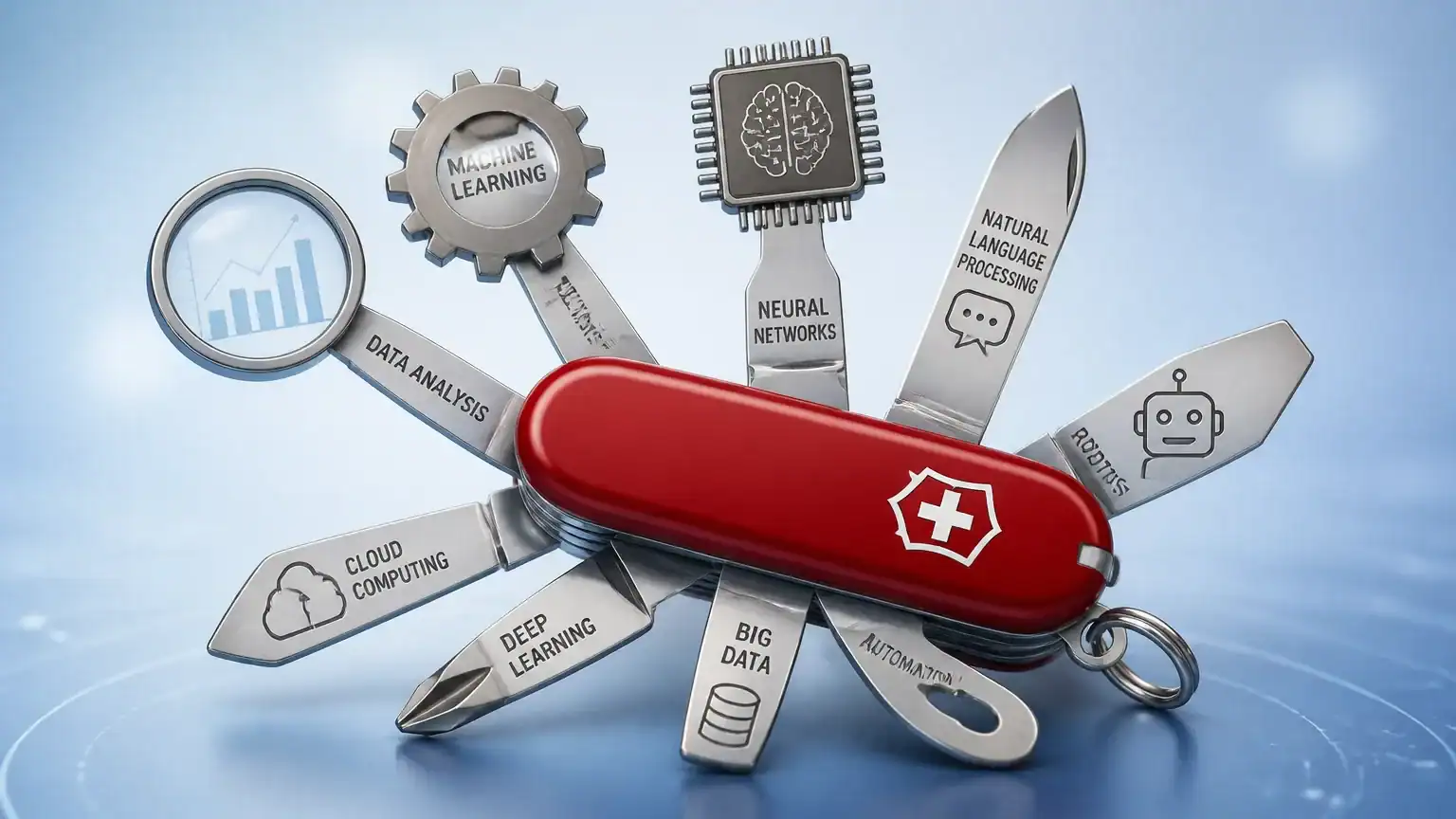
Artificial Intelligence (AI) is not just a buzzword; it’s a game changer reshaping the landscape of various industries. From marketing to manufacturing, understanding the different kinds of AI can be the key to unlocking new efficiencies and innovations tailored to specific needs. Imagine AI as a Swiss Army knife—each tool designed for a particular task, ready to transform your business operations.
As we dive deeper into the world of AI, it’s crucial to grasp its growing significance for business owners, marketers, and creators alike. For instance, a small business might use predictive analytics to forecast sales trends, while a large corporation could implement machine learning algorithms for customer segmentation. Both are leveraging AI, but in distinctly different ways.
This rapid transformation in the business landscape means that staying informed about the different kinds of AI is more important than ever. Whether you’re a marketer looking to enhance engagement or a creator aiming to streamline production, there are AI solutions tailored just for you. One resource to consider is Aivolut, which offers insights into how AI can be integrated into your strategies.
In this guide, we’ll explore various AI technologies, providing a comprehensive overview to help you find the right fit for your unique challenges and goals. So buckle up—let’s embark on this enlightening journey into the fascinating world of AI!
1. Narrow AI: The Most Common Type
Narrow AI, often referred to as weak AI, is like the overachieving student in a classroom, excelling in specific subjects but struggling with everything else. This type of AI is designed to perform particular tasks efficiently, making it the most prevalent form of artificial intelligence in our daily lives.
Take chatbots, for example. These digital assistants can answer customer inquiries 24/7, providing instant responses that make businesses feel like they have a dedicated team working around the clock. Whether you’re asking about store hours or trying to troubleshoot a product, chatbots are there to help—much like that friend who’s always ready to jump in with a solution, even if they can’t cook a meal to save their life.
Virtual assistants like Siri or Alexa are another prime example of narrow AI. They can set reminders, play your favorite songs, or even tell a joke (though their humor might need some work). They excel at these tasks but can’t debate philosophy or calculate the meaning of life—sorry, Hitchhiker’s Guide fans.
Recommendation systems, such as those used by Netflix or Amazon, also fall into this category. They analyze your preferences and suggest movies or products tailored just for you. It’s like having a personal shopper that knows your taste better than your best friend, always ready to recommend that next binge-worthy series or must-have gadget.
In essence, narrow AI is all around us, making lives easier and businesses more efficient, one task at a time.
2. General AI: The Future Frontier
General AI, often considered the holy grail of artificial intelligence, aims to perform any intellectual task that a human can do. Imagine a digital colleague who can brainstorm ideas, compose symphonies, and even whip up a marketing strategy—all while brewing your morning coffee. Sounds like a dream, right?
However, we must tread carefully here. General AI remains largely theoretical and speculative. Researchers are still debating how to create machines that can truly think, reason, and understand complex concepts like humans do. Think of it as trying to build a robot that can not only play chess but also enjoy a good cup of tea while discussing the latest novel.
The implications of achieving General AI are profound, especially in creative industries. Picture a world where AI can generate unique art pieces or write compelling scripts that rival Hollywood’s finest. This could reshape the landscape of creativity, allowing artists and marketers to focus on high-level strategic decision-making while leaving the repetitive tasks to AI.
Moreover, in marketing, General AI could analyze consumer behavior and trends with a finesse that outstrips human capabilities. It could predict what you want before you even know you want it—like a psychic but with a PowerPoint presentation.
While we’re not there yet, exploring the potential of General AI is like peering into a fascinating crystal ball. The possibilities are endless, and the future could be incredibly exciting.
3. Machine Learning: A Subset of AI
Machine Learning (ML) is like giving computers a pair of glasses so they can see patterns in data. Instead of being programmed with specific instructions, ML systems learn from data and improve their performance over time. Imagine teaching a child to ride a bike; they might fall a few times, but with practice, they get better at it—just like an ML algorithm.
One of the standout features of Machine Learning is its power in predictive analytics. For marketers, this means being able to forecast customer behavior more accurately than a weather app predicting a sunny day. By analyzing past data, ML can help businesses anticipate what products consumers might want next. It’s like having a crystal ball that reveals trends before they even unfold.
Targeted advertising is another area where ML shines. Instead of throwing spaghetti at the wall to see what sticks, businesses can serve ads to the right audience at the right time. Think of it as a tailored suit versus an off-the-rack one; one fits perfectly, while the other is just okay. With ML, marketers can segment their customers based on behavior, interests, and demographics, ensuring that their message resonates.
In short, Machine Learning is a game-changer for marketers and business owners. By harnessing its capabilities, they can create more personalized experiences, improve engagement, and ultimately drive sales. It’s not just about working harder; it’s about working smarter with the different kinds of AI at our disposal.
4. Natural Language Processing: AI That Understands Us
Natural Language Processing (NLP) is like having a translator for our everyday conversations, but instead of translating languages, it decodes our human language for machines. This technology enables computers to understand, interpret, and generate human speech and text. Imagine chatting with a friendly robot that not only responds but gets your jokes—now that’s NLP at work!
In customer service, NLP is revolutionizing interactions. Chatbots equipped with this technology can answer questions, resolve issues, and even make recommendations. They’re like your favorite barista who remembers your usual order, but instead, they’re available 24/7. This means quicker responses and happier customers, making businesses more efficient while saving on costs.
Content creation is another area where NLP shines. Automated writing tools are increasingly sophisticated, helping writers generate articles, summaries, or even poetry. These tools are reshaping writing as we know it, allowing for faster production without sacrificing quality. Curious about how this is evolving? Check out the article on Automated Writing Tools Reshape Writing 2026.
Additionally, NLP can analyze vast amounts of data to gauge sentiment and trends. It’s like having an extra set of eyes that can sift through feedback and highlight what customers love or dislike. This insight helps businesses tailor their offerings and connect more meaningfully with their audience.
With NLP, we’re not just talking to machines; we’re building relationships. This is a prime example of how the different kinds of AI are enhancing our daily interactions and decision-making processes.
5. Robotics and AI: Automation of the Physical World
Robotics is revolutionizing the way we approach tasks in various industries. By integrating AI into robotics, businesses can enhance operational efficiency significantly. Think of robots as the overachievers in the workplace, tirelessly working alongside humans, tackling repetitive tasks with precision and speed.
In manufacturing, robots equipped with AI can monitor production lines, detect defects, and even predict maintenance needs before something goes wrong. Imagine a factory where machines communicate seamlessly, decreasing downtime and boosting productivity. It’s like having a personal assistant who not only knows your schedule but also anticipates when you’ll need a coffee break!
Logistics is another area where AI-powered robotics shines. Automated delivery drones and self-driving vehicles are emerging as the delivery heroes we didn’t know we needed. They navigate complex environments, ensuring packages arrive at our doorsteps faster than ever. Picture a drone zipping through the sky, delivering your online shopping with the grace of a ballet dancer—minus the tutu, of course.
Customer service is also getting a robotic facelift. AI-driven robots can assist customers in stores, answering questions and providing recommendations. It’s like having a friendly guide who never gets tired of repeating answers, even if you asked the same question for the fifth time.
As we explore different kinds of AI, it’s clear that robotics is not just about replacing manual labor. It’s about amplifying human capabilities, allowing us to focus on the creative and strategic tasks that truly drive innovation.
Embracing AI Technologies for Business Success
As we wrap up our exploration of the different kinds of AI, it’s clear that understanding these technologies is not just a luxury; it’s a necessity for business owners and marketers aiming for success. Investing in AI can yield significant advantages, transforming how you engage with customers and streamline operations. Think of AI as your trusty sidekick—always ready to help you make smarter decisions.
By grasping the nuances of AI types, you can tailor your strategy to fit your unique challenges. For example, if you choose to implement natural language processing, your customer interactions can become more meaningful, almost like having a heartfelt chat over coffee rather than a stiff boardroom meeting. This level of personalization can enhance customer satisfaction and loyalty.
Moreover, embracing AI isn’t just about keeping up with trends. It’s about setting yourself apart in a crowded marketplace. By leveraging technologies like machine learning or robotics, you can not only improve efficiency but also focus on creative strategies that drive growth. It’s about working smarter, not harder.
So, why not take the plunge? Start by integrating AI into your business strategies today. For more insights on how to connect with your audience effectively, check out the Customer-Centric Value Proposition That Converts. Remember, the future is bright for those who embrace these innovations. The world of AI is vast, and it’s waiting for you to explore!
Related Articles

Is Character AI Generative AI? How It Works and What It Creates
Is Character AI generative AI? Yes. It creates original text responses from your prompts, conversation context, and patterns learned during training. Instead…
Read more
I for One Welcome Our AI Overlords: Meaning, Origin, and AI Culture
“I for one welcome our AI overlords” sounds like a joke because it is one—usually. The phrase signals ironic enthusiasm, reluctant acceptance, or humorous su…
Read more
What Are AI Skills? Essential Abilities for Today’s Workplace and Business
If you’ve wondered, what are AI skills, the answer goes beyond coding or building robots. AI skills are the practical abilities to understand what AI can do,…
Read more