
Google’s Efforts to Combat AI-Generated Deepfakes
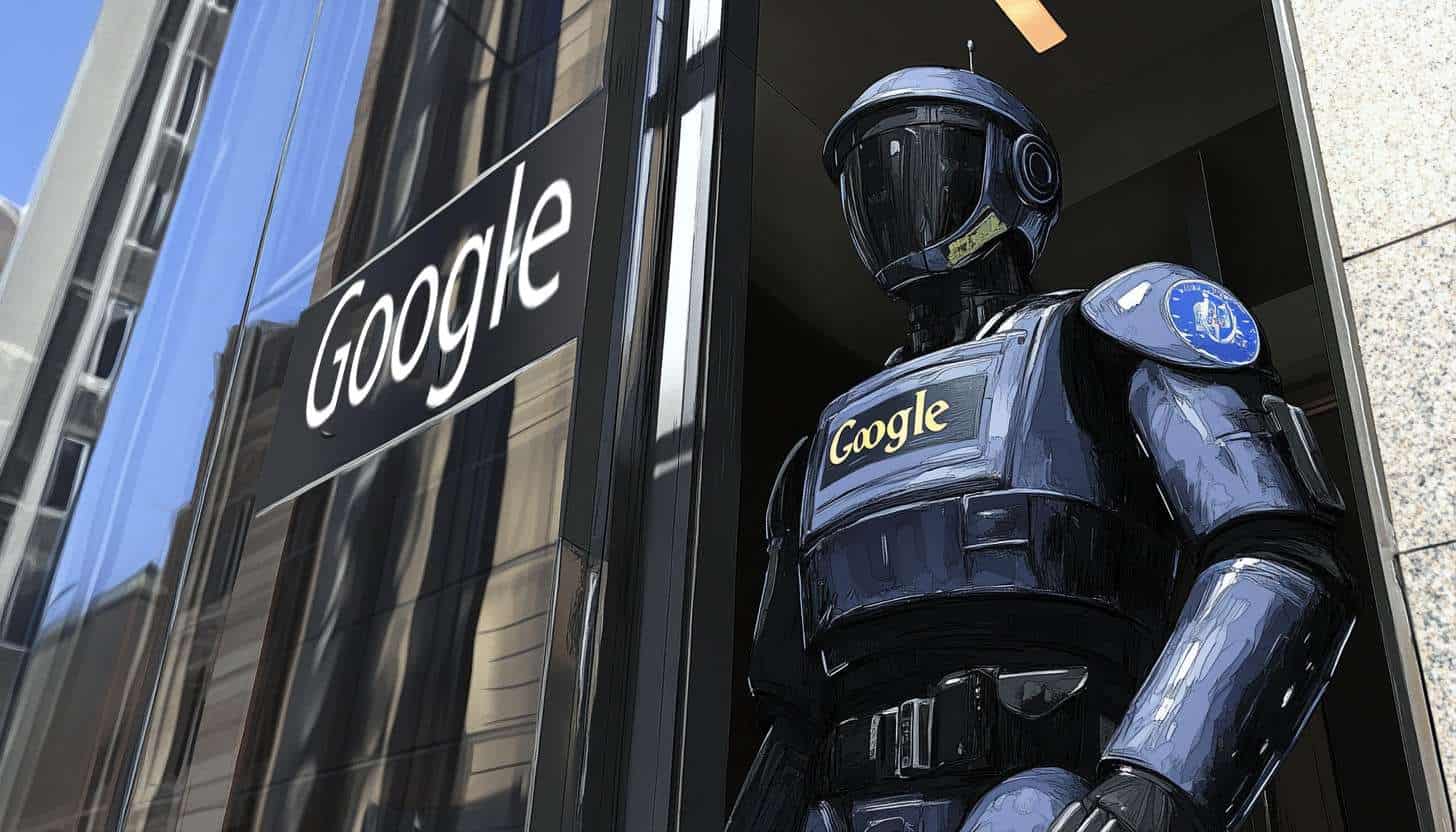

Deepfakes, those eerily realistic fake videos, and images created using artificial intelligence, have been popping up everywhere since the best AI tools came out. Have you ever seen a video of a well-known figure saying something outrageous, only to find out later that it was totally fake? That's the power—and danger—of deepfakes. They can spread misinformation, damage reputations, and even threaten national security, and this is one of the alarming facts about AI image misinformation.
This digital trickery is becoming more sophisticated by the day, so what’s being done to fight back? Enter Google. The tech giant is stepping up to address this growing issue head-on. By making it easier for users to identify AI-generated content in their search results, Google aims to bring more transparency to the web. But how exactly are they doing this? Let’s look into Google's strategy and what it means for all of us navigating an increasingly digital world.
Google's Approach to AI-Generated Images
Google recently decided to flag AI-generated and—edited images in its search results. This bold move aims to tackle the growing problem of deep deceptive fakes flooding the internet and have integrity in the age of AI. When users look for images on Google, they might encounter pictures altered by artificial intelligence without obvious signs of tampering. By clearly labeling these images, Google helps people stay informed about what they're viewing. This step is intended to give users the tools they need to differentiate between genuine photos and those created or altered by advanced algorithms.
Transparency plays a crucial role here. Users who know AI has modified an image are less likely to be misled or manipulated. Imagine coming across a photo of a political leader seemingly partaking in controversial activities—without knowing it's a fake, it could easily sway public opinion unfairly. Google's approach ensures that such content comes with a clear label, offering transparency that’s sorely needed in today's digital landscape where misinformation can spread like wildfire.
User awareness is another key benefit of this initiative. As more people understand which images are flagged as AI-generated, they become more critical consumers of digital content. This heightened skepticism helps combat the spread of false information overall because informed individuals will question dubious sources and imagery before accepting them at face value. Google's efforts act as both an educational tool and a protective barrier against deepfake manipulation, fostering an online environment where authenticity matters more than ever before.
C2PA Metadata: A Key Limitation
C2PA, or the Coalition for Content Provenance and Authenticity, is a framework designed to track the origins and alterations of digital media. It acts as a digital signature that traces back every edit made to an image or video. By embedding metadata within files, C2PA allows anyone to check if a photo has been tampered with, making it easier to spot AI-generated deepfakes. In essence, this metadata can flag manipulated content by showing a detailed history of its edits.
However, widespread adoption and implementation of C2PA face significant challenges. Not every platform supports this metadata standard yet. Even if they did, bad actors could easily strip out the metadata before sharing manipulated images online. Think about it like removing fingerprints from a crime scene; it's effective for hiding evidence unless there's robust enforcement to ensure compliance across all platforms. Users also need education on reading and understanding this information, which adds another layer of difficulty.
Google aims to navigate these complications without outright banning AI-generated images. Instead of throwing out all AI-created content—some of which may be perfectly benign or even valuable—they focus on transparency for users. When searching online, you might come across notifications alerting you that an image has been identified as AI-manipulated based on its C2PA data. This method puts the power into the users' hands, letting them decide what information to trust.
Potential Impact and Future Directions
Google's initiative to flag AI-generated images can drastically change the landscape of digital authenticity. By marking which images are generated or edited by AI, Google provides a vital tool for users who want to discern genuine from manipulated content. This step could greatly reduce the spread of misinformation and manipulation that deepfakes often facilitate. For example, when individuals see a viral image tagged as AI-manipulated, they might think twice before believing and sharing it. The level of transparency introduced here serves as an important check against deceit.
From this foundation, many exciting future directions come into view. One promising possibility is the widespread collaboration between tech companies to create universal standards for identifying AI-generated content. Imagine various platforms—like social media networks and news websites—adopting similar labeling practices due to Google's lead. Such consistency across platforms would reinforce user confidence globally, making it harder for harmful deepfakes to thrive anywhere on the web.
Additionally, advancements in AI detection algorithms hold great potential. As researchers refine these technologies, they can become increasingly adept at spotting even the most sophisticated fake media automatically. Moreover, incorporating machine learning could lead to smarter systems that continuously learn from new data and improve their accuracy over time. This evolution represents not just a countermeasure but potentially staying ahead in the ever-changing battle against deceptive AI content.
Another frontier is public education on recognizing and understanding deepfakes. Educational campaigns spearheaded by tech giants like Google can enhance digital literacy among everyday users, empowering them with knowledge about both the technology underlying deepfakes and ways to identify suspect media themselves. combining technological solutions with informative outreach paints a comprehensive picture of future endeavors capable of mitigating the impact of these advanced manipulations on society.
Looking Ahead: The Battle Against Deepfakes
Google's initiatives to flag AI-generated and edited images show a vital step towards combating the spread of deep fakes. By highlighting transparency and user awareness, they provide users with essential tools to distinguish between real and manipulated content. Despite its limitations, the use of C2PA metadata marks progress in identifying AI-altered images without outright banning them.
The battle against deepfakes has only just started. As technology keeps getting better, it's really important for researchers and developers to work together to stay ahead of new problems. Google is doing a lot to help, but it's going to take all tech companies, researchers, and policymakers working together to make sure the things we see online can be trusted. This ongoing work is going to change how we experience online content in the future. The big question is: can detection keep up with fake images?
Related Articles

Industrial AI: Applications, Benefits, and Real-World Challenges Explained
Imagine a production line that pauses for maintenance before a motor fails—not after sparks fly and orders pile up. That is industrial AI in action: using ma…
Read more
AI for Engineers: 9 Practical Ways to Improve Daily Workflows
AI for engineers is less about handing over the controls and more about removing friction from the workday. Used well, AI can summarize technical discussions…
Read more
AI Architecture Diagram: Key Components and How to Read Them
A business owner opens an AI architecture diagram and sees boxes labeled “model,” “API,” “database,” and “workflow.” It looks a little like a subway map desi…
Read more