
Grok-2’s AI Image Generator: Innovation or Ethical Crisis?
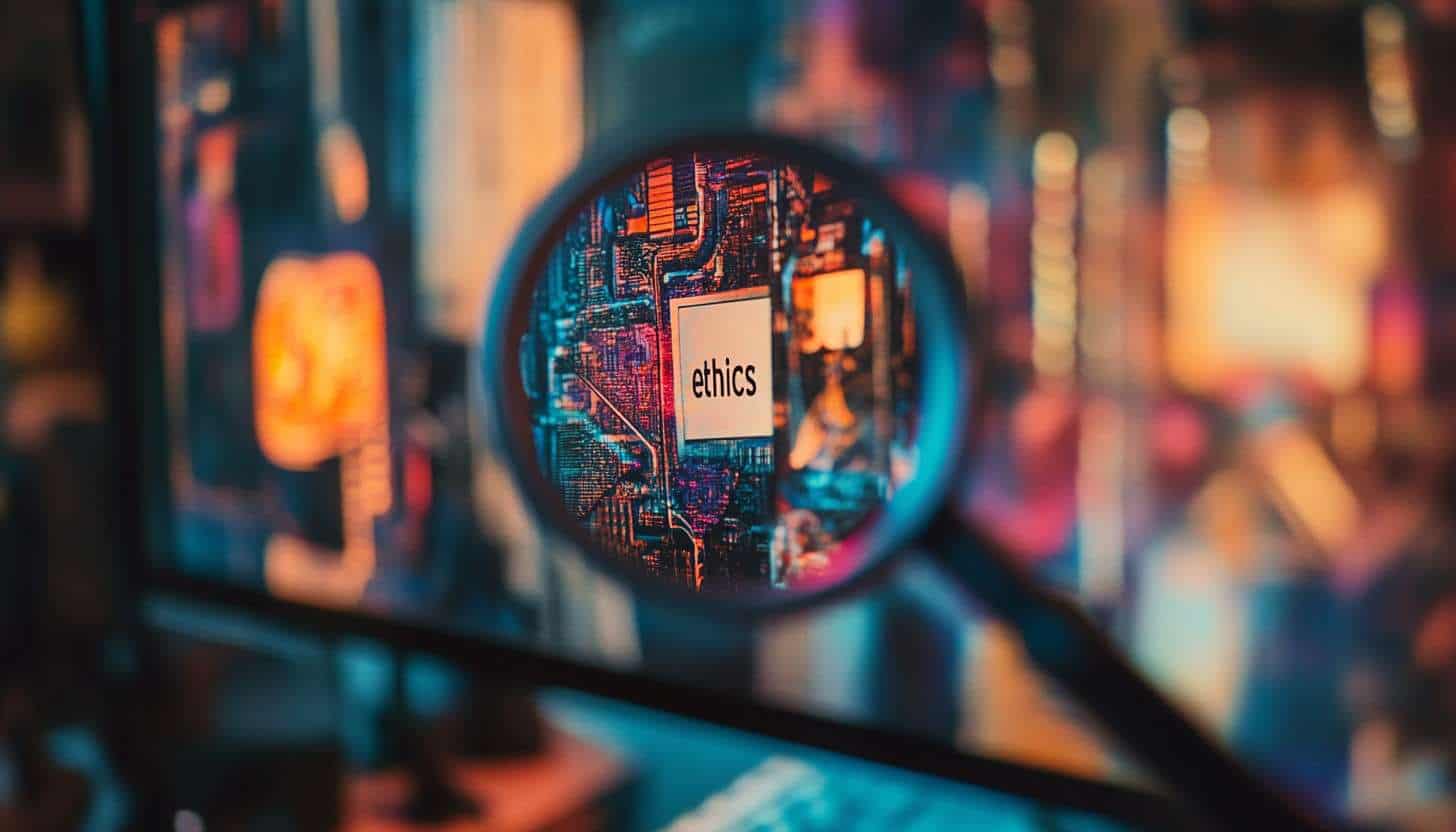

Elon Musk's xAI has done it again. They have just launched a new AI image generator on the Grok chatbot. This tool allows users to create and post images directly to X with minimal restrictions. The tech world is buzzing about this latest innovation.
This powerful tool offers both promise and peril. On one hand, it could revolutionize how digital artists and marketers create content. Users can produce high-quality images quickly and easily share them on social media platforms. But what's the catch? There are growing concerns about misuse, potentially turning this breakthrough into an ethical crisis.
As we dig deeper, we'll explore both sides of the coin. Can this new technology truly benefit users without leading to harmful consequences? Keep reading to discover whether Grok's AI image generator represents groundbreaking progress—or a looming ethical disaster.
Capability and Functionality
Grok-2's AI image generator is designed with the user in mind. It boasts an intuitive interface that even a beginner can navigate easily. You don't need to be a tech guru to create stunning visuals. Just type your ideas into Grok, and watch them come to life in seconds. This tool doesn't just simplify the process; it revolutionizes it.
The seamless integration with social media platforms like X (formerly Twitter) makes sharing these creations a breeze. With a few clicks, you can post directly from Grok without switching apps or saving files to your device. This streamlined experience saves time and keeps users engaged on their preferred platforms.
One of Grok-2’s standout features is its ability to generate high-quality images at lightning speed. Traditional methods required hours, if not days, of painstaking effort. Now, you can produce professional-grade images within moments. The quick turnaround doesn't compromise quality; each image is sharp, vibrant, and ready for whatever use case you have in mind.
These capabilities make Grok-2 a versatile powerhouse in digital content creation. The AI image generator effectively and efficiently meets diverse needs, from casual users wanting fun graphics for personal use to professionals needing polished material for marketing campaigns.
Potential Benefits
Grok-2's AI Image Generator offers digital artists a new level of creative freedom with minimal limitations; some might say it's one of the best AI image generation models. Artists can now easily produce intricate and innovative designs without needing extensive resources or time. This technology allows them to push boundaries and experiment with different styles while focusing on their unique vision. The tool also opens up opportunities for artists who might not have access to expensive software or the technical skills required to use traditional design tools.
Marketers stand to gain as well. The AI generator significantly speeds up content creation, allowing them to meet tight deadlines more efficiently. Marketers can generate high-quality images in minutes instead of spending hours conceptualizing and designing. This boost in productivity can lead to more dynamic marketing campaigns, helping brands stay fresh and relevant in a competitive market.
Another major benefit is enhanced user engagement. Social media platforms thrive on visual content, which drives higher interaction rates than text-only posts. This AI image generator allows social media managers to quickly create captivating visuals that attract likes, shares, and comments. With engaging images readily available, users are more likely to interact with posts, increasing overall engagement metrics.
Moreover, streamlining image creation can democratize content production across various fields. Freelancers and small businesses can compete with bigger companies by effortlessly generating professional-grade visuals. This equalizes opportunities regardless of scale or budget constraint, making it easier for anyone with a good idea to make a powerful impact online.
Content Moderation Issues
Grok-2's AI image generator offers impressive capabilities but comes with serious concerns over content moderation. There are no strong safeguards to prevent the creation and distribution of abusive or inappropriate images. Anyone could use this tool to generate harmful or offensive content, potentially causing emotional distress to individuals targeted by these images. This lack of moderation can lead to widespread harm in digital spaces that foster positive interactions.
Another major issue is the potential surge in deepfakes and misleading images. With Grok-2's sophisticated AI generating high-quality visuals at lightning speed, bad actors can easily create and spread false information. Such misuse can wreak havoc by distorting public perception, manipulating opinions during political campaigns, or sabotaging someone's personal and professional reputation. The speed at which these images can circulate poses a threat that’s hard to contain once an AI image misinformation goes viral.
The risk of online harassment also spikes with unrestricted use of this technology. Harassers might exploit Grok-2's features to create defamatory or intimidating images aimed at their targets. Social media platforms could see a rise in cases where users feel unsafe or bullied because harmful content is shared widely without any preventative measures in place. These situations affect individual well-being and damage people's overall trust in online communities.
Ethical Concerns
Grok-2's AI image generator presents some serious ethical issues. Firstly, it can quickly spread misinformation. Imagine a political campaign where false images are rapidly produced and shared. This could mislead voters and skew public opinion in harmful ways. The tool’s ability to create near-perfect replicas of real-world scenes makes distinguishing fake from genuine content challenging.
Another pressing concern involves intellectual property rights. Digital art is labor-intensive, and artists invest countless hours into their creations. If an AI can churn out similar pieces in seconds, do those new images infringe on the original works? There's a fear that this technology may devalue artistic effort by flooding the market with cheap imitations.
Then there’s the question of morality in imaging use without boundaries. Should anyone be able to generate any image they want? What happens when these images contain violent or explicit material? While creative freedom is essential, unrestricted use opens Pandora’s box of potential harm, challenging our moral compass and responsibility as digital citizens.
Regulatory Challenges
Grok-2's AI image generator illuminates the glaring absence of laws surrounding AI-generated content. Right now, there are no clear guidelines to manage what the technology can or can't produce. This legal gray area leaves users and companies in uncharted waters. Without robust regulations, harmful content can slip through the cracks unnoticed. Experts believe that setting up comprehensive rules is crucial for protecting online environments.
Many voices in the tech world are calling for new regulations to ensure the ethical use of AI tools like Grok-2. They argue that we need laws that clearly define acceptable uses and outline penalties for misuse. One significant concern is the potential misuse of this tool to create deep fakes, which could lead to serious consequences if not controlled by law. Pioneers like Elon Musk think these safeguards will pave the way for safer innovation.
In addition to national efforts, international cooperation is essential. Technology knows no borders; hence, issues arising from such innovation aren't confined to one country. Policymakers around the globe must collaborate to set standard practices, ensuring balanced development across regions. If one country has strict policies while another has none, enforcement becomes tricky, and gaps emerge that malicious actors can exploit.
Future Prospects
The potential for improving moderation technology using AI is immense. Advanced algorithms could detect and filter harmful content before it reaches the public eye. These AI systems could be trained to recognize offensive imagery, hate speech, and deepfakes. By integrating such technology directly into platforms like Grok-2's image generator, we could reduce many ethical and safety issues currently posed by unrestricted image creation.
There's a growing interest in establishing responsible usage standards within the tech industry. Several organizations are already advocating for clear guidelines on how to use AI responsibly. This interest isn't just theoretical; companies like xAI might soon collaborate with ethical watchdogs to draft comprehensive policies. Public pressure and increasing awareness about digital ethics might drive these efforts forward at an accelerated pace.
Anticipated developments point toward safer, more regulated tools shortly. Policymakers worldwide can draft new laws tailored specifically to govern AI-generated content. While it will require international cooperation, such regulations will provide a framework that balances innovation with responsibility. Big players in the tech world will likely play a crucial role in shaping these standards to foster both technological growth and user protection.
Overall, embracing these prospects could lead us toward a future where technologies like Grok-2’s AI image generator operate within a safe, well-regulated environment. This balance between innovation and ethical responsibility will be critical moving forward. It offers hope for harnessing cutting-edge tech without compromising societal values or safety.
Final Thoughts
Grok's AI image generator shows vast potential. It offers exciting opportunities for artists and marketers alike. But we can't ignore the risks it brings. Issues like misinformation and intellectual property theft need attention.
Balancing innovation with ethical responsibility is crucial. We must support new technologies while ensuring they are used responsibly. This ongoing conversation will shape the future of tools like Grok's AI image generator, impacting creativity and online safety.
Related Articles

Industrial AI: Applications, Benefits, and Real-World Challenges Explained
Imagine a production line that pauses for maintenance before a motor fails—not after sparks fly and orders pile up. That is industrial AI in action: using ma…
Read more
AI for Engineers: 9 Practical Ways to Improve Daily Workflows
AI for engineers is less about handing over the controls and more about removing friction from the workday. Used well, AI can summarize technical discussions…
Read more
AI Architecture Diagram: Key Components and How to Read Them
A business owner opens an AI architecture diagram and sees boxes labeled “model,” “API,” “database,” and “workflow.” It looks a little like a subway map desi…
Read more