
How Deepfake Applications Are Changing Marketing
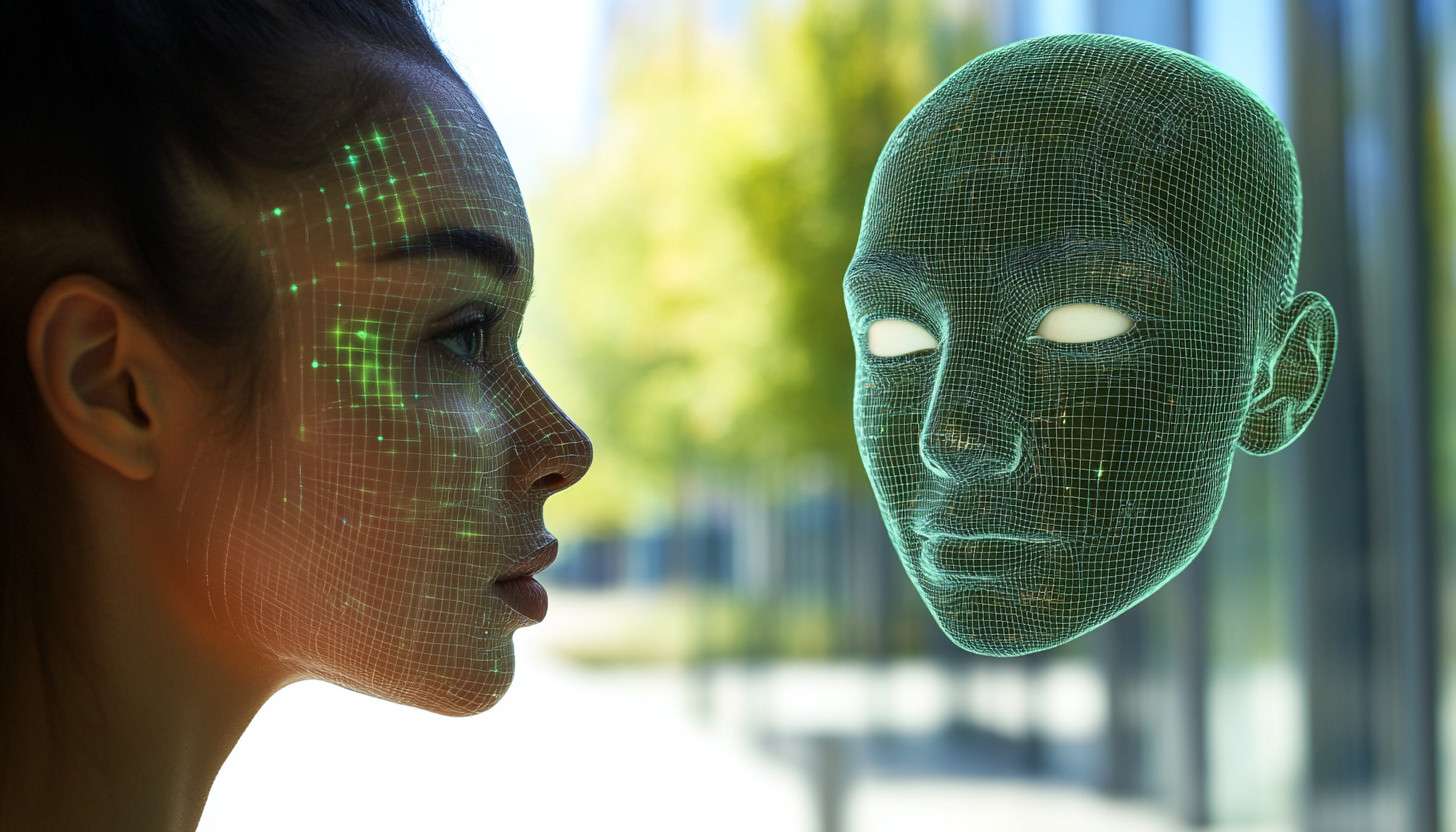
Deepfake technology has rapidly evolved over the past few years, transforming the way we interact with digital content. As deepfake applications gain traction, they present unique opportunities for marketing innovation that can reshape consumer engagement.
Understanding deepfake applications in marketing is crucial for brands seeking to stay ahead in a competitive landscape. These immersive advertising techniques not only captivate audiences but also challenge traditional marketing strategies, making it essential for marketers to explore their potential.
What Are Deepfake Applications?
Deepfake applications utilize artificial intelligence to create realistic digital content. This technology allows for the manipulation of images, audio, and videos to produce altered versions that can convincingly mimic real people. By analyzing vast amounts of data, deepfake applications can generate content that appears authentic, making it a powerful tool in various sectors, including marketing.
In marketing, deepfake applications take many forms. For example, brands can create virtual spokespersons who deliver personalized messages to consumers. Another application involves digitally altering celebrity endorsements to resonate more with target audiences, enhancing brand personalization and consumer engagement in the process.
Beyond advertising, deepfake technology is also used in entertainment and education. In movies, filmmakers can resurrect the likeness of deceased actors for new roles or create seamless CGI effects. In educational settings, institutions might use deepfake applications to develop engaging training materials that simulate real-world scenarios.
The versatility of deepfake applications makes them appealing across industries. As technology evolves, marketers will likely find even more innovative ways to incorporate this tool into their strategies. Understanding these applications is crucial for brands aiming to stay competitive and relevant in today’s fast-paced digital landscape.
How Brands Use Deepfake Technology

Brands are increasingly adopting deepfake technology to create personalized advertising experiences. This innovation allows companies to tailor their messages directly to consumers’ preferences and behaviors. For instance, a clothing retailer can use deepfakes to showcase how a particular outfit looks on different body types, enhancing the shopping experience and driving sales.
Moreover, deepfake applications enhance storytelling by providing immersive content. Brands can create dynamic video campaigns that feature celebrity endorsements or even animated characters that resonate with their target audience. Exploring an AI tools directory can help businesses discover the best solutions for integrating deepfake technology into their marketing strategies effectively.
However, using deepfake technology comes with authenticity challenges. Consumers may question the genuineness of the content they encounter, leading to concerns about digital trust. Brands must navigate these challenges carefully to maintain credibility while leveraging the benefits of deepfake applications in marketing.
The successful use of deepfake technology lies in finding the right balance between personalization and transparency. Companies should strive to communicate openly about their use of deepfakes to build trust with consumers. By doing so, they can harness the power of deepfake applications while mitigating potential risks associated with authenticity.
Benefits of Deepfake Applications in Marketing
Deepfake applications have the potential to revolutionize how brands engage with their audiences. By leveraging AI technology, marketers can create tailored content that resonates with individual consumers. This personalization fosters a deeper connection, leading to increased engagement and a more memorable brand experience.
Moreover, deepfake applications offer significant cost advantages compared to traditional media production. Producing high-quality video content usually requires extensive resources, including actors, sets, and crew. With deepfake technology, brands can generate realistic visuals quickly and at a fraction of the cost, allowing them to allocate their budgets more efficiently.
Another benefit lies in the ability to iterate and test different marketing messages rapidly. Marketers can use deepfake applications to create multiple versions of an advertisement tailored to various demographics. Combining this approach with an AI image generator can further enhance visual content, ensuring brands deliver compelling and hyper-personalized advertisements.
As we look toward the future of marketing, deepfake applications will likely play an increasingly vital role. The ability to create engaging, personalized content will drive consumer interest and set brands apart in a competitive landscape. Embracing this AI technology responsibly can lead to innovative marketing solutions that not only captivate audiences but also enhance brand loyalty.
Ethical Considerations and Challenges

The rise of deepfake applications in marketing brings significant ethical considerations. Authenticity is a major concern among consumers when encountering personalized content. Many consumers may feel uneasy knowing that a brand could manipulate visuals or audio to create a fabricated message, leading to distrust.
Additionally, misinformation poses a serious challenge for brands leveraging deepfake technology. A well-crafted deepfake could mislead consumers, resulting in negative consequences for brand reputation. If a deepfake application misrepresents a product or service, it can trigger backlash and cause long-lasting damage to consumer trust.
Brands must navigate these ethical waters carefully. Transparency is key; companies should disclose when they use deepfake technology to create personalized content. As AI’s creative revolution continues to reshape digital marketing, brands must balance innovation with responsible practices to maintain authenticity.
In this evolving landscape, brands are encouraged to adopt ethical guidelines and best practices. This proactive approach can help minimize the risks associated with deepfake applications. By doing so, they can enjoy the benefits of innovation while maintaining consumer confidence and brand integrity.
Consumer Trust and Perception
Deepfake applications can significantly impact consumer trust. As these technologies become more prevalent, consumers may question the authenticity of the content they encounter. This skepticism can lead to distrust in brands that utilize deepfake applications, potentially damaging their reputations.
To mitigate these concerns, brands must prioritize transparency in their marketing efforts. Clear communication about the use of deepfake applications can help consumers understand the intention behind the technology. For instance, if a brand shares a promotional video created using deepfake applications, it should explicitly state this to avoid misleading viewers.
Engaging consumers through education can also strengthen trust. Brands can create informative campaigns that explain how deepfake applications work and their benefits. By demystifying the technology, companies can foster a more positive perception among their audience.
Ultimately, maintaining consumer trust requires a commitment to ethical practices. Brands that leverage deepfake applications responsibly and transparently will likely find greater acceptance from their audiences. By prioritizing honesty and openness, marketers can harness the potential of deepfake applications while building lasting relationships with consumers.
The Future of Deepfake Applications in Marketing

The future of deepfake applications in marketing looks promising as technology continues to evolve. Innovations in artificial intelligence may lead to even more realistic and seamless deepfake content. Brands could harness this capability to create hyper-personalized advertisements that resonate deeply with individual consumers.
However, with great power comes great responsibility. As deepfake technology becomes more advanced, the need for regulation and ethical guidelines will be crucial. These measures can help mitigate risks associated with misinformation and ensure that brands use deepfake applications responsibly and transparently.
For instance, companies may implement verification systems to confirm the authenticity of their content. This approach could build consumer trust while leveraging deepfake applications effectively. Furthermore, ethical guidelines could encourage brands to disclose when deepfake technology is used, fostering a transparent relationship with their audience.
The future of deepfake applications in marketing holds immense potential. With proper regulations and ethical standards, brands can navigate this new landscape safely. Balancing innovation with responsibility will be key to harnessing the full benefits of deepfake technology in the marketing realm.
In Summary
Deepfake applications are changing the landscape of marketing significantly. These applications offer innovative ways to engage consumers and create personalized experiences. However, it is crucial to balance the benefits of deepfake applications with ethical considerations.
Marketers must address the concerns surrounding authenticity and trust. As deepfake applications become more prevalent, transparency will be key in maintaining consumer confidence. The future of deepfake applications in marketing will depend on responsible use and adherence to ethical standards.
Related Articles
Face Off! Best Face Swapping Apps to Try in 2025
In 2025, face swapping apps have taken social media by storm. Their ability to create funny face swap images has captivated users, making these tools more popul…
Read more
Creative Ways to Use AI Face Swap Software Daily
AI face swap software has taken the digital world by storm. This innovative tool allows users to interchange faces in photos and videos, opening up endless poss…
Read more