
How Emotional Triggers in Marketing Drive Sales
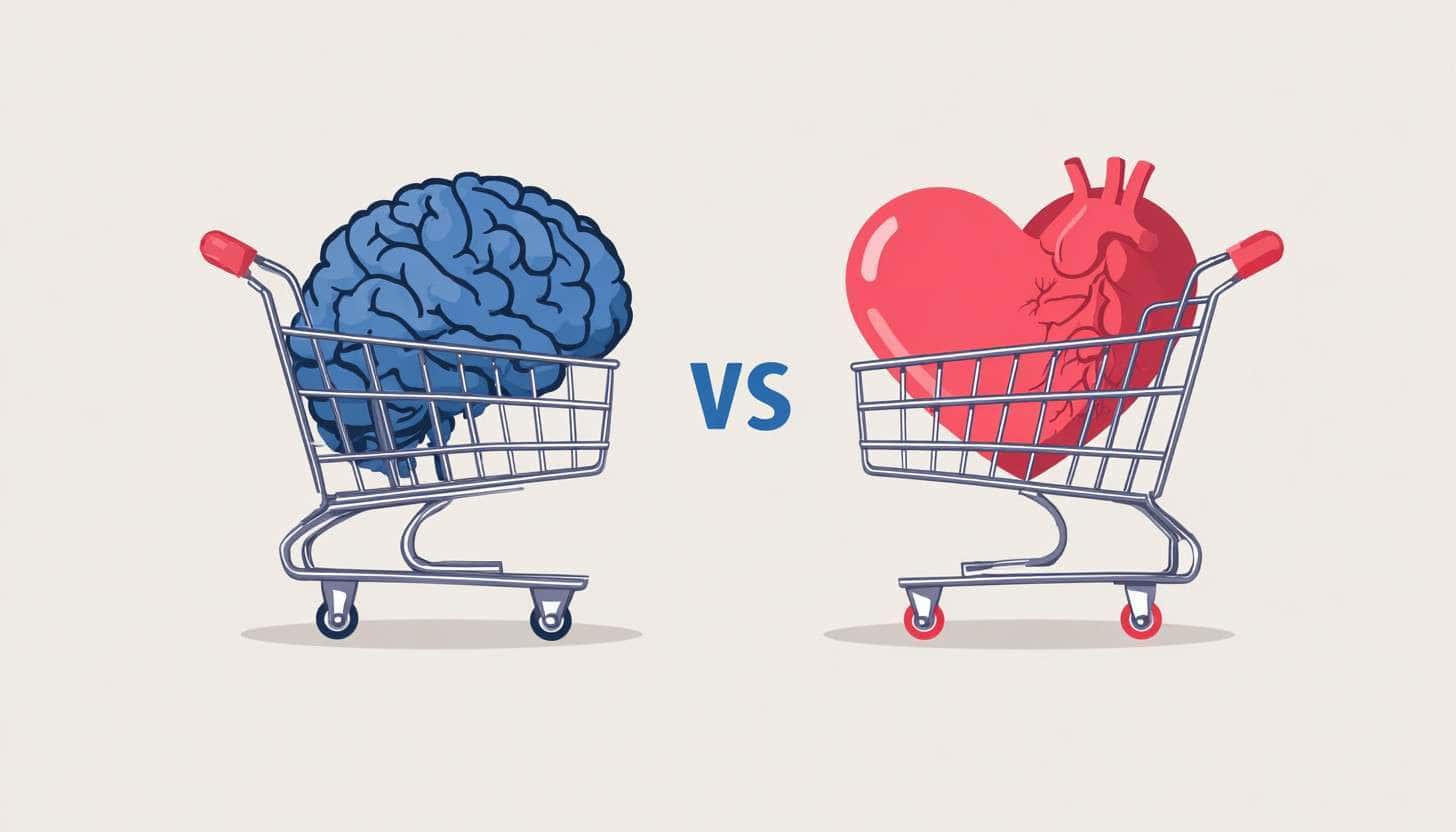
In today’s competitive market, emotional triggers in marketing are crucial yet often overlooked. Contrary to the belief that consumers make decisions solely based on logic, emotions play a powerful role in shaping their choices. Building emotional connections can transform ordinary transactions into lasting brand loyalty.
Brands that resonate on an emotional level not only attract customers, they create advocates who feel personally invested in their story. By delving into the psychology behind these connections, we can uncover unique strategies that drive consumer engagement and loyalty in unexpected ways. This is where the benefits of AI writing tools become invaluable for crafting emotionally resonant content at scale.
Understanding Emotional Triggers
Emotional triggers in marketing refer to stimuli that elicit feelings in consumers. These triggers can lead to strong emotional responses, influencing purchasing decisions and brand loyalty. Marketers use these emotional cues to connect their products with consumers on a deeper level.
This connection transforms a simple transaction into a meaningful relationship. Different emotions can significantly influence consumer behavior. For instance, nostalgia is a powerful emotion that can evoke fond memories.
Brands like Coca-Cola successfully tap into this feeling through their ads that recall simpler, happier times. Another example is fear; brands often use it to highlight potential risks, thus encouraging consumers to purchase their solutions. By leveraging these emotions through emotional appeal in advertising, companies can drive engagement and ultimately foster loyalty.
The psychological impact of emotional marketing is remarkable. When consumers feel a strong emotional connection with a brand, it enhances memory retention. This means they are more likely to recall that brand during future purchases.
As such, brands that prioritize emotional triggers in their marketing strategies often report higher levels of consumer loyalty and advocacy. Understanding emotional triggers in marketing goes beyond just recognizing what emotions to use.
It requires a nuanced approach that considers how these feelings impact consumer behavior and decision-making. When brands effectively employ emotional marketing, they create memorable experiences that resonate with consumers, ultimately leading to long-lasting loyalty. The best AI for creative writing can help marketers identify and implement these emotional strategies efficiently.
The Science Behind Emotional Connections
Emotions profoundly shape decision-making processes. Studies show that when consumers feel an emotional connection with a brand, they are more likely to make a purchase. For instance, research by the Nielsen Company indicates that ads eliciting strong emotions can increase sales significantly.
This highlights how well-crafted emotional appeals can sway consumer behavior effectively. Furthermore, emotional engagement directly influences brand loyalty. A report from the American Marketing Association found that consumers who feel emotionally connected to a brand are three times more likely to refer friends and family.
Successful brands like Apple leverage this emotional bond by sharing stories that resonate with users. The connection isn’t just transactional; it’s relational, reinforcing loyalty through shared experiences and values. Memory and nostalgia also play crucial roles in consumer relationships.
Brands that evoke fond memories can create loyalty that lasts a lifetime. Coca-Cola often taps into nostalgia by showcasing classic advertisements during major holidays, sparking warm feelings. This strategy reinforces their brand identity while forming deeper emotional ties with their audience.
Such use of memory in marketing helps solidify relationships and fosters repeat purchases. In the realm of relationship marketing, understanding these emotional triggers can lead to more effective strategies. Leveraging best content creation software allows brands to intertwine emotional narratives into their messaging consistently.
Implementing Emotional Triggers in Marketing Strategies
To harness emotional triggers effectively, brands must first identify their core emotional narrative. This narrative should resonate deeply with the audience’s values and experiences. For example, a sustainable clothing brand might focus on environmental conservation.
By weaving this emotional narrative throughout their messaging, they can foster a genuine connection with consumers who prioritize eco-friendliness. Once a brand’s emotional narrative is established, it’s crucial to integrate these triggers across various marketing channels. On social media, brands can share relatable stories that evoke nostalgia or belonging.
Additionally, in advertising, using real customer testimonials can create powerful emotional connections. For instance, Dove’s “Real Beauty” campaign effectively showcased everyday women, reinforcing feelings of self-acceptance and confidence. Utilizing ad copywriting examples can help marketers craft messages that resonate emotionally.
Authenticity plays a vital role in emotional branding. Consumers are increasingly savvy and can spot insincerity from a mile away. A great example is the emotional campaigns run by the charity organization, Charity: Water.
Their transparency about the impact of donations fosters a genuine trust. This authenticity leads to stronger customer retention and deeper emotional loyalty as consumers feel that their contributions are part of a meaningful story. Moreover, understanding the nuances of emotional triggers can transform how brands engage with their audiences.
By listening to feedback and observing emotional responses, companies can tailor their approaches to ensure alignment with their customers’ feelings. This ongoing dialogue not only enhances brand loyalty but also fosters a community around shared values. Making emotional branding a cornerstone in modern marketing strategies becomes easier when using AI-powered tools to analyze and respond to customer sentiment effectively.
Measuring the Impact of Emotional Engagement
Measuring emotional engagement is vital for understanding how consumers connect with a brand. Traditional metrics like sales numbers need to be supplemented with more nuanced indicators, such as emotional response surveys and brand sentiment analysis. These tools help quantify how feelings influence consumer behavior.
A study by Nielsen found that ads with emotional content performed twice as well as those with purely rational messages. This insight highlights the importance of measuring emotional triggers in marketing. To gather effective feedback, brands can use social listening tools to track consumer sentiment.
These tools help track mentions and conversations surrounding a brand on various platforms. Analyzing this data can reveal the underlying emotions driving consumer opinions. Additionally, personalized surveys and focus groups provide direct insights into consumer feelings.
For instance, Coca-Cola’s “Share a Coke” campaign successfully tapped into nostalgia, allowing them to measure increased emotional connections through consumer-generated content shared online. Case studies underscore the ROI of emotional marketing. Take the example of Dove’s “Real Beauty” campaign, which resonated deeply with women globally.
The campaign not only boosted sales by 30% but also created a lasting connection with its audience. Similarly, Airbnb leveraged emotional storytelling to create a sense of belonging among its users, resulting in a 150% increase in bookings. These examples demonstrate that when emotional triggers in marketing are harnessed effectively, they can lead to both immediate and long-term financial gains.
Measuring the impact of emotional engagement requires a holistic approach. Brands must combine hard data with qualitative insights to gauge emotional connection accurately. By doing so, they can create marketing strategies that not only drive loyalty but also foster richer, more meaningful relationships with consumers.
Challenges in Leveraging Emotional Triggers
Emotional marketing can be tricky. One common pitfall is overloading a campaign with emotions, risking a disconnect with the audience. For instance, a brand may try to tug at heartstrings too intensely, making the message feel forced or insincere.
This can lead to consumer skepticism, undermining trust and brand loyalty. Another challenge lies in maintaining brand consistency while tapping into emotional appeals. Brands often face a dilemma between evolving their messaging to connect emotionally and staying true to their original identity.
Consider a luxury car brand that suddenly pivots to focus on humor; this shift can confuse loyal customers who associate that brand with sophistication. Balancing emotional resonance with brand authenticity is crucial to ensure that the message feels both relevant and trustworthy. Applying techniques from persuasive email writing can help maintain this balance effectively.
Moreover, many marketers encounter pushback when moving beyond data-driven strategies. While analytics provide valuable insights, they may overlook the subtleties of emotional engagement. A strategy focused solely on metrics might ignore the rich storytelling that hooks consumers on a personal level.
To counteract this, brands can incorporate qualitative research, such as customer interviews or focus groups, to capture emotional narratives that data alone may miss. This approach promotes a deeper understanding of customer needs, bridging the gap between emotion and analytics. The benefits of AI writing tools become evident here, as they can analyze both quantitative data and qualitative insights to create balanced, emotionally intelligent content.
Future Trends in Emotional Marketing
As we look ahead, emotional triggers in marketing are set to evolve significantly. Brands will increasingly lean on advanced technologies to forge deeper connections with consumers. The rise of artificial intelligence (AI) and virtual reality (VR) offers unique opportunities for brands to create immersive emotional experiences.
For instance, a travel company might use VR to transport potential customers to a dream destination, invoking emotions tied to adventure and exploration. Personalization will also play a crucial role in how emotional engagement is crafted. Advanced algorithms can analyze consumer data to deliver tailored content that speaks directly to individual emotions.
Imagine receiving an advertisement that uses your favorite childhood memories to sell a nostalgic product. This level of customization not only enhances emotional triggers in marketing but also makes consumers feel seen and understood, fostering loyalty. The benefits of AI writing tools shine through in their ability to create personalized, emotionally resonant content at scale.
Moreover, the integration of voice technology is another trend that can enhance emotional connections. Brands that utilize conversational interfaces can create a more personal interaction with consumers. These interactions can evoke empathy through tone, context, and storytelling, thereby encouraging deeper relationships.
For example, a skincare brand using a voice assistant to guide users through a personalized skincare routine can foster trust and emotional loyalty. The future of emotional marketing is bright yet complex. The fusion of technology and personalization will reshape how brands interact with consumers.
Emphasizing emotional triggers will help brands navigate a competitive landscape, improving loyalty and engagement in ways we have yet to fully explore. By leveraging the benefits of AI writing tools, marketers can stay ahead of these trends and create content that truly resonates with their audience.
In Summary
Emotional triggers in marketing are essential for fostering deep brand loyalty. They create connections that go beyond mere transactions, making consumers feel valued and understood. As the market grows more competitive, adopting emotional strategies becomes crucial for lasting consumer relationships.
The future of emotional marketing lies in embracing personalization and technology, suggesting that brands must evolve to stay relevant and resonate with their audience. Understanding and implementing these emotional connections, powered by advanced tools and authentic storytelling, will define successful marketing in the years to come.
Related Articles

Unlocking QVC Blogs: Your Ultimate Guide to Shopping Insights
In the ever-evolving landscape of online shopping, QVC blogs have emerged as invaluable resources for both seasoned shoppers and newcomers alike. These blogs…
Read more
What Agentic Commerce Examples Are Disrupting Retail?
Agentic commerce is reshaping online retail through AI systems that act on behalf of consumers. Discover real-world examples and how businesses can adapt.
Read more
What Are the Best Unique Merchandise Ideas to Sell?
Selling the same products as everyone else limits your growth. Unique merchandise ideas help you capture attention and build a brand. Creativity can turn simple…
Read more