
How Machine Learning in VFX Changes Filmmaking
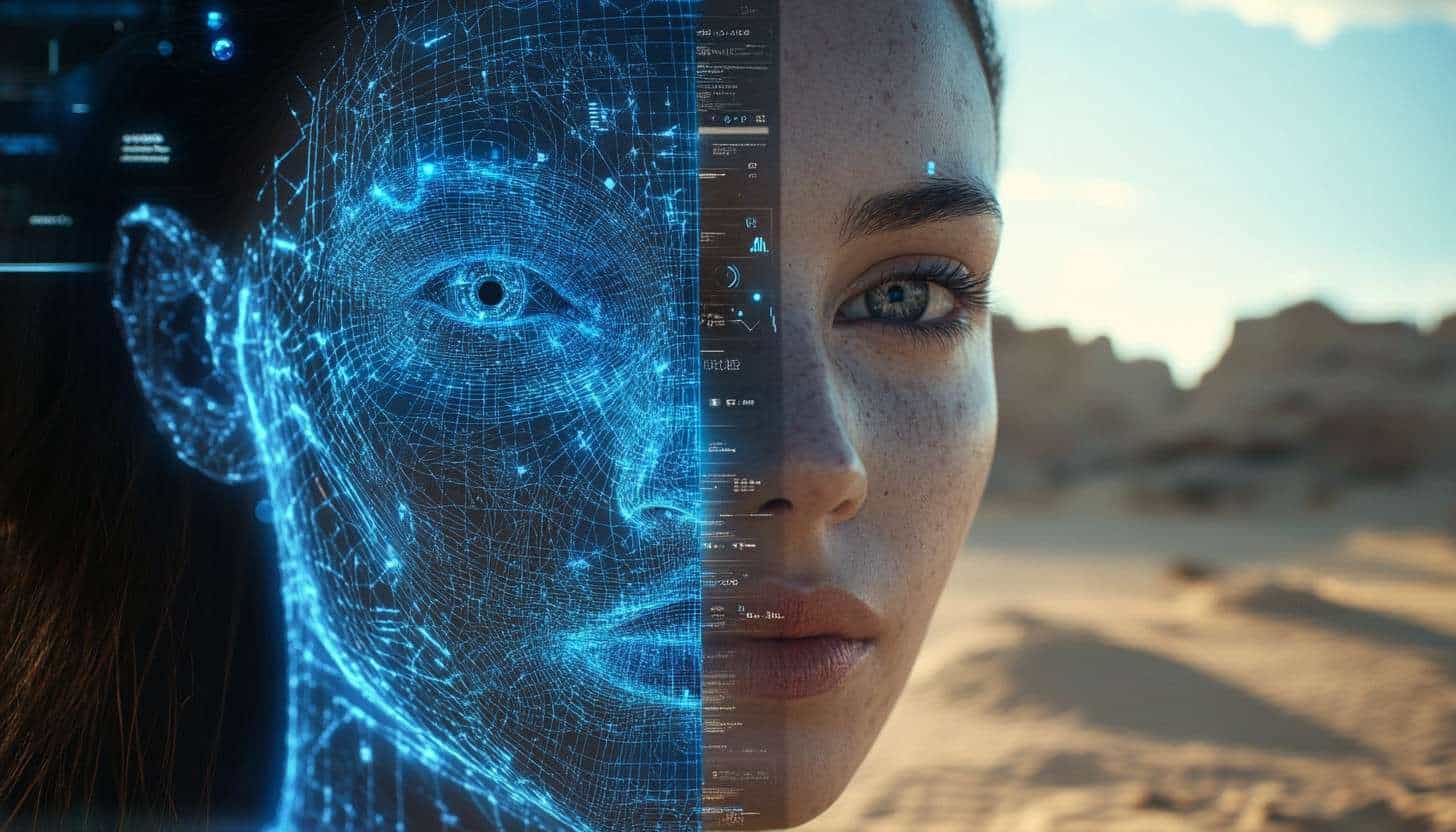
Visual effects (VFX) play a crucial role in modern filmmaking. They bring stories to life, transforming ordinary scenes into extraordinary experiences that captivate audiences worldwide.
Machine learning in VFX is emerging as a game changer in this dynamic field. By automating complex tasks and enhancing creativity, machine learning in VFX is setting new standards for what’s possible in visual storytelling. As deepfake technology and other innovations rise, the integration of machine learning in VFX promises to revolutionize how films are made and enjoyed.
Understanding Machine Learning in VFX
Machine learning in VFX refers to the use of algorithms that enable computers to learn from data. This technology analyzes patterns and makes predictions without explicit programming. By harnessing machine learning, artists can streamline their workflows and enhance their creative processes.
The importance of machine learning in automating tasks cannot be overstated. It allows for repetitive tasks, such as rotoscoping and object tracking, to be completed with greater speed and accuracy. This automation frees up time for VFX artists to focus on more complex and creative aspects of their projects.
The intersection of AI and visual effects is a rapidly evolving field. Machine learning in VFX is reshaping how artists create and manipulate digital imagery. Techniques such as intelligent asset creation enable artists to generate high-quality image upscaling quickly, which enhances the overall production process.
Moreover, real-time rendering is becoming a reality thanks to advancements in machine learning. This technology improves rendering speeds, allowing filmmakers to see their visual effects in real-time during production. As machine learning continues to advance, it promises to revolutionize how we think about and create visual effects in the film industry.
Deepfake Technology: A Game Changer

Deepfake technology represents a significant advancement in the realm of visual effects. It utilizes AI picture generator algorithms to create hyper-realistic images and videos by swapping faces or altering appearances seamlessly. This innovation has found various applications, from film production to social media, enabling filmmakers to bring lifelike characters to life without extensive makeup or prosthetics.
However, the rise of deepfakes raises ethical questions that cannot be ignored. The ability to manipulate video content can lead to misinformation and the potential for misuse in creating misleading narratives. As automation in VFX continues to evolve, it is crucial for creators to consider the implications of using these powerful creative tools responsibly.
Moreover, the entertainment industry faces a challenge in regulating the use of deepfake technology. While it offers exciting opportunities for storytelling and visual enhancements, there is a risk of crossing ethical lines. Filmmakers and VFX artists must navigate these complexities carefully as they explore the capabilities of deepfake technology within their projects.
Deepfake technology is indeed a game changer in the world of VFX. It brings forth new possibilities for creativity while simultaneously demanding a responsible approach to its use. As the industry adapts to this evolving landscape, understanding both its potential and ethical ramifications will be essential for future innovations in visual effects.
Real-Time Rendering Revolution
Real-time rendering is changing how filmmakers and VFX artists create visual effects. This technology allows creators to see the results of their work instantly, rather than waiting for lengthy rendering processes. With real-time rendering, artists can make immediate adjustments, leading to a more efficient workflow and enhanced creativity.
Machine learning in VFX plays a crucial role in improving both speed and quality of rendering. By leveraging AI in film, creators can use predictive algorithms to optimize rendering tasks. These algorithms analyze data to anticipate the best rendering strategies, significantly reducing time spent on calculations and allowing for higher-quality visuals.
One notable example is the use of machine learning in popular video games and animated films. Titles like “The Mandalorian” utilized advanced real-time rendering techniques to create immersive environments. This approach not only speeds up production but also elevates the visual experience for audiences, setting new VFX industry trends that other creators are eager to follow.
As machine learning continues to evolve, the future of real-time rendering looks promising. Artists can expect even faster processing times and improved visual fidelity. The combination of machine learning in VFX with real-time capabilities will undoubtedly push the boundaries of what is possible in visual storytelling.
Intelligent Asset Creation

Asset creation is a critical part of VFX workflows. Artists spend countless hours designing and modeling objects, characters, and environments for films. This process can be tedious and time-consuming, often limiting the creative potential of artists.
Automated graphic design tools have begun to transform how assets are created. With advanced algorithms, these tools can analyze existing assets and generate new ones automatically. For example, AI can create realistic textures or even model complex shapes based on simple inputs from artists, allowing them to focus on more creative aspects of their work.
The impact on efficiency is significant. Artists can produce high-quality assets in a fraction of the time it used to take. This increase in speed not only enhances productivity but also fosters creativity by giving artists more time to experiment and innovate.
As we look toward the future of visual effects, intelligent asset creation will play a pivotal role. By harnessing machine learning applications, the industry can push boundaries further than ever before. This evolution opens up new possibilities for storytelling and artistry in film and animation.
Enhancing Visual Effects with Predictive Analytics
Predictive analytics plays a crucial role in enhancing visual effects (VFX) processes. By analyzing past data, it helps artists and filmmakers make informed decisions about their projects. This technology allows teams to anticipate challenges and streamline workflows, ultimately saving time and resources.
In production, data analysis can significantly improve decision-making. For instance, predictive models can forecast which visual effects will be most effective for a particular scene. By understanding audience preferences and trends, creators can tailor their work to resonate better with viewers, ensuring a more impactful final product.
Future trends in predictive analytics within machine learning in VFX are promising. As AI’s creative revolution continues to evolve, we can expect more sophisticated algorithms that provide deeper insights into audience reactions. This advancement will empower artists to push creative boundaries while maintaining the efficiency that predictive analytics offers.
The integration of predictive analytics is transforming how VFX teams operate. With its ability to enhance processes and inform decisions, it complements the capabilities of machine learning in VFX. Embracing these technologies will be vital for filmmakers and artists looking to stay ahead in an increasingly competitive industry.
Case Studies: Successful Implementations of Machine Learning

Many films have successfully integrated machine learning into their visual effects processes. A notable example is the film “The Irishman,” which used machine learning for facial de-aging. This innovative approach allowed filmmakers to convincingly portray characters at different ages without traditional makeup or extensive CGI, showcasing the potential of machine learning in VFX.
Another impressive case is Disney’s use of machine learning in their animated feature “Frozen II.” The studio utilized AI to streamline its animation process, significantly enhancing the realism of water and hair effects. This advancement not only improved the visual quality but also allowed artists to focus more on storytelling and character development, highlighting how machine learning can elevate creativity in VFX.
The outcomes from these implementations are noteworthy. In “The Irishman,” audiences praised the seamless integration of effects, which contributed to a more immersive viewing experience. Similarly, “Frozen II” received accolades for its stunning visuals, demonstrating that machine learning can lead to both critical acclaim and audience satisfaction.
From these examples, several lessons can be learned. First, embracing machine learning can lead to innovative solutions that enhance visual storytelling.
Second, collaboration between technology and artistry fosters creativity while improving efficiency. These insights emphasize the importance of staying ahead in the evolving landscape of VFX through the adoption of machine learning technologies.
Challenges and Limitations
The integration of machine learning in VFX is not without its challenges. One significant hurdle is the need for high-quality training data. Without adequate data, machine learning algorithms may produce inaccurate or inconsistent results, leading to less effective visual effects.
Additionally, the rapid pace of technological advancement can make it difficult for artists and studios to keep up with the latest tools and techniques. Automatic photo editing tools can assist in refining and enhancing VFX elements, but their effectiveness depends on proper training and implementation.
Another limitation is the potential for over-reliance on machine learning technologies. While these tools can enhance workflows, they cannot fully replace the creativity and intuition of human artists.
For example, while an algorithm may generate stunning visuals, it might lack the emotional depth that a skilled artist can bring to a scene. This balance between automation and artistry is crucial in the world of VFX.
Looking ahead, the future of machine learning in VFX appears promising, but overcoming these challenges will require collaboration and innovation. Artists and technologists must work together to create better training datasets and refine algorithms for more accurate results.
As the industry continues to evolve, embracing a hybrid approach that combines machine learning with human creativity may lead to groundbreaking advancements in visual effects.
By addressing these challenges, the VFX community can unlock the full potential of machine learning in VFX. This will not only improve efficiency but also enhance the overall quality of visual storytelling. Ultimately, the journey of integrating machine learning into VFX is about finding harmony between technology and the art of filmmaking.
In Summary
Machine learning in VFX has truly transformed the landscape of visual effects. This technology enhances efficiency, creativity, and the overall quality of work produced by artists and filmmakers alike. As we have explored, machine learning in VFX offers tools that automate tasks, improve rendering, and even create assets intelligently.
It is vital for artists to embrace these new technologies to stay relevant in an ever-evolving industry. The future of creativity in visual effects is bright, driven by machine learning in VFX. By adopting these advancements, creators can push the boundaries of storytelling and visual artistry like never before.
Related Articles
Master Mobile Image Optimization for Stunning Visuals
In today’s digital landscape, mobile image optimization is more crucial than ever. With the majority of users accessing websites via their smartphones, op…
Read more
Smart AI Tools for Publishers You’ll Love
In today’s fast-paced digital landscape, the integration of AI tools for publishers has become essential. These innovative technologies, including solutio…
Read more
How Image Upscaling Software Enhances Digital Art
In the world of digital art, image upscaling software is revolutionizing how artists create and share their work. This technology allows creators to transform t…
Read more