
How Machine Learning in VR Builds Real Skills
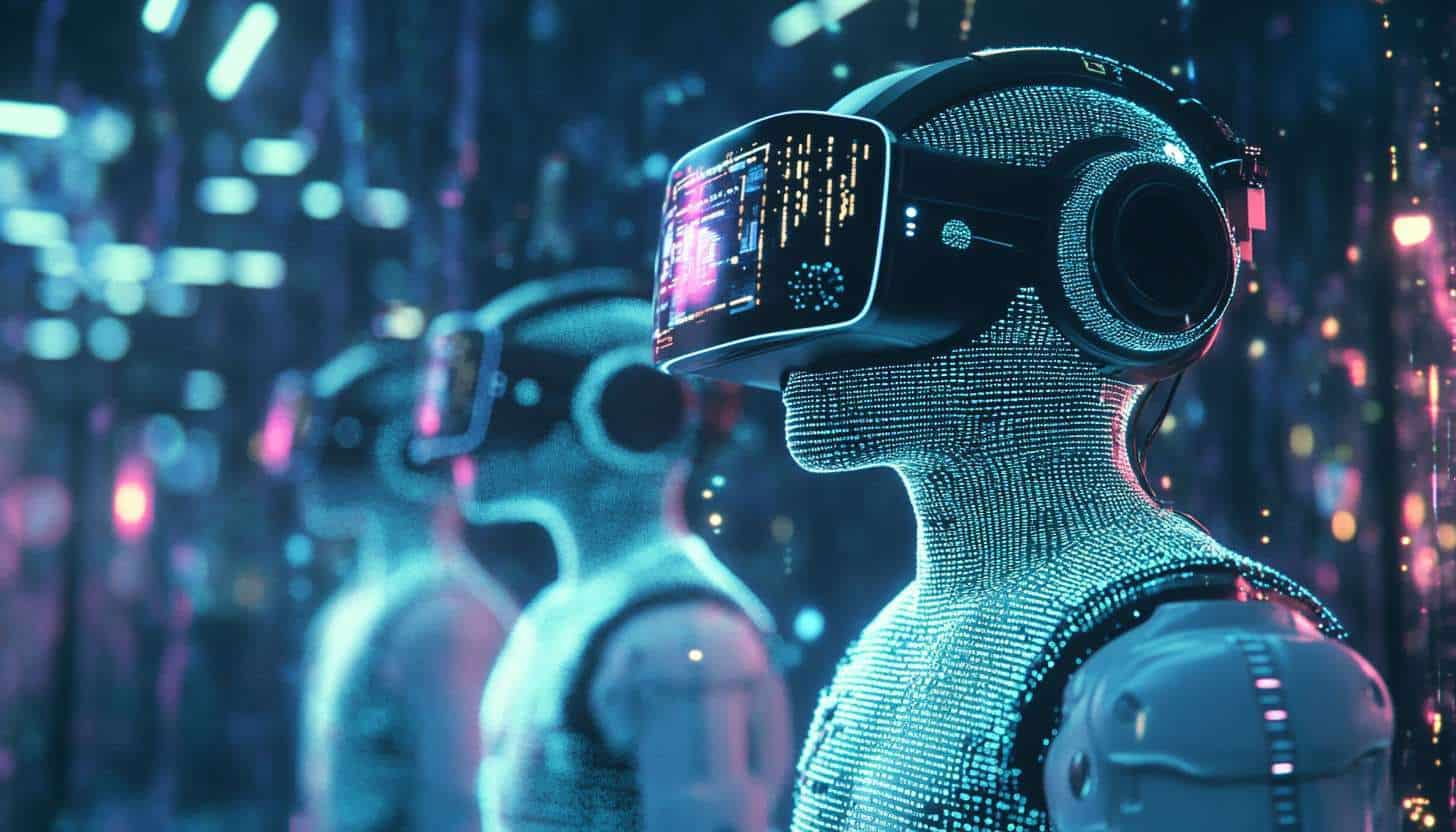
In recent years, the integration of machine learning in VR has begun to reshape the landscape of training and skill development. This innovative approach offers a new way to create adaptive learning experiences that cater to individual needs. Much like how the best AI tools directory showcases cutting-edge artificial intelligence solutions, VR training platforms are becoming essential resources for modern education.
Machine learning in VR allows for personalized training scenarios that adjust based on user performance. As a result, learners can engage more deeply and effectively in virtual reality training, leading to improved skill acquisition and retention. This transformation opens up exciting possibilities for various industries, making it essential to explore how machine learning in VR is changing the future of training.
The development of immersive training environments parallels advancements seen in creative fields, where AI artwork generator tools have revolutionized artistic expression. Just as these tools adapt to user preferences and styles, VR training systems learn from user interactions to create more effective learning experiences. This convergence of AI technologies across different sectors demonstrates the broad impact of machine learning innovations.
The Power of Machine Learning in VR
Machine learning in VR is a groundbreaking technology that enhances training experiences. It allows virtual environments to learn from user interactions and adapt accordingly. This creates a more personalized and effective training process for individuals across various fields.
At its core, machine learning analyzes data generated during training sessions. For example, if a trainee struggles with specific tasks, the system can modify scenarios to provide additional practice in those areas. This adaptive learning approach ensures that users receive targeted support, enhancing their skill development.
Consider a scenario in healthcare training where a surgeon practices a complex procedure in a virtual operating room. If the machine learning algorithm detects that the trainee is making repeated errors, it can adjust the simulation to offer alternative approaches or focus on critical steps. This tailored feedback not only boosts confidence but also sharpens decision-making skills essential for real-life situations.
Furthermore, machine learning in VR fosters continuous improvement by accumulating data over time. As trainees progress, the system refines its understanding of their strengths and weaknesses. This dynamic relationship between learner and technology ensures that each training session becomes increasingly relevant and efficient, ultimately revolutionizing skill acquisition.
Transforming Healthcare Training
Virtual reality (VR) is changing the way healthcare training is conducted. Training simulations in VR provide a safe and controlled environment for medical professionals to practice their skills. This technology allows trainees to engage in realistic scenarios, such as performing surgeries or diagnosing patients, without the risks associated with real-life procedures.
One significant advantage of VR training simulations is the ability to replicate high-pressure situations. For instance, a surgeon can practice complex operations repeatedly, refining their techniques and decision-making skills. These realistic scenarios enhance learning outcomes and prepare healthcare professionals for actual patient interactions, leading to better healthcare delivery.
Moreover, VR training helps in building confidence among trainees, similar to how automatic photo editing AI builds user confidence by simplifying complex editing tasks. When individuals can immerse themselves in lifelike situations, they are more likely to remember critical procedures and protocols. This kind of experiential learning is invaluable in fields like medicine, where precision and quick thinking are vital for patient safety.
In addition, machine learning algorithms can further enhance these training simulations. They analyze a trainee’s performance and adapt scenarios based on their strengths and weaknesses. This personalized approach ensures that healthcare professionals receive tailored training that directly addresses their needs, ultimately improving their skills and competency in real-world situations.
Advancements in Aviation Training
Machine learning in VR is reshaping aviation training by providing immersive experiences for pilot education. Traditional flight simulators have long been a staple, but the integration of machine learning takes this to another level. These systems can analyze a pilot’s performance in real-time and adjust scenarios to enhance skill development.
For example, if a trainee struggles with turbulence management, the machine learning algorithms can create specific simulations that focus on this challenge. This targeted approach helps pilots gain confidence and improve their decision-making skills under pressure. Additionally, machine learning in VR allows for a variety of flight conditions, ensuring pilots are well-prepared for any scenario they may encounter.
Safety is paramount in aviation, and machine learning in VR plays a crucial role in enhancing it, much like how AI-based photo editing enhances image quality through intelligent processing. By simulating emergency situations that require quick thinking, pilots can practice their responses without risk. This proactive training method not only boosts their skills but also contributes to overall flight safety and efficiency in the industry.
Furthermore, airlines are increasingly adopting these advanced training solutions to maintain high standards. The ability to evaluate pilot performance data leads to tailored training programs that address individual weaknesses. Ultimately, machine learning in VR is revolutionizing aviation training, making it more effective and responsive to the needs of each pilot.
Corporate Training Reimagined
Virtual reality (VR) is changing the way corporations approach training. Companies are using VR to create immersive experiences that enhance learning and engagement. For instance, a retail company may utilize VR simulations to train employees on customer service skills in a realistic store environment, allowing employees to practice interactions without the pressure of real customers.
Machine learning plays a crucial role in personalizing employee training programs, similar to how automated graphic design personalizes creative workflows. By analyzing individual performance, machine learning algorithms can adjust training scenarios to fit each learner’s needs. For example, if an employee struggles with conflict resolution, the system can present tailored VR scenarios that focus on these specific skills.
Moreover, the integration of healthcare training into corporate environments is becoming increasingly popular. Companies in the healthcare sector are using VR simulations for training medical staff in emergency response situations. By leveraging machine learning, these training programs can evaluate participants’ decisions and provide immediate feedback, which enhances skill development and preparedness.
In summary, VR training is revolutionizing corporate environments by providing immersive learning experiences. Machine learning personalizes these programs, ensuring that employees receive targeted support based on their performance. As companies continue to adopt this technology, the potential for effective and efficient training will only grow.
Enhancing Skill Development through Realistic Scenarios
Immersive experiences play a crucial role in skill acquisition. When learners engage with realistic scenarios, they can practice and refine their skills in a safe environment. This hands-on approach allows individuals to make mistakes and learn from them without real-world consequences.
Industries like healthcare and aviation have greatly benefited from machine learning in VR. In medical training, for instance, VR simulations allow students to practice surgical procedures on virtual patients, similar to how AI painting software allows artists to experiment with techniques in digital environments. This method not only boosts confidence but also sharpens decision-making skills essential for real-life situations.
Aviation simulations are another prime example of how immersive VR can enhance training. Pilots can experience various flight conditions and emergency scenarios that are hard to replicate in traditional classrooms. The use of machine learning in VR adjusts these simulations based on pilot performance, providing tailored experiences that promote effective learning.
Furthermore, sectors such as manufacturing and emergency response also leverage realistic VR training scenarios. These fields require quick thinking and precise actions, which are best practiced through immersive training. By incorporating machine learning in VR, organizations can ensure their teams are well-prepared for any challenge they may face in their jobs.
Measuring Training Effectiveness with Data Analytics
Data analytics plays a crucial role in measuring the effectiveness of training programs powered by machine learning in VR. By utilizing data collected from VR simulations, organizations can assess learner progress in real time. This data provides insights into individual performance, helping trainers identify strengths and weaknesses.
For example, a healthcare institution using VR for surgical training can track how quickly a trainee completes procedures and their accuracy. The data gathered can highlight patterns in performance, such as common mistakes or areas where additional practice is needed, much like how artificial intelligence visual effect tools analyze visual elements to enhance animation quality. This information allows educators to tailor their approach, ensuring that each trainee receives personalized support.
Analytics also drive continuous improvements in training programs. By analyzing trends across multiple learners, organizations can evaluate the overall effectiveness of their VR training initiatives. They can pinpoint which scenarios are most beneficial and refine those that may not yield desired results.
Incorporating AI in education further enhances these analytics capabilities. AI algorithms can process vast amounts of data quickly, delivering actionable insights that inform future training strategies. Ultimately, this data-driven approach ensures that machine learning in VR training remains effective and relevant.
Overcoming Challenges in VR Training Implementation
Implementing machine learning in VR training can present several challenges for organizations. One common obstacle is the high cost of developing and maintaining VR systems, which may deter companies from adopting this innovative approach. Additionally, many employees may lack familiarity with immersive learning experiences, leading to resistance or fear of new technology.
To address these challenges, organizations can start with pilot programs, similar to how machine learning in VFX was gradually integrated into film production workflows. By introducing machine learning in VR on a smaller scale, companies can gather feedback and assess its effectiveness without significant investment. This approach allows for gradual integration and helps employees acclimate to immersive learning experiences.
Another strategy is to offer comprehensive training sessions. Educating employees on the benefits of machine learning in VR can enhance acceptance and engagement. When individuals understand how these technologies improve their skills, they are more likely to embrace new training methods.
Finally, collaborating with technology providers can ease the transition. Experts can assist in tailoring machine learning in VR solutions that fit specific organizational needs. This partnership can help streamline the implementation process and ensure that immersive learning experiences are optimized for maximum impact.
Future Trends in Machine Learning and VR Training
The future of machine learning in VR training looks promising as technology continues to advance. We can expect more sophisticated algorithms that enhance user performance analysis in real-time. This means training programs will become even more adaptive, tailoring experiences to individual needs based on their progress and feedback.
Industries such as healthcare and aviation are likely to see significant changes, particularly as design tools evolve alongside VR technology, much like how AI drawing software has transformed creative education. For example, medical professionals could use VR simulations that adjust scenarios dynamically based on user performance analysis. This tailored approach will help trainees make faster decisions in high-pressure situations, ultimately improving patient outcomes.
Corporate training will also benefit from these advancements. Companies might implement VR training programs that assess employee performance and adapt content accordingly. By integrating machine learning into these systems, organizations can create a more engaging learning environment that maximizes skill development.
As we look ahead, the integration of machine learning in VR training will redefine how we approach skill acquisition, supported by innovations in machine learning for designers and other creative fields. With continuous improvements in technology, we may soon see fully immersive environments that replicate real-world challenges. This evolution will not only enhance training effectiveness but also prepare individuals for the complexities of their respective fields.
In Summary
Machine learning in VR has transformed the landscape of training across various industries. It enhances skill development by providing personalized and adaptive learning experiences that improve engagement and retention. As technology continues to evolve, machine learning in VR will further revolutionize training methods, creating even more immersive and effective training environments for the future.
Related Articles
Smart Machine Learning for Designers Guide
In today’s fast-paced digital world, machine learning for designers is revolutionizing the way we create. This technology is not just a trend; it’s …
Read more
How Machine Learning Visuals Enhance Data
In the world of data science, artificial intelligence image generator tools are transforming the way machine learning visuals are created. Effective data visual…
Read more