
Internal Linking Best Practices: Your SEO Guide
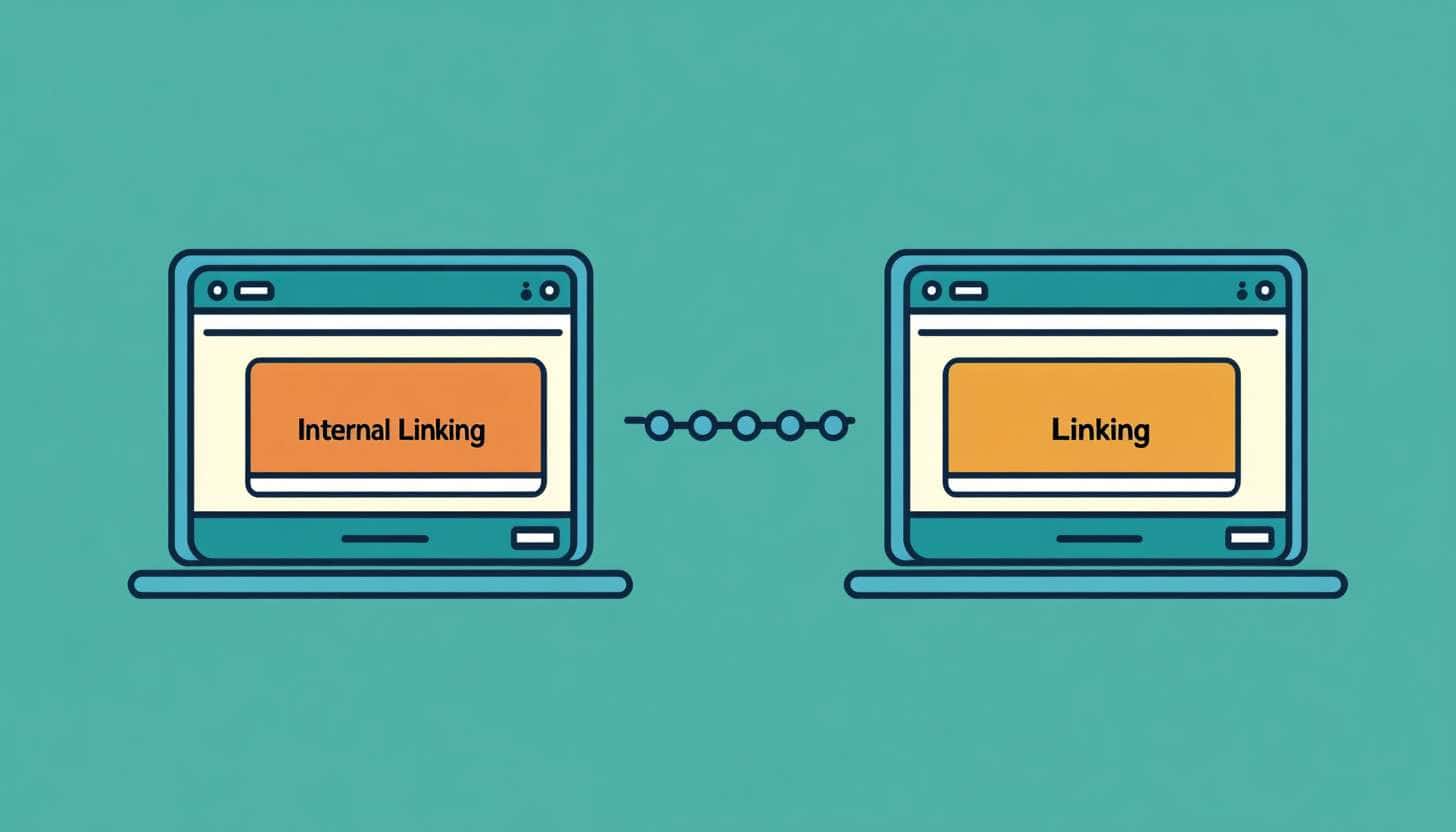
Internal linking is crucial for SEO, aiding search engines and enhancing user experience. Mastering best practices can improve visibility and engagement.
This guide covers strategies like link placement and anchor text. Implementing these techniques will strengthen your site's SEO foundation.
Delve into this article for valuable insights to optimize your internal linking strategy for better performance.
Understanding Internal Linking
Internal links connect pages within a website, guiding users and enhancing their experience. For example, linking a healthy recipes post to meal prep tips keeps visitors engaged.
Unlike external links that lead to other sites, internal links help maintain traffic on your domain. This is important for SEO, as they improve navigation and distribute PageRank, which can boost rankings.
Effective internal linking aids search engines in understanding content structure and prioritizing important pages. Essentially, it creates a roadmap for users and search engines, ensuring easy navigation throughout the site.
Benefits of Internal Linking for SEO
Internal linking best practices offer numerous benefits that significantly impact your website's SEO. First and foremost, internal links enhance website crawlability for search engines. When you link pages within your site, it helps search engine bots find and index your content more efficiently.
For example, if a user visits your homepage and clicks through to a blog post via an internal link, the bot not only discovers that post but may also follow links on that page to discover even more related content.
Internal linking distributes authority across pages, enhancing visibility and rankings. Strong pages boost others through relevant links, creating a supportive network. This strategy improves user experience by guiding visitors to related content, increasing engagement and time spent on the site. For example, a recipe blog can connect various recipes, encouraging exploration.
Understanding and implementing important steps to improve your AI content can greatly increase your site’s visibility. Valuable content engagement leads to longer visits and potentially higher conversion rates, underscoring the importance of these strategies.
Best Practices for Link Placement
Placing internal links strategically is essential for maximizing their impact. Ideally, you should position them within the first few paragraphs of your content. This ensures that both users and search engines notice them quickly.
For example, if you've written a blog about "Social Media Strategies," linking to an earlier post on "Content Creation Tips" right at the start can lead readers to additional valuable information.
Balancing the number of links per page is also vital. Too many internal links can overwhelm visitors and dilute the focus of your content. A good rule of thumb is to include 1-3 relevant internal links per section or topic within your article to maintain clarity while still guiding users through your site.
Contextual relevance is vital for effective link placement. Anchor texts should relate directly to their linked content, enhancing user experience and credibility. Linking to relevant articles on SEO strategies improves navigation and signals content relationships to search engines, boosting SEO performance.
A combination of contextual placements and dedicated link sections is recommended. For example, a list of recommended readings at the end of a blog post adds value without cluttering the main content.
Crafting Effective Anchor Text
Anchor text is crucial for internal linking best practices. It tells both search engines and users what the linked page is about. For instance, instead of using "click here," opt for phrases like "learn more about our marketing strategies." This simple change informs users while improving relevance.
Using keywords in anchor text is important, but avoid over-optimization to prevent search engine penalties. Varying your anchor text helps create a diverse and non-spammy link profile. For instance, use different phrases like “social media tips” for links to a blog about “social media tactics”.
Using keywords in anchor text is important, but avoid over-optimization to prevent search engine penalties. Varying your anchor text helps create a diverse and non-spammy link profile. You can discover a range of phrases and ideas for optimizing anchor text on sites featuring top AI tools, which often offer practical linking strategies for various content types.
Structuring Your Content for Optimal Links
Creating a clear hierarchy and site structure is essential for effective internal linking best practices. A well-structured website makes it easier for both users and search engines to navigate your content. For example, consider organizing your content into main categories with subcategories underneath them, much like a tree branching out.
Using breadcrumbs and footer links enhances user experience by clarifying site navigation. Breadcrumbs help users understand their location and provide internal links to previous sections. Footer links serve as a sitemap, allowing quick access to important pages without cluttering navigation.
Internal links in blog posts are also vital; they direct readers to related content, improving user engagement and SEO. For instance, if you’re discussing advanced content creation, linking to the best AI blog writer can provide additional resources for creating high-quality articles. Thoughtful content structuring aids navigation and supports SEO through strategic internal linking, guiding users smoothly to valuable information on the site.
Tools and Techniques for Managing Internal Links
Managing internal links effectively requires the right and effective SEO tools and techniques. One recommended tool is WordHero, which helps analyze your current linking strategy easily. It provides insights into the performance of your internal links, allowing you to identify areas that need improvement.
When it comes to audits, you can choose between manual and automated solutions. Manual audits allow for a detailed evaluation but can be time-consuming. Automated tools streamline this process, providing quick results while saving you valuable time.
As you optimize your content, it's crucial to keep track of changes to your internal linking strategy. Regularly monitor how updates are impacting site traffic and user engagement. This ongoing assessment will help ensure that your internal linking best practices remain effective over time.
Common Mistakes to Avoid
Overusing or underutilizing internal links can harm readability and SEO. Too many links overwhelm readers, while too few hinder search engine crawling.
Additionally, neglecting older content is an often overlooked mistake in internal linking best practices. Older articles still hold value and may contain relevant information worthy of updates. By revisiting and linking these pieces, you reinforce their significance while enhancing your site's overall authority.
By being mindful of these common pitfalls, you can significantly improve your internal linking strategy. Healthy link management fosters a better user experience and enhances the effectiveness of your SEO efforts as a whole.
Conclusion: Mastering Internal Linking Best Practices
Effective internal linking is crucial for SEO success. By following the internal linking best practices discussed in this guide, you can enhance site navigation and improve crawlability.
We encourage you to implement these strategies consistently. Remember that SEO is a continuous journey; regularly revisit your internal linking best practices to ensure ongoing improvement and website performance.
Related Articles

Create Unique Love Messages with the AI Kissing Generator Today!
Imagine a world where your love messages are crafted not just with heartfelt emotion but also with a sprinkle of digital magic. Enter the AI Kissing Generato…
Read more
Unlock Your Creativity with the Best Free AI Kissing Generator!
In a world where creativity reigns supreme, the introduction of tools like the **free AI kissing generator** is shaking things up. Imagine having a brainstor…
Read more
5 Profitable AI Content Creation Side Hustle Ideas for Creators
In recent years, AI technology has transformed the landscape of content creation. What used to take hours of brainstorming and drafting can now be generated …
Read more