
Is a Calculator AI? Understanding Its Role and Practical Applications
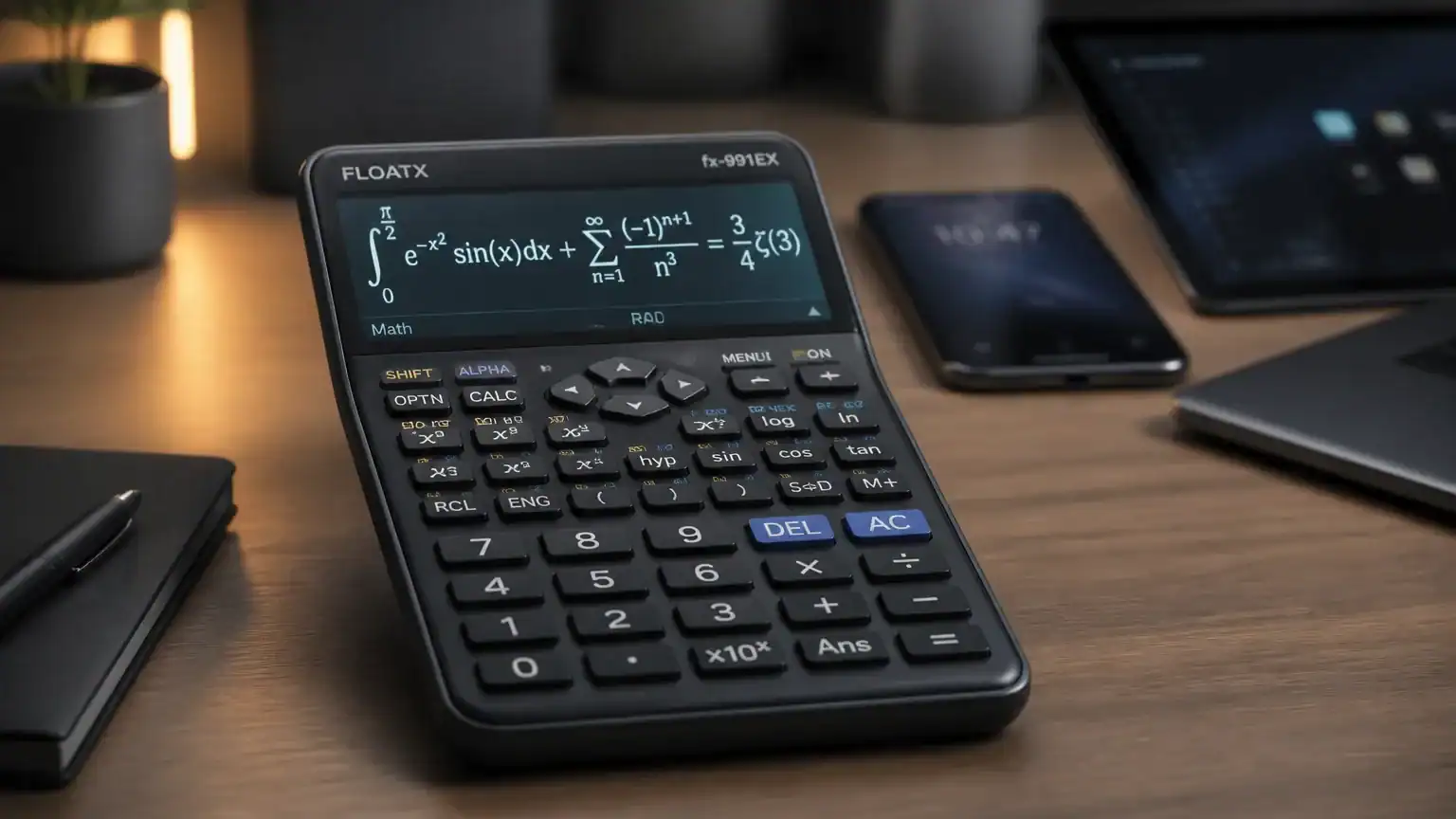
In today’s tech-savvy world, you might wonder, “is a calculator AI?” At first glance, a calculator seems like just a simple tool for crunching numbers. But when we delve deeper, we find that artificial intelligence (AI) is intricately woven into our daily lives, often hiding in plain sight within the gadgets we use.
AI is more than a buzzword; it’s a concept that encompasses various applications, from virtual assistants like Siri to recommendation algorithms on streaming platforms. While calculators perform calculations using established algorithms, they lack the adaptive learning and problem-solving capabilities that define true AI. Think of it this way: a calculator is like a well-trained dog—loyal and efficient at fetching data, but it won’t learn new tricks unless you program it to.
To explore this further, we’ll dissect the nature of AI versus traditional computational tools. By understanding these differences, we can better appreciate the nuances of technology surrounding us. For more insights into the broader applications of AI, check out Aivolut. With this foundation, let’s embark on a journey to uncover the fascinating intersection of AI and everyday tools like calculators.
1. What Constitutes Artificial Intelligence?
To understand whether a calculator is AI, we first need to clarify what artificial intelligence really means. At its core, AI refers to machines that can perform tasks typically requiring human intelligence. This includes learning from experience, adapting to new inputs, and making decisions.
Think of a calculator as a super-efficient tool. It follows programmed instructions to crunch numbers, but it doesn’t learn from the calculations it performs. In contrast, true AI exhibits adaptability. For instance, machine learning systems can improve their performance based on past mistakes, akin to a student who learns from their math errors.
Programmed responses, like those of a calculator, are fixed. They won’t change unless a human updates the software. On the other hand, learned behaviors, like those seen in AI, evolve over time, mimicking how we grow smarter through experience. So, while a calculator is brilliant at arithmetic, it lacks the adaptive intelligence that defines AI.
2. The Calculator: A Tool or An AI?
When we think about calculators, we often picture a trusty device that never tires of crunching numbers. However, can we really label it as AI? Traditional calculators operate on fixed algorithms, executing specific functions without any room for creativity or learning. They’re like a one-trick pony—great at their trick, but don’t expect them to juggle or dance!
In contrast, smart calculators have started to integrate features that resemble AI. They can adapt to user input, remember previous calculations, and even offer suggestions. This blurs the lines between a simple tool and a more intelligent system. Think of it as the difference between a loyal pet that knows how to fetch and a robot that learns tricks over time.
While calculators excel at arithmetic, their rigid frameworks mean they lack the innovative spark that characterizes AI. So, while you might wonder, “is a calculator AI,” the reality is that it remains a sophisticated tool, not a sentient being—no matter how many math problems it can solve!
3. Applications of AI Tools in Business
While calculators can crunch numbers faster than a caffeinated squirrel, the realm of AI offers a treasure trove of applications that elevate business operations to new heights. AI tools are reshaping industries, enhancing productivity, and streamlining decision-making processes.
Take predictive analytics, for example. Imagine a retail store that can forecast what products will fly off the shelves next season. By analyzing past sales data and customer behavior, AI helps businesses stock up on items that are likely to sell, minimizing waste and maximizing profit. It’s like having a crystal ball, but without the fog and mystic vibes.
Automated customer service is another game-changer. Picture this: a customer has a question at midnight. Instead of waiting for a human to respond (and likely falling asleep in the process), an AI chatbot swoops in, providing instant answers. This not only keeps customers happy but also allows companies to save on staffing costs. Think of it as a digital assistant who never takes a coffee break.
Finally, efficiency enhancements are everywhere. AI can analyze workflows, identify bottlenecks, and suggest improvements faster than you can say “is a calculator AI?” For instance, the AI Girlfriend Generator is a great example of how AI can adapt to user preferences, showcasing the dynamic capabilities of AI compared to static tools like calculators. Explore how it works and its benefits here.
In these ways, AI isn’t just transforming how businesses operate; it’s redefining the very fabric of decision-making and productivity, making calculators look like relics from the Stone Age.
4. The Future: AI Innovations on the Horizon
As we peek into the future, the landscape of AI is set to evolve in ways that could make calculators feel like ancient artifacts. Imagine AI tools that not only crunch numbers but also analyze market trends, predict consumer behavior, and even craft compelling narratives. Tech advancements are pushing the boundaries of what we thought possible.
For instance, the next generation of AI could revolutionize interactions with everyday tools. Instead of simply spitting out answers like a calculator, future AI could engage in conversations, providing insights tailored to your needs. Picture asking your AI assistant for the best strategies in your YouTube videos. You might just get a response that’s as engaging as a seasoned creator’s advice—check out the Best AI Tools for YouTube Creators in 2026 for a glimpse of what’s on the horizon.
These innovations could redefine not just business operations but also the creative processes across industries. With AI learning and adapting, we could see a future where collaboration with machines feels more like teaming up with a human partner, rather than using a basic tool.
5. Practical AI Solutions for Marketers and Creators
As we venture deeper into the realm of AI, it’s clear that marketers and creators have an array of innovative tools at their disposal. Unlike calculators, which are akin to a trusty old friend who only knows how to add and subtract, AI can learn, adapt, and offer insights that can reshape entire campaigns.
Imagine using AI-powered content creation tools that not only generate blog posts but also analyze audience sentiment. Tools like these can help you craft messages that resonate deeply, almost like having a personal marketing guru whispering suggestions in your ear. For instance, AI-Assisted Writing Tools for Beginners can assist in generating engaging copy while saving precious time.
Moreover, AI can optimize marketing strategies by analyzing data trends and consumer behavior. It’s like having a crystal ball that not only predicts future sales but also tells you the best time to post on social media. With advanced analytics, businesses can seamlessly integrate AI into everyday tasks, making decisions based on real-time insights rather than gut feelings alone.
These applications go beyond mere automation; they enhance creativity and efficiency. Imagine brainstorming sessions where AI contributes fresh ideas, transforming the process into a dynamic collaboration. The future is bright and full of possibilities, making traditional tools like calculators seem like yesterday’s news.
The Bottom Line: Are Calculators AI?
So, are calculators AI? The answer is no. While they perform specific tasks, calculators lack the defining traits of true artificial intelligence, such as learning and adapting. They’re excellent at crunching numbers but remain firmly within their programmed limits—like a dog that can fetch a ball but can’t learn to play chess.
Recognizing this distinction is vital as technology continues to evolve. By understanding what separates tools like calculators from AI, we can better appreciate the incredible advancements that are redefining our world.
As we venture deeper into the realm of intelligent machines, we should celebrate the unique role of each tool. From simple calculators to complex AI, each serves a purpose. But only one is on the road to becoming our next creative collaborator!
Related Articles

Is Character AI Generative AI? How It Works and What It Creates
Is Character AI generative AI? Yes. It creates original text responses from your prompts, conversation context, and patterns learned during training. Instead…
Read more
I for One Welcome Our AI Overlords: Meaning, Origin, and AI Culture
“I for one welcome our AI overlords” sounds like a joke because it is one—usually. The phrase signals ironic enthusiasm, reluctant acceptance, or humorous su…
Read more
What Are AI Skills? Essential Abilities for Today’s Workplace and Business
If you’ve wondered, what are AI skills, the answer goes beyond coding or building robots. AI skills are the practical abilities to understand what AI can do,…
Read more