
Is Generative Literature the Future of Storytelling?
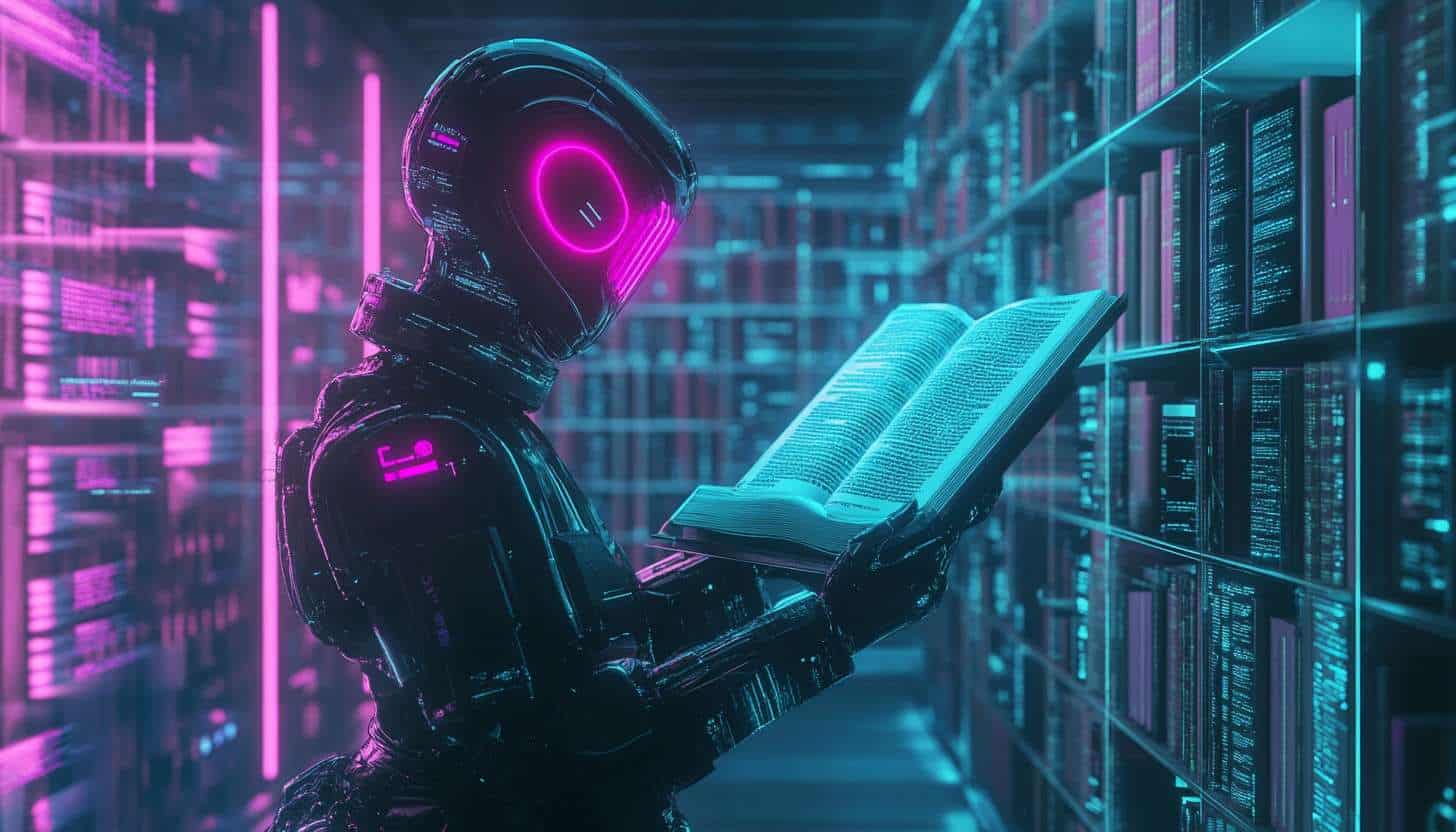
In today's digital age, generative literature is transforming the way we think about storytelling. This innovative form of writing uses technology to create narratives, allowing for unique and unexpected stories that challenge traditional methods.
At the heart of generative literature lies advanced algorithms and artificial intelligence. These tools enable AI storytelling, producing machine-generated narratives that can captivate and surprise readers in new ways. As we explore this fascinating intersection of creativity and technology, it becomes clear that generative literature is not just a passing trend; it is reshaping the future of storytelling itself.
What is Generative Literature?
Generative literature refers to works created through algorithms or artificial intelligence. It blends technology with creativity in writing, producing stories that are often unique and unpredictable. This form of digital literature challenges traditional storytelling by allowing machines to generate narratives based on specific inputs and parameters.
Historically, storytelling has relied on human imagination and personal experience. Over time, the rise of digital technology paved the way for new methods of creation. Generative literature emerged as a natural evolution, moving from oral traditions and printed texts to interactive and algorithm-driven narratives that can adapt to reader preferences.
One notable example of generative literature is "1 the Road," created by Ross Goodwin. This book was written using an AI system that generated text based on data from a road trip across America. Another prominent case is "Sunspring," a short film scripted entirely by an AI called Benjamin. These examples illustrate how generative literature can push boundaries and redefine what it means to create a story in today's digital landscape.
The Technology Behind Generative Literature
Generative literature relies heavily on algorithms to create engaging narratives. These algorithms analyze vast amounts of text data to identify patterns and structures that can be replicated in new stories. By using techniques such as natural language processing, they can generate unique plots and character arcs that resonate with readers.
Artificial intelligence plays a pivotal role in the realm of generative literature. AI systems can learn from existing works and synthesize new ideas based on their training. This capability not only enhances creativity but also introduces fresh perspectives that challenge traditional storytelling methods, prompting an ongoing authorship debate about the nature of creativity itself.
Numerous tools and platforms are emerging to facilitate generative writing. Applications like OpenAI's GPT-3 and Google's BERT allow writers to experiment with narrative generation in innovative ways. Whether used by experienced authors or beginners, an AI writing assistant can help streamline the creative process, making storytelling more accessible and dynamic.
As these technologies evolve, they will continue to redefine the landscape of literature. Writers may find themselves collaborating more with AI, blending human intuition with machine efficiency. This partnership could lead to a richer storytelling experience, where the lines between author and algorithm blur in fascinating ways.
Impacts on Creativity
Generative literature fundamentally challenges traditional notions of creativity. It blurs the lines between human authorship and machine-generated content. This shift prompts us to reconsider what it means to create a story in today's digital age.
Human authors have long been seen as the sole creators of narratives. However, with the rise of generative literature, narrative algorithms now play a significant role in shaping stories. This partnership raises questions about originality and artistic merit, as machines can produce vast amounts of content quickly.
Despite these challenges, there is immense potential for collaboration between writers and AI in storytelling. Authors can leverage interactive fiction tools to enhance their creative processes. Visual storytelling is also evolving, as an AI image generator can complement narratives by creating unique and dynamic illustrations, further blurring the boundaries between human and machine creativity.
In this evolving landscape, creativity may take on a new form. It will no longer solely belong to individual authors but instead emerge from a dynamic interplay between human insight and machine intelligence. This collaboration could lead to richer, more diverse storytelling experiences that captivate audiences in ways we have yet to imagine.
Redefining Authorship
In the age of AI-generated stories, authorship faces significant challenges. Questions arise about who truly owns a narrative created by an algorithm. This ambiguity complicates traditional notions of authorship, as literature and technology merge to create innovative storytelling methods that blur the lines between human and machine contributions.
Legal and ethical considerations are also at the forefront of this discussion. Intellectual property laws struggle to keep pace with advancements in generative literature. Who is responsible if a machine-generated story infringes on existing works? These concerns highlight the need for new frameworks that address the complexities of authorship in a tech-driven landscape.
Literary critics offer varied perspectives on the value of AI-created works. Some argue that these narratives lack the emotional depth characteristic of human storytelling. Others see potential in collaboration between writers and AI, suggesting that such partnerships can lead to richer literary experiences.
As literature and technology continue to evolve together, the debate over the essence of authorship will remain a focal point in discussions about innovative storytelling.
Redefining authorship in the context of generative literature raises important questions. Legal and ethical dilemmas challenge our understanding of ownership and creativity. As we navigate this new terrain, it is crucial to consider the implications for both creators and consumers in the world of literature shaped by technology.
The Future of Reading
Generative literature is set to transform how we consume stories in exciting ways. Readers may soon find themselves interacting with narratives that adapt based on their preferences and choices. This shift could lead to a more personalized reading experience, where each story feels uniquely crafted for the individual.
Engagement will likely evolve as generative literature encourages active participation. Readers might influence plot developments or character arcs through their decisions. This interactivity fosters a deeper connection to the narrative, making storytelling a collaborative process rather than a passive one.
As technology advances, predictions indicate that reading habits will continue to change. Traditional books may coexist with dynamic digital formats that incorporate generative literature elements. This evolution could lead to an influx of multimedia narratives, blending text with audio, visuals, and interactive components.
The future of reading is poised for transformation through generative literature. As readers become more involved in shaping stories, their relationships with narratives will deepen. The intersection of technology and storytelling promises a rich landscape for exploration and creativity in the years to come.
Educational Applications
Generative literature has exciting potential in educational settings. It can be used as a tool to enhance students' writing skills and boost their creativity. By interacting with AI-generated narratives, students can explore new styles and structures that might inspire their own writing.
One significant benefit of using generative literature in classrooms is the immediate feedback it offers. Students can experiment with different prompts and see how the AI responds in real-time. This interaction fosters a dynamic learning environment where students feel encouraged to take risks with their writing.
However, integrating AI-generated content into education does present challenges. Teachers may struggle with ensuring that students still develop their unique voices while relying on technology. There is also the concern of balancing traditional literary values with the innovative aspects of generative literature.
Despite these challenges, the educational applications of generative literature are promising. As educators adapt to this new landscape, they can leverage technology to engage students more deeply. Ultimately, the goal should be to enrich the learning experience without compromising the essence of storytelling.
Critiques and Concerns
Generative literature has sparked skepticism among writers and literary critics. Some argue that reliance on technology could undermine the depth and authenticity of storytelling. They fear that machine-generated narratives may lack the emotional nuance that human authors bring to their work.
Another concern is the risk of over-reliance on generative literature tools. As writers increasingly turn to algorithms for inspiration, there is a danger that creativity may become formulaic. Exploring resources like the best AI tools directory can help writers find a balance by selecting AI solutions that enhance, rather than replace, human creativity.
Balancing innovation with the preservation of traditional literary values is crucial. Generative literature can enhance storytelling, but it should not replace the unique voice of human authors. By finding ways to integrate technology while honoring classic narrative techniques, writers can create compelling stories that resonate deeply with audiences.
The conversation around generative literature must include these critiques and concerns. Addressing these issues will shape how this technology evolves in the literary landscape. Engaging with these perspectives will ensure that storytelling remains rich and varied in an increasingly digital world.
In Summary: Embracing the Future of Generative Literature
Generative literature is reshaping the way we think about storytelling. It challenges traditional methods and introduces new possibilities for creativity and collaboration. As we move forward, the impact of generative literature on authorship, reading, and education will continue to evolve.
The future trajectory of narrative creation in a tech-driven world is both exciting and uncertain. We must consider how generative literature will influence our engagement with stories. I invite readers to reflect on their own perspectives about generative literature and its place in our literary landscape.
Related Articles

Self Hosted AI Starter Kit for Secure Local AI Workflows
A self hosted ai starter kit gives small businesses, marketers, and creators a practical path to powerful AI without sending every prompt or file to a cloudR…
Read more
Tiny Script Generator: How to Choose Fast, Focused AI Writing
A tiny script generator can be a smarter AI writing choice when you need one focused job done quickly and consistently. “Tiny” describes its narrow, purpose-…
Read more
Discover the Top Titan Blogs for Space Enthusiasts and Explorers
Titan, Saturn’s largest moon, captivates the imagination of space enthusiasts around the world. Its thick atmosphere, vast lakes of liquid methane, and in…
Read more