
Is Your Content Distribution Plan Actually Driving Results
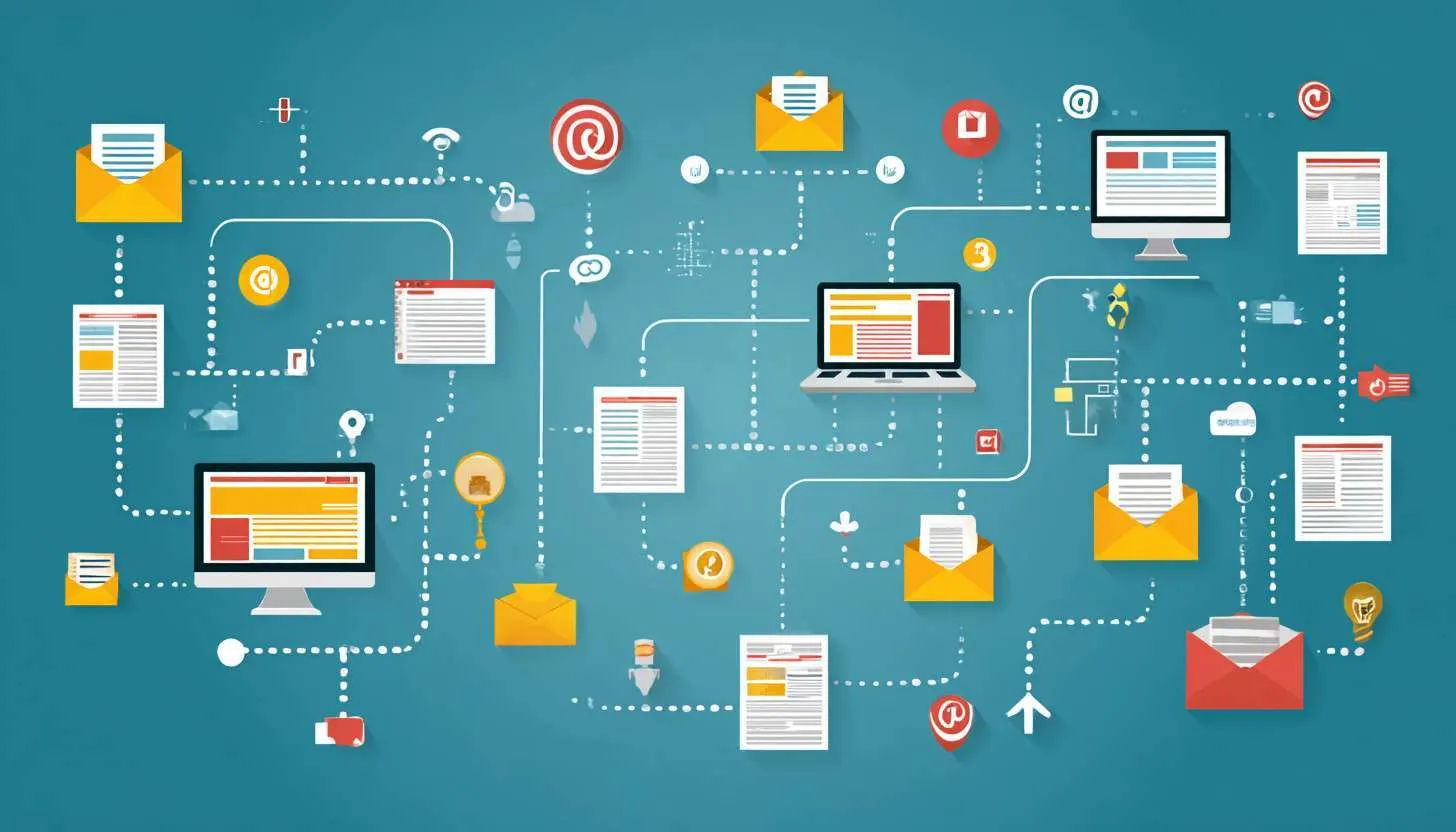
Creating great content is only half the battle in digital marketing. The other half depends entirely on how strategically you get that content in front of the right audience. A well-built content distribution plan is what separates brands that grow consistently from those that publish endlessly without impact.
What Is a Content Distribution Plan?
A content distribution plan is a structured framework that defines how, where, and when your content reaches your intended audience. It goes far beyond posting on social media or sending a weekly newsletter. It involves deliberate channel selection, audience segmentation, timing, and a clear system for tracking performance.
Many marketers confuse content creation with content marketing. They invest heavily in exploring different types of content creation but neglect the systems that move that content toward the right people. Without a distribution plan, even your most insightful content risks being completely overlooked.
Think of distribution as the engine powering your entire content strategy. It determines how far your message travels and how many meaningful conversions it generates. Every piece of content your team produces deserves a deliberate, mapped-out path to its intended audience.
Why Most Content Distribution Plans Fall Short
Most businesses treat distribution as an afterthought rather than a strategic priority. They create content first and then decide where to share it, which results in mismatched messaging and wasted time. Distribution strategy should be mapped out before a single word is written.
Another widespread mistake is depending on too few channels. Brands that limit themselves to one or two platforms expose their entire strategy to unnecessary risk. Diversifying your channels creates resilience and significantly broader reach over time.
Poor consistency is also a critical failure point. Understanding the right blogging frequency for your specific audience is essential to building and maintaining visibility. Irregular publishing patterns confuse platform algorithms and slowly erode audience trust.
The Three Core Pillars of a Strong Content Distribution Plan
Every effective content distribution plan rests on three pillars: audience clarity, channel strategy, and performance measurement. These three elements work together to ensure your content reaches the right people at precisely the right moment. Neglecting any one of them weakens your entire approach.
Audience clarity means knowing exactly who you are reaching, what challenges they face, and where they spend their time online. Without this foundation, your distribution efforts become scattered and difficult to evaluate. Deep, ongoing audience research is not optional; it is the bedrock of every decision you make.
Channel strategy determines which platforms and methods align best with your audience’s actual behavior. Performance measurement ensures you are monitoring the right metrics to assess whether your distribution is generating real returns. Together, these pillars create a system that is both scalable and repeatable.
Choosing the Right Channels for Your Distribution Plan
Not every channel deserves equal investment in your content distribution plan. Your choices should be driven by where your audience is genuinely active and most likely to engage with your content. Here are the primary distribution channels every marketer should understand:
- Owned channels: Your website, blog, email list, and mobile app. These give you full control over data and audience relationships.
- Earned channels: Press mentions, guest articles, organic shares, and backlinks from third-party sites. These build credibility and extend your organic reach authentically.
- Paid channels: Sponsored content, paid social advertising, and search engine marketing. These accelerate visibility when organic growth needs a boost.
- Social media platforms: LinkedIn for B2B audiences, Instagram and TikTok for visual storytelling, and X (formerly Twitter) for real-time conversation and thought leadership.
- Content syndication: Republishing your content on platforms like Medium, Flipboard, or relevant industry publications to introduce your brand to entirely new audiences.
- Collaborative distribution: Co-marketing campaigns with complementary brands, influencer partnerships, and community-driven sharing strategies that amplify reach organically.
The strongest content distribution plans leverage a deliberate mix of all three channel types. Overreliance on any single channel creates vulnerability that can cripple your strategy overnight. Diversification is protection.
Matching Content Formats to the Right Distribution Channels
Not all content performs equally well across every platform, and this is a distinction that matters enormously. A long-form blog post may excel on your website and within email campaigns but underperform as a standalone social post. Aligning your content format with its distribution channel directly impacts your return on investment.
Video content, for example, consistently outperforms static text on YouTube, Instagram Reels, and TikTok. Data visualizations and infographics tend to drive stronger engagement on Pinterest and LinkedIn. Recognizing these nuances allows you to repurpose content intelligently rather than simply duplicating the same asset everywhere.
Interactive content ideas such as quizzes, assessments, and interactive calculators are particularly powerful within a distribution plan. They naturally invite sharing and generate far higher engagement rates than passive, static content. Incorporating interactivity into your plan can substantially extend your content’s organic reach without increasing your paid budget.
Strong Content Ideation Fuels Long-Term Distribution
A distribution plan without a reliable pipeline of strong content ideas will eventually stall. Content idea generation should be a structured, ongoing process rather than a reactive scramble driven by deadlines. Sustainable distribution requires consistently fresh, relevant material to keep channels active.
Your content ideas should be shaped by your chosen distribution channels, not created independently of them. If LinkedIn is your primary platform, your ideas should reflect the professional, insight-driven format that performs well there. When ideation and distribution planning are aligned, content creation becomes significantly more efficient and purposeful.
Audience questions, seasonal trends, and gaps in competitor content all serve as powerful sources of new ideas. Building a content calendar that integrates both ideation and distribution creates clarity across your entire marketing team. It also eliminates the last-minute scramble that consistently leads to lower-quality output.
How AI Transforms Your Content Distribution Plan
Artificial intelligence has fundamentally changed how marketers approach distribution at scale. From automating scheduling to personalizing content delivery by audience segment, AI tools now handle tasks that once required entire departments. Exploring a comprehensive list of AI tools website will help you identify the right solutions to incorporate into your distribution workflow.
AI-powered platforms can analyze audience behavior patterns, predict optimal distribution times, and recommend which channels are most likely to perform well for a specific piece of content. Combining these capabilities with SEO optimization with AI ensures that your distributed content ranks well in search engines and reaches users who are actively looking for what you offer. These advantages allow lean marketing teams to execute distribution at a scale previously reserved for enterprise-level organizations.
Automated writing software has also transformed content production for distribution pipelines. With the support of the best AI writing tools, marketers can produce high-quality content consistently without sacrificing brand voice or accuracy. Faster, more reliable production means more material available for distribution across more channels simultaneously.
Optimization Is the Missing Link in Most Distribution Plans
Distributing content that has not been properly optimized for its intended channel is a costly and common mistake. Content optimization techniques involve tailoring your content’s format, tone, length, and keywords to match both the platform and your audience’s expectations at that moment. Optimization is what transforms decent content into genuinely high-performing content.
SEO optimization, for instance, ensures your blog posts continue attracting organic traffic long after their initial publication date. Social media optimization means crafting captions, selecting hashtags, and designing visuals that encourage engagement on each specific platform. Email optimization focuses on subject lines, preview text, and content structure that together maximize open rates and click-throughs.
A distribution plan that incorporates optimization at every stage consistently outperforms one that pushes raw, unrefined content into channels. Think of optimization as quality control for your distribution efforts. It ensures every piece of content you release is performing at its highest possible capacity.
Engineering Viral Distribution Through Intentional Strategy
Every marketer aspires to see their content spread organically beyond their existing audience. Learning proven tips for viral marketing gives your distribution plan a significant advantage in generating earned media and social sharing. Viral distribution is not a lucky accident; it is engineered through emotional relevance, precise timing, and inherent shareability.
Content that triggers a strong emotional response, delivers genuine and unexpected value, or challenges a widely accepted assumption tends to generate organic sharing. Designing content with shareability in mind from the very beginning changes how you write, structure, and distribute it. When your audience actively becomes part of your distribution network, your reach multiplies in ways that no paid budget can replicate.
Timing is equally critical to achieving broad organic distribution. Publishing content when your audience is most active and when the topic aligns with current cultural conversation significantly increases its probability of spreading. A well-timed, emotionally resonant piece of content can outperform a heavily funded paid campaign with remarkable regularity.
Measuring and Refining Your Content Distribution Plan Over Time
No distribution plan is complete without a structured measurement framework guiding it. Tracking the right metrics tells you which channels are delivering the most value and which need to be reconsidered or eliminated. Data-driven refinement is what separates consistently successful content marketers from those who repeat ineffective strategies year after year.
Key performance indicators to monitor include reach, engagement rate, click-through rate, conversion rate, and return on investment per individual channel. Reviewing these metrics monthly allows you to make confident, informed adjustments without overreacting to short-term data fluctuations. Consistency in measurement ultimately leads to clarity in overall strategy.
Auditing your content distribution plan on a quarterly basis ensures it remains aligned with your evolving business goals and audience behavior. Markets shift, platform algorithms change, and audience preferences evolve in ways that can render previously successful strategies obsolete. A distribution plan that is reviewed and updated regularly stays competitive and continues delivering meaningful results.
In Summary
A content distribution plan is not a luxury for large marketing teams with unlimited budgets. It is a strategic necessity for any brand that wants its content to generate measurable, lasting business impact. From channel selection and format alignment to AI-powered optimization and disciplined performance measurement, every element of a distribution plan plays a critical and interconnected role. Building this plan with intention and refining it with data is what transforms content marketing from an overhead expense into a genuine, compounding growth engine for your brand.
Related Articles

Is Artificial Intelligence in Content Marketing the Future?
Artificial intelligence is reshaping content marketing by making it faster, smarter, and more personalized. Learn how AI can elevate your strategy and results.
Read more
Why Measuring Content Effectiveness Is Key To Success
Not all content delivers real results. Measuring content effectiveness helps you refine strategy and focus on what truly works.
Read more
Automated Writing Tools Reshape Writing 2026
Writing is evolving faster than ever. These automated writing tools show how technology is reshaping content creation in 2026.
Read more