
7 Jobs AI Will Never Take From You
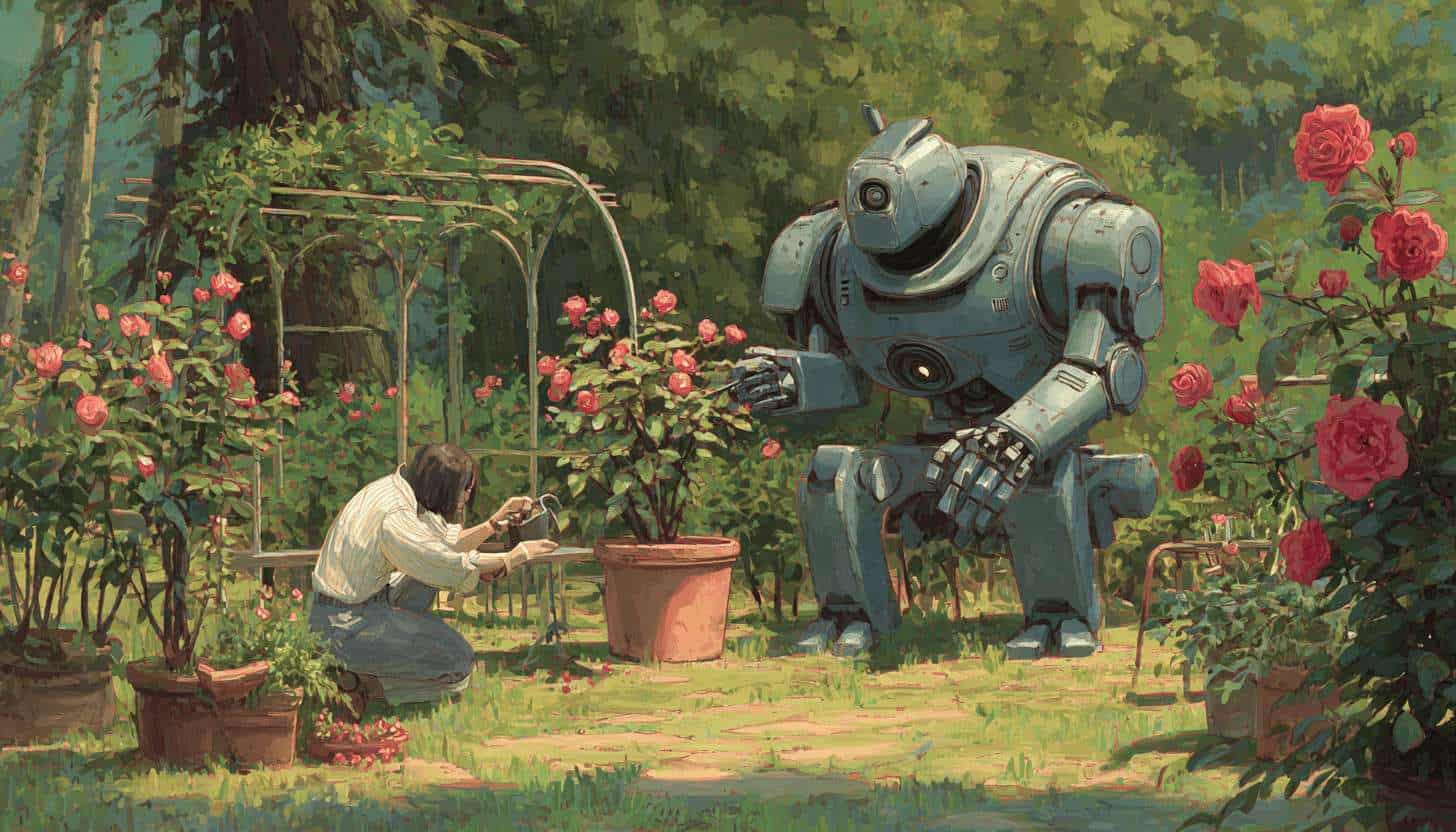
As artificial intelligence continues to advance, many workers find themselves wondering: Will my job be replaced? The fear of AI job replacement looms large, casting a shadow over various industries. From manufacturing floors to corporate offices, it seems that technology is poised to take over tasks once deemed uniquely human. Yet, as we navigate this rapidly changing landscape, it becomes clear that certain professions will always rely on skills that machines simply cannot replicate.
At the heart of these roles lies emotional intelligence — the ability to understand and connect with others on a profound level. Healthcare professionals, educators, and mental health counselors rely not just on knowledge, but on empathy and genuine human connection. These qualities foster trust, compassion, and creativity — elements of work that remain irreplaceable in an increasingly automated world. As we explore the eight jobs that AI will never take from us, we uncover the enduring value of human skills that enrich our lives and communities. Join us as we delve into the professions where the human touch is not only essential but celebrated.
1. Healthcare Professionals
As artificial intelligence continues to evolve, many worry about job replacement in various sectors. However, healthcare remains a field where human connection is irreplaceable. Patients often seek more than just medical expertise; they crave empathy and emotional support during vulnerable moments. Imagine a nurse holding the hand of a scared child before surgery or a doctor taking the time to listen to a patient’s fears about a diagnosis. These simple acts of compassion can make all the difference in patient care, fostering a sense of security that AI cannot replicate.
In the chaotic environment of an emergency room, critical thinking and swift decision-making are paramount. A healthcare professional must assess a situation, weigh options, and act decisively — often in life-and-death scenarios. While AI can assist with data analysis and diagnostic support, it lacks the nuanced understanding required to navigate human emotions and ethical dilemmas. For instance, consider a doctor faced with two patients needing immediate care; the ability to prioritize based on personal values and emotional intelligence is something that only a human can provide.
Building trust and rapport with patients is another cornerstone of effective healthcare. A skilled physician knows that a good relationship can lead to better outcomes. When patients feel comfortable discussing their symptoms and concerns, they are more likely to adhere to treatment plans. This bond takes time and effort, cultivated through genuine interactions that machines simply cannot offer. Whether it’s remembering a patient’s name or acknowledging their worries, these small gestures foster a therapeutic alliance that enhances healing.
In essence, while AI may assist healthcare professionals by streamlining administrative tasks or providing data insights, it will never replace the human touch. The blend of empathy, critical thinking, and personal connection is essential in healthcare, ensuring that the patient experience remains at the forefront of care. As we advance into an era where technology plays an increasing role, the importance of human qualities in this field cannot be overstated.
2. Mental Health Counselors
In a world increasingly influenced by technology, the role of mental health counselors stands out as a bastion of genuine human connection. Therapy is more than just a series of questions and answers; it is about building a rapport that allows clients to feel safe and understood. This emotional bond cannot be replicated by artificial intelligence. When someone walks into a therapist’s office, they bring with them a complex tapestry of experiences, fears, and hopes. It is the counselor’s task to navigate this intricate landscape with empathy and compassion — qualities that machines simply cannot replicate.
Understanding the nuances of human emotion is a vital skill for mental health professionals. Each individual comes with their own unique story and set of challenges. A skilled counselor listens not just to the words being spoken but also to the unspoken emotions that linger beneath the surface. For instance, a client may express frustration about work stress, but a trained counselor can discern deeper feelings of inadequacy or fear of failure. This level of insight requires a human touch, one that is informed by years of experience, training, and a genuine desire to help. AI may analyze patterns in data, but it lacks the emotional intelligence necessary to comprehend the complexities of human life.
Moreover, effective mental health counseling often involves tailoring treatment to meet individual needs. This customization is crucial because what works for one person may not resonate with another. A seasoned counselor might combine traditional therapeutic techniques with creative approaches, such as art therapy or mindfulness practices, based on the client’s preferences and responses. Such adaptability requires an understanding of human behavior that is nuanced and intuitive — traits that AI systems are far from mastering. In healthcare careers like this, the ability to pivot based on emotional cues and feedback is what makes a significant difference in a client’s healing journey.
Ultimately, mental health counselors play an irreplaceable role in supporting individuals through their struggles. Their work underscores the importance of human interaction in an age dominated by technology. While AI may assist in various aspects of healthcare, when it comes to mental well-being, nothing can replace the warmth of a compassionate conversation or the comfort of knowing someone truly understands. As we navigate the future alongside advancing technologies, it is crucial to recognize and celebrate the invaluable contributions of those who dedicate their lives to mental health care.
3. Educators and Teachers
In a world increasingly influenced by artificial intelligence, the role of educators remains irreplaceable. Teachers do more than just convey facts; they ignite curiosity and foster creativity in their students. For instance, consider a high school art teacher who encourages students to explore various mediums. This guidance not only nurtures artistic talent but also cultivates critical thinking skills as students learn to analyze their work and make creative choices. Such engagement is unique to human interaction, where encouragement and inspiration lead to breakthroughs that AI simply cannot replicate.
Mentorship is another cornerstone of effective teaching. A dedicated teacher often serves as a guiding figure for students, providing support and advice that extend beyond the classroom. Think of a middle school math teacher who notices a student’s struggle with self-confidence. By investing time to build that student’s belief in their abilities, the teacher opens doors to personal growth that can significantly impact their future. This kind of relationship — rooted in understanding and empathy — cannot be substituted by technology.
Moreover, effective educators adapt their teaching styles to meet the diverse needs of their students. In a classroom filled with varied learning preferences, one teacher might use visual aids, while another employs hands-on activities to engage kinesthetic learners. Such adaptability requires insight into individual learning styles and emotional intelligence — qualities that AI lacks. Just as social workers navigate complex social systems with compassion, teachers tailor their approaches to ensure every student feels seen and valued.
As we look to the future, the importance of human qualities in education will only grow. While AI can assist with grading or provide information, it cannot replace the connection formed through genuine mentorship or the creative spark ignited by a passionate teacher. In essence, educators play a vital role in shaping not just knowledgeable individuals but well-rounded citizens who can think critically and empathize with others — skills that remain essential in any job market, especially in fields like social work.
4. Creative Professionals
As artificial intelligence continues to make strides in various industries, the realm of creativity remains a sanctuary for human expression. Originality and innovation are the lifeblood of creative professionals — artists, writers, musicians, and designers — who harness their unique perspectives to craft work that resonates on a deeply personal level. While AI can generate art or music based on patterns and algorithms, it lacks the ability to infuse genuine emotion and context into its creations. A piece of music inspired by personal heartbreak or a painting reflecting a fleeting moment of joy cannot be replicated by a machine; it is the essence of human experience that makes such works irreplaceable.
Emotional storytelling is another facet where humans excel. Consider a novelist weaving together characters who embody complex emotions, or a filmmaker capturing the nuances of love and loss through visual imagery. These narratives draw from the human condition, inviting audiences to connect with their own experiences. While AI can analyze data to predict trends or mimic styles, it cannot truly understand what it means to feel joy, pain, or nostalgia. The stories we tell and the art we create are imbued with our lived experiences, making them profoundly impactful in ways that AI-generated content cannot replicate.
Moreover, the collaborative nature of creative projects underscores the importance of human interaction in the arts. From brainstorming sessions among writers to jam sessions between musicians, creativity flourishes through shared ideas and diverse perspectives. Collaborating often leads to unexpected breakthroughs that can only arise from authentic human connection. A designer might gain inspiration from a conversation with a fellow artist, leading to a fresh approach that no algorithm could foresee. This interplay of ideas is vital to the creative process, reinforcing why these roles remain irreplaceable in an age increasingly dominated by AI job replacement concerns.
In essence, while technology can assist in various tasks, it cannot replace the heart and soul that creative professionals bring to their work. The originality, emotional depth, and collaborative spirit inherent in artistic endeavors ensure that these jobs will continue to thrive alongside advancements in AI. As we navigate this evolving landscape, it is clear that the creative professions will always need the uniquely human touch that machines simply cannot provide.
5. Skilled Tradespeople
In a world increasingly dominated by technology, the skilled trades offer a refreshing reminder of the irreplaceable value of hands-on expertise. Electricians, plumbers, and carpenters engage in problem-solving that requires a deep understanding of their craft. When faced with a malfunctioning electrical system or a leaky pipe, these professionals rely on their training and instincts to find solutions that are not always straightforward. Unlike AI, which excels at data processing but struggles with real-world unpredictability, tradespeople thrive on the challenges presented by each unique job site.
Physical dexterity is another hallmark of skilled trades. The precise movements required for tasks like installing intricate tile patterns or fine-tuning an HVAC system cannot be easily replicated by machines. This level of craftsmanship embodies not only technical skill but also a commitment to quality and detail. For instance, a seasoned carpenter can envision the final product while crafting each joint, ensuring durability and aesthetic appeal. Such nuanced work depends on years of experience and a tactile understanding of materials — qualities that remain firmly within the realm of human capabilities.
Moreover, the nature of skilled trades fosters relationships built on trust and service. Tradespeople often find themselves in clients’ homes, where establishing rapport is crucial. A friendly conversation while fixing a furnace can ease a homeowner’s anxiety during an otherwise stressful situation. This ability to connect on a personal level differentiates human workers from automated systems. Clients appreciate the care and attention they receive from someone who understands not just the mechanics of the job but also the emotional context surrounding it.
As technology continues to reshape various industries, the impact on jobs is undeniable. However, in the realm of skilled trades, the demand for human touch remains strong. The fusion of expertise, physical skill, and interpersonal connection ensures that tradespeople will continue to play a vital role in our society, meeting needs that technology alone cannot fulfill.
6. Sales and Customer Service Representatives
In an age where AI job replacement looms large, the role of sales and customer service representatives remains indispensable. These professionals thrive on personalizing interactions to meet the unique needs of each customer. Consider a scenario where a customer calls with a complaint about a defective product. An AI might provide scripted responses, but a human representative can empathize, ask probing questions, and truly understand the customer’s frustration. This ability to connect on a personal level fosters loyalty and satisfaction that no algorithm can replicate.
Building long-term client relationships based on trust is another cornerstone of this profession. While AI can analyze data to suggest products or services, it lacks the emotional intelligence required to nurture genuine connections. For instance, a skilled sales representative remembers a client’s previous purchases and preferences, allowing them to offer tailored recommendations. This personal touch not only enhances the customer’s experience but also cultivates a rapport that leads to repeat business. In a world driven by transactions, these meaningful relationships set human representatives apart.
Moreover, sales and customer service roles often involve navigating complex issues that require human judgment. Imagine a situation where a customer faces an unusual problem that isn’t covered by standard policies. An AI might rigidly adhere to its programmed guidelines, potentially leaving the customer frustrated. In contrast, a human representative can assess the situation holistically, considering factors like context, urgency, and individual circumstances. This nuanced approach ensures that customers feel heard and valued, enhancing their overall experience.
As we look toward the future of work, it’s clear that while AI will undoubtedly play a role in streamlining certain processes, it cannot replace the fundamental human skills that drive successful sales and customer service interactions. The empathy, trust-building, and critical thinking abilities of these professionals are irreplaceable assets that continue to be vital in today’s dynamic marketplace.
7. Non-Profit Sector Roles
In a world increasingly influenced by technology, the non-profit sector stands as a testament to the power of human connection and empathy in professions. These roles are driven by passion and a commitment to making a difference in communities. Whether it’s feeding the hungry, advocating for social justice, or supporting mental health initiatives, non-profit workers are deeply invested in the issues they tackle. Their work goes beyond mere transactions; it is about fostering relationships and creating lasting impact.
Understanding and addressing social issues requires more than just data analysis or algorithms. It demands a personal touch, an ability to see beyond statistics and connect with individuals on a human level. For instance, social workers often engage with clients who have faced trauma or hardship. They need to listen actively and respond with compassion, tailoring their support to each person’s unique circumstances. This kind of nuanced understanding cannot be replicated by artificial intelligence, which lacks the emotional intelligence necessary to navigate complex human experiences.
Moreover, engaging stakeholders is another area where non-profit professionals shine. They craft emotional narratives that resonate with donors and community members alike. Take, for example, a local charity that focuses on homelessness. Their success often hinges on the stories they share — real-life accounts of individuals who have transformed their lives with the help of donations. These narratives inspire action and foster a sense of community that no automated system could replicate.
Ultimately, non-profit sector roles embody the essence of empathy in professions. In an age where technology continues to advance, the heart of these jobs remains firmly rooted in human connection. As we look to the future, it’s clear that careers focused on community impact will thrive, not just survive, alongside AI technologies. They remind us that at the core of every social change lies a shared humanity that no machine can ever truly understand.
The Enduring Value of Human Skills
As we navigate a world increasingly shaped by technology, it’s crucial to remember the unique qualities that define us as humans. From empathy in healthcare to creativity in the arts, certain professions rely on interpersonal skills that AI simply cannot replicate. The jobs highlighted in this article remind us that while AI job replacement is a growing concern, there will always be a need for the human touch. Whether it’s a comforting word from a mental health counselor or the trust built by a skilled tradesperson, these roles thrive on connections that machines cannot forge.
Embracing careers that prioritize these human qualities not only secures your place in the workforce but also enriches the lives of those around you. As we move forward alongside advancing technologies, let us champion the importance of compassion, creativity, and critical thinking in our work. The future may be intertwined with AI, but it is the human spirit that will ultimately guide our path.
Related Articles

Self Hosted AI Starter Kit for Secure Local AI Workflows
A self hosted ai starter kit gives small businesses, marketers, and creators a practical path to powerful AI without sending every prompt or file to a cloudR…
Read more
Tiny Script Generator: How to Choose Fast, Focused AI Writing
A tiny script generator can be a smarter AI writing choice when you need one focused job done quickly and consistently. “Tiny” describes its narrow, purpose-…
Read more
Discover the Top Titan Blogs for Space Enthusiasts and Explorers
Titan, Saturn’s largest moon, captivates the imagination of space enthusiasts around the world. Its thick atmosphere, vast lakes of liquid methane, and in…
Read more