
Must-Have AI Tools for Photographers Now
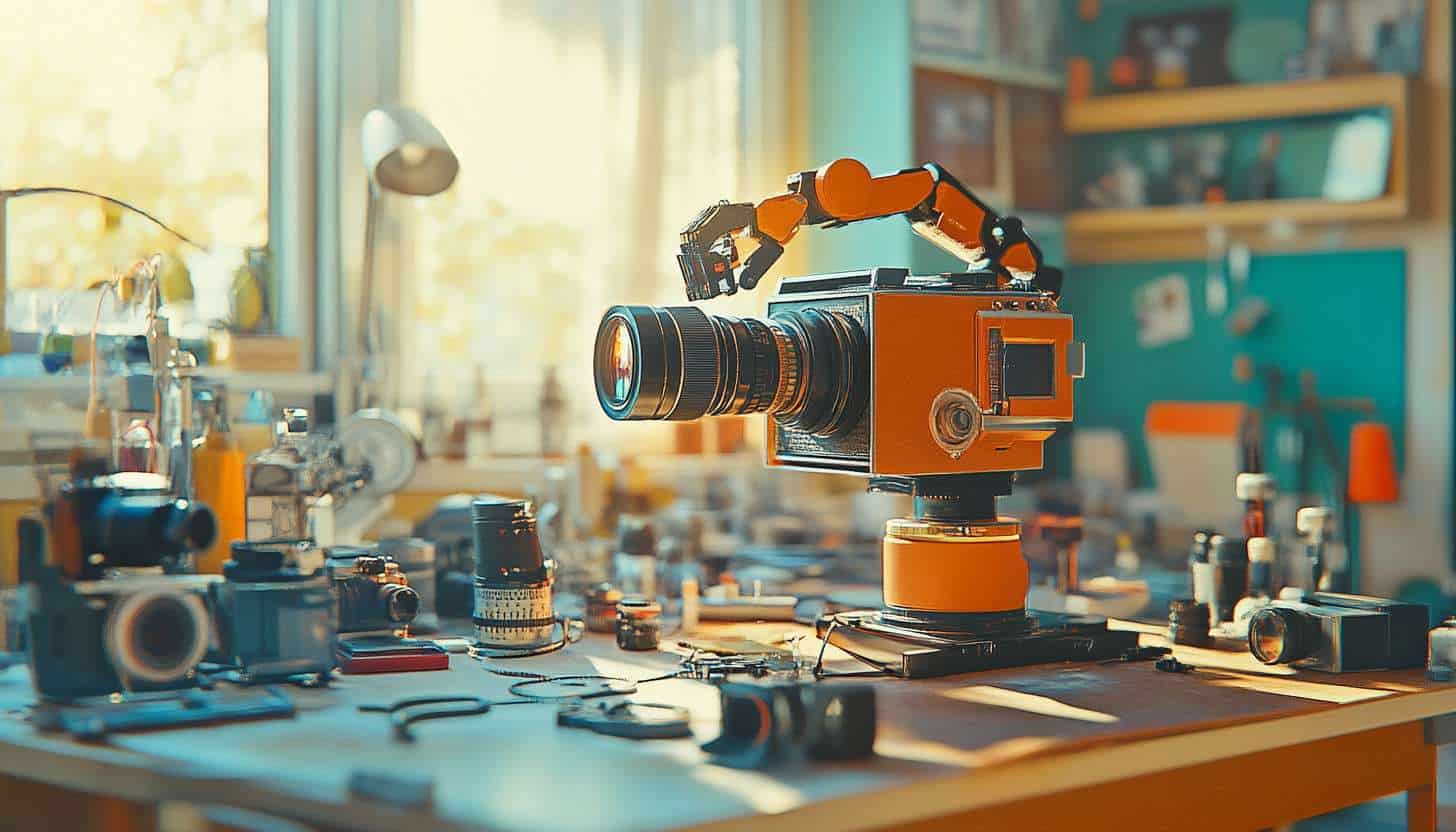
In today’s fast-paced world, photographers are constantly seeking ways to improve their photography workflow. AI tools for photographers have emerged as a game-changer, offering innovative solutions to streamline the editing process and enhance creativity.
Efficiency is key in photography, especially when dealing with large volumes of images. By integrating automated graphic design tools into your photography workflow, you can save time and focus on what truly matters: capturing stunning visuals. These advancements in image editing software not only simplify tasks but also elevate the quality of your final work.
What Are AI Tools for Photographers?
AI tools for photographers are software applications that leverage artificial intelligence to enhance the photography workflow. These tools can automate tasks, analyze images, and offer editing suggestions, making them invaluable for professionals and enthusiasts alike. Some popular examples include Adobe Sensei, Skylum Luminar AI, and Capture One, each offering unique functionalities that streamline the editing process.
Unlike traditional editing methods, which often require manual adjustments, AI tools provide automatic photo editing and intelligent editing suggestions. This means that instead of spending hours sorting through images or making tedious edits, photographers can rely on AI to do much of the heavy lifting. The ability of these tools to learn from user preferences also sets them apart, allowing for more personalized and efficient editing experiences.
The growing importance of AI in the photography industry cannot be overstated. As photographers face increasing demands for quick turnaround times and high-quality results, AI image generation comparison offers solutions that save both time and effort. With the continuous advancements in technology, integrating AI into photography workflows is becoming essential for staying competitive and meeting client expectations.
Automatic Image Tagging and Organization

Automatic image tagging is a game-changer for photographers. It saves time by eliminating the tedious task of manually organizing images. With AI-powered tools, photographers can focus more on creativity and less on administrative work.
Several productivity tools for photographers now offer advanced image organization features. For instance, Adobe Lightroom uses AI to tag images based on content, location, and even facial recognition. This smart tagging makes it easier to find specific photos quickly, enhancing overall workflow efficiency.
AI also improves searchability within large photo collections. Instead of scrolling through countless images, photographers can simply search for keywords or tags. This capability allows for faster retrieval of images, which is crucial for tight deadlines in professional settings.
Incorporating automatic tagging into your photography workflow can significantly boost productivity. By using these innovative tools, you can streamline your processes and spend more time on photo enhancement and creative projects. The future of photography looks promising with such efficient organizational solutions.
Intelligent Editing Suggestions
AI tools for photographers have revolutionized the way editing is approached. These tools offer intelligent editing suggestions that help streamline the creative process. By analyzing images, they provide recommendations for adjustments, saving time and enhancing quality.
Several popular tools excel in AI-driven editing. Adobe Lightroom and Skylum Luminar are prime examples. They utilize AI algorithms to suggest enhancements like color correction and exposure adjustments based on the content of the image.
The impact of these AI-driven editing suggestions on creative decision-making is significant. Photographers can focus more on their artistic vision rather than getting bogged down by technical details. This creative automation allows for quicker edits, resulting in increased productivity and more time for exploration and experimentation.
Enhancing Image Quality with AI

AI tools have revolutionized how photographers enhance image quality. Noise reduction and sharpening are two critical areas where these tools excel. For instance, software like Topaz DeNoise uses advanced algorithms to remove unwanted noise while preserving essential details, allowing photographers to maintain the integrity of their images.
Moreover, AI technology can significantly improve color correction and exposure adjustments. Tools such as Adobe Lightroom utilize machine learning to analyze images and make intelligent suggestions for color balance and brightness levels. This capability not only saves time but also helps achieve a polished look without extensive manual intervention.
Using AI for these enhancements can streamline the editing process, making it more efficient. Time-saving techniques like automatic noise reduction and smart sharpening allow photographers to focus on their creative vision rather than getting bogged down in technical adjustments. As a result, the integration of AI into photography technology leads to better outcomes with less effort.
AI-driven tools have become essential for enhancing image quality in photography. They provide photographers with advanced capabilities for noise reduction, sharpening, color correction, and exposure adjustment. Embracing these tools can elevate your work while saving you valuable time in the editing phase.
Streamlining the Workflow Process
Integrating AI tools for photographers into daily workflows can greatly enhance efficiency. By automating repetitive tasks, photographers can focus more on their creative vision rather than mundane activities. This shift allows them to spend more time capturing stunning images and less time behind a computer screen.
There are several tools available that help streamline workflows. For example, software like Adobe Lightroom uses AI to sort and categorize images based on content. This feature eliminates the need for manual tagging, allowing photographers to quickly find the images they need and move on to editing.
Real-life examples showcase the productivity gains achieved through AI implementation. Many photographers report a significant reduction in time spent on tasks such as image selection and organization. By adopting high-quality image upscaling, they have managed to complete projects faster, which ultimately leads to increased client satisfaction and more business opportunities.
In addition to saving time, these tools also improve overall workflow quality. Photographers can rely on intelligent algorithms to handle tedious tasks, leaving them free to concentrate on their artistic expression. Embracing AI in photography not only enhances productivity but also enriches the creative process itself.
Collaboration and Sharing Made Easier

AI tools have revolutionized how creative teams collaborate. They enable real-time sharing of images and edits among team members. This instant access helps streamline communication and ensures everyone is on the same page.
Tools like Adobe Creative Cloud and Frame.io allow photographers to upload their work and receive immediate feedback. These platforms incorporate AI features that help organize comments and suggestions efficiently. As a result, photographers can make quick adjustments based on client or team input.
Moreover, AI tools can enhance client communication. For instance, some platforms use AI to analyze client preferences and suggest edits accordingly. This tailored approach not only improves client satisfaction but also fosters a more collaborative environment.
AI tools significantly simplify collaboration and sharing in photography. They facilitate smoother communication and expedite feedback collection. By adopting these technologies, photographers can enhance their workflow and improve overall project outcomes.
Challenges and Considerations
While AI tools for photographers offer many benefits, there are potential drawbacks to consider. Over-reliance on these tools may lead to a decline in fundamental editing skills. Photographers might find themselves depending too much on AI for creative decisions, which can stifle personal growth and artistic expression.
Ethical considerations also arise with artificial intelligence image generator tools. For example, AI tools for photographers may unintentionally alter the essence of a subject by applying excessive enhancements. This raises questions about authenticity and the integrity of the final image, especially in documentary or journalistic photography where honesty is crucial.
Balancing creativity with technology becomes essential in this new landscape. While AI tools can streamline workflows and enhance productivity, they should not replace the unique vision of the photographer. Embracing AI as a supportive tool rather than a crutch allows photographers to harness its power while maintaining their creative identity.
Navigating the integration of AI tools for photographers requires thoughtful consideration. Being aware of these challenges can help artists maintain their skills and ethical standards while benefiting from technological advancements. Ultimately, finding the right balance will ensure that creativity continues to thrive in an increasingly automated world.
In Summary
AI tools for photographers have the potential to transform workflows significantly. These tools enhance efficiency, creativity, and collaboration while allowing photographers to focus on their artistic vision.
Exploring and adopting the best AI tools directory can lead to improved results and a more streamlined editing process. As technology continues to evolve, the future of photography will increasingly rely on these innovative solutions to elevate creative work. Embrace the change and discover how AI tools for photographers can enhance your craft today.
Related Articles

Unlocking VSCO Blogs: Creative Ideas and Visual Storytelling Tips
VSCO blogs have emerged as a vibrant platform for creative expression, blending stunning visuals with compelling narratives. As a part of the VSCO ecosystem,…
Read moreMaster Mobile Image Optimization for Stunning Visuals
In today’s digital landscape, mobile image optimization is more crucial than ever. With the majority of users accessing websites via their smartphones, op…
Read more
The Ultimate Guide to 2025’s Best Photo Restoration Software
In the world of photography, memories can fade, but photo restoration software brings them back to life. This essential tool is vital for photographers and arti…
Read more