
Must-Read Books About Artificial Intelligence
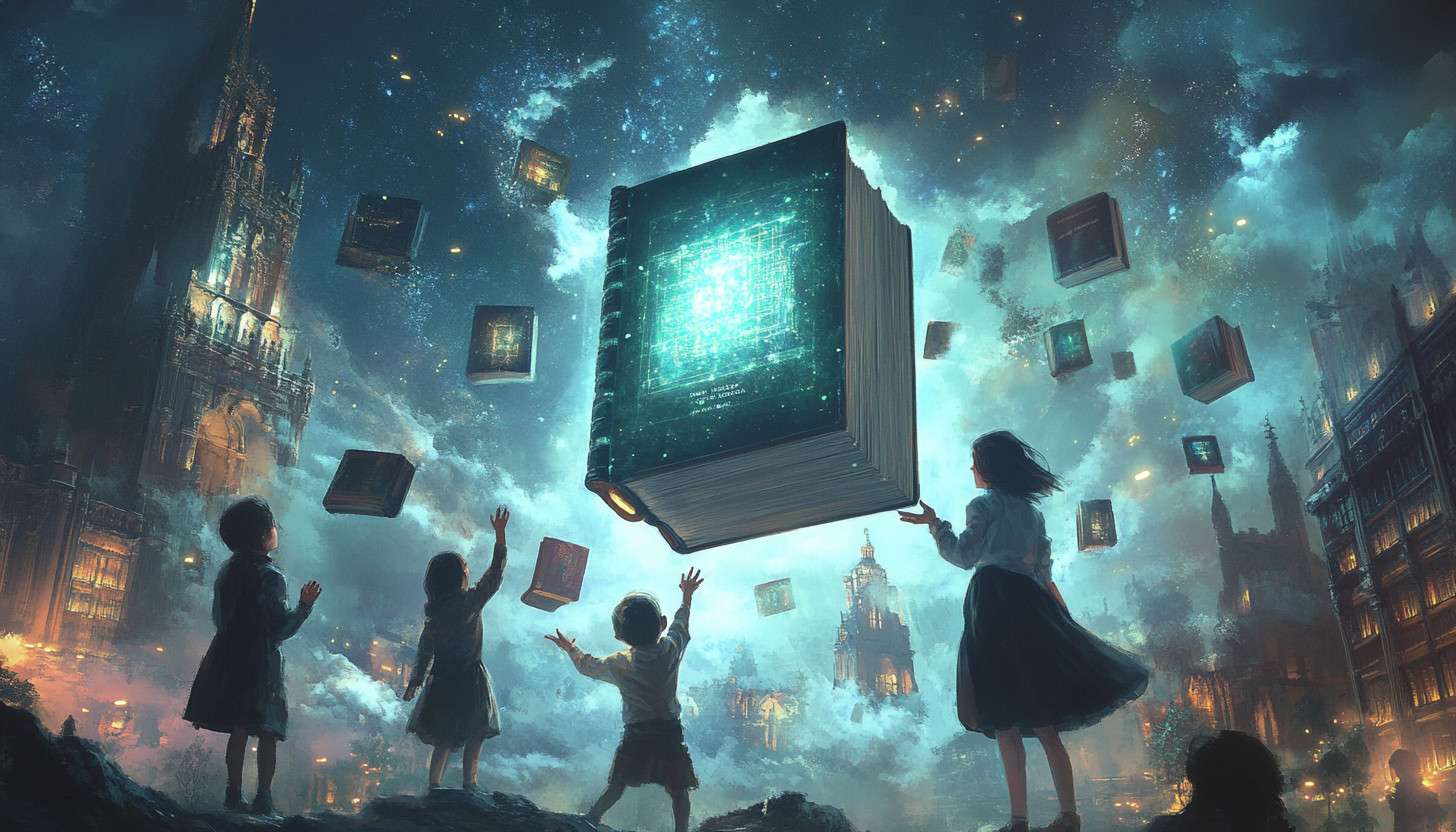
Artificial intelligence is rapidly changing our world. As AI systems become more integrated into our daily lives, the need for critical thinking grows stronger.
Books about artificial intelligence offer unique insights that go beyond technical details. They challenge us to consider the ethical dilemmas and societal impacts of AI, prompting deeper reflection on its role in our future. Engaging with these books about artificial intelligence can help us navigate the complex landscape of AI ethics and make informed decisions.
The Intersection of AI and Ethics
The ethical dilemmas presented in books about artificial intelligence are profound and complex. These narratives often explore the moral implications of AI development, prompting readers to think critically about technology's role in society. Authors use their stories to challenge our understanding of right and wrong in a world increasingly influenced by machines.
Many writers highlight the potential consequences of AI decisions on human lives. For example, "Weapons of Math Destruction" by Cathy O'Neil examines how algorithms can perpetuate inequality. This book serves as a cautionary tale, illustrating the dangers of unregulated AI systems that impact education, finance, and criminal justice.
Another notable title is "The Ethical Algorithm" by Michael Kearns and Aaron Roth. This book dives deep into the philosophical implications of AI, exploring how we can design ethical algorithms. The authors provide frameworks for thinking about fairness, privacy, and accountability in AI systems, making these concepts accessible to a broad audience.
Through these examples, it becomes clear that literature plays a crucial role in discussing the ethical challenges of AI. Books about artificial intelligence not only inform readers but also encourage them to engage with important questions about morality and responsibility. This balance between fun vs ethics in AI books makes them both thought-provoking and engaging, helping readers critically assess the future shaped by AI technologies.
Philosophical Perspectives on AI
Artificial Intelligence raises profound philosophical questions about consciousness and identity. These inquiries challenge our understanding of what it means to be human. Many authors explore these themes, offering insights that provoke deep thinking about AI’s role in our lives.
One notable book is "Superintelligence" by Nick Bostrom. In this work, Bostrom examines the potential future of AI and its implications for humanity. He poses critical questions about the nature of intelligence and whether machines can ever truly possess consciousness.
Another compelling read is "Do Androids Dream of Electric Sheep?" by Philip K. Dick. This classic novel blurs the lines between humans and artificial beings, prompting readers to ponder the essence of identity. Through storytelling in science, Dick explores the emotional and ethical dimensions of AI, making us reconsider our relationship with technology.
These philosophical perspectives on AI are essential for understanding its impact on society. They encourage readers to think critically about the future and the moral dilemmas that arise as technology evolves. Engaging with these texts can deepen our appreciation for the complexities of AI and its potential to reshape human experience.
Storytelling Meets Scientific Insight
Narratives play a vital role in making complex AI concepts more accessible. They help readers grasp intricate ideas that might otherwise seem overwhelming. When authors weave storytelling with scientific insight, they create a bridge between technical jargon and everyday understanding.
One standout example is "The Master Algorithm" by Pedro Domingos. In this book, Domingos uses engaging stories to explain the various approaches to machine learning. His ability to simplify complex theories makes it one of the must-read AI books for anyone looking to understand the foundations of artificial intelligence.
Another excellent title is "Artificial Intelligence: A Guide to Intelligent Systems" by Michael Negnevitsky. This book combines real-world examples with clear explanations to illustrate how AI impacts our lives. As AI continues to evolve, many readers may wonder, is AI replacing human creativity, and books like this help clarify AI’s role in augmenting, rather than replacing, human ingenuity.
Storytelling enhances our understanding of AI and its implications. By blending narratives with factual analysis, authors can illuminate the subject matter for a broader audience. Exploring these engaging titles will deepen your insights into the fascinating world of artificial intelligence.
The Future of Work and AI
Artificial intelligence is reshaping industries at an unprecedented pace. The rise of AI technology brings both exciting opportunities and daunting challenges for the workforce. Understanding how AI will transform various sectors is crucial for employees, employers, and educators alike.
Job displacement is one of the most pressing concerns related to AI. Many fear that automation will replace human jobs, leading to significant unemployment. However, other perspectives suggest that AI can create new roles and enhance existing jobs, allowing humans to focus on more creative and strategic tasks.
Several key titles delve into these themes, exploring the dynamic between AI and the future of work. Books like "The Second Machine Age" by Erik Brynjolfsson and Andrew McAfee examine how digital technologies are changing the nature of labor. Similarly, "Rise of the Robots" by Martin Ford discusses potential job losses alongside emerging industries driven by AI.
As AI continues to influence the workforce, tools like an AI book generator are making it easier for aspiring authors to create insightful content on these evolving topics. Engaging with non-technical AI literature helps demystify these concepts for a broader audience. Readers can gain insights into workforce dynamics influenced by AI while considering ethical implications
AI in Society: Utopian vs. Dystopian Views
The debate on AI presents two opposing views: utopia, where AI improves life, and dystopia, marked by job loss and surveillance. These contrasting perspectives encourage critical thinking about AI's societal impacts.
Books on artificial intelligence use engaging stories to examine societal changes. "The Age of Em" by Robin Hanson depicts a future shaped by brain emulations, highlighting both opportunities for prosperity and challenges like inequality and ethics. This prompts readers to consider AI's varied impacts on daily life.
In contrast, Nick Bostrom's "Superintelligence" presents cautionary narratives about the dangers of superintelligent systems that could exceed human control, raising crucial questions about safety and governance in an AI-centric world. Together, these works are vital for grasping the intricate dynamics between AI and society.
"AI Superpowers" by Kai-Fu Lee discusses AI's potential to transform economies and highlights associated challenges. The book balances optimism and caution, emphasizing the importance of a nuanced view on AI's societal impact. Engaging with such literature enhances our comprehension of AI's future implications.
Understanding Human-AI Collaboration
The future of artificial intelligence holds great promise for human-AI collaboration. As technology evolves, the potential for humans and AI to work together effectively is becoming clearer. This partnership can enhance productivity, drive innovation, and solve complex problems that were once insurmountable.
Several books highlight successful human-AI partnerships, offering insights into this collaborative future. For example, "Human Compatible" by Stuart Russell explores how AI can be designed to align with human values and needs. This book emphasizes the importance of creating AI systems that complement human abilities rather than replace them.
Another insightful read is "The Second Machine Age" by Erik Brynjolfsson and Andrew McAfee. This book discusses how technology, including AI, can augment human skills and lead to new job opportunities. It argues that the future of artificial intelligence should focus on collaboration rather than competition between humans and machines.
As AI continues to evolve, tools like an AI content generator are helping writers streamline their creative process, making collaboration between humans and AI more seamless. Similarly, visual content creation is being transformed by platforms that offer an image generator using AI, allowing designers to bring their ideas to life effortlessly. Books like these not only challenge our thinking but also inspire us to envision a world where humans and AI work hand in hand.
Debunking Myths About Artificial Intelligence
Misconceptions about artificial intelligence are common. Many people believe AI can think or feel like humans, but this is far from the truth. Books about artificial intelligence often clarify these misunderstandings by explaining the limitations and capabilities of AI in simple terms.
Literature plays a crucial role in educating readers about the realities of AI. Authors use engaging narratives to break down complex concepts, making them accessible to everyone. For example, books like "Artificial Intelligence: A Guide to Intelligent Systems" by Michael Negnevitsky provide insights that demystify AI and highlight its practical applications.
Another powerful title is "Weapons of Math Destruction" by Cathy O'Neil. This book explores how algorithms can perpetuate inequality and bias, challenging the notion that AI is always objective. By discussing these issues, readers gain a more nuanced understanding of AI's impact on society.
For those looking to deepen their AI knowledge, exploring a best AI tools directory can provide valuable resources on the latest AI innovations and their real-world applications. Books about artificial intelligence can help debunk myths and provide a clearer picture of what AI can and cannot do. Engaging with these texts fosters critical thinking and encourages informed discussions about AI's role in our lives.
Voices from Diverse Perspectives
Representation in AI discussions is crucial for a comprehensive understanding of the technology's impact. Diverse voices can illuminate various aspects of artificial intelligence that might otherwise be overlooked. The literature on AI often reflects a narrow viewpoint, which limits our ability to grasp the full implications of these advancements.
Several authors from different backgrounds have contributed significantly to the discourse on AI ethics and technology. For instance, Ruha Benjamin’s book, "Race After Technology," examines how AI can perpetuate racial biases. Similarly, Joy Buolamwini’s work, including her TED talk and research on algorithmic bias, challenges the narrative that AI is inherently objective.
These unique viewpoints enrich the literature on AI and provide insights into how the technology interacts with social issues. Books like "Algorithms of Oppression" by Safiya Noble address the intersection of race, gender, and AI in a compelling manner. Such literature not only raises awareness but also encourages critical thinking about who is creating AI and for whom it is being created.
Engaging with diverse perspectives in the literature on AI helps us understand the broader societal implications. By reading works from authors who challenge conventional narratives, we can foster a more inclusive dialogue about the future of technology. This exploration is essential as we navigate an increasingly complex landscape shaped by artificial intelligence.
In Summary
Books about artificial intelligence play a crucial role in shaping our understanding of this complex field. They challenge our thinking and provide valuable insights into the ethical, philosophical, and societal implications of AI. By engaging with these books about artificial intelligence, readers can deepen their knowledge and spark meaningful conversations.
We encourage you to explore these thought-provoking titles that illuminate the many facets of AI. Each book about artificial intelligence offers unique perspectives that can broaden your understanding. As we continue to navigate the evolving landscape of AI, it is essential to keep the conversation alive and consider its impact on our lives.
Related Articles
Is Character AI Generative AI? How It Works and What It Creates
Is Character AI generative AI? Yes. It creates original text responses from your prompts, conversation context, and patterns learned during training. Instead…
Read more
I for One Welcome Our AI Overlords: Meaning, Origin, and AI Culture
“I for one welcome our AI overlords” sounds like a joke because it is one—usually. The phrase signals ironic enthusiasm, reluctant acceptance, or humorous su…
Read more
What Are AI Skills? Essential Abilities for Today’s Workplace and Business
If you’ve wondered, what are AI skills, the answer goes beyond coding or building robots. AI skills are the practical abilities to understand what AI can do,…
Read more