
Start Your Own Matcha Blog: Essential Tips and Creative Ideas
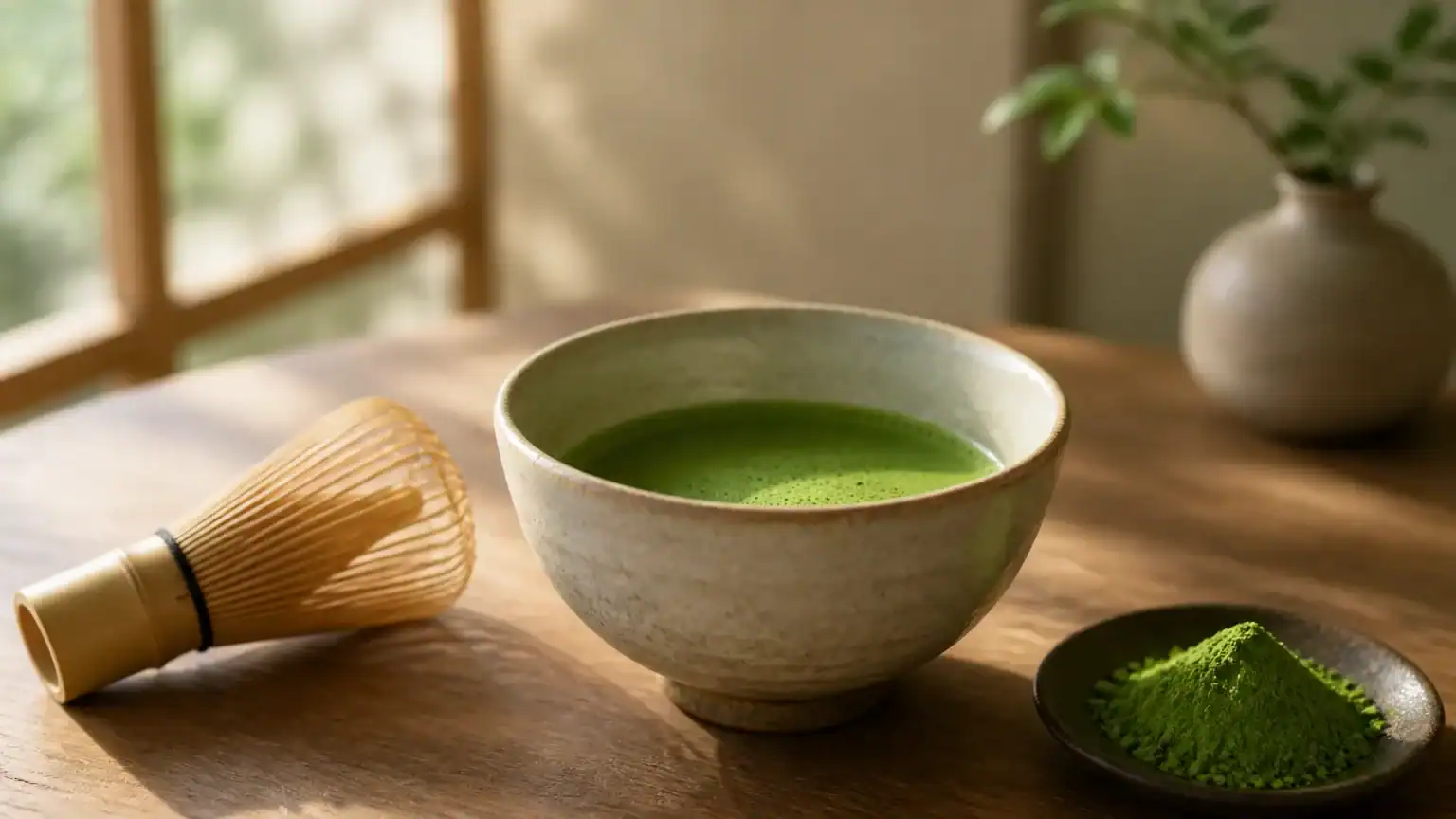
Welcome to the world of matcha blogging, where the vibrant green powder meets a rich tapestry of culture and wellness. Matcha has surged in popularity, celebrated not only for its unique flavor but also for its numerous health benefits, such as boosting metabolism and enhancing focus. As a result, matcha blogs have become a cherished space for enthusiasts to share their love and knowledge.
Blogging offers a personal touch that allows you to express your creativity. Whether you’re crafting recipes, sharing brewing techniques, or exploring the cultural significance of matcha, your unique voice can resonate with a community eager for authentic experiences. Imagine connecting with others who share your passion for this remarkable tea while also cultivating a mindful practice around your writing.
In this guide, you will discover essential tips and inspiring ideas to help you start your own matcha blog. From content creation strategies to engaging your audience, we’ll explore everything you need to know. Join us on this journey as we delve into how Sundrift is transforming modern blogging for mindful creators and embrace the art of sharing the matcha experience.
1. Choosing Your Niche Within Matcha
Embarking on your matcha blogging journey begins with selecting a niche that resonates with both your passions and your audience. The world of matcha is diverse, offering various avenues to explore. Consider focusing on matcha recipes, where you can share creative and delicious ways to incorporate matcha into daily meals. For instance, you might showcase matcha-infused smoothies or baked goods, appealing to food lovers eager to try something new.
Another rewarding niche is health benefits. Matcha is renowned for its numerous health properties, including its antioxidant content and calming effects. By sharing research, personal experiences, or even interviews with health experts, you can provide valuable insights that resonate with wellness enthusiasts. Remember, the more you connect your content to real-life applications, the more engaged your audience will be.
Additionally, consider reviewing matcha products. This can include everything from different types of matcha powders to accessories like whisks and bowls. By providing honest assessments, you help your readers make informed decisions. A great example is a post comparing various brands of matcha, highlighting taste, quality, and price.
To align your passion with audience interest, take time to research. Explore popular matcha blogs to see what resonates with readers. Pay attention to comments and social media interactions. This feedback can guide you in tailoring your content to fit your audience’s needs.
Finally, don’t hesitate to share your personal matcha journey. Whether it’s your first cup or a newfound ritual, your story can create a warm connection. By blending your experiences with researched insights, you cultivate a blog that not only informs but inspires. As you carve out your niche, remember that your unique voice is what will make your matcha blog stand out.
2. Setting Up Your Blog: Platform and Design
Choosing the right blogging platform is essential for your matcha blog. Popular options include WordPress, Squarespace, and Wix. Each platform has unique features that cater to different needs. For instance, WordPress offers extensive customization and plugins, making it ideal for those who want full control. Squarespace, on the other hand, is user-friendly and provides elegant templates that can enhance your matcha aesthetic. Wix also offers an intuitive drag-and-drop interface, perfect for beginners who prioritize ease of use.
Aesthetics play a significant role in food blogging. The visual appeal of your blog can influence how visitors perceive your content. For a matcha blog, consider colors that resonate with the essence of matcha—soft greens, earthy browns, and calming whites create a tranquil atmosphere. These colors not only reflect the theme but also invite readers to linger and explore your posts.
When designing your blog, keep the layout simple and intuitive. Use high-quality images of matcha drinks and recipes to draw readers in. Ensure that your design is mobile-friendly; many users will access your blog from their phones. A clean, minimalistic design can enhance readability and make navigation effortless.
Consider incorporating sections for recipes, matcha tips, and personal stories. This organization helps visitors find content that interests them quickly. Additionally, using ample white space can create a serene browsing experience, allowing your readers to focus on the beauty of matcha.
Ultimately, your blog should feel like a cozy space where readers can unwind and connect with the matcha community. By carefully selecting a platform and designing an inviting layout, you’ll create a welcoming environment for enthusiasts and newcomers alike. As you embark on this journey, remember to share your design process and engage with your audience about their preferences. What elements do they find most appealing? This dialogue can further enrich your matcha blogging experience.
3. Content Creation: Engaging Your Audience
Creating compelling content is the heart of any successful matcha blog. To engage your audience, consider a variety of content types that resonate with readers. Recipe posts are particularly popular, allowing you to share your favorite matcha creations. Whether it’s a classic matcha latte or an innovative dessert, step-by-step guides can inspire your readers to experiment in their own kitchens.
Engaging your audience also means adding a personal touch to your posts. Share anecdotes about your journey with matcha—perhaps the first time you tasted it or how it became part of your daily routine. These personal stories create a warm connection, inviting readers to relate to your experiences. For instance, you might describe a quiet morning ritual of enjoying matcha while journaling, illustrating the calm it brings to your day.
Additionally, consider incorporating matcha reviews. This allows you to explore different brands and products, providing valuable insights to your readers. Be authentic in your assessments; share what you love and what you find less appealing. Your honesty will build trust and encourage readers to return for your recommendations.
Don’t hesitate to experiment with content formats, such as video tutorials or infographics. These can visually engage your audience and make complex information more digestible. For example, a short video demonstrating how to froth matcha can be both entertaining and informative.
To broaden your perspective, you might also look at other successful blogs. For instance, if you’re interested in tech, you could discover the top 10 ruby on rails blogs for inspiration on how to structure your posts.
Ultimately, the key is to create a variety of content that reflects your passion for matcha while catering to the interests of your readers. Embrace the journey of content creation, and let your authenticity shine through each post.
4. Promoting Your Matcha Blog: Strategies for Growth
To grow your matcha blog, effective promotion is essential. Utilizing social media platforms can significantly enhance your visibility. Instagram and Pinterest are particularly effective for food blogging. These platforms allow you to share enticing images of your matcha creations, drawing in followers who appreciate aesthetics. For instance, consider posting vibrant matcha lattes or beautiful matcha-infused desserts, accompanied by engaging captions that tell your story.
Collaborating with other bloggers can also broaden your audience. Reach out to fellow food bloggers or wellness influencers who share your passion for matcha. A simple guest post exchange can expose your blog to new readers. You might also consider hosting joint giveaways or social media challenges. Such collaborations foster community and encourage cross-pollination of ideas.
Don’t overlook the power of SEO basics in promoting your matcha blog. Incorporate relevant keywords, like “matcha blogs,” in your posts to increase search visibility. Focus on long-tail keywords that match user intent, such as “best recipes for matcha lovers.” This strategy can help attract organic traffic over time. Additionally, using meta descriptions and optimizing image alt texts can further enhance your search rankings.
For further inspiration, you can always discover the top 7 following blogs for inspiration and growth. These blogs can provide valuable insights into successful strategies and content ideas that resonate with readers.
By combining social media engagement, collaborative efforts, and effective SEO practices, you can cultivate a thriving community around your matcha blog. Each strategy not only promotes growth but also deepens your connection with your audience, encouraging them to share in your matcha journey.
5. Monetizing Your Matcha Blog
Monetizing your matcha blog can transform your passion into a sustainable income stream. Several methods are particularly well-suited for food blogs, allowing you to share your love for matcha while earning revenue.
One effective option is affiliate marketing. By partnering with brands that resonate with your audience, you can earn a commission on sales generated through your blog. For instance, consider recommending high-quality matcha brands, tea accessories, or wellness products. When readers trust your opinion, they are more likely to make a purchase through your affiliate links.
Sponsored posts are another viable avenue. Brands often seek bloggers to create content that features their products. For a matcha blog, you might collaborate with a company that offers unique matcha blends or eco-friendly tea ware. Ensure that any sponsorship aligns with your values and serves your audience’s best interests. This maintains trust and authenticity, essential elements in creating a loyal readership.
Product reviews also provide a wonderful opportunity to monetize your blog. Sharing your honest experiences with various matcha products can not only engage your audience but also attract brands eager to have their items featured. When you review a product, focus on its benefits and drawbacks, giving your readers a well-rounded perspective.
As you explore these monetization methods, remember the ethical considerations involved. Always disclose affiliate links and sponsored content to maintain transparency with your audience. This practice fosters a sense of community and trust, which is vital in the blogging world.
For example, if you team up with a local matcha supplier for a sponsored post, emphasize the quality of their products and the importance of supporting small businesses. This approach enriches your content while promoting a brand that aligns with your ethos.
By thoughtfully incorporating these monetization strategies, you can cultivate a flourishing matcha blog that not only shares your passion but also supports your lifestyle. Feel free to share your thoughts or experiences with monetization in the comments; your insights could inspire others in the Sundrift Living community.
Embrace Your Journey in Matcha Blogging
As you stand on the brink of starting your matcha blog, remember that creativity knows no bounds. Don’t hesitate to share your unique perspective; it’s what will resonate with your readers. Your experiences, whether they stem from a cherished cup of matcha or a new recipe, have the power to create meaningful connections.
Blogging about matcha offers a wonderful opportunity to build a vibrant community. By sharing your passion, you invite others to join in, fostering dialogue and inspiration. Each post can spark conversations, encouraging readers to share their own stories and preferences.
So, take that first step. Your matcha journey awaits, and the world is eager to hear your voice. Share your experiences and insights, and let’s cultivate a warm, inviting space for matcha enthusiasts together. Embrace the journey, and enjoy every moment of your blogging adventure.
Related Articles

Discovering Eureka Blogs: A New Era of Innovative Thought Leadership
Eureka blogs signify a transformative shift in the world of thought leadership. These innovative platforms cater to niche audiences, delivering insightful co…
Read more
Unlocking PLR for Blogs: Benefits and Smart Usage Strategies
In the ever-evolving landscape of blogging, understanding PLR (Private Label Rights) for blogs can significantly enhance your content strategy. PLR content a…
Read more
Whop Blogs: A Guide to Creating Engaging Content Effortlessly
Whop blogs are an emerging genre that is capturing the attention of readers and creators alike. These unique platforms combine personal storytelling with inf…
Read more