
Fun or Flawed? The Truth About AI Storybooks
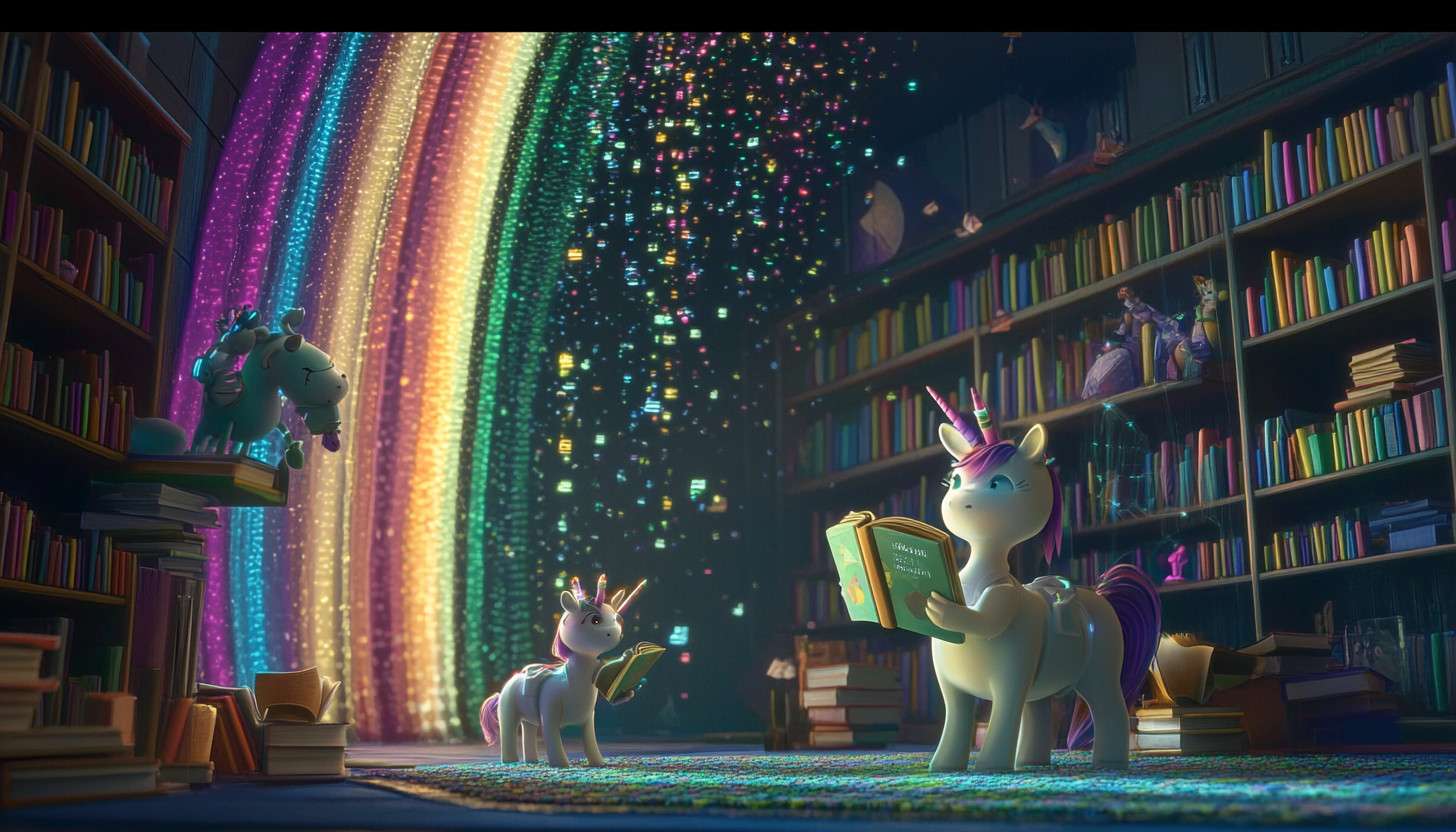
In recent years, AI has become a significant player in children's literature. The emergence of AI children's books has changed how stories are created and enjoyed, offering new ways to engage young readers.
However, this innovation brings up important questions about fun versus ethics in storytelling. As we explore the world of AI storytelling, it is essential to consider the ethical implications that accompany these creative advancements in children's literature.
The Rise of AI in Children's Books
AI-generated content is transforming storytime in exciting ways. Children can now experience stories that adapt to their preferences and interests. This personalization makes reading more enjoyable and keeps young readers engaged.
Several popular AI-driven children's books have emerged recently. For example, "Ada Twist, Scientist" leverages AI to create interactive elements that allow kids to explore science concepts through storytelling. Another example is "The AI Adventures," where children can influence the plot with their choices, making each reading unique.
The appeal of AI-generated stories lies in their ability to captivate both kids and parents. Parents appreciate the educational value, while kids love the fun and interactivity. However, it's crucial to consider the AI Children's Books Ethics as we embrace this new technology. Issues like data privacy and bias in AI narratives must be addressed to ensure a positive reading experience for all children.
Fun Factors: Why Kids Love AI Books
AI books captivate children with engaging narratives and interactive elements. These stories often include choices that allow kids to influence the plot, making reading an adventure rather than a passive experience. For instance, in an AI-generated tale, children might choose whether the hero saves a cat or helps a lost robot, keeping them invested in the outcome.
Customization and personalization are key features that make AI books appealing. Young readers can see their names, favorite animals, or even unique traits woven into the storyline. This tailored approach not only boosts engagement but also fosters a sense of ownership over the story, encouraging children to explore reading further.
Illustrations and multimedia enhancements play a significant role in enriching the reading experience. Many AI books incorporate vibrant images, animations, and sound effects that bring stories to life.
With tools like AI writing software for crafting engaging narratives and an artificial intelligence image generator for creating dynamic visuals, this fusion of traditional storytelling with modern technology creates an immersive environment where children can learn while having fun, promoting educational content in a captivating manner.
Ethical Considerations in AI Storytelling
As AI children's books continue to gain popularity, ethical concerns must be addressed. One major issue is data privacy regarding children's information. Parents and educators need to be aware of how these books collect and use data, as children’s safety should always come first in digital age parenting.
Another pressing concern is the potential bias present in AI-generated narratives. AI systems learn from existing data, which can sometimes include stereotypes or unbalanced viewpoints. It is crucial for creators to actively work against these biases to ensure that the stories told are fair and inclusive for all children.
Transparency in AI authorship is also essential in maintaining trust with parents and educators. When families choose AI children's books, they should know who or what has crafted the story. This knowledge helps them make informed decisions about the content their children are engaging with and reinforces the importance of AI children's books ethics in storytelling.
Engaging narratives should not come at the cost of ethical standards. By addressing these concerns, we can ensure that AI children's books provide enjoyable and responsible reading experiences for young audiences.
The Role of Human Oversight
Human oversight is vital in creating children's literature, especially with the rise of AI-generated stories. While AI can generate engaging narratives, it often lacks the emotional depth and cultural context that only a human author can provide. This human touch ensures that stories resonate with children and reflect their diverse experiences.
Balancing creativity with ethical storytelling is essential for developing responsible content. Human input helps identify ethical considerations such as inclusivity and representation in narratives. A well-rounded story benefits from human perspectives, which can prevent biases that AI might overlook in its algorithms.
For instance, consider a children's book featuring characters from various backgrounds. A human author can ensure that these characters are portrayed authentically, fostering understanding and empathy among young readers. This thoughtful approach to storytelling enhances the overall quality of AI-generated stories while aligning them with ethical standards.
Human oversight enriches children's literature, making it not only enjoyable but also meaningful. By integrating human creativity with AI's capabilities, we can create stories that captivate young minds while addressing ethical considerations. This balance is crucial for nurturing a generation of readers who appreciate both fun and responsibility in storytelling.
Impact on Child Development
AI children's books can significantly influence a child's imagination and creativity. These books often present unique narratives that challenge traditional storytelling. By providing diverse perspectives and imaginative scenarios, AI-generated stories can inspire children to think outside the box and develop their own creative ideas.
Additionally, AI narratives play a crucial role in enhancing language and literacy skills. Engaging storylines and interactive elements encourage children to read more frequently. This exposure not only improves vocabulary but also strengthens comprehension skills, making reading an enjoyable experience rather than a chore.
However, there are potential risks associated with over-reliance on technology in storytelling. While AI children's books offer many benefits, excessive screen time can hinder a child's ability to engage with physical books. It is essential for parents and educators to strike a balance between the fun of AI children's books and the ethical considerations surrounding technology use in early literacy development.
Tips for Parents and Educators
When considering AI children's books, parents and educators must evaluate their ethical implications. It's essential to check how these books collect and use children's data. Understanding this aspect can help ensure that the stories are not just entertaining but also safe for young readers.
Selecting engaging yet responsible literature is crucial for fostering a love of reading. Look for AI-generated books that emphasize positive themes and diverse characters. Books like "The Amazing Adventures of Robo-Pup" showcase creativity while promoting kindness and teamwork, making them both fun and ethically sound.
Integrating AI books into traditional reading practices can enhance the storytelling experience. One strategy is to create a mixed reading routine that includes both AI-generated stories and classic literature. This approach helps children appreciate the value of various storytelling styles while still benefiting from the interactive features that AI books offer.
Additionally, encourage discussions about the stories' themes and characters. Ask children how they feel about the narratives and what they learned from them. This practice not only deepens comprehension but also develops critical thinking skills, allowing kids to navigate the world of AI storytelling thoughtfully.
Finding Harmony in AI Children's Books
In summary, the journey through AI children's books reveals a crucial balance between fun and ethics. While these books offer exciting stories and engaging experiences, we must also consider the AI children's books ethics involved in their creation. Parents and educators should make informed choices to ensure young readers enjoy literature that is both entertaining and responsible.
Fostering a healthy relationship with technology in storytelling is essential for child development. By prioritizing ethical considerations in AI children's books, we can support creativity while safeguarding our children's well-being. Exploring resources like an AI tools directory can also help parents and educators stay informed about the latest advancements in AI storytelling, ensuring children benefit from both innovation and responsible content.
Related Articles

Self Hosted AI Starter Kit for Secure Local AI Workflows
A self hosted ai starter kit gives small businesses, marketers, and creators a practical path to powerful AI without sending every prompt or file to a cloudR…
Read more
Tiny Script Generator: How to Choose Fast, Focused AI Writing
A tiny script generator can be a smarter AI writing choice when you need one focused job done quickly and consistently. “Tiny” describes its narrow, purpose-…
Read more
Discover the Top Titan Blogs for Space Enthusiasts and Explorers
Titan, Saturn’s largest moon, captivates the imagination of space enthusiasts around the world. Its thick atmosphere, vast lakes of liquid methane, and in…
Read more