
The Future of Art: AI’s Creative Revolution in 2025
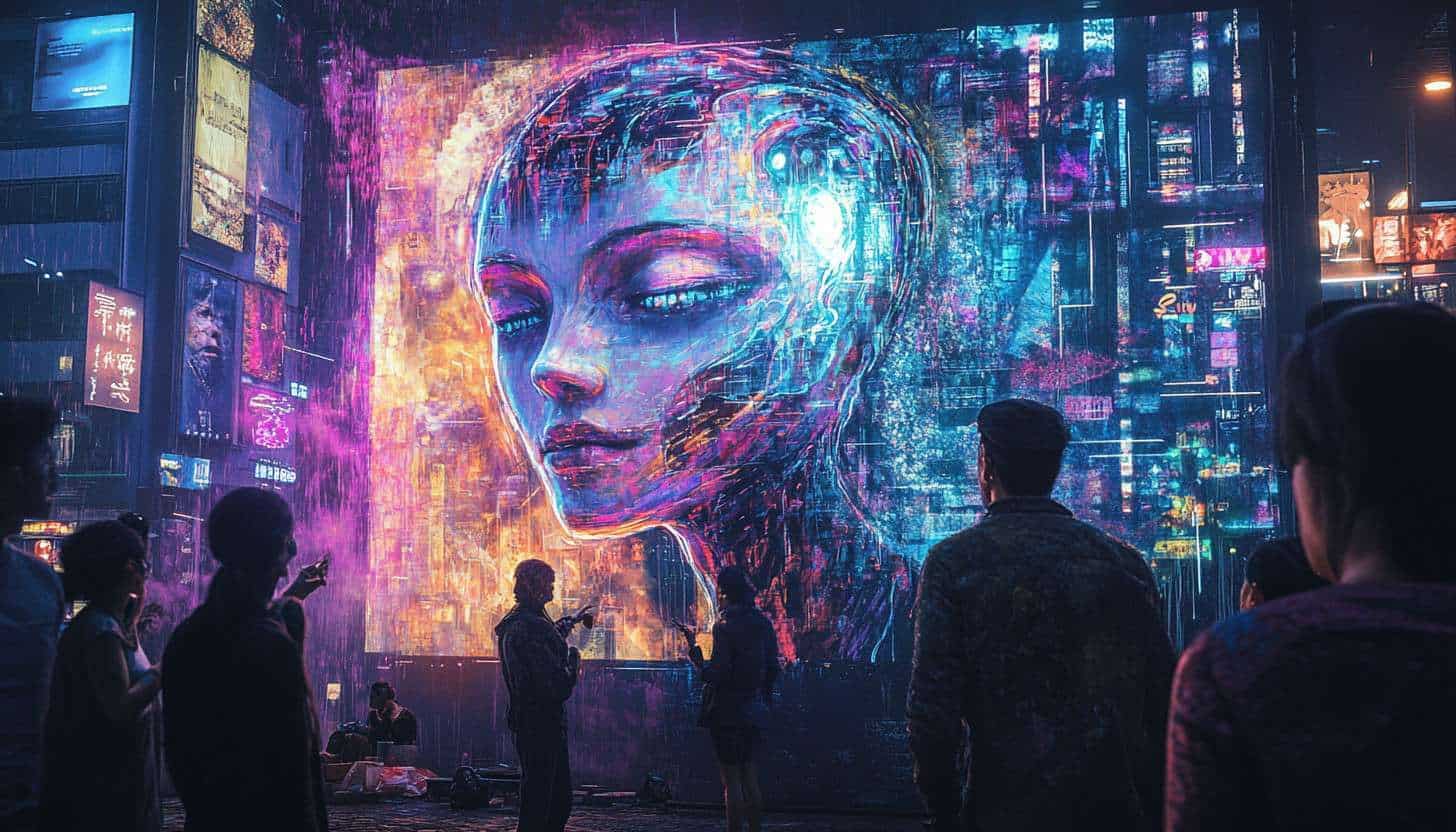
The art world stands at a crossroads. Technology moves fast. Artists feel its pulse. AI-generated art emerges as a new force. It reshapes how we create, view, and think about art. Each brushstroke of code adds depth to the canvas of possibility. The lines between creator and creation blur. Artists explore this new terrain. They embrace tools that challenge traditional forms.
Collaboration breathes life into this revolution. Artists partner with algorithms. They push boundaries and find new avenues for expression. This partnership opens doors to styles and techniques once thought impossible. As digital art trends unfold, creators harness AI’s power. They tap into its potential to ignite their visions. Together, they build a bridge between imagination and innovation.
The future of art is bright. It invites all to join the journey ahead. Continue reading to discover how this fusion unfolds and what it means for artists and audiences alike.
The Rise of AI-Generated Art
AI-generated art comes from algorithms that use machine learning. These systems analyze vast amounts of data. They learn patterns and styles from existing artworks. They then create new pieces based on this knowledge. Artists can input specific criteria. The AI responds with images, sounds, or even texts. This collaboration yields works that blend human intent with machine precision.
The journey to 2025 began years earlier. Early experiments in the 1960s laid the groundwork. Artists like Harold Cohen created programs that drew pictures. As technology advanced, so did the complexity of these creations. By the 2010s, neural networks emerged. They allowed machines to mimic artistic styles more effectively. This evolution changed perceptions. People began to see machines not just as tools but as collaborators.
In 2025, AI-generated art is everywhere. Galleries showcase works created by algorithms alongside traditional pieces. Collectors and enthusiasts debate the value of these artworks. Some argue that the machine lacks soul. Others see beauty in its ability to generate unique forms at incredible speeds. The conversation around authorship grows richer. It challenges old notions about creativity and originality.
This rise in AI-generated art invites new questions. What does it mean to be an artist? Is creativity a purely human trait? As artists experiment with AI, they push boundaries. They discover new genres and techniques. The art world evolves, embracing both human and machine creativity. The future looks bright for those willing to explore this partnership.
Collaboration Between Artists and Algorithms

Artists today stand at a crossroads. They have new tools. Algorithms can analyze data. They can generate images, sounds, and even entire compositions. This technology opens doors. It allows artists to explore paths they may not have considered. With AI, artists can push their limits. They can expand their creativity in ways that were once unimaginable.
One example shines brightly. Refik Anadol uses AI to create stunning visual art. He pulls from vast data sets. His algorithms interpret this data. They turn it into mesmerizing visuals displayed in galleries and public spaces. Anadol collaborates with the machine. Together, they produce art that resonates deeply with viewers. The process is a dance between human intuition and machine efficiency. Each enhances the other.
Another inspiring case involves the musician Holly Herndon. She has developed an AI called Spawn. This tool learns from her voice and creates new vocal compositions. Herndon uses this collaboration to explore sound in fresh ways. She combines her human artistry with the unique capabilities of AI. The result is music that challenges traditional boundaries. Her partnership with the algorithm showcases how technology can serve as an instrument for creative expression.
These examples illustrate the potential of artist collaboration with algorithms. Artists do not replace their own vision; they enhance it. They tap into AI’s power to generate ideas, break down creative blocks, and explore new styles. The future holds promise for those willing to embrace these partnerships. Together, artists and algorithms can reshape the landscape of creativity.
Emerging Trends in Digital Art
The landscape of digital art shifts under the influence of AI. Artists now explore new techniques that blend traditional methods with advanced algorithms. AI-generated art serves as a canvas for experimentation. Artists manipulate data to create pieces that surprise and engage. They use generative adversarial networks (GANs) to produce images that challenge perceptions. This technology allows artists to push boundaries. The result is a fusion of human creativity and machine learning.
Social media and online platforms amplify this trend. Artists share their AI-generated works with a global audience. Platforms like Instagram and TikTok become galleries for digital art. Viewers engage with the art in real time. They comment, share, and inspire each other. This interaction fosters a community that celebrates innovation. Artists gain instant feedback, which shapes their future creations. The dialogue between creator and audience becomes vital in this new age.
AI also encourages unique styles. Artists experiment with color palettes and patterns that were once difficult to achieve. Algorithms can analyze vast amounts of data, revealing trends that inform artistic choices. Some artists use AI to simulate brush strokes or create intricate designs. Others rely on AI to generate entire compositions based on specific themes. These techniques expand artistic vocabulary and open doors to unexplored territories.
As digital art evolves, it reflects societal changes. The rise of virtual reality (VR) and augmented reality (AR) adds layers to the experience. Viewers can step into immersive environments crafted by AI. This transformation invites deeper connections with the art. The future of digital art is bright, driven by creative technology and a spirit of collaboration. Artists stand ready to embrace these changes, shaping a vibrant landscape for generations to come.
Expanding Artistic Expression

AI holds great potential to create diverse art forms. It can generate music, paint, write stories, and even design virtual worlds. This technology opens doors for artists. They can explore new mediums. For instance, a musician might use AI to compose a symphony that blends classical elements with modern sounds. A painter can create visuals that adapt in real-time to the viewer’s emotions. Each interaction becomes unique. The future of creativity lies in these collaborations. Artists can push boundaries. They can discover styles that once seemed impossible.
AI also serves as a tool to help artists overcome creative blocks. When the mind feels stuck, AI can offer fresh perspectives. An artist can input themes or concepts into an AI program. The program generates ideas, sketches, or soundscapes that spark inspiration. This process breaks down mental barriers. An artist might find that an AI-generated image leads to a completely new direction in their work. The possibilities expand. Artists gain new insights into their craft.
Consider the example of a digital artist who struggles with a blank canvas. By engaging an AI tool, they receive a series of prompts and visual ideas. These suggestions act as a catalyst. They guide the artist toward creating a vibrant piece that captures their original intent while incorporating unexpected elements. This partnership between artist and machine fosters growth and innovation.
As artists embrace AI, they find themselves exploring uncharted territories. The fusion of human imagination and machine learning creates a rich tapestry of expression. The future of creativity is bright, filled with endless opportunities for collaboration and discovery. Artists will continue to redefine what art means in this new landscape.
Accessibility and Inclusivity in Art
AI changes the way people create art. It removes barriers. Artists no longer need expensive materials or extensive training. With AI tools, anyone can create. A smartphone and an app can open doors. People can express themselves. They can share their visions with the world. This shift makes art more inclusive.
Consider a young student in a small town. She dreams of painting but lacks resources. She finds an AI program online. It guides her. She experiments with colors and shapes. The AI helps her refine her work. Soon, she displays her art on social media. Her creations reach a wide audience. Her story is one of many. AI-generated art empowers individuals from diverse backgrounds to share their voices.
Art creation becomes a community effort. Platforms emerge that encourage collaboration. Artists work alongside algorithms. They combine their ideas with technology. This fusion creates new forms of artistic expression. The result is a vibrant tapestry of creativity. More people can participate in the art world. They can contribute to the dialogue. The conversation expands.
As we move toward 2025, the democratization of art will deepen. AI will continue to break down walls. It will foster creativity in ways we cannot yet imagine. People will embrace their unique perspectives. They will create together, building a richer artistic landscape for all.
Ethical Considerations in AI Art

As AI continues to shape the art world, questions about copyright and ownership rights grow louder. Who owns a piece created by an algorithm? Is it the programmer, the artist who provided the input, or the AI itself? These questions are not easy to answer. In many cases, artists use AI tools to generate work that reflects their vision. Yet, when AI creates something unique, it blurs the line between creator and creation. The law has not caught up with technology. This leaves artists vulnerable and uncertain.
Ethical guidelines become crucial in this landscape. Artists need clarity on how to navigate the new terrain. They must understand their rights and responsibilities when using AI in their work. For instance, if an artist uses an AI tool trained on existing works, does that infringe on the original creators’ rights? Establishing guidelines can protect both artists and the integrity of their work. It can also foster a culture of respect within the community.
Accessibility in art plays a role here too. As more people gain access to AI tools, they can create without traditional barriers. This democratization is exciting, but it raises ethical dilemmas. New creators may unwittingly use copyrighted material in their art. They might not know how to credit sources properly. Education on these issues becomes vital. Workshops and courses can help aspiring artists learn to navigate this new world responsibly.
The future of art hinges on collaboration between artists and technology. As we embrace this change, we must also promote ethical practices. By doing so, we can ensure that the creative revolution benefits everyone while respecting the rights of all involved. Embracing ethics in AI art will shape a fairer and more vibrant artistic landscape for years to come.
Future Predictions for AI Art by 2025
By 2025, AI-generated art will see significant advancements. New algorithms will emerge. These algorithms will offer artists tools that are more intuitive and powerful. Artists will harness these tools to push their boundaries. They will create works that blend human creativity with machine precision. The lines between artist and algorithm will blur. This fusion will change how people view the creative process.
Artists will experiment with algorithmic design in ways we have not yet imagined. They will use AI to generate textures, colors, and patterns that surprise and inspire. Art will not just be a product of individual effort. It will become a dialogue between human and machine. This collaboration will lead to new styles and techniques. The art world will embrace this shift. Audiences will find beauty in the unexpected combinations that arise from this partnership.
Perceptions of art and creativity will also change. People will begin to see AI as a collaborator rather than a competitor. They will recognize the unique value that AI brings to the artistic process. Art collectors will seek pieces that showcase this collaboration. They will appreciate the stories behind the algorithms as much as the artwork itself. The narrative of creation will expand to include both artist and technology.
As we approach 2025, the art community will welcome these changes. Schools will teach students about AI’s role in art creation. Workshops will focus on blending traditional techniques with AI tools. This integration will prepare the next generation of artists for a future where creativity knows no limits. The creative landscape will transform, driven by innovation and collaboration.
Inspiring the Next Generation of Artists
Education systems can weave AI into art curricula. Schools can teach students about AI tools. They can show how these tools enhance creativity. Students can learn to use algorithms in their work. This integration opens doors. It encourages exploration. Young artists can discover new paths in visual arts innovation.
Programs can invite artists who use AI. These artists can share their experiences. They can demonstrate techniques that blend traditional methods with technology. Workshops can give students hands-on experience. They can create pieces with AI assistance. This interaction fosters curiosity. It pushes students to see art differently.
Schools can also leverage online platforms. These platforms can host challenges and competitions focused on AI-generated art. Students can showcase their work globally. They can connect with peers and professionals. This exposure can inspire collaboration. It builds a community around innovation in the arts.
Encouraging experimentation is key. Students should feel free to play with AI as a medium. They should explore its limits. This approach leads to discovery. Students may find new ways to express themselves. They may even redefine what art means to them. With AI, the future of art lies in their hands.
Embracing the Future of Art
AI holds power in the art world. It transforms how we create and perceive art. Artists now harness AI-generated art to explore new avenues. They collaborate with machines to push boundaries. This partnership opens doors for innovation. It invites diverse voices into the conversation. The art landscape becomes richer, more vibrant.
As we look to 2025, artists must embrace this fusion of creativity and technology. The future waits for those who dare to experiment. Education systems will teach students to wield these tools. Together, artists and AI can redefine what it means to create. This journey has just begun. Let us step forward with courage and curiosity.
Related Articles
Self Hosted AI Starter Kit for Secure Local AI Workflows
A self hosted ai starter kit gives small businesses, marketers, and creators a practical path to powerful AI without sending every prompt or file to a cloudR…
Read more
Tiny Script Generator: How to Choose Fast, Focused AI Writing
A tiny script generator can be a smarter AI writing choice when you need one focused job done quickly and consistently. “Tiny” describes its narrow, purpose-…
Read more
Discover the Top Titan Blogs for Space Enthusiasts and Explorers
Titan, Saturn’s largest moon, captivates the imagination of space enthusiasts around the world. Its thick atmosphere, vast lakes of liquid methane, and in…
Read more