
The Importance of Creativity in Marketing Today
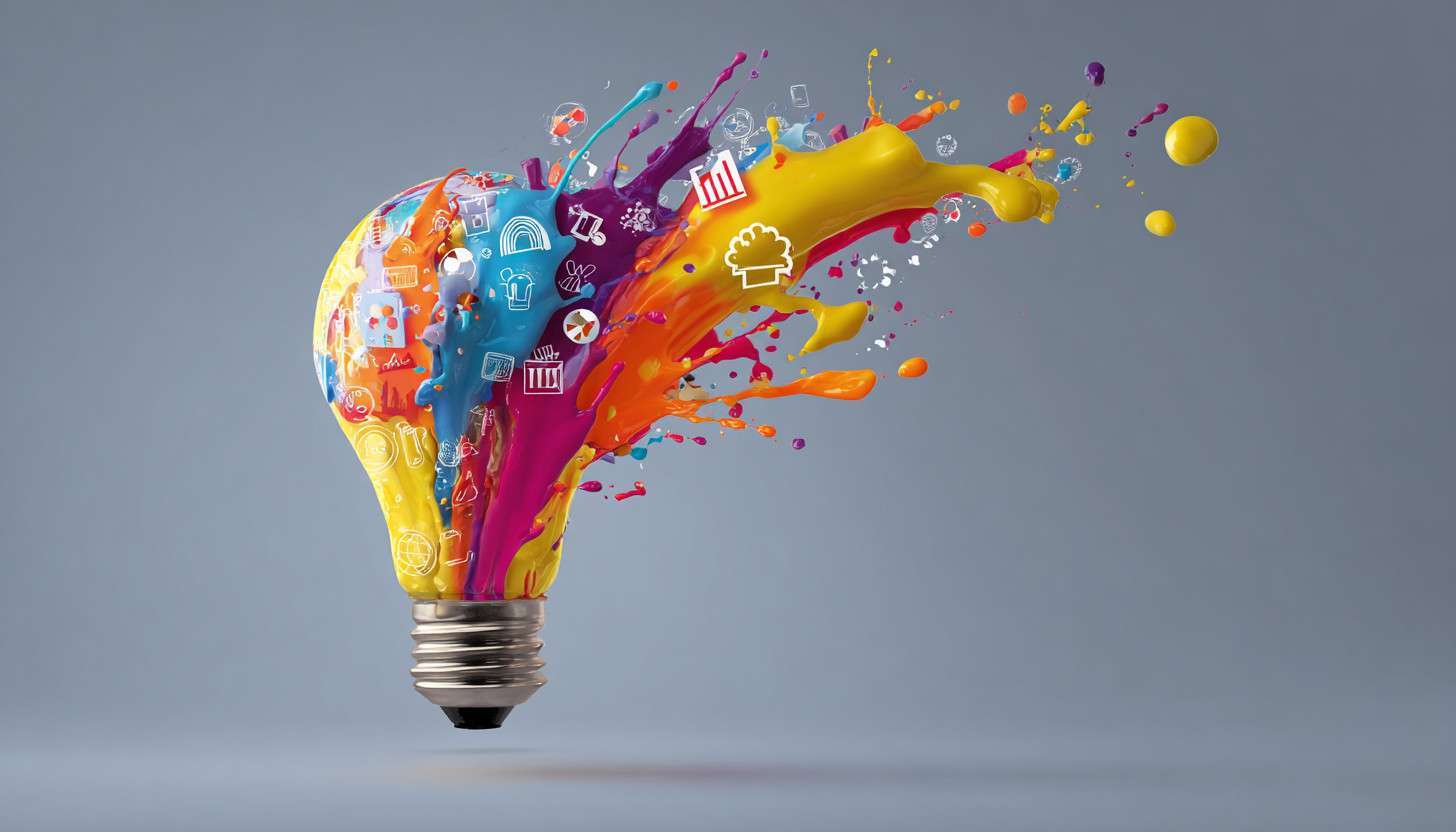
In today’s saturated marketplace, standing out is no longer optional. It is a strategic imperative. Brands that fail to differentiate themselves through creative marketing are quickly drowned out by competitors with bolder messaging. Understanding the importance of creativity in marketing is the first step toward building a brand that commands attention, trust, and loyalty.
What Does Creativity in Marketing Actually Mean?
Creativity in marketing is not simply about producing visually appealing content. It is about solving business problems through original thinking, emotional resonance, and strategic innovation. A truly creative marketing strategy connects deeply with audiences while driving measurable results.
Creative marketing encompasses everything from the way a brand communicates its value proposition to how it selects channels, formats, and messaging. It requires a thorough understanding of your target audience, your competitive landscape, and the emotional drivers behind purchasing decisions. Without creativity, even the most well-funded campaigns can fall flat.
Why Creativity Is a Business Driver, Not Just an Aesthetic Choice
Many business leaders still treat creativity as a “nice to have” rather than a core business function. This mindset is one of the most costly mistakes a modern marketer can make. Research consistently shows that creative quality is the single largest driver of sales performance in advertising.
Creativity enables brands to communicate complex ideas in simple, memorable ways. It helps marketers cut through digital noise and capture the limited attention of today’s consumer. When combined with data and strategy, creative thinking becomes one of the most powerful customer acquisition techniques available to any business.
Brands that invest in creative marketing also benefit from stronger emotional connections with their audiences. Emotional resonance drives brand loyalty, repeat purchases, and word-of-mouth advocacy. These outcomes are difficult to achieve through purely transactional or data-driven approaches alone.
Creativity Builds Brand Identity and Recognition
A consistent creative identity is what separates recognizable brands from forgettable ones. Every visual element, tone of voice, and storytelling choice contributes to a brand’s overall perception in the mind of the consumer. This is why the importance of consistency in marketing cannot be overstated when implementing creative strategies.
When a brand applies creativity consistently across all touchpoints, it reinforces its identity with every interaction. Consumers begin to associate certain aesthetics, values, and feelings with that brand. Over time, this association becomes one of the most valuable assets a company can possess.
Creative consistency also builds trust. Audiences who encounter a cohesive, well-crafted brand experience are more likely to perceive that brand as reliable and professional. Trust, in turn, is a critical precursor to conversion and long-term customer retention.
Understanding Your Audience Fuels Better Creative Work
Creativity without audience insight is just art. Effective marketing creativity must be rooted in a deep understanding of who your customers are, what they need, and what motivates their decisions. Conducting a thorough consumer needs analysis is therefore foundational to any creative marketing initiative.
When marketers understand the pain points, aspirations, and behavioral patterns of their target audience, they can craft messages that feel personal and relevant. This relevance is what makes creative campaigns resonate rather than merely entertain. Relevance drives action, and action drives revenue.
Creative briefs that are grounded in audience data consistently outperform those developed in isolation. The best campaigns are born at the intersection of human insight and imaginative execution. Knowing your audience is not a constraint on creativity. It is the very engine that powers it.
Audience Segmentation Unlocks Creative Precision
Not every consumer responds to the same creative message in the same way. Recognizing the importance of audience segmentation allows marketers to tailor their creative output for maximum relevance across diverse customer groups. Segmentation transforms broad campaigns into precisely targeted conversations.
A single product can be positioned differently to different audience segments without compromising brand integrity. A fitness brand, for example, might speak to professional athletes with performance-focused messaging while engaging casual gym-goers with lifestyle-oriented content. Both approaches require creative thinking tailored to the values and motivations of each segment.
Segmented creative strategies also improve return on investment. When the right message reaches the right person at the right time, conversion rates improve significantly. Creativity, when paired with segmentation, becomes a precision instrument rather than a blunt tool.
Creativity as a Tool for Product Differentiation
In competitive markets, products often share similar features, price points, and quality levels. The differentiating factor, more often than not, is how creatively those products are marketed. Exploring various product differentiation methods reveals just how central creative positioning is to competitive advantage.
Creative marketing allows brands to frame their offerings in ways that feel unique and compelling, even when the underlying product is similar to competitors. Storytelling, brand personality, and imaginative campaigns can transform a commodity into a coveted brand. This elevation in perceived value justifies premium pricing and fosters deeper consumer loyalty.
Companies that invest in creative differentiation are also more resilient during market downturns. A strong creative brand identity creates emotional equity that sustains consumer preference even when economic pressures mount. Creativity, therefore, is not a luxury. It is a strategic asset.
Data and Creativity: A Powerful Partnership
There is a common misconception that data-driven marketing and creative marketing are in opposition. In reality, data is one of the most powerful enablers of creative excellence. Leveraging predictive analytics for marketers provides the foresight needed to develop creative strategies that are both imaginative and precisely timed.
Predictive data reveals patterns in consumer behavior that allow marketers to anticipate needs before they are explicitly expressed. This insight empowers creative teams to develop campaigns that feel eerily relevant, almost as if the brand can read the consumer’s mind. That sense of relevance is what drives engagement and conversion.
Data also enables creative optimization over time. By measuring how different creative elements perform across channels and audiences, marketers can continuously refine their approach. This iterative process transforms creativity from a one-time investment into a compounding advantage.
Engaging Your Audience Through Creative Experiences
Creativity is most powerful when it moves beyond passive content consumption and into active audience engagement. Designing experiences that invite participation, spark conversation, and inspire sharing is a hallmark of the most effective modern campaigns. Effective target audience engagement requires both creative vision and strategic execution.
Interactive campaigns, user-generated content initiatives, and immersive brand experiences are all examples of creativity deployed at the level of the audience relationship. These approaches generate not only awareness but genuine emotional investment from consumers. Emotional investment, once established, is extraordinarily difficult for competitors to displace.
The brands that consistently earn their audience’s attention are those that treat every interaction as an opportunity to delight, inspire, or challenge. Creativity is the currency of this relationship-building process. Without it, engagement remains shallow and transient.
Leveraging AI Tools to Enhance Marketing Creativity
Creativity and technology are no longer competing forces in the marketing world. A growing ecosystem of AI tools now empowers marketers to generate ideas faster, personalize content at scale, and analyze creative performance with unprecedented precision. Embracing these tools does not diminish human creativity. It amplifies it.
AI can handle time-consuming tasks such as content variation, A/B testing, and performance analysis, freeing creative teams to focus on higher-order strategic thinking. This division of labor allows human creativity to be applied where it matters most: ideation, emotional storytelling, and brand strategy. The result is a more productive and impactful creative function overall.
Forward-thinking marketing teams are already using AI to bridge the gap between creative intuition and data-driven decision-making. Those who resist this integration risk falling behind competitors who are producing more, testing faster, and optimizing more effectively. Creativity in the modern era is both a human and a technological endeavor.
Make Creativity a Core Marketing Strategy
The importance of creativity in marketing cannot be reduced to a single tactic or campaign. It is a mindset, a discipline, and a strategic orientation that must permeate every level of the marketing function. Organizations that embed creativity into their culture and processes consistently outperform those that treat it as an afterthought.
Creativity enables brands to connect, differentiate, and endure in ways that no algorithm or budget alone can achieve. It is the element that transforms competent marketing into memorable marketing. In an era defined by information overload and diminishing consumer attention, creativity is not just important. It is essential.
Invest in creativity with the same rigor and intention you apply to your data, technology, and distribution strategies. The returns, measured in brand equity, customer loyalty, and long-term revenue, will validate that investment many times over.
Related Articles

Mac Writer: How to Choose the Right Writing App for Your Needs
Choosing the right Mac writer is harder than it looks. The market includes simple text editors, distraction-free writing apps, AI assistants, collaborative p…
Read more
Will Artificial Intelligence Novels Change Storytelling?
Artificial intelligence novels are changing how stories are created and consumed in today’s digital landscape. While AI can speed up writing and production, hum…
Read more
Are These Cost-Effective Marketing Ideas Worthy?
Budget shouldn’t limit growth. These cost-effective marketing ideas prove you can build serious brand visibility without a massive ad spend.
Read more