
The Magic of AI in Historical Photo Colorization
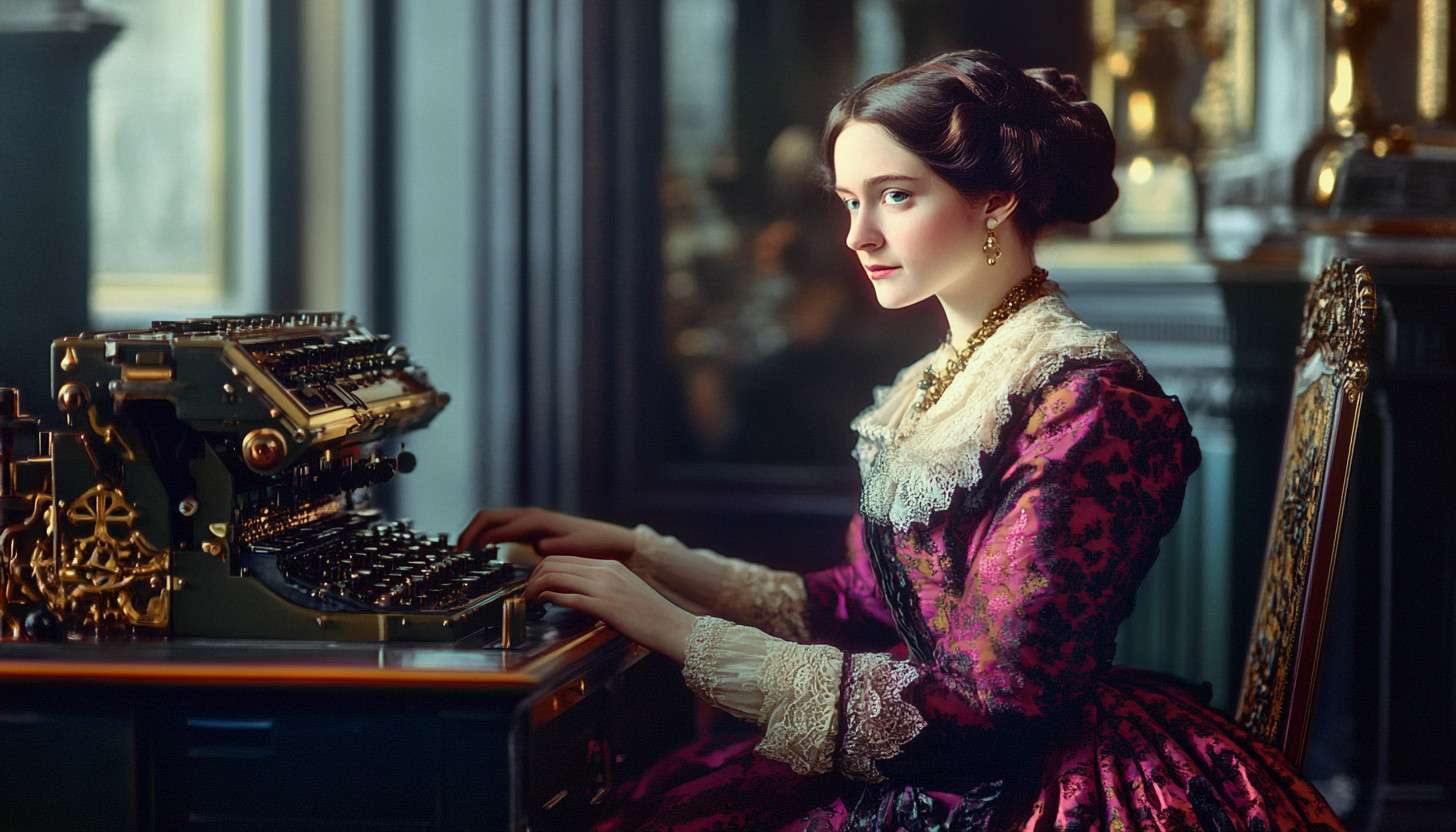
In recent years, AI in historical photo colorization has transformed how we view our past. This innovative technology breathes new life into black-and-white photographs, allowing us to connect with history in a more vivid and personal way. With the help of an artificial intelligence image generator, the process has become more refined and accessible.
The importance of preserving history through technology cannot be overstated. AI in historical photo colorization not only enhances our understanding of significant events but also fosters a deeper appreciation for the lives of those who came before us.
As we explore this fascinating intersection of art and science, we invite you to discover the magic that colorization technology brings to our shared heritage.
The Evolution of Photo Colorization Techniques
The journey of photo colorization has transformed significantly over the years. Traditional methods often involved artists meticulously hand-painting images, which was time-consuming and required immense skill. In contrast, AI in historical photo colorization automates this process, making it faster and more accessible to a wider audience.
Modern AI approaches utilize advanced algorithms to analyze black-and-white images and apply colors based on patterns learned from extensive datasets. Key advancements in technology, such as machine learning and neural networks, have revolutionized how we perceive historical photography. These innovations allow for more accurate and realistic colorization, enabling the revival of images that were once lifeless.
One notable leap in this evolution is the use of deep learning techniques. Neural networks can identify objects, textures, and lighting in historical photos, leading to more nuanced color applications. This capability has made it possible to recreate scenes with a fidelity that hand-painting could seldom achieve, thus enhancing the emotional impact of historical photography.
As we continue to embrace AI in historical photo colorization, we celebrate the blend of artistry and technology. The collaboration between traditional techniques and modern advancements not only preserves history but also enriches our understanding of the past. With these developments, the magic of colorization invites us all to engage with history in ways we never thought possible.
With the best AI tools directory offering a wide range of automated solutions, artists, historians, and designers can leverage technology to preserve the past like never before.
How AI Works in Colorizing Historical Photos

AI colorization relies on sophisticated algorithms and machine learning techniques. These systems analyze black-and-white images to predict colors based on patterns found in a vast database of color photographs. This digital restoration process transforms historical photos into vibrant representations, making them more relatable and engaging for modern audiences.
At the core of AI colorization are neural networks, which mimic the way human brains process information. These networks learn from thousands of images, understanding how different objects and scenes are typically colored. For instance, a neural network can differentiate between a blue sky and green grass, applying the correct hues during the colorization process.
One notable example is the use of convolutional neural networks (CNNs) in colorization. CNNs excel at image processing and feature detection, allowing them to generate realistic colors that enhance the original photographs. This method not only improves visual quality but also preserves the integrity of the historical context.
As these technologies evolve, they promise even greater advancements in digital restoration. With the help of automatic photo editing, images can be enhanced more efficiently than ever before. The ability to colorize images accurately opens up new avenues for historians, educators, and artists alike. By breathing life into old photos, AI colorization invites viewers to connect with history in a way that was previously unimaginable.
Notable Case Studies in AI Colorization
One of the most striking examples of AI in historical photo colorization is the work done on the iconic photographs from World War II. These images, often in black and white, capture moments of great significance. When colorized using AI techniques, they offer a fresh perspective on the past, allowing viewers to connect with history on a deeper level.
Another compelling case study involves collaborative projects between historians and technologists. One notable project is the colorization of photographs from the civil rights movement. Historians worked closely with machine learning experts to ensure that the colors used were historically accurate, creating a powerful visual narrative that enhances understanding of this crucial period in history.
These collaborations highlight the synergy between technology and historical scholarship. By combining expertise, historians can provide context while technologists apply advanced algorithms to bring these images to life. The result is a vivid representation of history that engages audiences and encourages further exploration.
These case studies exemplify the transformative power of AI in historical photo colorization. They demonstrate how technology can bridge the gap between past and present, making history more relatable and accessible. As we continue to explore these advancements, we open new doors for understanding our shared heritage.
The Impact of AI Colorization on Education

AI colorization has significantly enhanced learning experiences for students and educators. By transforming black-and-white historical images into vibrant, colorized versions, the process brings history to life in a way that textbooks cannot. Students are more likely to engage with visual storytelling that captures their attention and sparks their curiosity about the past.
Furthermore, colorized images create a bridge between students and historical events. When learners see familiar figures and moments in color, they can relate to them on a deeper level. This connection fosters a more profound understanding of history and encourages discussions about context and significance.
Educators also benefit from using AI colorization in their teaching methods. By incorporating these visually appealing resources, they can create dynamic lessons that inspire critical thinking.
With AI-based photo editing, teachers can enhance historical images effortlessly, making the learning experience even more engaging. This approach helps students analyze historical events through a modern lens, enhancing their overall educational experience.
AI colorization enriches education by making history more relatable and engaging. Visual storytelling captivates learners’ imaginations, allowing them to explore the past in innovative ways. As this technology continues to evolve, its potential to transform how we teach and learn about history remains immense.
Ethical Considerations in AI Colorization
The rise of AI in historical photo colorization has sparked a significant debate regarding accuracy versus artistic interpretation. While AI can bring to life images that were once monochrome, the choice of colors can be subjective. This raises questions about the authenticity of the final product and whether it truly represents historical reality.
Cultural sensitivity is another critical concern in the realm of AI colorization. Misrepresentation of colors can lead to cultural inaccuracies that distort historical narratives. For example, colorizing an image of a traditional ceremony with inappropriate hues could mislead viewers about the customs and values of that culture.
Furthermore, the implications of AI image generation comparison extend beyond mere aesthetics. They touch upon how we understand our past and the narratives we choose to share. This calls for careful consideration of who is behind the colorization process and what biases might influence their choices.
Incorporating diverse perspectives in the colorization process is essential for honoring cultural heritage. Engaging historians and community members can foster a more accurate representation of history. Ultimately, ethical considerations must remain at the forefront as we explore the transformative power of AI in historical photo colorization.
The Future of AI in Historical Preservation

As technology advances, the future of AI in historical preservation looks promising. We can expect more sophisticated algorithms that will enhance colorization techniques. These advancements may enable historians to recreate scenes with unprecedented accuracy and vibrancy, breathing new life into old images.
The potential developments in colorization technology could lead to more accessible digital archives. With high-quality image upscaling, historical photographs can be restored in greater detail than ever before. This accessibility would not only enrich public knowledge but also inspire new generations to engage with history through algorithmic art.
Moreover, as AI continues to evolve, it will impact how we conduct historical research. Scholars may use AI tools to analyze patterns in historical imagery, leading to fresh insights into cultural contexts. By leveraging automated graphic design tools, the synergy between technology and history will reshape our understanding of the past in meaningful ways.
In addition, broader implications for public access to archives could transform educational experiences. Schools and museums might incorporate AI colorization into their exhibits, making history relatable and engaging. The fusion of technology and historical preservation will foster a deeper appreciation for our shared past, inspiring curiosity and dialogue among diverse audiences.
Tips for Digital Artists and Photographers
Incorporating AI in historical photo colorization can elevate creative projects significantly.
Artists can start by selecting black-and-white images that resonate with them. These images can serve as a canvas for experimentation, allowing artists to breathe new life into the past through color.
Several tools and software are available for aspiring colonizers. Programs like Adobe Photoshop now offer AI-powered features that simplify the colorization process. Additionally, dedicated platforms such as DeOldify provide user-friendly interfaces for artists to explore AI in historical photo colorization without extensive technical knowledge.
Experimentation is key when using these tools. Artists should take advantage of layers and blending modes to achieve more realistic results. This method allows for adjustments and fine-tuning, which can help bridge the gap from past to present in their visual storytelling.
Engaging with online communities can provide valuable insights and inspiration. Many forums and social media groups focus on AI in historical photo colorization. These platforms allow artists to share their work, receive feedback, and learn new techniques from fellow enthusiasts.
Engaging with History Through AI Colorization
AI colorization opens up exciting avenues for everyone to explore and appreciate historical images. One way to engage is by visiting online galleries or museums that showcase colorized photographs. These platforms often provide context about the original images, enhancing our understanding of the past and making history feel more immediate.
Another way to dive deeper is by participating in community projects focused on AI advancements in colorization. Many organizations invite volunteers to help colorize historical photos, creating a collaborative experience that brings people together. This hands-on involvement not only fosters a sense of connection to history but also allows participants to contribute their interpretations of significant moments.
Discussion forums and social media groups dedicated to AI colorization are also valuable resources. They provide spaces for enthusiasts to share their thoughts on accuracy and artistic choices in colorized images. Engaging in these conversations can deepen one’s appreciation for the nuances of historical representation and the role that technology plays in shaping our understanding of the past.
Educational institutions are increasingly incorporating AI colorization into their curriculums. Students can analyze the impact of colorized images on historical narratives while learning about technological advancements. This approach fosters critical thinking and encourages a dialogue about how we visualize and interpret history in an age where AI continues to evolve.
In Summary
AI in historical photo colorization has transformed the way we view and understand our past. This technology brings new life to old images, making history more accessible and engaging for everyone. By merging technology with history, we can create a richer narrative that resonates with current and future generations.
The importance of AI in historical photo colorization cannot be overstated. It allows us to connect with our heritage in a vivid way, fostering appreciation and curiosity. As we continue to explore the potential of AI in historical photo colorization, we open doors to endless possibilities for learning and discovery.
Related Articles

Self Hosted AI Starter Kit for Secure Local AI Workflows
A self hosted ai starter kit gives small businesses, marketers, and creators a practical path to powerful AI without sending every prompt or file to a cloudR…
Read more
Tiny Script Generator: How to Choose Fast, Focused AI Writing
A tiny script generator can be a smarter AI writing choice when you need one focused job done quickly and consistently. “Tiny” describes its narrow, purpose-…
Read more
Discover the Top Titan Blogs for Space Enthusiasts and Explorers
Titan, Saturn’s largest moon, captivates the imagination of space enthusiasts around the world. Its thick atmosphere, vast lakes of liquid methane, and in…
Read more