
The Role of Artificial Intelligence in Animation
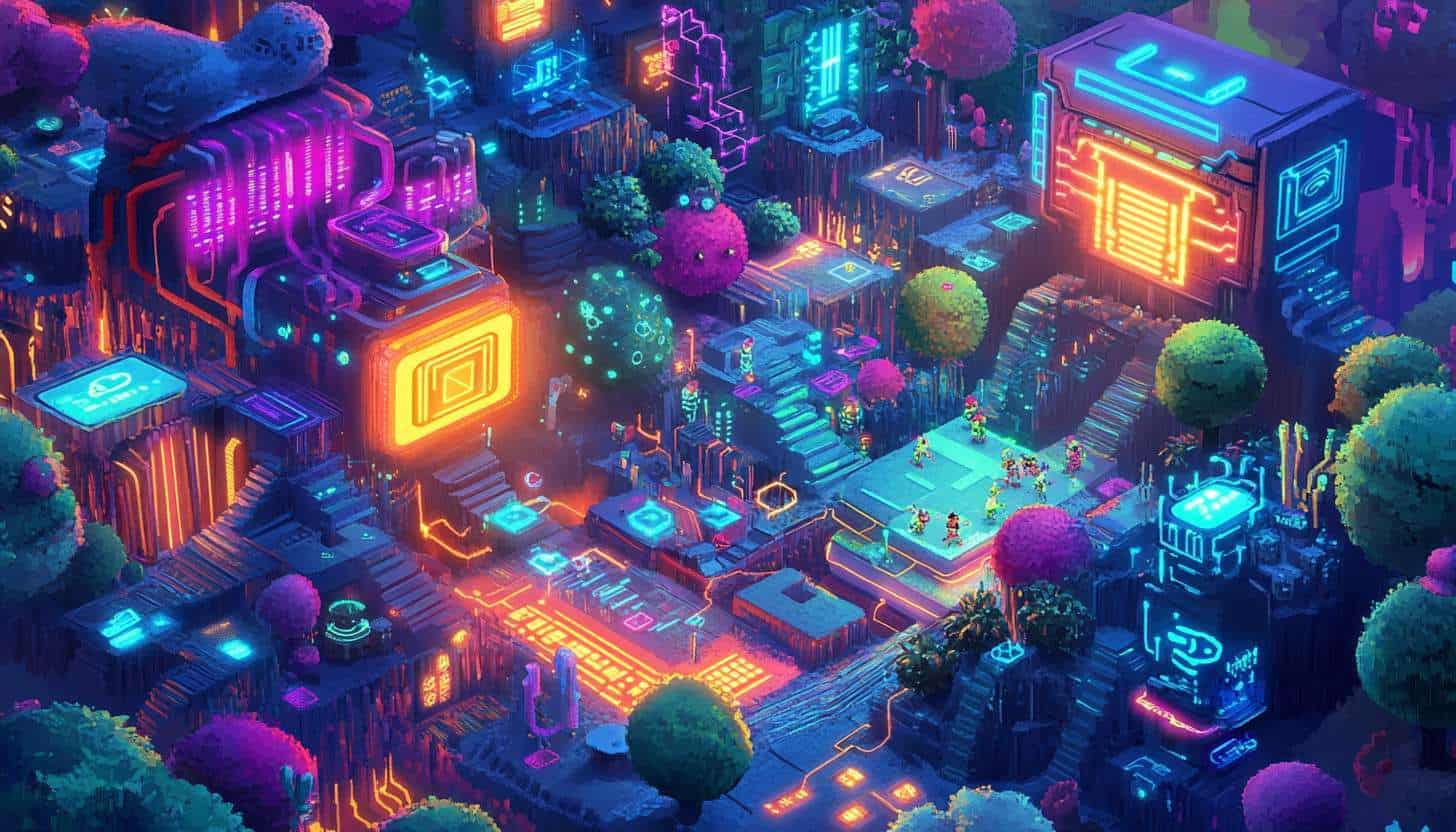
The animation industry has come a long way since its inception. With advances in animation technology, creators can bring their wildest ideas to life more vividly than ever before.
Today, artificial intelligence in animation is revolutionizing how animators work. AI-based photo editing tools are streamlining processes and enhancing creativity, making the future of animation an exciting frontier to explore.
As we dive deeper into this transformative power, we will uncover how AI is reshaping the landscape of animated storytelling.
Understanding Artificial Intelligence in Animation
Artificial intelligence in animation refers to the use of computer systems that can perform tasks typically requiring human intelligence. This includes learning, reasoning, and problem-solving. AI is reshaping the animation landscape by automating processes and enhancing creativity through intelligent tools.
Key AI technologies currently being used in the animation industry include machine learning and neural networks. Machine learning in animation enables systems to learn from data, improving their performance over time. For example, some software can analyze existing animations to generate new frames or suggest improvements, streamlining the creative process for animators.
Incorporating artificial intelligence in animation offers numerous benefits. It can significantly reduce the time spent on repetitive tasks, allowing animators to focus on more creative aspects of their work. Additionally, AI tools can assist in visual effects innovation, making it easier to create stunning visuals that captivate audiences while also elevating the overall quality of animations.
Automating Tedious Tasks

AI has the potential to transform the animation industry by automating tedious tasks like rigging and rendering. These processes often consume a significant amount of time, which can limit an animator’s creativity. By implementing AI-driven solutions, animators can streamline these repetitive tasks and focus more on the creative aspects of their projects.
Several software tools are now utilizing AI for automation in animation. For instance, Autodesk’s MotionBuilder uses AI to assist with character rigging, allowing artists to create lifelike movements more efficiently. Additionally, Adobe’s After Effects features automated graphic design tools that help with rendering, making it easier for artists to achieve stunning visuals without getting bogged down in technical details.
The impact of this creative automation on animator productivity is profound. With AI handling routine tasks, artists can allocate their time toward brainstorming and developing original ideas. This shift not only enhances overall productivity but also fosters greater creativity within the animation process, leading to innovative works that push the boundaries of digital art.
As the digital art revolution continues, the role of AI in automating tedious tasks will only grow. Animators who embrace these advancements will find themselves better equipped to meet the demands of the industry while also exploring new artistic avenues. Ultimately, this synergy between AI and animation will redefine how stories are told and experienced in the coming years.
Enhancing Visual Effects with AI
Artificial intelligence in animation is reshaping how visual effects are created. AI technologies allow artists to produce more realistic animations with less manual effort. These advancements lead to an increase in animation workflow efficiency, enabling teams to focus on creative storytelling rather than tedious tasks.
In traditional methods, animators often spent countless hours fine-tuning every detail. This process could be labor-intensive and time-consuming, leading to longer production timelines. In contrast, AI-enhanced techniques can analyze vast datasets to predict and simulate realistic movements and textures, significantly reducing the time spent on these elements.
For example, AI algorithms can generate lifelike facial expressions by learning from real human emotions. This capability allows animators to create more relatable characters without extensive manual animation work. As a result, AI-driven storytelling becomes more accessible, giving creators the tools to enhance their narratives through immersive visual experiences.
The shift toward AI-enhanced visual effects does not eliminate the need for human creativity. Instead, it empowers artists by providing them with innovative tools that augment their skills. As a result, the collaboration between technology and artistry paves the way for groundbreaking animations that captivate audiences in unprecedented ways.
Empowering Creatives through AI Tools

AI-driven tools are reshaping the creative process in the future of the animation industry. These tools assist animators by streamlining tasks and enhancing creativity. Programs like Adobe Character Animator and Artbreeder allow artists to experiment with designs and animations more freely than ever before.
One significant benefit of these AI tools is their ability to facilitate idea generation. For instance, AI can analyze existing styles and suggest new concepts based on an animator’s preferences. This capability helps in character design and storyboarding, allowing creators to explore artistic boundaries in animation without the usual constraints.
Moreover, AI assistance fosters collaboration rather than replacing human creativity. While AI can generate ideas and provide options, the final artistic decisions remain with the animator. This balance ensures that the unique vision of the artist shines through, while also benefiting from AI’s analytical capabilities.
As these tools continue to evolve, they promise to enhance the creative landscape even further. The future of animation industry will likely see a more integrated approach where human intuition and AI technology work together harmoniously. Embracing this partnership may lead to innovative storytelling and visual experiences that push the limits of what animation can achieve.
The Future of Collaboration: AI and Human Artists
The synergy between animators and artificial intelligence in animation is a fascinating development. As animators embrace AI technologies, the creative process becomes more dynamic and innovative. This collaboration can lead to unique artistic expressions that blend human intuition with AI efficiency.
In the coming years, we can expect this collaboration to evolve significantly. Tools powered by artificial intelligence image generator technologies will likely become more sophisticated, enabling animators to explore ideas they may not have considered otherwise. This could result in a new wave of storytelling techniques that combine traditional artistry with cutting-edge technology.
However, ethical considerations surrounding AI’s role in creative industries must be addressed. There are concerns about ownership of AI-generated content and how it affects the credit given to human artists. As artificial intelligence in animation continues to advance, it’s crucial for the industry to create guidelines that protect the rights of creators while promoting innovation.
The relationship between animators and AI is one of partnership. By working together, they can push the boundaries of what is possible in animation. This collaboration has the potential to enrich the field, providing new opportunities for creativity and expression while ensuring that human artistry remains at its core.
Challenges and Limitations of AI in Animation

As the animation industry embraces AI, several challenges emerge. One significant obstacle is the integration of AI into existing workflows.
Many studios have established processes that may not easily accommodate new technologies. This can lead to resistance among animators who are accustomed to traditional methods.
Reliability and accuracy are also major concerns when using AI-generated content. While AI can produce impressive results, it can sometimes generate errors or inconsistencies.
For example, an AI tool might create a character that doesn’t match the intended style or fails to adhere to the story’s context. These issues can hinder the creative process and require additional time to correct.
Job displacement is another pressing concern within the industry. As AI automates repetitive tasks, some fear that it will replace human jobs.
However, many experts argue that AI will not eliminate jobs but rather transform them. Animators may spend less time on tedious tasks and focus more on creative aspects, enhancing their roles rather than diminishing them.
While AI offers transformative potential for the animation industry, several challenges remain. The integration of AI tools must be approached thoughtfully to address reliability issues and job concerns. By navigating these challenges, the animation community can harness the power of AI while preserving artistic integrity and creativity.
In Summary: Embracing the Future of Animation
The transformative power of artificial intelligence in animation is undeniable. As we have explored, AI enhances creativity while automating tedious tasks, making the animation process more efficient and innovative. It is crucial for artists to embrace this technology without losing their unique artistic integrity.
Looking ahead, the future landscape of animation will be shaped by a collaboration between human creativity and AI image generation comparison. This synergy, alongside best AI tools directory and high-quality image upscaling, promises to unlock new possibilities and redefine storytelling in ways we have yet to imagine. By integrating AI responsibly, we can ensure that the art of animation continues to thrive in this new era.
Related Articles
Is Character AI Generative AI? How It Works and What It Creates
Is Character AI generative AI? Yes. It creates original text responses from your prompts, conversation context, and patterns learned during training. Instead…
Read more
I for One Welcome Our AI Overlords: Meaning, Origin, and AI Culture
“I for one welcome our AI overlords” sounds like a joke because it is one—usually. The phrase signals ironic enthusiasm, reluctant acceptance, or humorous su…
Read more
What Are AI Skills? Essential Abilities for Today’s Workplace and Business
If you’ve wondered, what are AI skills, the answer goes beyond coding or building robots. AI skills are the practical abilities to understand what AI can do,…
Read more