
Top 7 Integrated Marketing Concepts You Need Today
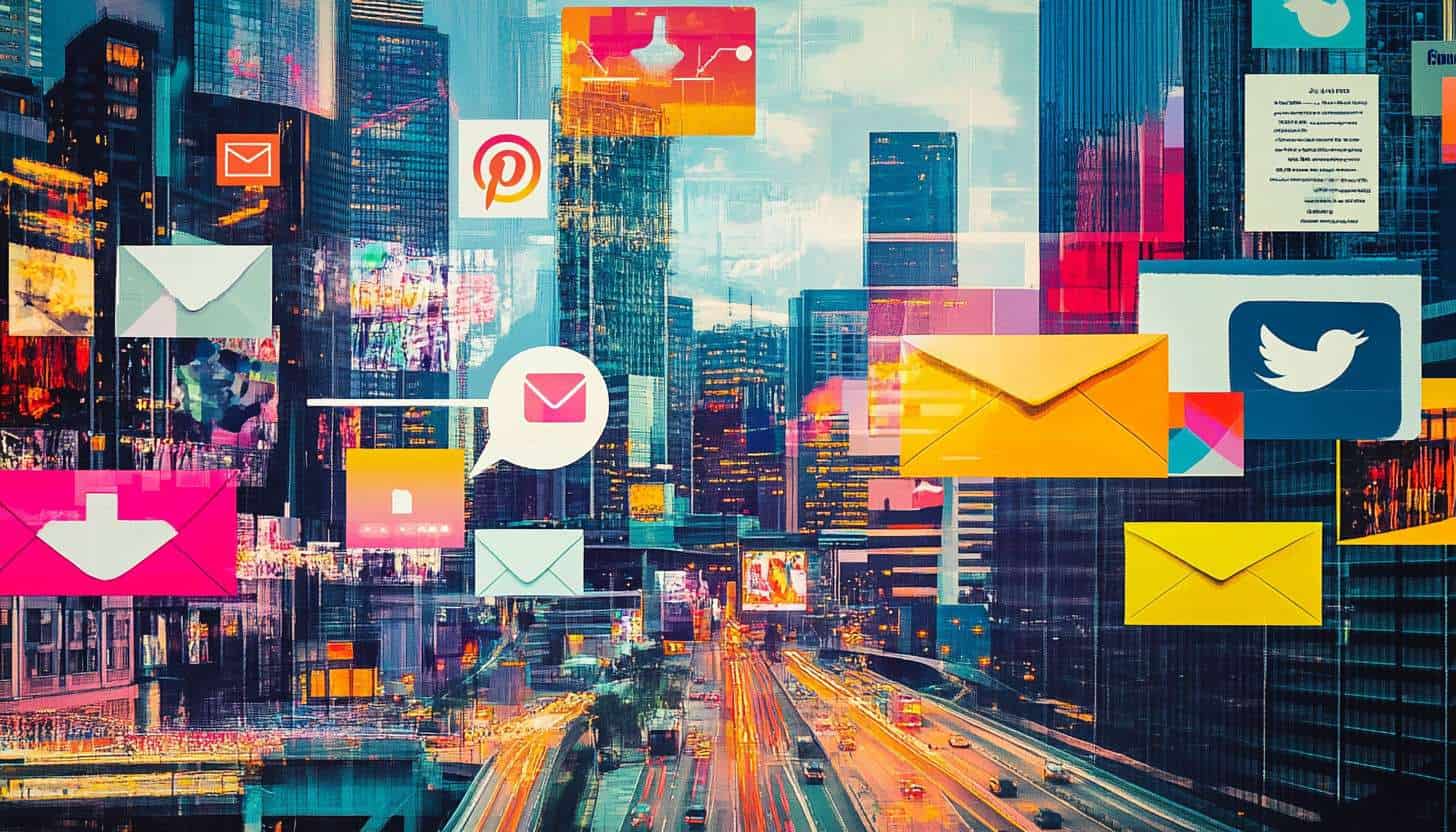
The world of marketing is evolving rapidly. Integrated marketing concepts are becoming essential for businesses looking to thrive in this dynamic environment.
Today’s marketers must navigate emerging trends that shape consumer behavior. Exploring resources like an AI tools directory can provide valuable insights into innovative technologies, including AI, that are reshaping marketing strategies. Understanding AI in marketing and other innovative approaches can help brands craft more effective strategies.
As we explore these seven integrated marketing concepts, you will discover how they can transform your approach to branding. Embrace the future and stay ahead of the curve by learning how these concepts influence success today.
The Rise of Artificial Intelligence in Marketing
Artificial intelligence (AI) is transforming integrated marketing concepts and redefining customer experience. AI tools help marketers segment audiences with precision and target them effectively. Exploring the benefits of AI in advertising reveals how it enables marketers to optimize campaigns, ensuring personalized communication that makes consumers feel understood and valued.
AI enhances personalization by analyzing customer data to predict preferences and behaviors. For instance, Netflix uses AI algorithms to recommend shows based on viewers’ past interactions. This level of personalization fosters deeper connections between brands and customers, driving increased loyalty.
In addition to targeting and personalization, automation in advertising plays a significant role. AI automates repetitive marketing tasks, allowing teams to focus on strategy rather than execution. By automating these processes, businesses can respond to customer needs faster and improve their overall efficiency.
These advancements illustrate how essential integrated marketing concepts will shape the future of brand strategies. As we move forward, leveraging AI’s capabilities will be crucial for creating impactful campaigns that resonate with consumers. Brands looking to thrive must embrace these innovations to enhance their marketing efforts.
Automation: Streamlining Marketing Efforts
Marketing automation is a powerful tool that enhances efficiency for brands navigating today’s digital landscape. By employing automated processes, businesses can streamline their repetitive tasks, allowing them to focus more on strategy and creativity. This shift toward automation supports an omnichannel approach, ensuring consistent messaging across various platforms.
Numerous marketing tasks can be automated for a seamless experience. Email marketing campaigns are prime examples; tools like Mailchimp and HubSpot allow marketers to schedule emails based on customer behavior. Incorporating personalized email automation ensures these campaigns are tailored to individual preferences, boosting engagement and fostering stronger connections with the audience.
The impact of automation extends significantly into lead nurturing and customer relationship management. Automated workflows help track user interactions and tailor follow-ups that match individual interests or behaviors. Furthermore, artificial intelligence in CRM plays a pivotal role in this digital transformation, enabling businesses to build stronger relationships with customers through timely and relevant communications.
Embracing marketing automation not only improves operational efficiency but also enhances overall campaign performance. As more businesses adopt these advanced strategies, they set the stage for a future shaped by integrated marketing concepts that prioritize personalization and connection. Hence, brands should consider integrating automation into their practices to fully maximize their potential in an evolving market landscape.
Omnichannel Branding: Connecting Touchpoints
In today’s fast-paced digital landscape, omnichannel branding is vital for businesses aiming to create a cohesive customer experience. It involves maintaining a consistent message across various platforms, including social media, websites, and email campaigns. This consistency reinforces brand identity and fosters trust among consumers.
To successfully implement omnichannel branding, businesses must design strategies that connect all customer touchpoints. For example, utilizing data-driven marketing allows brands to track customer interactions across channels. By analyzing this data, marketers can craft personalized experiences that resonate with their audience at every stage of the customer journey.
One effective method to improve interconnectedness is by integrating feedback loops into your marketing efforts. Continuous engagement with customers through surveys or interaction metrics provides valuable insights into preferences and pain points. Responding to these insights ensures that brand messaging remains relevant while enhancing overall consumer satisfaction.
Moreover, innovation in branding is crucial for adapting to changing market demands. Brands like Starbucks have excelled in creating seamless experiences through mobile apps and loyalty programs. These initiatives demonstrate the importance of an interconnected strategy where every platform supports the other, ultimately driving higher customer retention rates and sales growth.
Data Analytics: Harnessing Insights for Better Strategy
Data analytics plays a crucial role in integrated marketing strategies. It helps marketers make informed decisions based on consumer behavior and market trends. By leveraging technology integration, brands can gather vast amounts of data that guide their marketing approach effectively.
Various tools are available to assist with data gathering. Google Analytics and HubSpot provide insights into customer interactions across multiple channels. These platforms enable marketers to monitor engagement patterns and tailor content accordingly to increase relevance and resonance with their audience.
Furthermore, predictive analytics is transforming how campaigns are planned in the future of marketing. Marketers can forecast potential customer behaviors using algorithms that analyze historical data. This foresight allows brands to create proactive strategies, reaching audiences at the right time with the right message.
For instance, streaming services like Netflix use predictive analytics to recommend content based on viewers’ past watching habits. By anticipating user preferences, they enhance subscription retention rates through tailored experiences. Ultimately, harnessing data analytics leads to more targeted marketing efforts, promoting stronger connections between brands and consumers while refining overall strategy.
Social Media Integration: Building Community and Engagement
Social media integration is crucial for brands aiming to build strong communities and foster engagement. Leveraging social platforms allows businesses to connect directly with their audience, driving brand loyalty and advocacy. These benefits are further amplified by automated social media marketing, which streamlines the process of managing interactions and ensures consistent, timely communication with audiences.
A significant trend in recent years is the rise of user-generated content (UGC). This type of content not only enhances authenticity but also invites customers to become active participants in brand storytelling. For example, brands like Starbucks encourage customers to share photos with their products, showcasing real-life experiences that demonstrate how UGC transforms modern marketing by building trust and emotional connections with audiences.
Effective engagement can be achieved through strategic social listening practices. By monitoring conversations about their brand on various platforms, marketers can gain insights into consumer preferences and pain points. This information enables brands to respond appropriately, addressing customer concerns while fostering a positive relationship that reflects integrated marketing concepts.
Ultimately, integrating social media into marketing strategies is essential for modern branding success. As companies adapt to these integrated marketing concepts, they will find opportunities for community-building that enhance both loyalty and advocacy. In today’s digital landscape, those who harness the power of social media effectively stand to gain a competitive edge over others.
Voice Search Optimization: The New Frontier
Voice search is becoming increasingly important in digital marketing strategies. With the rise of smart speakers and voice assistants, consumers are looking for information differently than before. This shift necessitates a rethinking of how brands create content to meet these new demands.
To optimize content for voice-assisted devices, marketers should focus on natural language processing. This involves using conversational phrases that people naturally use when speaking. Brands can also incorporate FAQs into their content to align with common voice search queries and ensure they capture this growing traffic.
As technology evolves, predictions about the influence of voice search on consumer behavior grow stronger. Studies suggest that more than half of all searches will be done via voice by 2024. Consequently, brands must prepare for a future where traditional text-based SEO may take a backseat to optimizing for verbal queries.
Embracing voice search optimization is essential for staying competitive in the integrated marketing landscape. Consumers expect seamless interactions with brands across all platforms, including voice interfaces. By investing in this area now, marketers can better connect with their audience and enhance their overall branding strategy.
Sustainable Marketing Practices: Aligning with Customer Values
Sustainability is becoming a cornerstone of modern branding strategies. Consumers increasingly seek brands that reflect their values, particularly regarding environmental responsibility. Businesses aiming to stay relevant in this landscape can benefit from resources like a top AI tools guide for digital presence, which helps them amplify their sustainability messaging effectively across platforms.
Integrated marketing can effectively promote eco-friendly practices across various channels and touchpoints. By creating cohesive messaging around sustainable initiatives, brands can strengthen relationships with consumers who prioritize environmental concerns. Highlighting green products or practices on social media, websites, and promotional materials amplifies the brand’s message and demonstrates authenticity.
Several brands are leading the way in sustainable marketing practices. For example, Patagonia actively promotes its commitment to environmental conservation through its “Don’t Buy This Jacket” campaign. This initiative not only encourages responsible consumption but aligns perfectly with its integrated marketing concepts to engage eco-conscious customers.
Another excellent example is Unilever’s Sustainable Living Plan, which focuses on reducing the company’s environmental footprint while improving health and well-being for communities around the world. By incorporating integrated marketing concepts into their strategy, they can effectively communicate these efforts to diverse audiences while reinforcing their brand identity as a leader in sustainability.
Summary: Embracing Integrated Marketing Concepts for the Future
Integrated marketing concepts are reshaping the future of branding and business strategy. Adopting tools like AI, automation, and data analytics will be vital as these integrated marketing concepts evolve.
Marketers must embrace these changes to stay relevant in a dynamic landscape. By focusing on sustainable practices and enhancing the customer experience, businesses can effectively utilize these integrated marketing concepts moving forward. The future lies in innovation, so let’s harness the power of integrated marketing concepts for optimal success.
Related Articles

Is Character AI Generative AI? How It Works and What It Creates
Is Character AI generative AI? Yes. It creates original text responses from your prompts, conversation context, and patterns learned during training. Instead…
Read more
I for One Welcome Our AI Overlords: Meaning, Origin, and AI Culture
“I for one welcome our AI overlords” sounds like a joke because it is one—usually. The phrase signals ironic enthusiasm, reluctant acceptance, or humorous su…
Read more
What Are AI Skills? Essential Abilities for Today’s Workplace and Business
If you’ve wondered, what are AI skills, the answer goes beyond coding or building robots. AI skills are the practical abilities to understand what AI can do,…
Read more