
Top 7 Tips for Handling Tough Customers Like a Pro
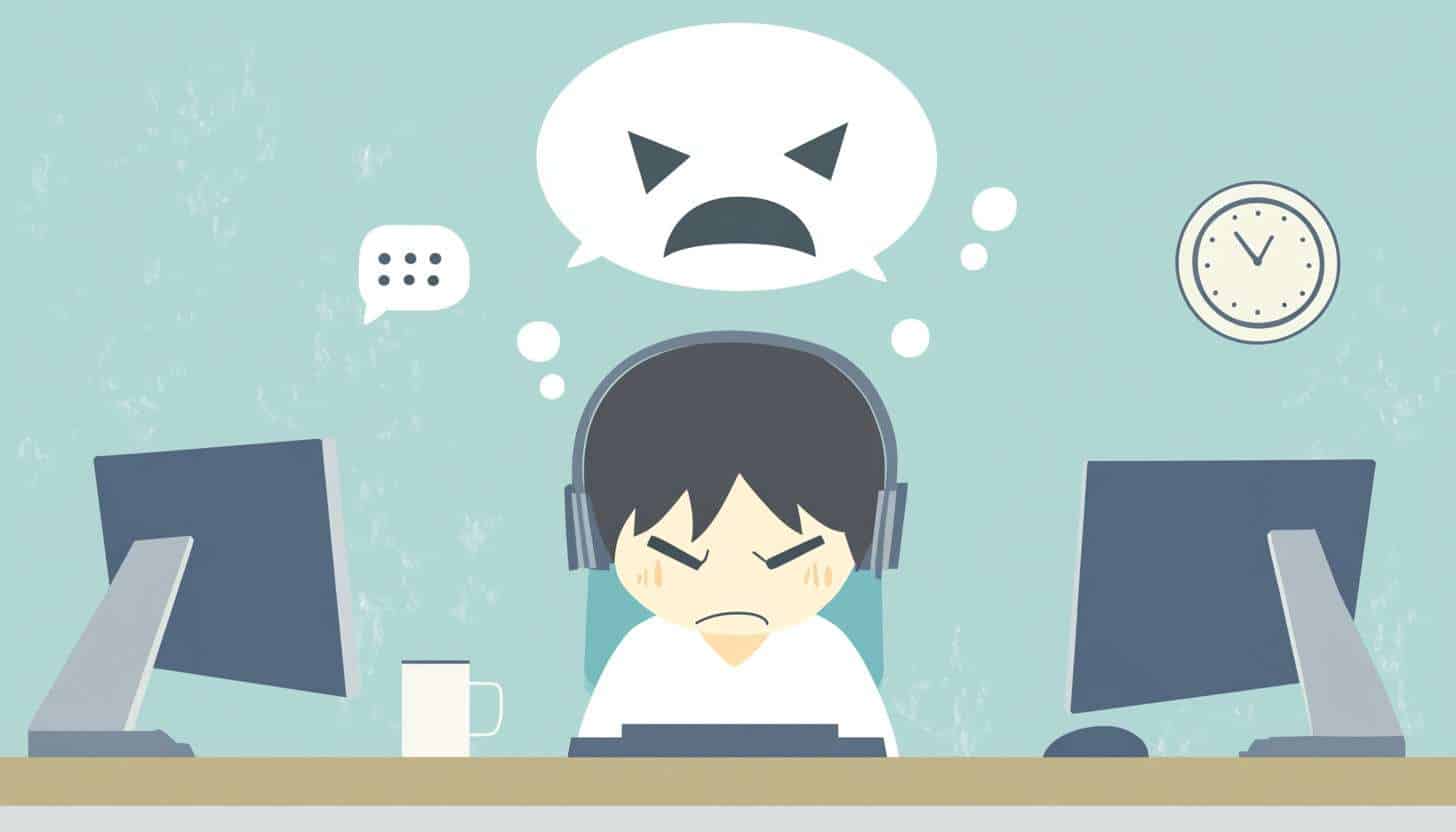
In the world of customer service, mastering the art of de-escalation is crucial. Effectively managing tough customers can turn a challenging situation into a positive experience for everyone involved.
De-escalation techniques help create understanding and reduce tension when emotions run high. Handling tough customers requires skill, patience, and approachability to foster productive conversations. By learning effective conflict resolution strategies, you can improve not only outcomes but also relationships with your customers.
As you navigate this article, you’ll discover seven key strategies that will enhance your ability to handle tough customers successfully. Gaining insight into these de-escalation techniques can empower you in potentially volatile situations.
Let’s embark on this journey toward strengthening your customer service skills and becoming a master at handling challenging interactions.
1. Understanding Customer Emotions
Emotions play a crucial role in customer behavior. When customers feel upset, their reactions can escalate quickly. Recognizing the benefits of AI in customer service, such as its ability to analyze emotional cues through tone and language, can empower teams to address customer needs more effectively.
Identifying signs of frustration and anger is vital. Look for changes in tone, body language, or facial expressions as indicators. For instance, crossed arms or raised voices often signal discontent during stressful interactions.
To empathize with upset customers, use techniques that show understanding. Simple phrases like “I can see why you’re feeling this way” validate their emotions. This acknowledgment allows smoother conversations and demonstrates strong customer service skills.
By focusing on understanding emotions, representatives can better respond to challenging situations. A caring approach helps defuse tension and fosters rapport with clients. Ultimately, mastering this skill aids significantly in handling tough customers successfully.
2. Active Listening Skills
Active listening is a crucial component of effective de-escalation. By fully engaging with customers, representatives can better understand their concerns. This practice leads to improved professional communication and helps in calming upset individuals.
To enhance listening skills during difficult interactions, maintain eye contact and nod to show understanding. Avoid interrupting the customer while they speak, as this can escalate frustration. Restating key points made by the customer reinforces that their feelings are valid and appreciated.
Paraphrasing what the customer has said demonstrates emotional intelligence. For example, if a customer states they are unhappy with a product, you might reply with, “So you’re feeling frustrated because the item did not meet your expectations?” Summarizing broader complaints can also clarify any misunderstandings and show genuine interest in finding a resolution.
Mastering active listening skills is vital for de-escalation. It allows customer service professionals to build trust and rapport with clients facing challenges. By consistently practicing these techniques, staff members will improve both their de-escalation abilities and overall customer satisfaction.
3. Maintaining a Calm Demeanor
Maintaining a calm demeanor is crucial when handling tough customers. Your body language and tone can significantly influence the customer’s experience. For instance, if you cross your arms or speak in a harsh tone, it may escalate the situation further rather than bringing it under control.
To remain calm under pressure, take a moment to collect your thoughts before responding. A brief pause can help you regain composure and assess the situation clearly. Remember, displaying confidence and serenity encourages customers to mirror that behavior, making them more receptive to conversations about solutions.
In addition to maintaining physical calmness, incorporate breathing techniques into your routine. Deep breathing exercises can reduce stress and anxiety during challenging interactions. Practicing mindfulness also helps by centering your focus on the current moment rather than past frustrations or future worries.
Using these strategies not only enhances your ability in handling tough customers but also contributes to effective active listening. When you are calm, you’re better equipped to actively listen and apply problem-solving strategies that lead to satisfactory resolutions for both parties involved. Each successful de-escalation improves your confidence for future customer interactions!
4. Use of Empathy Statements
Empathy statements are phrases that express understanding and compassion towards a customer’s feelings. They play a vital role in de-escalation by showing customers that you genuinely care about their concerns. Leveraging an AI writing assistant can help craft empathetic responses, ensuring your tone remains consistent and sincere even during challenging interactions.
To craft effective empathy statements, it’s essential to be sincere and tailored to the situation. For example, saying, “I understand how frustrating this is for you” validates the customer’s emotions without dismissing their experience. Training resources often emphasize the importance of being authentic; sounding robotic or insincere can further aggravate an already tense interaction.
Incorporating empathy into conversations can be done naturally by integrating these statements into your dialogue. Use phrases such as “I can imagine how upsetting this must be” when addressing specific issues raised by the customer. By weaving empathy seamlessly into discussions, you foster a collaborative atmosphere that encourages resolution rather than escalation.
Effectively using empathy statements enhances your ability to resolve conflicts while maintaining customer trust. Your empathetic approach will not only help clarify misunderstandings but also open the door for more positive interactions in the future. Remember, acknowledging feelings is an important step in providing exceptional customer service and ensuring memorable experiences for all customers involved.
5. Problem-Solving Techniques
When handling tough customers, a solution-oriented mindset can transform the interaction. This approach focuses on finding resolutions rather than dwelling on the problem. By doing so, customer service representatives foster positivity and instill hope in frustrated customers.
Involving the customer in the solution process enhances their sense of control. You might ask, “What do you think would fix this situation?” Such questions help customers articulate their expectations. By collaborating with them, you increase satisfaction and create a shared goal.
Effective problem-solving dialogues also include acknowledging concerns while proposing solutions. For instance, if a customer complains about poor service, you might say, “I understand that your time is valuable. Let’s find a way to make it right.” This response reassures them that their feelings are validated and directs attention toward resolution.
Utilizing simple techniques like summarizing issues or suggesting options encourages productive conversations. These strategies go beyond just handling tough customers; they cultivate long-term trust and loyalty as well. When customers feel involved in resolving their issues, they are more likely to have positive experiences moving forward.
6. Setting Boundaries
Setting boundaries is essential for maintaining respectful communication with tough customers. Clear boundaries help both the customer service representative and the customer understand acceptable behavior during interactions. This clarity can minimize confrontational situations, enabling a smoother resolution process.
When faced with inappropriate behavior, it’s crucial to address it calmly and assertively. For instance, if a customer raises their voice or uses offensive language, you might say, “I want to help you, but I need us to keep this conversation respectful.” This approach not only helps maintain control of the dialogue but also signals that disrespectful behavior will not be tolerated without escalating tension.
Employees should know when it’s appropriate to involve a supervisor or colleague in challenging situations. If a conversation becomes highly charged or if the customer refuses to engage respectfully after repeated reminders, seeking additional support may be necessary. This step not only protects your well-being but also ensures that the customer receives assistance from someone who can further de-escalate an increasingly difficult situation.
Establishing effective boundaries ultimately fosters a more constructive atmosphere for all parties involved. When representatives set clear expectations early on, they can create an environment conducive to problem-solving. Remember, professional communication does not mean tolerating unacceptable behavior; rather, it emphasizes respect and understanding from both sides.
7. Practice Makes Perfect
Practicing de-escalation techniques is essential for effectively handling tough customers. Role-playing scenarios help staff simulate real-life situations in a safe environment. Exploring resources like an AI tools directory can also assist teams in finding advanced solutions to improve their training methods and communication strategies.
Many companies offer training programs focused on de-escalation strategies. Workshops led by experienced trainers can provide participants with insights into effective communication methods and problem-solving tactics. Additionally, online courses and webinars offer flexible learning options for busy schedules, making it easier for staff to enhance their abilities in handling tough customers.
Seeking feedback after challenging interactions is crucial for continuous improvement. Colleagues or supervisors can provide valuable perspectives on what worked well and areas needing attention. Embracing this process encourages personal growth and fosters a culture of learning within the organization, ultimately leading to better outcomes when managing difficult situations.
Mastering the art of de-escalation takes time and commitment. Consistent practice ensures that customer service representatives are prepared for any encounter they might face. By investing in development opportunities and openly receiving feedback, teams will become more adept at handling tough customers with ease and professionalism.
In Summary
Mastering the art of de-escalation is crucial for handling tough customers effectively. These strategies not only help diffuse tension but also improve overall customer satisfaction.
Continuous improvement in conflict resolution skills is essential in customer service. Handling tough customers will become easier with practice, empathy, and active listening, leading to more positive interactions. Embrace these techniques as an ongoing journey to enhance your ability to serve all customers better.
Related Articles

How to Follow Up with Clients Without Losing the Deal
Most deals are lost not from rejection, but from poor follow-up. Learning how to follow up with clients can turn missed opportunities into consistent wins.
Read more
What Are the Benefits of CRM Systems for Businesses?
Customer relationships are the core of any successful business. The benefits of CRM systems include better organization, insights, and stronger loyalty.
Read more
Stop Losing Clients and Try These Retention Techniques
Losing clients can quietly damage any business. These client retention techniques help turn one-time buyers into loyal customers.
Read more