
6 Ways AI Painting Software Transforms Art
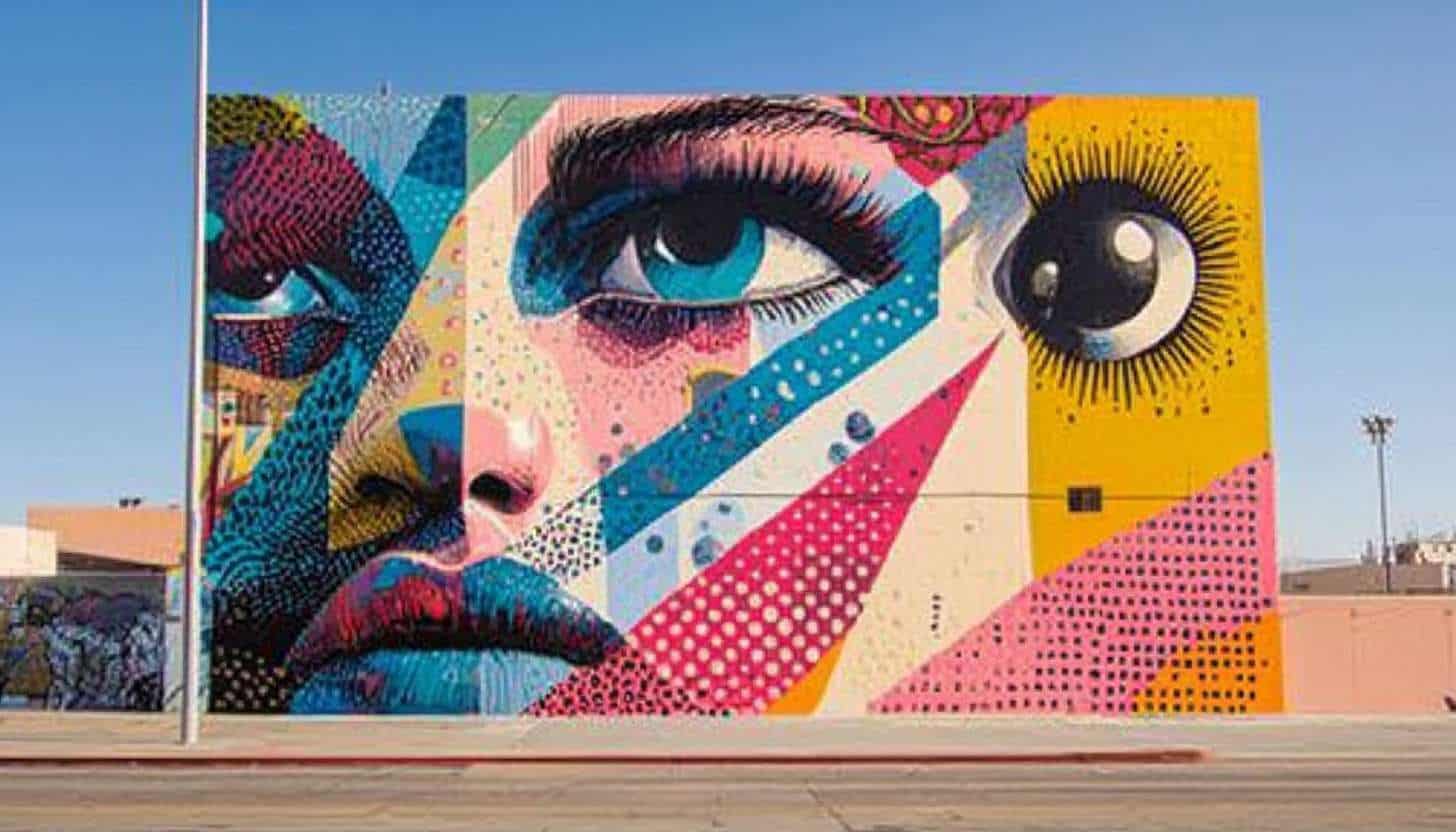
In recent years, AI painting software has emerged as a powerful tool in the art world. This technology is not just a trend; it is reshaping how artists create and perceive their work.
The rise of AI painting software highlights the importance of blending technology with traditional artistry. By merging these two realms, artists can explore new dimensions of creativity and innovation.
This article will delve into six ways AI painting software transforms art and inspires artists to expand their horizons.
Redefining Artistic Boundaries
AI painting software is reshaping our understanding of art. These tools challenge traditional definitions by introducing new methods of creation. Artists are now able to blend technology with their imagination, leading to innovative forms that push the limits of creativity.
One notable example is generative art, where AI algorithms create unique visuals based on specific inputs. This approach allows artists to collaborate with artificial intelligence image generator, producing works that would be impossible to conceive independently. As a result, we see hybrid art forms that combine painting, digital media, and even music, creating immersive experiences for audiences.
Another exciting development is the rise of interactive installations that utilize AI painting software. These pieces engage viewers by responding to their movements or emotions, transforming spectators into participants. This interactivity expands the definition of art from a static object to a dynamic experience, demonstrating how artificial intelligence in art can foster deeper connections between creators and their audiences.
Moreover, AI tools are enabling artists to explore uncharted territories in their work. By merging traditional techniques with modern technology, artists are discovering fresh styles and expressions. The integration of AI into the artistic process is not just redefining what art can be but also inspiring a new generation of creatives to think beyond conventional boundaries.
Enhancing Creativity

AI painting software serves as a powerful tool for inspiration. It can spark new ideas and techniques that artists might not have explored otherwise. By utilizing AI, creatives can generate unexpected outcomes, pushing the boundaries of their imagination.
One notable example is the work of artist Refik Anadol. He combines traditional painting with AI algorithms to create mesmerizing visual experiences. His projects illustrate how AI can be a source of inspiration, allowing artists to visualize concepts in innovative ways.
Another case study involves the digital artist Anna Ridler. She uses automated graphic design to explore themes of memory and storytelling through her art. By integrating AI into her creative process, she enhances her ability to convey complex narratives and emotions, proving that AI can elevate artistic expression.
AI painting software acts as a catalyst for creativity. It encourages artists to experiment and discover new possibilities in their work. As more creatives embrace these innovative tools, we can expect an exciting evolution in the art world.
Streamlining Workflow
AI painting software significantly enhances efficiency in artistic projects. These tools automate various tasks, allowing artists to focus more on creativity and less on routine activities. For instance, AI can quickly generate backgrounds or assist in color selection, streamlining the workflow of modern artistry.
By reducing the time spent on repetitive tasks, AI painting software empowers artists to explore new ideas. Instead of laboring over minute details, they can experiment with different styles and techniques. This shift not only improves productivity but also enhances the quality of the final artwork.
Consider the example of an illustrator who uses automatic photo editing to create intricate designs. The software can help adjust patterns and colors, allowing the artist to iterate rapidly. This capability leads to a more fluid creative process and encourages innovation in their work.
AI painting software transforms how artists approach their craft. With more time saved on mundane tasks, they can dedicate their energy to bringing their visions to life. In a world where modern artistry continues to evolve, these tools play a vital role in shaping the future of creative expression.
Democratizing Art Creation

AI painting software is breaking down barriers in the art world. These user-friendly tools allow non-traditional artists to explore their creativity without needing extensive training. This democratization of art creation opens doors for many who previously felt excluded from traditional artistic practices.
Community projects have emerged, showcasing the power of AI in engaging broader audiences. For instance, initiatives like “Art in the Age of AI” invite local residents to collaborate with AI tools. Participants create unique pieces that reflect their experiences, fostering a sense of belonging and artistic expression.
Moreover, technology in creativity is reshaping how art is perceived and made. Programs that incorporate AI into community workshops encourage participants to experiment and share their creations. This not only promotes inclusivity but also enriches the local art scene by bringing diverse voices to the forefront.
Additionally, resources like the best AI tools directory provide artists with access to top-rated AI-powered platforms. These directories help creatives find the right software to enhance their projects, making AI-driven art more accessible to all.
Collaborative Art Making
The collaboration between human artists and AI systems is reshaping the art landscape. This partnership allows artists to explore new creative territories that were previously unimaginable. By integrating AI painting software into their practice, artists are discovering innovative ways to express their visions.
One notable example of this collaboration is the project by artist Refik Anadol, who uses AI to create immersive installations. His work transforms data into stunning visual narratives, demonstrating how artists using AI can push the boundaries of traditional art forms. These projects not only captivate audiences but also invite them to engage with art on a deeper level.
Another fascinating collaboration occurred with the artwork titled “Edmond de Belamy”, created by the Paris-based collective Obvious. They utilized high-quality image upscaling to generate a portrait that challenges notions of authorship and creativity. This piece sparked conversations about what it means to be an artist in an age where AI can contribute to the creation process.
Collaborative art-making highlights the potential for AI to augment human creativity. Artists using AI can experiment with styles, techniques, and concepts in ways that enrich their artistic practice. As these collaborations continue to evolve, they promise to unlock even more exciting possibilities for the future of art.
New Avenues for Expression

AI painting software has opened up exciting new avenues for expression in the art world. Artists are now able to experiment with unique styles and techniques that were previously unimaginable. This technology allows for a blend of traditional artistry with innovative algorithms, resulting in new artistic expressions that push the boundaries of creativity.
For instance, artist Refik Anadol uses AI to create immersive installations that transform data into stunning visual art. His work illustrates how AI can generate patterns and colors that resonate with viewers on a profound level. This synergy between human creativity and machine intelligence fosters an environment where new artistic expressions can thrive.
Many artists report that AI has significantly influenced their personal styles. Some find themselves inspired by the unexpected outcomes produced by AI tools. The chance to collaborate with an algorithm encourages them to take risks and explore uncharted territories in their creative processes.
Moreover, an AI image generation comparison can help artists determine which tools best suit their creative needs. By evaluating different AI platforms, artists can select the most effective software to enhance their artistic vision. This ability to tailor AI tools to individual styles further expands the possibilities for creative expression.
Ethical Considerations in AI Art
As AI painting software continues to evolve, ethical concerns are becoming more prominent. Copyright issues arise when AI-generated works closely resemble existing art, raising questions about ownership and originality. Artists may worry that their unique styles could be replicated by algorithms, leading to diluted creative identities in an increasingly automated landscape.
Furthermore, the rise of AI in art prompts discussions about the future of human artistry. Some fear that reliance on AI painting software may diminish the value of traditional artistic skills. However, others argue that innovation in art can coexist with human creativity, leading to new forms of expression rather than replacing it entirely.
Consider a scenario where an artist utilizes AI painting software to create a piece inspired by famous artworks. While the software can generate unique visuals, the original idea remains rooted in the artist’s vision. This interplay highlights the importance of recognizing the role of human input in AI-generated art, ensuring that the artist’s intent is not overshadowed by the technology.
Navigating these ethical considerations requires ongoing dialogue among artists, technologists, and legal experts. As AI painting software reshapes the art world, it is essential to establish frameworks that protect artists’ rights while encouraging innovation. Balancing creativity with ethical practices will help foster a thriving artistic community in this new era of art.
Embracing the Future of Art
In summary, AI painting software is transforming creativity in remarkable ways. It redefines artistic boundaries, enhances workflow, and democratizes art creation, allowing everyone to participate in the artistic process. As we look ahead, artists and creatives should embrace AI painting software as a partner in their journeys, unlocking new potentials and expressions.
The integration of AI painting software opens up exciting avenues for collaboration and innovation. By leveraging these tools, artists can push their creative limits while maintaining their unique styles. Embracing AI painting software will empower artists to explore their full creative capabilities and inspire future generations.
Related Articles
Master Mobile Image Optimization for Stunning Visuals
In today’s digital landscape, mobile image optimization is more crucial than ever. With the majority of users accessing websites via their smartphones, op…
Read more
Smart AI Tools for Publishers You’ll Love
In today’s fast-paced digital landscape, the integration of AI tools for publishers has become essential. These innovative technologies, including solutio…
Read more
How Image Upscaling Software Enhances Digital Art
In the world of digital art, image upscaling software is revolutionizing how artists create and share their work. This technology allows creators to transform t…
Read more