
Why CRM Matters: Benefits of Client Relationship Management

In today’s competitive marketplace, the personal touch often gets lost in the pursuit of profit, yet successful businesses understand that enduring success hinges on building strong relationships. This is where Client Relationship Management (CRM) plays a pivotal role, combining technology and empathy to help businesses truly understand their customers. CRM goes beyond traditional data management by transforming customer interactions into meaningful engagements.
Understanding Client Relationship Management
At its core, Client Relationship Management (CRM) involves managing interactions with current and potential clients to enhance communication, anticipate customer needs, and build long-lasting relationships, highlighting the benefits of client relationship management. CRM systems serve as digital tools that store customer information, track interactions, and streamline processes for personalized service. Effective CRM hinges on three key components: people, process, and technology.
The “people” aspect includes all individuals interacting with clients, while “process” refers to the strategic framework for engaging customers. Technology ensures seamless information flow through a centralized database, enabling businesses to deliver consistent experiences that align with customer expectations.
A robust CRM system bridges gaps between companies and clients by tracking preferences and histories, allowing for tailored communications rather than generic outreach. This personalized approach fosters trust and brand loyalty, akin to the delight of a favorite coffee shop remembering your order. Ultimately, successful CRM practices enable meaningful connections that go beyond standard transactions, cultivating relationships that drive business growth.
Enhancing Customer Satisfaction
In today’s competitive marketplace, customer satisfaction is essential, and personalized interactions are key to enhancing customer experiences. The benefits of client relationship management (CRM) systems aim to replicate the personalized feel of local businesses on a larger scale, enabling companies to treat each client as an individual rather than just another entry in a database. By leveraging data from past interactions, CRMs can anticipate client needs and preferences, as seen in Amazon’s recommendation engine, which suggests products based on previous purchases.
These insights allow businesses to exceed customer expectations with timely and relevant solutions, ultimately strengthening client relationships and fostering loyalty. For example, Starbucks’ rewards program nurtures a sense of belonging through personalized rewards tracked by their CRM, creating a devoted customer base that feels valued and understood. Thus, CRM is not just about managing data; it’s about humanizing business interactions at scale, ensuring customers return time after time because they genuinely enjoy the personalized service they receive.
Boosting Sales and Revenue
Effective Client Relationship Management (CRM) is a key strategy for invigorating sales and realizing the benefits of client relationship management, as companies with strong CRM practices often experience significant sales growth by better understanding their customers. By leveraging customer data, businesses can adapt sales techniques and quickly respond to market trends. For example, Amazon uses comprehensive CRM tools to track purchases and anticipate future consumer desires, resulting in a seamless shopping experience that encourages repeat visits.
CRM systems excel in providing data-driven insights that fuel targeted marketing strategies. Companies can gain detailed knowledge about client preferences, buying habits, and potential pain points, enabling them to create personalized marketing campaigns. Nike exemplifies this by utilizing CRM analytics to send tailored recommendations, significantly boosting conversions. Similarly, Starbucks leverages CRM through its loyalty program, offering personalized experiences that encourage frequent visits and larger purchases. In summary, mastering CRM not only enhances profitability but also fosters long-lasting customer relationships, turning casual consumers into brand advocates.
Streamlining Business Operations
Effective Client Relationship Management (CRM) is a key strategy for invigorating sales and realizing the benefits of client relationship management, as companies with strong CRM practices often experience significant sales growth by better understanding their customers. By leveraging customer data, businesses can adapt sales techniques and quickly respond to market trends. For example, Amazon uses comprehensive CRM tools to track purchases and anticipate future consumer desires, resulting in a seamless shopping experience that encourages repeat visits.
CRM systems excel in providing data-driven insights that fuel targeted marketing strategies. Companies can gain detailed knowledge about client preferences, buying habits, and potential pain points, enabling them to create personalized marketing campaigns. Nike exemplifies this by utilizing CRM analytics to send tailored recommendations, significantly boosting conversions. Similarly, Starbucks leverages CRM through its loyalty program, offering personalized experiences that encourage frequent visits and larger purchases. In summary, mastering CRM not only enhances profitability but also fosters long-lasting customer relationships, turning casual consumers into brand advocates.
Gaining a Competitive Edge
In today’s competitive marketplace, effectively leveraging Client Relationship Management (CRM) systems can provide significant benefits for businesses. CRM enables companies to personalize their services and connect with customers on a deeper level, making this tailored approach essential for fostering brand loyalty. For instance, a mid-sized retail company utilized its CRM’s data analytics to customize marketing campaigns based on individual buying habits, resulting in a 20% increase in repeat purchases within six months. This highlights how the benefits of client relationship management extend beyond valuable insights to facilitate actionable strategies that competitors may overlook.
Looking ahead, trends in CRM systems, especially AI integration, promise to enhance benefits significantly. AI-driven CRMs offer predictive analytics and real-time responses tailored to individual customer journeys, creating engaging experiences. To stay competitive, businesses must invest in these evolving functionalities. By adopting advanced automation and machine learning, companies can achieve unprecedented personalization and efficiency, driving sustained growth and setting benchmarks for service excellence.
The Essential Role of CRM in Business Success
In the dynamic business landscape, nurturing client relationships remains essential, with Client Relationship Management (CRM) at the forefront of this engagement. The benefits of client relationship management include enhanced customer satisfaction through personalized experiences and needs anticipation, driving sales growth via data-driven insights, and streamlining operations for improved efficiency. Investing in robust CRM practices is transformative; companies gain a competitive edge and lay the groundwork for long-term growth by fostering trust and strengthening connections, ultimately reducing churn rates and boosting lifetime customer value. This approach not only improves profitability but also establishes a resilient foundation for enduring success.
Related Articles

How to Follow Up with Clients Without Losing the Deal
Most deals are lost not from rejection, but from poor follow-up. Learning how to follow up with clients can turn missed opportunities into consistent wins.
Read more
What Are the Benefits of CRM Systems for Businesses?
Customer relationships are the core of any successful business. The benefits of CRM systems include better organization, insights, and stronger loyalty.
Read more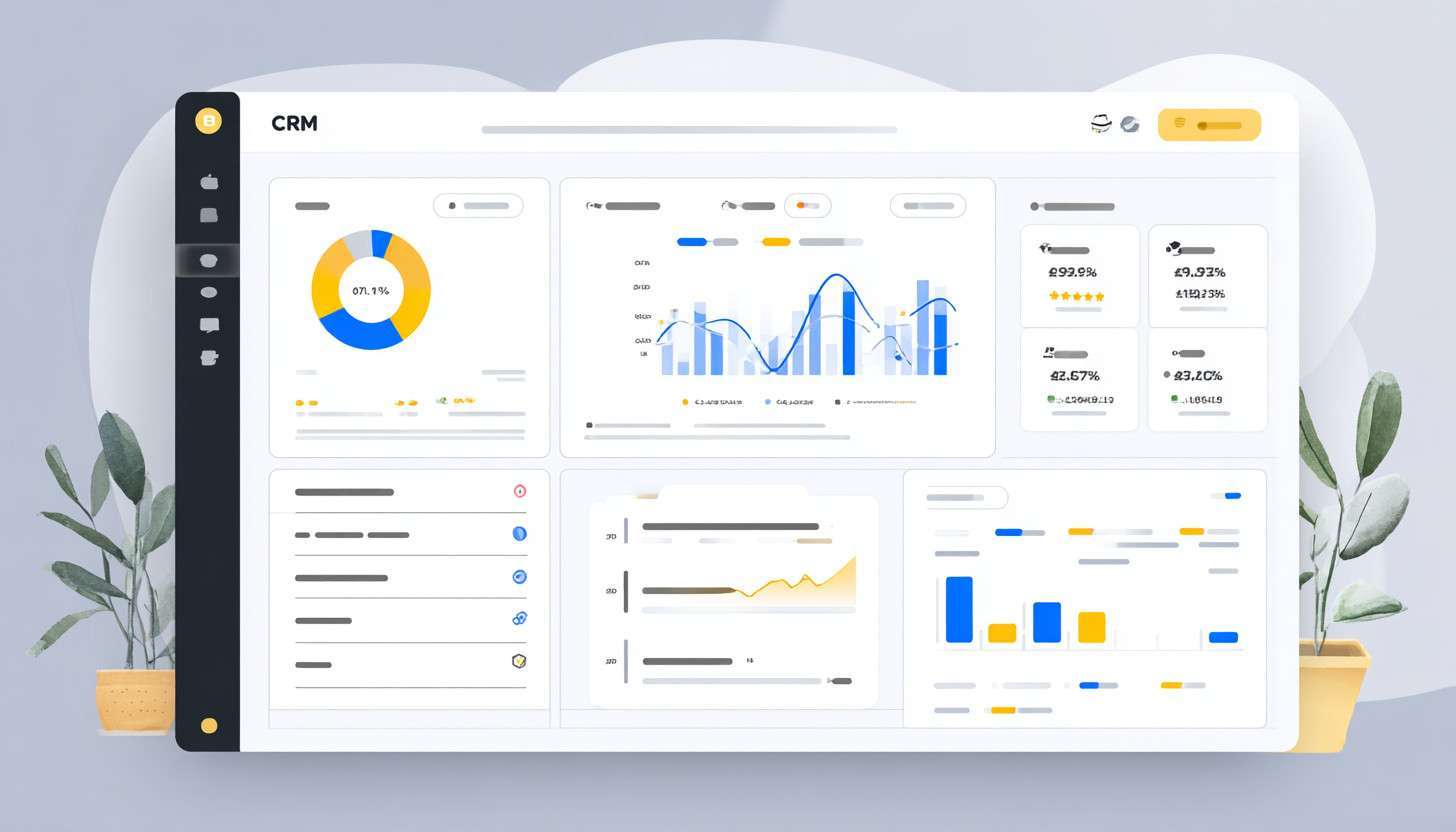
Stop Losing Clients and Try These Retention Techniques
Losing clients can quietly damage any business. These client retention techniques help turn one-time buyers into loyal customers.
Read more