
Why Humans Will Always Have the Upper Hand Over AI
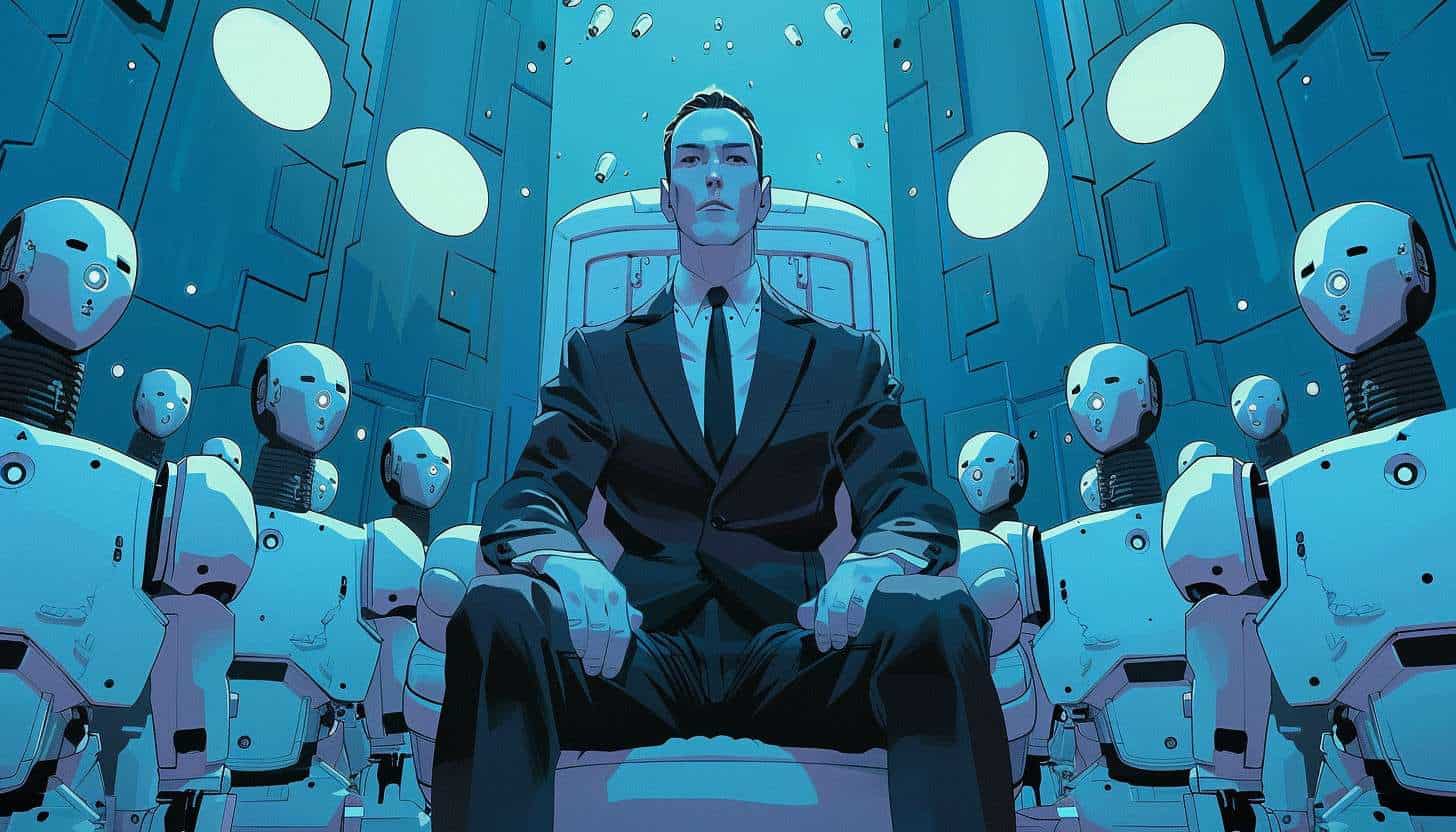

You might think that robots or smart algorithms will take over every role. But let's not worry too much. These fears are often blown out of proportion. AI will undoubtedly change how we work, but it can't replace a human's heart and mind.
Instead of focusing on specific job titles, let's look at what we do in our jobs. Human skills like empathy, creativity, and leadership remain crucial. AI can analyze data and automate tasks but lacks the human touch needed in many situations. We still have something unique to offer in the workplace. We'll always stay ahead if we focus on these irreplaceable skills.
Empathy: A Human Advantage
Empathy is not just a luxury; it’s essential in many professions. Think about the role of counselors, nurses, and teachers. They don’t just follow procedures—they connect with people on a human level. When someone struggles with personal issues, they need more than automated responses. Empathetic professionals listen actively and build trust, creating an environment where others feel understood and supported.
People naturally prefer human connection when seeking emotional support. Let's face it: Most of us wouldn't want to share our deepest fears and anxieties with a machine, no matter how advanced. We turn to friends, family, or professionals who can offer a comforting smile or a supportive hug. This compassion creates real bonds and helps us overcome difficult times.
AI may be great at analyzing data and simulating conversation scripts, but embracing AI comes with the realization that it cannot replicate genuine empathy. Machines cannot understand emotions because they do not truly have feelings for themselves. For instance, AI might recognize sadness in words but can't comfort you with heartfelt reassurance the way another person can. This inability to experience emotions firsthand makes AI fall short in scenarios requiring true human warmth.
Complex Negotiations: Human Expertise Needed
AI tools can assist in preparing for negotiations and provide valuable insights and data. However, human expertise is irreplaceable when sitting at the table and navigating complex conversations. Negotiations often involve understanding the facts and reading between the lines—something AI struggles with. In a high-stakes negotiation, you might deal with nuanced situations where rigid algorithms fall short, making it essential to supercharge your words with human intuition and adaptability.
Take a business merger, for example. While AI can analyze financials and predict possible outcomes based on data patterns, humans sense the underlying issues that data can't capture. Maybe brand alignment is more critical than immediate profit margins or cultural fit outweighs operational efficiencies. These kinds of judgments come from experience and intuition, traits uniquely human.
Creativity plays another crucial role in negotiation scenarios. Sometimes, finding common ground means thinking outside the box—a skill where humans excel over machines. When two companies are at an impasse during contract talks, a creative yet plausible solution suggested by a savvy negotiator might break the deadlock.
High-stakes deals aren’t just about numbers but relationships built on trust and mutual respect. CEOs and managers rely on their emotional intelligence to understand what motivates different stakeholders, which AI cannot emulate. Building this level of rapport takes time and human interaction—elements vital for long-term strategic decisions.
Creativity: A Uniquely Human Skill
AI can help generate ideas, especially for freelancers using technology to enhance their creative processes. It can analyze data and suggest new possibilities based on large amounts of information. However, these are just suggestions; they lack the depth and originality that come from human creativity. For instance, a songwriter channels personal emotions and experiences into their music, creating melodies that move listeners in unpredictable ways. An AI can't replicate this emotional depth, even as it plays a role in embracing AI-driven solutions.
Human creativity is also deeply tied to individual taste, experience, and perspective. Consider how chefs create unique dishes inspired by their cultural backgrounds or artistic painters who develop new styles after experimenting with different techniques. These creative processes are inherently human and include an element of personal expression that AI cannot duplicate.
Moreover, art, writing, and innovation often require a deep understanding of human culture, nuance, and context, which AI lacks. While an algorithm might be able to write a basic news article or generate AI images based on preset parameters, it can't compose a novel that speaks to the complexities of the human condition or paint a masterpiece that evokes profound empathy. Humans' creative works are filled with subtle messages and emotions that only another human can truly appreciate.
Leadership: Humans Leading Humans
People naturally lean towards human leaders over AI because they can connect emotionally. Consider a situation where a team is struggling to meet a tight deadline. A human leader can read the room, understand the stress levels, and maybe even offer words of encouragement or extend deadlines if possible. This empathy helps build trust and loyalty within teams, something AI cannot match.
AI lacks emotional intelligence, which is crucial in managing people effectively. Emotional intelligence involves understanding one's emotions and those of others to manage interactions successfully. Take conflict resolution as an example; it requires logical and emotional responses tailored to the individuals involved. An AI might suggest solutions based on algorithms, but it can't pick up on subtle cues like tone of voice or facial expressions that indicate how someone really feels.
Authentic leadership hinges on genuine human connection, which machines cannot replicate. Leaders who are transparent and show their vulnerability tend to inspire others more effectively. Think about a CEO sharing personal stories during town hall meetings to relate to their employees' challenges and triumphs. Such authenticity makes them more relatable and trustworthy—a quality no amount of AI programming can achieve.
While AI can handle data-driven tasks efficiently, real leadership thrives on human elements like empathy, emotional intelligence, and authenticity. These traits foster strong relationships and create a supportive environment where people feel valued. So, despite technological advances, the human touch will always be indispensable in influential leadership roles.
Our Human Edge
While AI continues to grow, human skills stand out. To stay ahead, focus on developing empathy, negotiation, creativity, and leadership. These areas are where humans excel and what AI can't replicate.
Embrace your unique abilities. Use empathy in connections and creativity in problem-solving, and lead with genuine care for people. By doing so, we will secure our roles and keep the human touch alive in an AI-driven world.
Related Articles

Industrial AI: Applications, Benefits, and Real-World Challenges Explained
Imagine a production line that pauses for maintenance before a motor fails—not after sparks fly and orders pile up. That is industrial AI in action: using ma…
Read more
AI for Engineers: 9 Practical Ways to Improve Daily Workflows
AI for engineers is less about handing over the controls and more about removing friction from the workday. Used well, AI can summarize technical discussions…
Read more
AI Architecture Diagram: Key Components and How to Read Them
A business owner opens an AI architecture diagram and sees boxes labeled “model,” “API,” “database,” and “workflow.” It looks a little like a subway map desi…
Read more