
Will AI Taking Over Jobs Disrupt Your Career? Here’s What to Expect
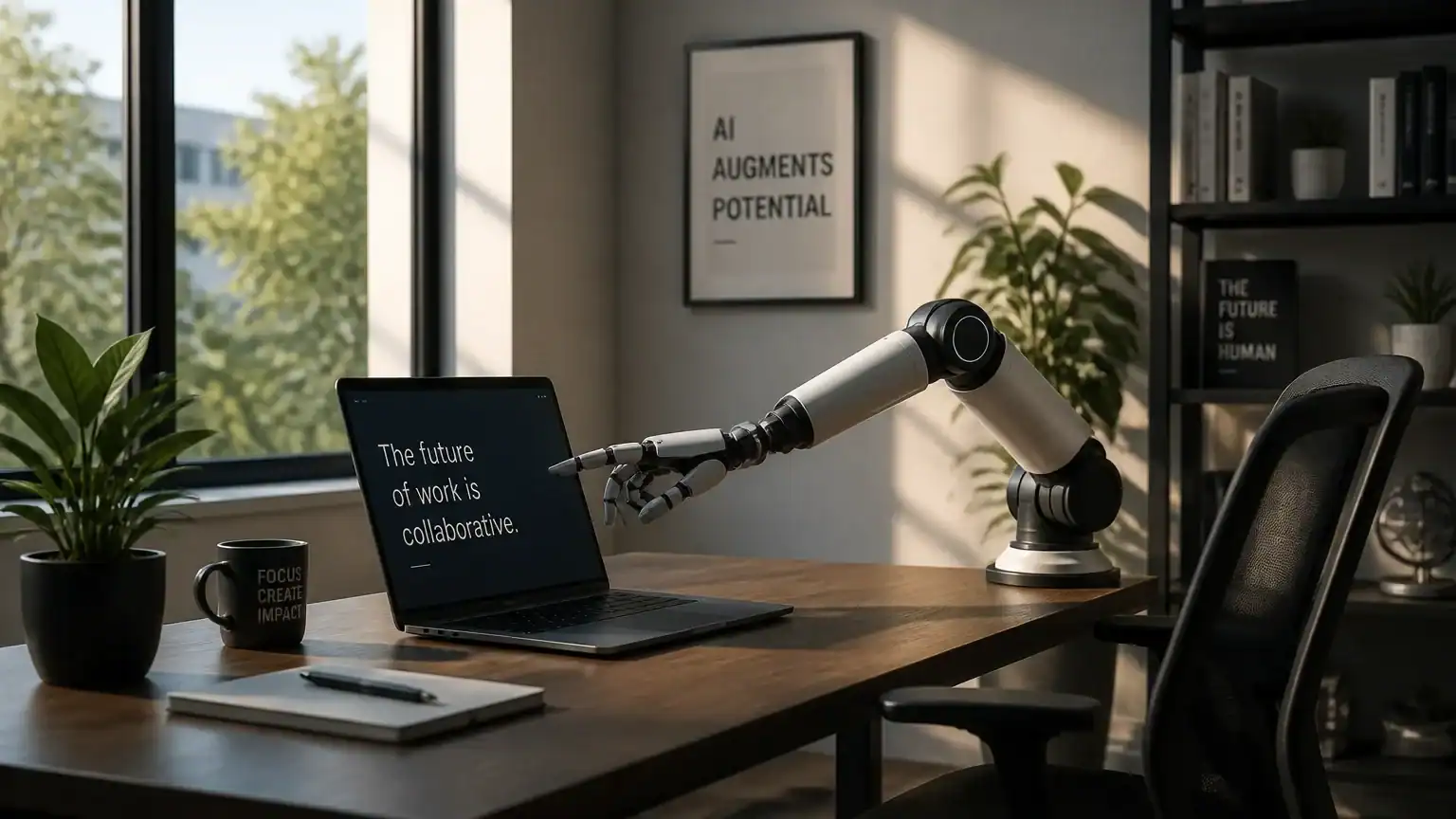
AI is advancing at lightning speed, reshaping industries and stirring up a mix of excitement and anxiety about its potential. The question on everyone’s lips is whether AI will really take over jobs or if it will simply shift the way we work. From chatbots answering customer queries to algorithms handling complex data analysis, AI’s capabilities seem endless.
However, as we embrace these technologies, concerns arise. Will robots really replace human workers in sectors like manufacturing, healthcare, and even creative fields? It’s a bit like wondering if a new smartphone will render your trusty flip phone obsolete—some may fear the loss, while others welcome the upgrade.
On the flip side, there’s a wave of optimism. Many experts suggest that rather than outright displacement, AI could augment our abilities, allowing us to focus on more complex and creative tasks. This shift could lead to new job opportunities, much like how the rise of the internet created roles that didn’t exist before.
To dive deeper into this evolving landscape, platforms like Aivolut provide insights into how businesses can adapt and thrive alongside these technological advancements. As we explore the future of work, it’s crucial to balance our concerns with the possibilities that AI brings.
AI’s Role in Automating Repetitive Tasks
AI is like that super-efficient coworker who always volunteers to take on the tedious tasks nobody wants. From data entry to inventory management, AI excels in areas that require consistency and precision. Imagine a factory where machines handle repetitive assembly line work. This not only speeds up production but also reduces human error, which is about as welcome as a fly at a picnic.
Industries like manufacturing, retail, and even finance benefit immensely from task automation. For instance, in retail, AI can manage inventory levels, ensuring shelves are stocked without human intervention. This results in significant efficiency gains and potential cost savings. Companies can redirect their resources, allowing employees to focus on creative problem-solving instead of counting paperclips.
Consider a customer service center where chatbots handle basic inquiries. This allows human agents to tackle more complex customer issues. It’s like having a personal assistant who filters out the simple stuff so you can shine in your role. By offloading repetitive tasks, businesses not only streamline operations but also enhance employee satisfaction. Nobody wants to spend their day answering the same “What’s my order status?” question for the hundredth time.
But what does this mean for job roles focused on repetitive tasks? While it may sound ominous to some, it’s not all doom and gloom. Employees in these roles can upskill and transition into more strategic positions. Think of it this way: AI isn’t stealing jobs; it’s inviting us to level up in our careers. By automating the mundane, AI opens doors for innovation and creativity, allowing humans to tackle the more engaging challenges of their professions.
Job Creation in an AI-Driven World
As we plunge into the AI-driven future, it’s easy to panic about robots taking over jobs. But let’s flip that narrative: AI is also a catalyst for job creation. Think of it as a game of musical chairs. Sure, some chairs are being whisked away, but new ones are popping up that we didn’t even know existed.
Sectors like healthcare, tech, and education are buzzing with new opportunities. For instance, AI is revolutionizing patient care. Roles such as telehealth coordinators and AI ethicists are emerging to ensure technology is used responsibly. Education is seeing a rise in educational technologists who integrate AI into learning environments. It’s like adding a turbocharger to a go-kart; the old roles can zoom ahead with new tech.
Businesses are evolving too. Companies are not just adding AI tools; they’re creating entire departments dedicated to AI strategy and implementation. This shift means new positions, from data analysts to machine learning engineers, are in high demand. It’s akin to building a new highway system; once the roads are in place, travel becomes quicker and more efficient, opening up new destinations.
However, this transformation calls for a significant upskilling effort. Existing employees must adapt to these changes, learning how to work alongside AI rather than fearing it. Training programs are becoming essential. Just like learning to ride a bike with training wheels, employees can gain confidence as they navigate this new landscape.
In this AI era, think of your career as a video game. As you level up, you unlock new skills and quests. AI isn’t just reshuffling the deck; it’s expanding the game board, giving everyone a chance to play in exciting new ways.
Redefining Roles: Collaboration Between Human and AI Workers
As we venture further into the world of AI, it’s clear that the narrative isn’t just about machines taking over jobs. Instead, AI is reshaping roles and creating exciting hybrid positions where humans and machines collaborate. Think of it like a buddy cop movie: AI is the tech-savvy partner, and humans bring the heart and intuition to the table.
Take the healthcare industry, for instance. AI algorithms can analyze medical data faster than a human can say “stat!” But when it comes to patient care, the human touch remains irreplaceable. Doctors and AI work together to diagnose conditions, with AI handling the data crunching while doctors provide empathy and compassion—something no machine can replicate.
In manufacturing, we see robots taking on repetitive tasks, allowing workers to focus on quality control and innovation. A great example is Ford’s assembly line, where AI assists in monitoring equipment health, enabling workers to shift their attention to improving processes rather than just fixing machines. This partnership not only boosts productivity but also enhances job satisfaction.
As we redefine roles, the skills landscape will inevitably shift. Future professionals will need to be adept in both tech and soft skills. Creativity, critical thinking, and emotional intelligence will become essential as humans navigate these new AI-enhanced environments. It’s like switching from being a lone wolf to being part of a dynamic duo, where each partner brings unique strengths.
Ultimately, while the concern of AI taking over jobs lingers, the reality is that it’s about forging a new path together. With AI handling the data-heavy lifting, humans can focus on what really matters: creativity, problem-solving, and making those all-important connections. The future of work is not a battle; it’s a collaboration that promises to unlock untapped potential for both AI and human workers alike.
AI Ethics and Workforce Considerations
As we embrace AI’s transformative power, we must also confront the ethical implications it brings to the workplace. One pressing concern is bias in AI algorithms. Imagine applying for a job, only to find out that the AI screening your application has a hidden bias against your demographic. This isn’t just a hypothetical scenario; studies show that AI can perpetuate existing biases, leading to unfair hiring practices.
Businesses have a responsibility to implement AI transparently. This means ensuring that the algorithms they use are regularly audited for fairness. If AI is deciding who gets hired or promoted, it should be as impartial as a cat deciding whether to sit on your laptop—preferably without any favoritism or hidden agendas.
Moreover, the societal implications of widespread AI adoption are profound. As machines take over tasks, we risk widening the gap between those who can adapt and those who cannot. Picture a world where only tech-savvy individuals thrive while others struggle to keep up, like trying to swim in a pool filled with jelly—sticky and frustrating.
To mitigate these risks, businesses must prioritize ethical AI practices. This involves not just avoiding biases but also being transparent about how decisions are made. For instance, when a promotion is denied, employees should understand the reasoning behind it, much like receiving constructive feedback, rather than a cryptic “algorithm says no.”
In summary, while AI is set to change the job landscape, it’s crucial to approach its implementation with careful consideration. By acknowledging the ethical challenges and taking proactive steps, we can harness AI’s potential while ensuring a fair and equitable workplace for everyone.
Preparing for an AI-Powered Future
As we step into an AI-centric world, it’s time to roll up our sleeves and prepare ourselves for the shift. The key to thriving in this new landscape is a commitment to reskilling and continual learning. Just like a smartphone needs regular updates to run smoothly, so do we. Embrace online courses, webinars, or even a good old-fashioned book. The more you learn, the more valuable you become—think of it as investing in your own stock!
Collaboration is another powerful strategy. Picture a well-oiled machine where AI takes on repetitive tasks, while humans inject creativity and strategic thinking. By fostering a team-oriented culture, organizations can leverage the unique strengths of both AI and their workforce. For example, in a marketing team, AI can analyze data trends, allowing creatives to focus on crafting compelling narratives. It’s like having a super-smart sidekick who knows all the facts, freeing you to be the hero of your story.
Adopting a proactive approach is essential. Instead of waiting for change to knock on your door, go out and greet it like an old friend. Experiment with AI tools relevant to your field, whether it’s chatbots for customer service or AI-driven analytics for business insights. Companies that stay ahead of the curve by integrating AI technologies will not only survive but thrive.
Consider the story of a small accounting firm that integrated AI for invoicing and data entry. Their employees could then dedicate time to client relationships and strategic planning, leading to a 40% increase in client satisfaction! This isn’t just about survival; it’s about creating a more dynamic and fulfilling workplace.
So, let’s embrace this AI-powered future together. By reskilling, collaborating, and proactively adopting new technologies, we can ensure that AI enhances our jobs rather than takes them away.
Conclusion: Embracing Change for a Brighter Future
As we conclude our journey through the evolving job landscape, it’s clear that AI presents a dual nature: a potential threat and a significant opportunity. While many fear AI taking over jobs, the reality is more nuanced. AI is not here to replace us; it’s here to enhance our capabilities and free us from repetitive tasks.
To thrive in this AI-driven world, we must stay informed and adaptable. Think of it like learning to ride a bike; the first wobbles might be scary, but with practice, you find your balance and enjoy the ride. Continuous learning and reskilling are essential to keep up with the pace of change.
Businesses play a crucial role in this transition. Investing in employees’ growth is not just a smart strategy; it’s an essential one. Consider companies that have embraced this approach: they often see increased innovation and employee satisfaction. By fostering a culture of learning, businesses can ensure they are not just surviving but thriving in the AI era.
In the end, embracing change with an open mind will pave the way for a brighter future. Let’s view AI not as a rival but as a partner in our professional journeys. Together, we can unlock new possibilities and redefine the future of work.
Related Articles

Is Character AI Generative AI? How It Works and What It Creates
Is Character AI generative AI? Yes. It creates original text responses from your prompts, conversation context, and patterns learned during training. Instead…
Read more
I for One Welcome Our AI Overlords: Meaning, Origin, and AI Culture
“I for one welcome our AI overlords” sounds like a joke because it is one—usually. The phrase signals ironic enthusiasm, reluctant acceptance, or humorous su…
Read more
What Are AI Skills? Essential Abilities for Today’s Workplace and Business
If you’ve wondered, what are AI skills, the answer goes beyond coding or building robots. AI skills are the practical abilities to understand what AI can do,…
Read more