
7 Effective Bias Mitigation Strategies for Inclusion
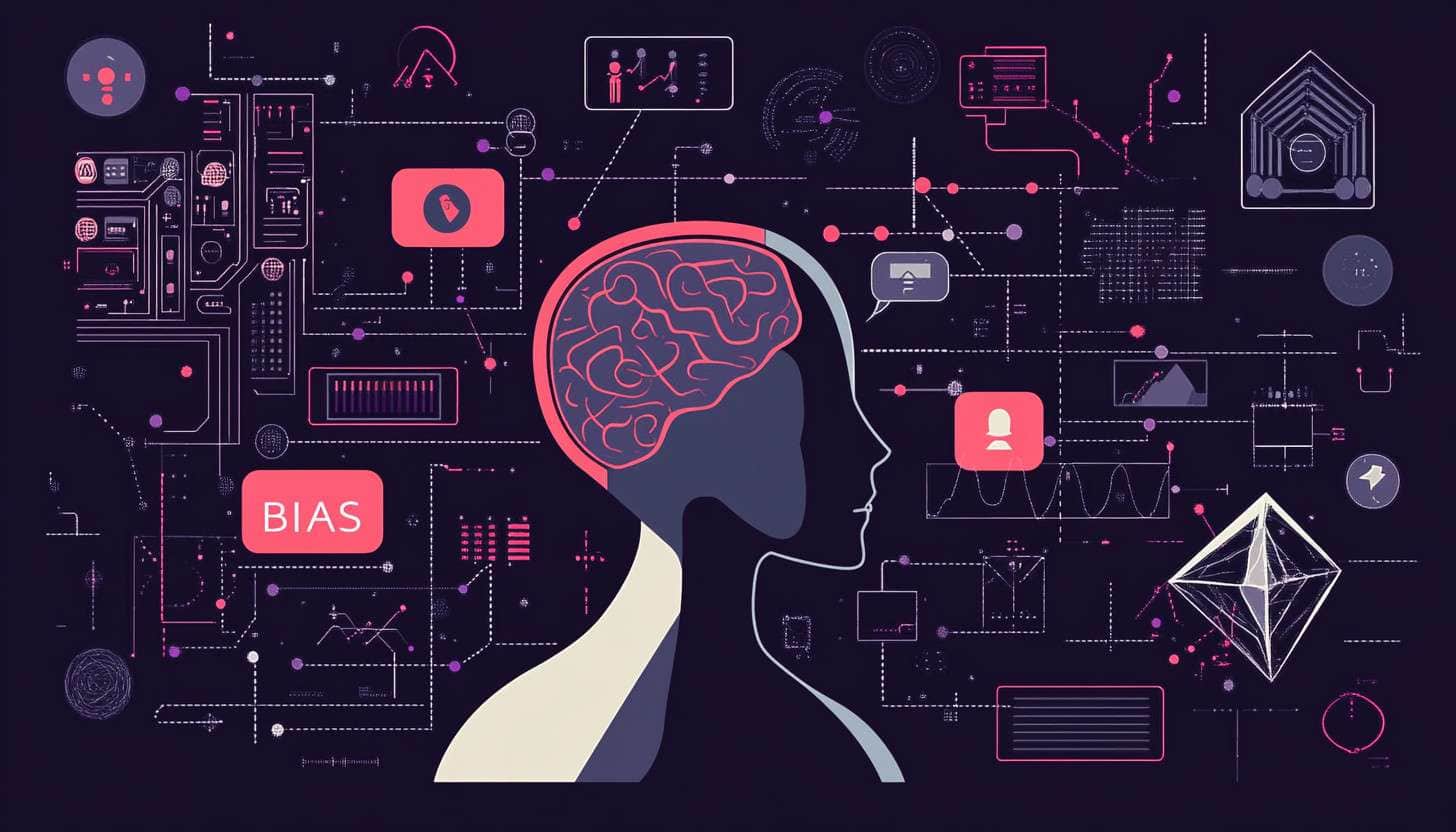
In today’s diverse work environment, bias mitigation is essential for fostering inclusivity. Effective bias mitigation strategies can help create a culture where everyone feels valued and heard.
Biases often sneak into decision-making processes, impacting fairness and equity in the workplace. By understanding and addressing these biases, organizations can improve their inclusive decision-making and ensure that all voices contribute to shaping the future. Leveraging platforms from the best AI tools directory may assist in identifying patterns of bias through data-driven insights and machine learning algorithms.
This article will explore seven bias mitigation strategies that empower leaders and teams to cultivate a more equitable workplace. Join us as we unpack these strategies and take meaningful steps toward lasting inclusivity.
Understanding Bias
Bias refers to a tendency or inclination that prevents impartial judgment. There are various types of biases that can influence decision-making, including confirmation bias, affinity bias, and halo effect. Each of these biases can distort perceptions and lead to unfair outcomes in the workplace.
Unconscious bias plays a significant role in shaping organizational culture. It often occurs without our awareness, affecting how we perceive others and make decisions. For example, a hiring manager may unconsciously favor candidates who share similar backgrounds or interests, limiting diversity in the team.
Biases manifest in numerous workplace scenarios. They can affect recruitment, performance evaluations, and even daily interactions among colleagues. Implementing AI applications in daily life can potentially assist in analyzing data and providing objective insights to minimize bias. Additionally, AI chatbot implementation can offer a neutral communication channel, reducing biased interactions by standardizing responses and promoting fairness.
Identifying biases within these contexts is crucial for implementing effective bias mitigation strategies that promote inclusivity. By understanding how biases operate, organizations can take proactive steps to cultivate a more equitable work environment.
Recognizing Bias in Decision-Making
Recognizing bias in decision-making is crucial for fostering an inclusive environment. Common indicators of bias often surface during team discussions, such as when certain voices dominate while others remain unheard. For instance, if one team member consistently interrupts others or if diverse perspectives are disregarded, these behaviors signal underlying biases that need to be addressed.
To effectively assess bias in current practices, organizations can utilize various tools and frameworks. Surveys and feedback forms can help gather insights about team dynamics and highlight areas where bias may be influencing decisions. Additionally, regular meetings to review decision-making processes can serve as a platform for identifying instances of bias, allowing teams to reflect on their choices and improve inclusivity.
Self-reflection plays a vital role in recognizing personal biases that may affect decision-making. Encouraging individuals to engage in self-assessment exercises can illuminate unconscious biases they may hold. This practice, paired with unconscious bias training, can create a culture of openness and awareness, ultimately leading to better decision-making outcomes that align with diversity initiatives.
Implementing Structured Decision-Making Processes
Structured decision-making processes are vital for bias mitigation strategies in any organization. These frameworks help standardize decisions, reducing the likelihood of biases affecting outcomes. By implementing structured approaches, organizations can create equitable practices that promote fairness in decision-making.
One effective decision-making model is the “Six Thinking Hats” method, developed by Edward de Bono. This approach encourages team members to view issues from multiple perspectives, fostering a more comprehensive understanding of the problem at hand. Another model is the “Consensus Decision-Making” process, which emphasizes collaboration and ensures that all voices are heard, particularly those of underrepresented groups.
Tailoring these processes to fit organizational needs is crucial for their success. Organizations should assess their unique culture and operational structure when selecting a model. Utilizing machine learning code generation tools may assist in automating repetitive tasks, enabling decision-makers to focus on strategic problem-solving.
Promoting Diverse Perspectives
Including diverse voices in decision-making is essential for workplace inclusivity. When varied perspectives come together, they create richer discussions and innovative solutions. This diversity leads to better outcomes and fosters an environment where everyone feels valued.
To encourage participation from underrepresented groups, organizations can implement specific strategies. One effective approach is to establish mentorship programs that connect junior employees with experienced leaders. Additionally, creating safe spaces for open dialogue allows individuals to share their ideas without fear of judgment.
Creating a culture that values diversity of thought requires commitment from leadership. Leaders should model inclusive behavior by actively seeking input from all team members. They can also develop an action plan for diversity that outlines clear goals and accountability measures to ensure everyone is engaged in the process.
Training and Awareness Programs
Training sessions focused on bias awareness are essential for implementing effective bias mitigation strategies. These programs should be designed to educate employees about different types of biases and their impact on decision-making. For instance, a workshop could include real-life scenarios to help participants recognize unconscious bias in everyday interactions.
Ongoing education is crucial for reinforcing what employees learn in initial training sessions. Regular workshops, refresher courses, and open discussions can keep the topic of bias front and center. Incorporating role-playing exercises can also be an effective way to engage employees and help them practice identifying and mitigating biases in a safe environment.
Deep learning workshops can also offer insights into how AI systems detect and mitigate bias. By understanding how AI tools are trained and how biases are detected, employees can apply similar principles to their own decision-making processes.
Measuring the effectiveness of training initiatives is vital for understanding their impact on bias mitigation strategies. Surveys and feedback forms can provide valuable insights into how well employees grasp the concepts presented. Additionally, tracking changes in workplace dynamics or decision-making processes over time can indicate whether the training has led to meaningful improvements in inclusivity.
Leveraging Technology for Bias Mitigation
In today’s digital age, technology plays a crucial role in bias mitigation. Various tools and software are designed to identify and reduce bias in decision-making processes. For instance, platforms like Textio can analyze job descriptions to ensure they are inclusive and free of biased language, promoting a more diverse applicant pool.
Artificial intelligence image generator technologies can also be utilized to visualize potential biases by analyzing visual representation trends within organizations. This can provide insights into representation gaps and help drive diversity initiatives.
Data analytics is another powerful resource for promoting inclusivity. By collecting and analyzing data on hiring patterns, employee performance, and promotion rates, organizations can uncover hidden biases within their systems. This data-driven approach allows HR professionals and leaders to make informed decisions that advance equity in the workplace.
However, implementing technology for bias mitigation requires careful consideration. Organizations must ensure that the tools they choose are transparent and ethical. It is also vital to train staff on how to use these technologies effectively to maximize their impact on inclusivity and prevent any unintended consequences from arising.
Evaluating and Adjusting Strategies Over Time
Evaluating bias mitigation strategies is crucial for fostering inclusivity within an organization. Continuous assessment ensures that the approaches implemented remain effective and relevant. By regularly reviewing these strategies, organizations can identify gaps and areas that need improvement, making it easier to create a more equitable workplace.
Collecting feedback from employees is essential in this process. Surveys, focus groups, and one-on-one discussions can provide valuable insights into how bias mitigation strategies are perceived and experienced. Adapting approaches based on this feedback allows organizations to fine-tune their efforts and ensure they address the needs of all team members.
Setting measurable goals is also vital for tracking progress toward inclusivity. Organizations should establish clear metrics to evaluate the effectiveness of their bias mitigation strategies.
For example, they might track changes in employee diversity over time or assess improvements in team collaboration and morale. By doing so, leaders can celebrate successes and remain committed to the ongoing journey of creating an inclusive environment.
In Summary
In this article, we explored key bias mitigation strategies that promote inclusivity. These strategies include recognizing bias, implementing structured decision-making, and leveraging technology for effective solutions. By embracing these bias mitigation strategies, organizations can create a more equitable workplace.
Taking actionable steps towards inclusivity is essential for lasting change. It requires commitment and ongoing evaluation of bias mitigation strategies to ensure effectiveness. The journey toward an equitable workplace environment is continuous, but every effort counts in making a difference.
Related Articles

Is Character AI Generative AI? How It Works and What It Creates
Is Character AI generative AI? Yes. It creates original text responses from your prompts, conversation context, and patterns learned during training. Instead…
Read more
I for One Welcome Our AI Overlords: Meaning, Origin, and AI Culture
“I for one welcome our AI overlords” sounds like a joke because it is one—usually. The phrase signals ironic enthusiasm, reluctant acceptance, or humorous su…
Read more
What Are AI Skills? Essential Abilities for Today’s Workplace and Business
If you’ve wondered, what are AI skills, the answer goes beyond coding or building robots. AI skills are the practical abilities to understand what AI can do,…
Read more