
Ad Optimization Tools: Transform Your Campaigns
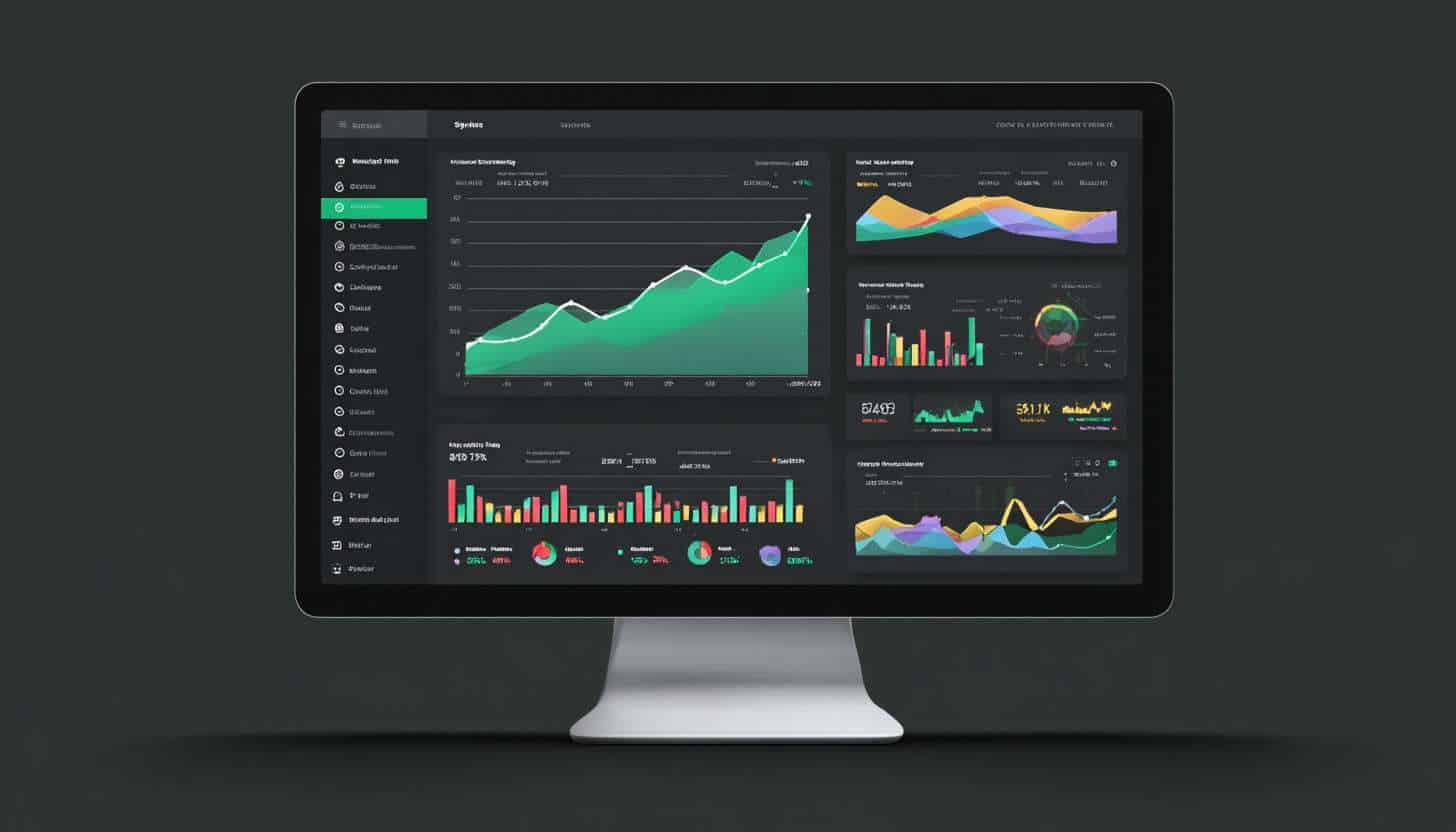
Digital advertising has become increasingly complex, making it harder for marketers to manage campaigns effectively. Ad optimization tools have emerged as essential solutions that help businesses maximize their return on investment. These powerful platforms use data analytics and automation to improve campaign performance across multiple channels.
Understanding Ad Optimization Tools
Ad optimization tools are software platforms designed to enhance the performance of digital advertising campaigns. They analyze vast amounts of data to identify patterns and opportunities for improvement. These tools automate many manual tasks, allowing marketers to focus on strategy and creative development.
Modern optimization platforms integrate with various advertising networks and social media platforms seamlessly. They provide real-time insights into campaign performance, audience behavior, and spending efficiency. The best tools combine artificial intelligence with machine learning to make predictive recommendations that drive better results.
Businesses of all sizes can benefit from implementing these solutions in their marketing stack. Small companies gain access to enterprise-level capabilities without needing large teams. Large organizations can scale their operations and manage complex campaigns across multiple markets efficiently.
Key Features of Effective Optimization Tools
The most effective ad optimization tools offer comprehensive analytics dashboards that display all critical metrics. Real-time reporting allows marketers to spot trends and issues before they impact campaign budgets significantly. Advanced segmentation capabilities help identify which audience groups deliver the best performance and conversion rates.
Automated bidding strategies adjust campaign bids based on performance data and competition levels automatically. Budget allocation features distribute spending across campaigns to maximize overall return on investment. A/B testing functionality enables marketers to experiment with different ad variations and landing page designs systematically.
Integration capabilities are crucial for connecting optimization tools with existing marketing technology stacks. API access allows custom workflows and data transfers between different platforms and systems. Multi-channel support ensures consistent optimization across search, social, display, and video advertising platforms.
How AI Powers Modern Ad Optimization
Artificial intelligence has revolutionized how optimization tools analyze and improve campaign performance continuously. Machine learning algorithms process millions of data points to identify patterns humans might miss entirely. AI tools can predict which audiences are most likely to convert based on historical behavior.
Natural language processing helps optimize ad copy by analyzing what messaging resonates with target audiences. Computer vision technology evaluates creative elements to determine which images and videos generate the highest engagement. Predictive analytics forecast future performance trends, allowing marketers to adjust strategies proactively rather than reactively.
AI-powered tools continuously learn from campaign results and adjust optimization strategies without manual intervention. They can process data at speeds impossible for human teams, enabling real-time optimization across thousands of campaigns. Best AI writing tools can even generate ad copy variations that match brand voice and appeal to specific audience segments.
Benefits of Using Ad Optimization Tools
Implementing optimization tools significantly reduces the time spent on manual campaign management and analysis tasks. Marketers can reallocate saved time toward strategic planning, creative development, and customer relationship building. Automation eliminates human errors that often occur during repetitive tasks like bid adjustments and budget reallocation.
These platforms provide deeper insights into campaign performance than manual analysis could ever achieve realistically. Data-driven decision-making replaces guesswork, leading to more consistent and predictable results over time. Businesses typically see improved return on ad spend within weeks of implementing robust optimization solutions.
Cost efficiency improves dramatically as tools identify and eliminate wasted spending on underperforming campaigns automatically. Ad spend optimization becomes more precise, directing budgets toward highest-performing channels and audience segments. Competitive advantages emerge as businesses can respond to market changes faster than competitors using manual methods.
Top 5 Ad Optimization Tools to Consider
Google Ads Smart Bidding
Google Ads Smart Bidding uses machine learning to optimize bids for conversions or conversion value automatically. It analyzes billions of signals like device, location, time of day, and audience characteristics in real time. This tool works seamlessly with Google’s advertising ecosystem, making it ideal for search and display campaigns.
The platform offers multiple bidding strategies including Target CPA, Target ROAS, Maximize Conversions, and Enhanced CPC. Smart Bidding adjusts bids at auction time based on the likelihood of conversion for each query. Marketers appreciate the hands-off approach that still delivers measurable performance improvements consistently.
Optmyzr
Optmyzr provides comprehensive optimization features for Google Ads, Microsoft Advertising, and Amazon Advertising campaigns. The platform offers one-click optimizations, automated rules, and detailed performance reports that simplify campaign management. Its Quality Score tracker helps identify opportunities to improve ad relevance and lower costs.
The tool includes advanced features like N-gram analysis for negative keyword discovery and bid management automation. Shopping campaign optimization helps e-commerce businesses maximize product feed performance and return on ad spend. Optmyzr’s reporting capabilities combine data from multiple platforms into unified dashboards for holistic performance views.
AdRoll
AdRoll specializes in retargeting and prospecting campaigns across display, social, and email channels simultaneously. The platform uses AI to identify high-value audiences and serve personalized ads based on browsing behavior. Cross-channel attribution helps marketers understand which touchpoints contribute most to conversions throughout the customer journey.
Dynamic ads automatically showcase products viewers have shown interest in, increasing relevance and conversion rates. AdRoll’s brand awareness campaigns help businesses reach new audiences who match their ideal customer profiles. The platform integrates with major e-commerce platforms, making product catalog management straightforward for online retailers.
WordStream Advisor
WordStream Advisor focuses on helping small to medium-sized businesses optimize Google Ads and Facebook advertising campaigns. The platform provides a 20-Minute Work Week feature that prioritizes the most impactful optimization tasks. Automated alerts notify marketers of performance issues, wasted spend, and opportunities for improvement immediately.
The tool offers keyword recommendations, ad copy suggestions, and landing page optimization guidance in one interface. Performance grading evaluates campaigns against industry benchmarks and provides actionable improvement recommendations. WordStream’s simplicity makes it accessible for businesses without dedicated advertising specialists on their teams.
Acquisio
Acquisio delivers enterprise-level campaign management and optimization for agencies and large advertisers managing multiple accounts. The platform’s Bid and Budget Management uses machine learning to allocate spending optimally across campaigns. Automated reporting saves hours weekly by generating client-ready performance reports with customizable branding automatically.
The tool supports Google Ads, Microsoft Advertising, and Facebook campaigns from a single unified interface. Acquisio’s Smart Data feature enriches campaign data with external factors like weather, inventory levels, and competitor activity. Multi-account management capabilities make it ideal for agencies handling dozens or hundreds of client accounts simultaneously.
Choosing the Right Optimization Platform
Selecting the appropriate optimization tool requires careful evaluation of your specific business needs and objectives. Consider the advertising channels you use most frequently and ensure the platform supports them comprehensively. Budget constraints should be balanced against feature requirements to find the best value proposition available.
Ease of use matters significantly, especially for teams without extensive technical expertise or dedicated IT support. Look for platforms offering intuitive interfaces, comprehensive training resources, and responsive customer support teams. Free trials allow you to test functionality and determine whether the tool fits your workflow seamlessly.
Scalability is essential for growing businesses that plan to expand their advertising efforts over time. The platform should accommodate increasing data volumes, additional team members, and more complex campaign structures. Integration capabilities with your existing CRM, analytics, and marketing automation tools ensure smooth data flow throughout your technology ecosystem.
Implementing Optimization Tools Successfully
Successful implementation begins with clearly defined goals and key performance indicators that align with business objectives. Establish baseline metrics before launching optimization tools to measure improvement accurately over time. Create a realistic timeline for implementation, training, and the period needed to see meaningful results emerge.
Start with a pilot program focusing on specific campaigns or channels before expanding to your entire advertising portfolio. This approach allows your team to learn the platform without overwhelming existing workflows or disrupting successful campaigns. Document processes and best practices discovered during the pilot phase for broader team adoption later.
Regular monitoring and adjustment ensure optimization tools continue delivering value as market conditions and business needs evolve. Schedule weekly reviews of automated decisions to verify the tool is making choices aligned with current strategy. Maintain human oversight over automated systems to catch issues and capitalize on opportunities requiring creative thinking.
Measuring Optimization Tool Performance
Track conversion rate improvements as a primary indicator of optimization tool effectiveness and overall campaign health. Monitor cost per acquisition to ensure you’re acquiring customers at sustainable rates that support profitability goals. Return on ad spend provides a comprehensive view of how efficiently your advertising budget generates revenue.
Compare performance metrics before and after tool implementation to quantify the specific impact and value delivered. Break down results by channel, campaign type, and audience segment to identify where optimization efforts deliver greatest value. Use attribution modeling to understand how different touchpoints contribute to conversions throughout the customer journey.
Beyond immediate campaign metrics, evaluate operational efficiency gains like time saved on manual tasks and reporting. Consider qualitative factors such as team satisfaction, ability to test new strategies, and confidence in decision-making. Calculate total cost of ownership including subscription fees, training time, and integration efforts against measurable benefits achieved.
Advanced Optimization Strategies
Audience segmentation enables hyper-targeted campaigns that speak directly to specific customer groups with personalized messaging. Leverage benefits of first-party data collected from your website and CRM to create detailed customer profiles. Use lookalike modeling to find new prospects who share characteristics with your best existing customers.
Creative optimization goes beyond basic A/B testing to systematically improve ad visuals, copy, and calls-to-action. Dynamic creative optimization automatically assembles ad components based on what resonates with individual viewers. Video optimization tools analyze engagement patterns to determine optimal video length, pacing, and content for different platforms.
Cross-channel optimization ensures consistent messaging while adapting creative and targeting to each platform’s unique characteristics. Attribution analysis reveals how different channels work together throughout the customer journey toward conversion. Budget allocation algorithms shift spending toward channels and tactics delivering the best combined results across your entire marketing mix.
Common Optimization Mistakes to Avoid
Over-automation without human oversight can lead to missed opportunities and misaligned automated decisions over time. While tools handle tactical execution efficiently, strategic direction still requires human judgment and market understanding. Review automated actions regularly to ensure they align with current business priorities and market conditions.
Focusing solely on short-term metrics like clicks can undermine long-term brand building and customer relationships. Balance immediate conversion goals with broader objectives like brand awareness, customer lifetime value, and market positioning. Some campaigns serve strategic purposes that don’t immediately translate to direct response metrics but remain valuable.
Neglecting creative quality while obsessing over optimization undermines the foundation of effective advertising campaigns entirely. Even perfectly optimized campaigns fail without compelling creative that resonates emotionally with target audiences. Invest in ad placement strategies and high-quality creative development alongside optimization technology for maximum impact.
Future Trends in Ad Optimization
Privacy regulations and cookie deprecation are driving optimization tools toward first-party data and privacy-safe targeting methods. Contextual advertising is experiencing renewed interest as behavioral tracking becomes more restricted across major platforms. Tools are developing sophisticated ways to target audiences without relying on personal identifiers or cross-site tracking.
Voice search and smart speaker advertising present new optimization challenges requiring different approaches than traditional digital channels. Interactive and shoppable ad formats blur the lines between advertising and e-commerce, requiring new optimization metrics. Native advertising trends continue evolving as consumers demand less intrusive, more valuable advertising experiences.
Advanced AI capabilities will enable even more sophisticated predictive modeling and autonomous campaign management in coming years. Quantum computing may eventually unlock optimization possibilities beyond what current technology can achieve practically. The tools that succeed will balance powerful automation with transparency and human control over strategic decisions.
Maximizing Your Optimization Investment
Ad optimization tools represent essential investments for businesses serious about digital advertising success in competitive markets. They provide capabilities that transform good campaigns into exceptional ones through data-driven insights and automated execution. The right platform empowers your team to achieve more with existing resources while scaling operations efficiently.
Success requires selecting tools aligned with your specific needs, implementing them thoughtfully, and maintaining strategic oversight. Combine technological capabilities with human creativity and strategic thinking for optimal results that technology alone cannot achieve. Stay informed about emerging trends and capabilities to ensure your optimization approach remains competitive and effective.
Start exploring optimization tools today to transform your advertising campaigns from cost centers into powerful growth engines. The combination of advanced technology and strategic expertise will position your business for sustained success in digital advertising. Your competitors are already using these tools, so the question isn’t whether to adopt them but when.
Related Articles

Unlock Success: Top 5 Icon AI Ads Strategies for Marketers
In today’s fast-paced digital landscape, leveraging **icon AI ads** can feel like having a secret weapon in your marketing arsenal. Imagine having a savvy as…
Read more
6 Inspiring AI Advertising Examples to Transform Your Campaigns Today
In today’s fast-paced marketing landscape, AI advertising examples are revolutionizing how brands connect with consumers. Imagine having a digital assista…
Read more
Are Digital Art Freelance Jobs Worth It in 2026?
Digital art freelancing offers creative freedom and strong income potential. Learn how the industry works, where to find jobs, and how to succeed in 2026.
Read more