
Are Digital Art Freelance Jobs Worth It in 2026?
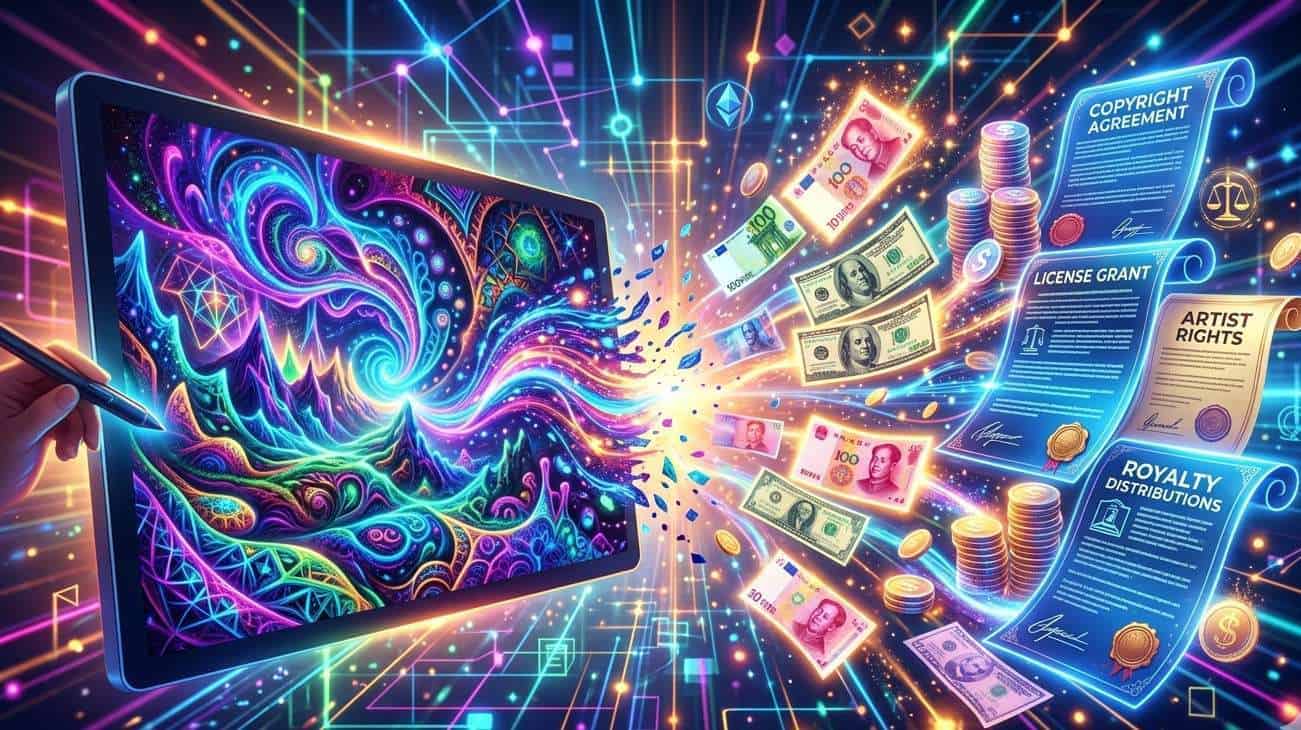
The creative economy has shifted dramatically over the past few years. More companies, brands, and independent creators are outsourcing their visual content needs than ever before. If you have artistic skills and a desire for professional independence, digital art freelance jobs offer one of the most accessible and rewarding career paths available today.
What Digital Art Freelance Work Actually Looks Like
Digital art freelancing is not a single type of work. It spans a wide range of disciplines, from concept art for game studios to social media graphics for small businesses. Understanding the full landscape helps you position yourself strategically rather than chasing any opportunity that comes your way.
The types of freelance work available in the digital art space include illustration, UI/UX design, motion graphics, character design, brand identity, and digital painting. Each of these sub-niches attracts different clients with different budgets and expectations. Choosing a clear focus early on allows you to build authority faster and command higher rates.
Many freelancers make the mistake of presenting themselves as generalists when they are just starting out. While flexibility seems like an advantage, clients typically prefer hiring a specialist who demonstrates deep expertise in exactly what they need. A sharp, defined niche is your most valuable marketing asset in a crowded marketplace.
Why the Demand for Digital Artists Is Growing
Businesses across every industry now require visual content at a scale that in-house teams cannot sustain alone. From e-commerce product illustrations to explainer video animations, the need for skilled digital artists is growing faster than the talent supply. This imbalance works strongly in your favor as a freelancer.
The rise of content marketing, social media, and digital advertising has created recurring demand rather than one-time project needs. Brands that hire you for a campaign often return for seasonal work, product launches, and brand refreshes. Building long-term client relationships is one of the most underrated growth strategies in digital art freelancing.
Additionally, the global shift toward remote work has eliminated geographic limitations for both clients and freelancers. A digital artist based anywhere in the world can now compete for and win projects from agencies in New York, London, or Tokyo. This global accessibility has fundamentally changed what is possible for independent creatives.
How to Find High-Quality Digital Art Freelance Jobs
Finding quality work requires more than posting your portfolio and waiting. You need a deliberate, multi-channel strategy that puts your work in front of decision-makers who are ready to pay professional rates. The platforms and methods you use will shape the type of clients you attract.
The best freelance job boards for digital artists include Upwork, 99designs, Dribbble, Behance, and ArtStation. Each platform serves a different audience and project type, so your presence on multiple boards increases your exposure significantly. Consistency in how you present your work across platforms builds a coherent professional brand.
Upwork remains one of the most lucrative platforms for serious freelancers. Following proven Upwork tips for beginners from the start prevents costly mistakes that slow down your early momentum. A well-structured profile with targeted keywords and a compelling headline can dramatically improve your visibility in client searches.
Building a Portfolio That Converts Viewers Into Clients
Your portfolio is your most powerful sales tool and your first impression with every potential client. It needs to do more than showcase what you can do. It must demonstrate that you understand client goals and can deliver results that serve a business purpose.
Learning ways to improve your portfolio in freelancing is an ongoing process, not a one-time task. Including context around each project, such as the client’s objective, your creative process, and the final outcome, transforms your portfolio from a gallery into a case study collection. Clients are not just evaluating your aesthetics; they are evaluating whether they can trust you with their brand.
If you are new and lack real client work, create self-initiated projects that simulate professional briefs. Design a brand identity for a fictional company, illustrate a concept for a hypothetical game, or redesign a real app interface as a personal challenge. These projects demonstrate initiative and professional thinking even without paid experience behind them.
What You Need to Know Before Writing Proposals
Winning a project starts long before the client responds to you. The proposal stage is where most digital art freelancers lose opportunities they were actually qualified for. A generic, copy-pasted message signals to clients that you did not read their brief carefully and are not genuinely invested in their project.
Studying winning Upwork proposals reveals a consistent pattern: the strongest proposals address the client’s specific problem, demonstrate relevant experience, and propose a clear path forward. Reviewing Upwork proposal examples can accelerate your learning curve and show you the exact structure and tone that resonates with clients. Personalization is not optional; it is the baseline expectation from any client worth working with.
Using AI Tools to Work Faster Without Losing Your Edge
Artificial intelligence has entered the creative workflow, and digital art freelancers who embrace it strategically gain a significant productivity advantage. This does not mean AI replaces your creativity. It means you can use it to handle repetitive tasks, generate reference material, and speed up iterations so you deliver more value in less time.
Exploring AI tools for freelancers helps you identify which parts of your workflow can be enhanced without compromising the quality or authenticity of your work. Tools available on a comprehensive list of AI tools website give you a curated starting point so you are not spending hours testing software that does not fit your needs. The freelancers who thrive long-term are those who treat AI as a collaborator, not a threat.
Skills That Separate Profitable Digital Art Freelancers from the Rest
Not all digital art skills carry equal market value. Some competencies consistently attract premium clients and higher budgets across the industry. Developing these skills alongside your core artistic ability positions you in the top tier of the market.
The most in-demand capabilities that lead to better-paying digital art freelance jobs include:
- Motion graphics and animation: Brands pay significantly more for animated content than static visuals because it drives higher engagement across digital platforms.
- UI/UX design with Figma or Adobe XD: Tech companies and startups have an almost constant need for interface designers who can translate user needs into intuitive visuals.
- Brand identity design: Creating logos, color systems, typography guides, and visual languages for businesses commands project-based rates far above hourly illustration work.
- 3D modeling and rendering: Product visualization, architectural rendering, and game asset creation are high-demand specializations with limited competition.
- Digital illustration for publishing: Children’s books, editorial publications, and graphic novels offer consistent project pipelines for illustrators with a distinctive style.
- Character and concept art: Game studios and animation companies actively seek freelance concept artists for both short-term projects and long-term contracts.
Each of these specializations benefits from continuous skill development, which makes investing in online courses for freelancers a smart and measurable business decision.
Setting Your Rates Without Undervaluing Your Work
Pricing is one of the most psychologically difficult aspects of digital art freelancing, especially at the beginning. Many new freelancers underprice their work in an attempt to attract clients, which creates a race to the bottom that is hard to escape. Understanding the real cost of your time and expertise helps you anchor your rates at a level that reflects actual market value.
Research industry benchmarks for your specific niche and region before setting your prices. Mid-level freelance digital artists charge between $50 and $150 per hour on average, with experienced specialists reaching $200 or more depending on the deliverable. Pricing per project rather than per hour often yields higher effective rates because clients focus on value delivered, not time spent.
Getting Started: Your First 90 Days as a Digital Art Freelancer
The first three months set the foundation for everything that follows. Reading a thorough freelance guide for beginners before you begin helps you avoid the most common early mistakes that cost time and credibility. Structure your first 90 days around three priorities: building your portfolio, activating your profiles on at least two platforms, and sending a minimum of five personalized proposals per week.
Treat rejection as data rather than failure. Every “no” or non-response teaches you something about how your profile, portfolio, or proposal can be refined. The freelancers who succeed long-term are not the most talented ones; they are the most persistent and adaptable ones.
Digital art freelance jobs represent a genuine, sustainable career path for creatives willing to approach their work with both artistic passion and business discipline. The market is large, the demand is growing, and the tools available to independent artists today have never been more powerful. Your success depends not on luck but on the quality of the systems you build around your creative skills.
Related Articles
Unlock Success: Top 5 Icon AI Ads Strategies for Marketers
In today’s fast-paced digital landscape, leveraging **icon AI ads** can feel like having a secret weapon in your marketing arsenal. Imagine having a savvy as…
Read more
6 Inspiring AI Advertising Examples to Transform Your Campaigns Today
In today’s fast-paced marketing landscape, AI advertising examples are revolutionizing how brands connect with consumers. Imagine having a digital assista…
Read more
Which Programmatic Advertising Strategies Really Work?
Programmatic advertising goes beyond automation—it requires strategy, data, and constant optimization. Learn how to build campaigns that truly perform.
Read more