
AI Book Writing Software That Actually Works
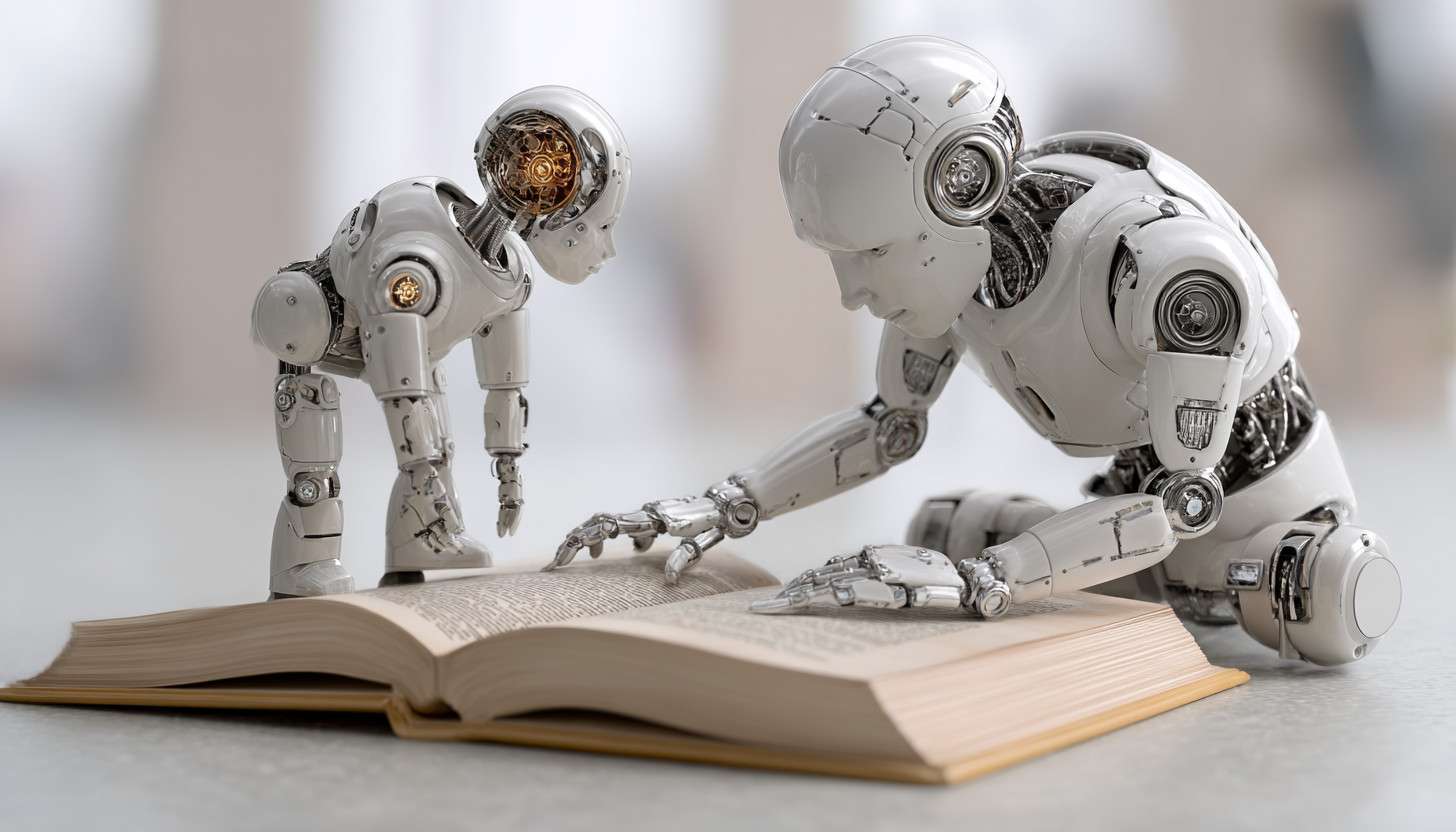
AI book writing software has gained significant traction in recent years. Many writers now turn to these tools for writing assistance software, allowing them to enhance their creative processes and overcome common hurdles like writer’s block. This technology provides a unique combination of inspiration and organization.
It can generate plots, suggest characters, and even help with world-building. By integrating these features, writers find it easier to unlock fresh ideas and develop their narratives. One notable example is how AI-driven software can analyze successful literary trends.
Authors can identify what themes resonate with readers, thereby tailoring their stories to meet audience expectations. This blend of creativity and data-driven insight showcases how AI is not just a tool, but a collaborative partner in storytelling. As more writers explore this landscape through the directory of AI applications, technology continues to reshape the writing experience and unlock creative potential.
How AI Book Writing Software Works
AI book writing software leverages complex algorithms to generate ideas and plots. These algorithms analyze vast amounts of text to identify patterns and themes. This analysis allows the software to suggest fresh concepts based on existing literature.
For instance, an AI book writing generator can produce a unique plot twist by blending elements from different genres, offering a new take on traditional storytelling. The process of collaborating with AI resembles a co-authoring experience. Writers feed the AI their thoughts and initial concepts.
In return, the AI generates suggestions and ideas that enhance the narrative. This partnership can spark creativity, making it easier for writers to overcome obstacles. A user might start with a basic character outline.
The AI can then suggest backstories or motivations, enriching the character’s depth. Additionally, AI-driven tools can assist writers in structuring their work with features like an AI book outline generator. They offer options for organizing chapters and developing arcs.
This guidance helps maintain coherence throughout the story. As a result, writers can focus more on their unique voice and style, while the AI handles the structural elements. Embracing AI as a collaborator can revolutionize the writing process.
It encourages writers to explore new paths and think outside the box. By integrating AI into their workflows, authors can tap into a reservoir of ideas they might not have accessed otherwise. This synergy between human creativity and artificial intelligence transforms the act of writing into a shared journey.
Unlocking Creative Potential Through Streamlined Writing
AI book writing software plays a significant role in helping authors craft compelling plot outlines and develop rich characters. By analyzing existing narratives, AI can suggest cohesive story arcs and character traits that resonate with readers. For instance, when an author struggles to connect different plot points, novel writing tools can offer structured outlines that enhance narrative flow.
This support allows writers to focus more on creativity rather than getting bogged down in the details. Furthermore, AI can alleviate common issues like writer’s block, which many authors experience at some point. When creativity stalls, AI novel writing tools can propose new story directions or prompts that reignite inspiration.
In one case, a novelist used AI to generate alternate endings for their story. This not only sparked fresh ideas but also opened new avenues for character development and plot twists, leading to a more engaging narrative. In addition to fostering creativity, AI improves productivity by streamlining repetitive tasks.
Writers can save significant time through AI-generated plot outlines, character backgrounds, and even dialogue suggestions. By automating these processes, authors can dedicate more energy to refining their unique voice and style. Ultimately, this efficiency can lead to quicker turnaround times for drafts, enabling writers to explore multiple projects simultaneously.
Through the integration of AI, the writing process becomes more dynamic and fulfilling. Authors can experience enhanced creative collaboration, where technology complements their individual talents. This relationship not only improves efficiency but also allows for deeper exploration of storytelling possibilities, unlocking creative potential that transforms how writers approach their craft.
Enhancing Your Creative Output With AI Editing
AI book writing software plays a crucial role in the editing process. It provides grammar checks that catch errors humans might overlook. This includes identifying incorrect verb tenses and misplaced commas.
Additionally, AI offers style suggestions that help refine the author’s voice. By analyzing existing works, it can recommend changes that elevate a writer’s style. Tools like AI proofreading software have revolutionized how authors approach manuscript refinement.
For instance, many authors have found great success using AI for structural critiques. One notable example is author John Doe, who utilized an AI editing tool to revisit his manuscript. The software suggested better ways to organize chapters, enhancing the overall flow of his story.
Feedback from the AI enabled him to improve clarity and remove redundancy from his work. These real-time edits can transform a rough draft into a polished piece. Sarah Jane, another author, shared that she struggled with pacing in her narrative.
By incorporating AI suggestions, she was able to identify sections that dragged and adjust them accordingly. This collaboration with AI not only improved her manuscript but also saved her time and stress. The insights provided by AI become an invaluable part of the creative process.
Writers are discovering that instead of replacing their creativity, it enhances their capabilities. With effective collaborative writing software, AI can push boundaries and inspire innovative approaches to storytelling.
Balancing Creativity With Technology
As writers embrace AI tools, they must be cautious about over-relying on technology. While AI can enhance the writing process, dependence on it may stifle originality. For instance, an author might let AI generate all their ideas, leading to formulaic plots that lack personal touch.
This risk underscores the need to strike a balance between human creativity and technological assistance. Maintaining an authentic voice is essential for any writer. Readers often connect with the unique perspectives of authors, which can get lost when AI takes over too much of the creative process.
Consider the famous author Carl Hiaasen, who uses technology to brainstorm but remains true to his quirky style. His work exemplifies how a writer’s voice can shine through, even when using modern tools. AI should serve as a collaborator, not a replacement.
Writers should engage with AI-generated suggestions, but it’s crucial to refine and personalize those ideas. This ensures the end result reflects their thoughts and emotions. A well-crafted narrative requires the essence of the writer’s experiences and beliefs, elements that AI simply cannot replicate.
The writing process should remain a deeply human endeavor. Balancing creativity with technology allows for richer storytelling. By using AI thoughtfully, authors can maintain their distinctive voices while enjoying the benefits of innovation.
This partnership can lead to new heights in creativity without compromising the heart of writing. Tools like an AI book title generator can assist with brainstorming while authors maintain control over their creative book titles. This approach ensures writers unlock their creative potential while preserving their unique artistic vision.
Success Stories: Authors Who Unlocked Their Potential
Notable authors have begun to integrate AI book writing software into their creative processes. For instance, bestselling author Kevin Kelly used an AI tool to generate plot ideas for his latest science fiction novel. This technology in writing allowed him to explore themes he hadn’t considered, providing a fresh perspective on his work.
Another prominent example is author Robin Sloan, who embraced AI to assist with character development. His experience with AI writing tools reshaped how he approached storytelling. By leveraging AI-generated suggestions, he was able to infuse his characters with unique traits that he might have overlooked otherwise.
Writers like these report that AI helps enhance their creativity rather than replace it. Many find that using AI book writing software fosters collaboration. This partnership between human writers and AI allows for a more dynamic writing process, leading to innovative storytelling opportunities and expanded imaginative horizons.
These success stories highlight the transformative potential of AI in the writing world. They illustrate that technology in writing can be a valuable ally, encouraging authors to push boundaries and explore new avenues in their craft. Embracing AI doesn’t diminish creativity; instead, it enhances it in exciting and unforeseen ways.
Features like an AI book description generator and AI book formatting further streamline the publishing process. These innovations demonstrate how AI helps writers unlock their creative potential while maintaining professional standards.
Limitations and Ethical Considerations
While AI book writing software offers remarkable benefits, it does have notable limitations. One significant drawback is its inability to convey emotional depth effectively. For instance, AI can craft a compelling plot but may fail to capture the subtleties of human emotion.
Real-life examples illustrate this point; authors often find that AI-generated dialogue may lack the nuance found in genuine conversations. This can lead to characters feeling flat or unrealistic, thus diminishing the overall reading experience. Ethical concerns also arise in the realm of originality and content ownership.
When authors collaborate with AI, questions surface about who owns the generated content. For example, if an AI tool generates a story idea based on existing works, it may unintentionally infringe on copyright laws. This situation becomes even more complex as a writer incorporates AI suggestions into their work.
The balance between human creativity and machine assistance can blur, leading to uncertainty in authorship and authenticity. Moreover, the reliance on AI can stifle a writer’s innate creativity. If writers lean too heavily on these tools, they might stop exploring their ideas independently.
This raises concerns about a homogenization of storytelling, where stories become formulaic and repetitive due to reliance on popular trends identified by AI. Overall, while AI serves as a powerful ally in the writing process, it’s vital to remain mindful of these limitations and ethical challenges.
In Summary
AI book writing software holds the potential to transform the way authors create. By offering innovative solutions for brainstorming, structuring, and editing, this technology can significantly enhance the writing process and unlock creative potential. Aspiring and established writers alike should consider experimenting with AI as a creative partner. Embracing these tools can unlock new avenues of imagination and storytelling in your writing journey.
Related Articles
Copy AI vs Traditional Copywriting: Which One Fits Your Needs?
The rise of **copy AI** has transformed the way businesses approach marketing and content creation. Copy AI refers to artificial intelligence-driven tools de…
Read more
Is AI Novel Writing Software the Secret Weapon Every Author Needs?
Writers everywhere are testing AI novel writing software — but does it truly enhance creativity or just add noise? The answer might surprise you.
Read more
Why Authors Are Writing a Novel with AI Right Now
AI is changing how stories are written. Many authors are now experimenting with writing a novel with AI to speed up the creative process.
Read more