
Copy AI vs Traditional Copywriting: Which One Fits Your Needs?
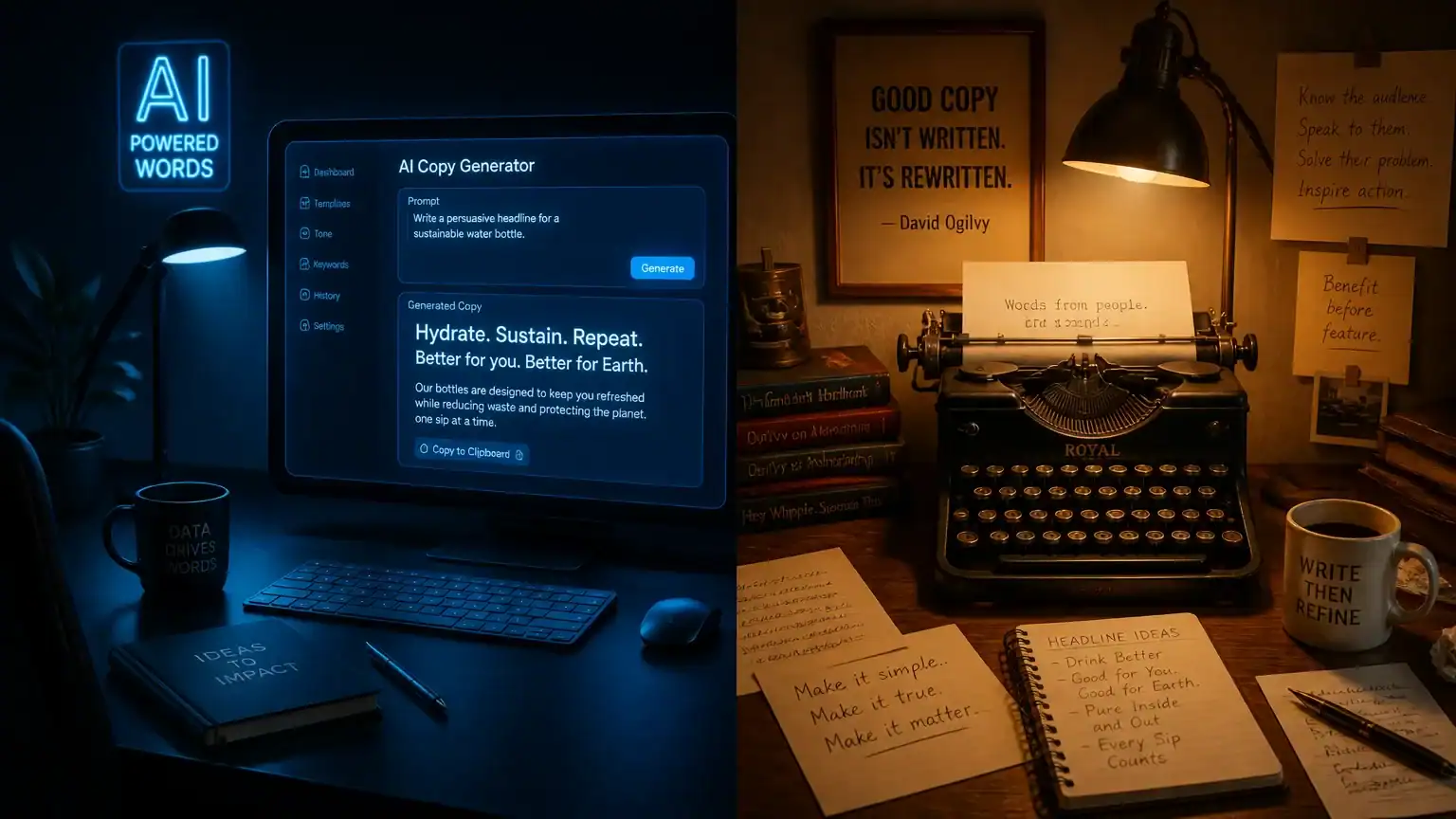
The rise of copy AI has transformed the way businesses approach marketing and content creation. Copy AI refers to artificial intelligence-driven tools designed to generate text quickly and efficiently, often mimicking human writing styles. Traditional copywriting, on the other hand, involves skilled writers who craft messages tailored to engage audiences, relying on creativity and experience.
In recent years, AI’s influence on the marketing landscape has skyrocketed. With the sheer volume of content demanded by digital platforms, marketers are increasingly looking for ways to streamline their processes. Enter copy AI: a tool that can churn out blog posts, social media updates, and even ad copy in mere minutes. Imagine having a co-pilot for your marketing campaigns that never needs coffee breaks or vacation days!
But with all this newfound convenience, questions arise. Can copy AI truly capture the nuances of human emotion and storytelling? Or does traditional copywriting, with its personal touch and strategic insight, still hold the upper hand? The debate is heating up, and understanding both sides is crucial for anyone looking to make informed decisions about their marketing strategies.
As we dive deeper into this comparison, we’ll explore how these two approaches stack up against each other and what might work best for your unique needs. If you’re curious about the various tools available, check out an AI tools directory for a comprehensive look at your options. By the end of this article, you’ll be better equipped to decide whether you should embrace the future of copy AI or stick with the tried-and-true methods of traditional copywriting.
1. Cost-Effectiveness: AI Tools vs. Traditional Writers
When it comes to cost, the debate between copy AI and traditional copywriting can feel like comparing apples to, well, fancy artisanal apple pie. Let’s break down the numbers.
Starting with copy AI tools, the cost structure is often subscription-based. Many platforms offer monthly plans ranging from $10 to $100. For businesses, this can equate to a relatively small investment considering the volume of content you can generate. Imagine having a writing assistant available 24/7, churning out content for the price of your daily coffee habit. That’s hard to beat!
On the other hand, hiring traditional copywriters can be a different ballgame. Freelance writers typically charge between $50 to $150 per hour, depending on their expertise and experience. If you opt for an in-house copywriter, you’re looking at salaries that can range from $40,000 to over $80,000 annually. Not to mention, there are additional costs like benefits, office space, and equipment. Suddenly, that artisanal pie feels a bit more expensive!
Now, let’s talk about return on investment (ROI). With copy AI, the potential ROI can be impressive. For example, if you’re paying $50 a month for a tool that creates 20 blog posts, and those posts drive traffic leading to sales, your initial investment could multiply. It’s like planting a seed and watching a money tree grow—who wouldn’t want that?
Conversely, traditional copywriters can bring great value through nuanced storytelling and brand voice. Their expertise often translates into higher engagement and conversion rates. However, the ROI isn’t always immediate. It’s more like nurturing a fine wine. You might not see results right away, but the payoff can be significant over time.
Consider a startup that needs to establish its voice quickly. Using copy AI, they can generate a series of ads and web copy in a fraction of the time and cost. But a well-crafted brand story from a seasoned copywriter might resonate more deeply with an audience, leading to long-term loyalty.
Ultimately, the choice between copy AI and traditional writers hinges on your immediate needs, budget, and long-term goals. Whether you opt for the budget-friendly, rapid-fire approach of copy AI or the tailored, human touch of traditional writing, understanding these financial implications can help you make an informed decision.
2. Quality and Creativity of Output
When it comes to quality and creativity, the debate between copy AI and traditional copywriting is as lively as a coffee shop on a Monday morning. Both have their strengths, but they serve different flavors in the content buffet.
Let’s start with the perks of copy AI. One major advantage is speed. Need a blog post in 10 minutes? Copy AI has your back. It can churn out content faster than you can say “deadline,” making it a go-to for those frantic moments. Additionally, AI can analyze vast amounts of data to tailor content to specific keywords and trends. Imagine having a writing assistant that’s like a supercharged intern—always ready to deliver something fresh based on the latest analytics.
However, creativity is where traditional copywriting often steals the spotlight. Human writers can infuse personality and emotional depth into their work. Think of it this way: AI is like a well-trained parrot—it can repeat phrases and mimic styles but lacks the soul that comes from lived experience. A traditional copywriter knows how to weave stories that resonate with readers, drawing them into a narrative that feels personal and relatable.
Market perception also plays a significant role here. Many businesses still view human-generated content as the gold standard. A survey showed that nearly 70% of marketers believe human-written content is more engaging, especially for storytelling. This isn’t just fluff; it’s about connection. Readers often prefer content that feels authentic, which can sometimes be lost in the algorithmic abyss of AI-generated text.
Moreover, while copy AI can produce a high volume of content, it sometimes sacrifices nuance. For example, it might craft a catchy headline but miss the subtle humor or cultural references that a seasoned writer would effortlessly incorporate. This is especially crucial in industries where tone and voice are paramount, such as luxury brands or sensitive topics.
In summary, while copy AI is a powerful tool for efficiency and data-driven writing, traditional copywriting excels in delivering creativity and emotional resonance. Depending on your project’s needs, blending both might just be the secret sauce to achieving that perfect balance between speed and artistry.
3. Speed of Content Production
When it comes to content production, speed can feel like the difference between a cheetah on a caffeine high and a tortoise leisurely munching on a salad. Enter copy AI, which can whip up articles, blog posts, and social media updates faster than you can say “deadline panic.”
For example, while a traditional copywriter might take several hours to craft a well-researched blog post, AI tools can generate a draft in mere minutes. In fact, many businesses report saving up to 80% of their content creation time when using AI. This means you could go from brainstorming to hitting “publish” in a fraction of the time, allowing you to focus on strategy and creativity rather than just writing.
Speed isn’t just a fun metric; it has real implications for your marketing strategies. In today’s fast-paced digital landscape, being first can mean everything. Imagine launching a timely campaign responding to a trending topic. With copy AI, you can create relevant content on the fly, making you a frontrunner rather than a follower. Businesses that can adapt quickly are often the ones that see the best engagement and success.
However, speed can be a double-edged sword. If you’re in a niche market that thrives on detailed storytelling or complex subject matter, the rush of AI-generated content might not hit the mark. Think of it like ordering a gourmet meal versus a fast-food burger. One may satisfy your hunger more immediately, but the other offers a depth of flavor and experience that you can’t rush.
Let’s consider a scenario where time is critical: a tech company launching a new product. They need blog posts, social media snippets, and email campaigns, all aligned with the launch date. With copy AI, they can generate a plethora of engaging content in no time, ensuring they capture attention before competitors even get their ideas off the ground.
In contrast, if you’re working on a brand narrative that requires emotional engagement and nuanced understanding, traditional copywriting may be the better route. But remember, balancing speed with quality is key. Many businesses find that a hybrid approach—using copy AI for rapid drafts and traditional writers for final polish—can yield the best results, marrying efficiency with creativity.
Ultimately, whether you choose copy AI or traditional methods, understanding how speed impacts your content production will help you make the right decision for your business needs.
4. Suitability for Different Types of Content
When it comes to content creation, knowing which tool to use can be as tricky as choosing between cake and pie at a dessert buffet—both are great, but they serve different cravings. Copy AI shines in areas where speed, volume, and basic structure take precedence. If you need product descriptions for thousands of items on an e-commerce site, for instance, copy AI can whip those up quicker than a barista can make a latte. It’s perfect for straightforward content like social media posts, SEO-driven blogs, and even email marketing campaigns where the goal is to inform rather than inspire.
Take, for example, a startup launching a new gadget. They might need a slew of catchy headlines, product features, and quick explanations that are consistent across platforms. Using copy AI, they can generate this content in a fraction of the time, allowing them to focus on other pressing tasks, like finding investors or perfecting their prototype.
On the flip side, traditional copywriting is where human insight and creativity truly shine. If you’re crafting a brand story, a heartfelt newsletter, or a compelling video script, you’ll want the nuanced touch that a human writer provides. These pieces often require emotional resonance and storytelling skills that are beyond the reach of AI. Think of it this way: you wouldn’t ask a robot to write your wedding vows, right? You’d want that personal touch—something meaningful and heartfelt.
Consider the success story of a well-known shoe brand that recently revamped its marketing campaign. They employed a traditional copywriter to craft a narrative around their heritage and craftsmanship. The result? A gripping story that resonated deeply with customers and led to a significant sales boost. While copy AI could have generated facts about the shoe’s features, it wouldn’t have captured the soul of the brand.
In cases where the content is heavily research-based or requires a deep understanding of industry nuances, traditional copywriting reigns supreme. Think white papers, in-depth reports, or thought leadership articles. These types of content benefit from a writer’s ability to weave complex ideas into a coherent narrative, something that AI struggles with.
In summary, if your content needs are straightforward and fast-paced, copy AI is your best friend. But for those moments where creativity and emotional connection are key, traditional copywriting should be your go-to. Balancing both can be like having your cake and eating it too—efficiency meets artistry!
5. Ethical Considerations and Compliance
When you think about using copy AI, ethical considerations and compliance issues can feel like navigating a minefield in a fog. Originality is a key concern here. AI-generated content can sometimes sound like a remix of existing ideas rather than a fresh take. While AI tools are designed to generate unique text, they can inadvertently produce content that closely resembles existing works, raising questions about plagiarism and intellectual property. Imagine relying on a robot chef to create a new recipe, only to find out it’s just a rehash of Grandma’s secret sauce!
Legal and ethical guidelines surrounding AI use are still evolving. Many industries have strict standards that you need to navigate. For instance, if you plan to publish using platforms like Amazon KDP, you must ensure your content adheres to their guidelines. They’ve laid down the law regarding AI-generated content, and it’s essential to understand these rules before hitting the publish button. For a thorough understanding, check out the Amazon KDP Rules on AI Content: Your Compliance Guide.
Compliance isn’t just about following the rules; it’s also about protecting your brand. If you publish something that violates guidelines, you risk penalties or even removal from platforms. Think of it as a game of Jenga—one wrong move, and the whole tower could come crashing down.
Moreover, as AI tools evolve, so do the ethical conversations surrounding them. Should you disclose when content is generated by AI? Transparency is key in maintaining trust with your audience. If your readers find out they’ve been reading AI-generated content without any acknowledgment, you might as well have served them a mystery meatloaf at a dinner party!
In summary, the landscape of AI in copywriting is fraught with ethical and compliance challenges. As you weigh your options, consider not just what’s easy or efficient, but what’s right. Balancing originality, legal guidelines, and transparency will help you navigate the murky waters of modern copywriting, ensuring you stay on the right side of both the law and your audience’s trust.
6. Integration of AI in Existing Workflows
Integrating Copy AI into your existing copywriting workflows can feel a bit like introducing a new family pet—exciting, but it requires some planning. Here’s how to make the transition smoother and ensure your team can leverage this technology effectively.
First, start by assessing your current workflow. Identify which tasks can benefit from automation. For instance, if your team spends hours brainstorming blog topics, Copy AI can generate a list of ideas in minutes. This initial step helps pinpoint where AI can save time and boost creativity.
Next, consider software compatibility. Ensure that the AI tools you choose can seamlessly integrate with your existing platforms, such as content management systems or marketing automation tools. For example, if you’re using WordPress, look for AI tools that can connect directly for a streamlined experience. This way, you won’t have to jump through hoops just to get your content live.
Once you’ve selected the right tools, it’s essential to train your employees. Think of this as a team-building exercise, where everyone learns how to best use the new technology. Host workshops or provide online training resources to familiarize your team with Copy AI features. Remember, the goal is to empower your writers, not replace them. An example of this is a marketing agency that ran a two-week training program, resulting in a 30% increase in content output.
Implementing AI doesn’t mean abandoning your traditional copywriters. Instead, create a collaborative environment where both can thrive. For instance, a successful e-commerce brand integrated Copy AI to draft product descriptions, allowing their writers to focus on storytelling and brand voice. This led to a 25% increase in conversion rates, proving that a hybrid approach can be powerful.
Finally, monitor the results. Set clear metrics to evaluate how well Copy AI is performing in your workflow. Are you hitting deadlines faster? Is the quality of content meeting your standards? Collect feedback from your team and adjust as necessary. Continuous improvement is key to making the most out of your AI integration.
By following these steps, you can successfully weave Copy AI into your existing workflows, unlocking new levels of efficiency and creativity. Embracing technology doesn’t mean losing the human touch; it means enhancing it.
7. The Future of Copywriting: AI and Beyond
As we gaze into the crystal ball of copywriting’s future, it’s clear that AI is more than just a passing trend—it’s a game changer. Advancements in AI technology are transforming how we think about content. Imagine AI as your friendly neighborhood assistant, capable of generating headlines in seconds or analyzing what makes your audience tick. It’s like having a supercharged research assistant who never sleeps!
However, while AI can churn out content at lightning speed, traditional copywriting skills remain as vital as ever. Think of it this way: AI is like a well-trained dog that can fetch your slippers, but it can’t cuddle with you on the couch when you’re feeling down. Human creativity and emotional intelligence are irreplaceable. There are nuances in storytelling and sentiment that only a human can perceive.
Research shows that audiences crave authenticity. They want to connect with brands on a personal level. For instance, a heartfelt story about how a small business overcame challenges resonates far deeper than a generic product description generated by AI. This is where traditional copywriting shines, capturing the essence of human experience and emotion.
The future may not be about choosing one over the other; instead, it could be a harmonious blend. Imagine a world where your copy AI drafts a blog post outline, and then a seasoned writer breathes life into it, adding that human touch. This collaboration could lead to a new era of content creation, where efficiency and emotional depth coexist.
Moreover, as AI technology continues to learn and evolve, it will likely become more adept at understanding context and tone. This means we might see AI-generated copy that’s more than just functional; it could also be genuinely engaging. Picture AI that knows when to be witty, when to be serious, and everything in between—like a chameleon in a writing workshop!
However, the human element will always be essential. As we embrace these advancements, we must not forget the importance of ethics and authenticity. Transparency in how content is created will remain crucial, especially as audiences become more discerning.
In summary, the future of copywriting is not a battle between AI and traditional methods but rather a partnership. As we continue to leverage technology, we must also celebrate and nurture our human creativity. The landscape may be evolving, but the heart of effective copy will always beat with the pulse of genuine human connection.
Frequently Asked Questions
As business owners and marketers dive into the debate of copy AI versus traditional copywriting, several questions often arise. Let’s tackle some of the most common queries to shed light on this topic.
What are the main differences between AI and human writers?
Copy AI is like a super-efficient assistant that can churn out text faster than a barista can serve a double shot of espresso. It’s excellent for generating ideas, headlines, or even full drafts in a fraction of the time. However, it lacks the nuanced understanding of human emotion and cultural context that a seasoned copywriter brings to the table. For example, while AI can create catchy slogans, it may miss the emotional punch that resonates with your audience. Think of it as having a robot chef: it can follow recipes perfectly, but it might not know that a pinch of love can elevate a dish.
In what contexts is using AI tools most effective?
Copy AI shines in situations where speed and volume are key. If you need product descriptions for hundreds of items or quick social media posts, AI can save you hours. However, for complex storytelling or brand narratives that require a personal touch, traditional copywriting is your best bet. Imagine preparing a wedding speech: a formulaic approach may get the job done, but heartfelt anecdotes from a friend will steal the show.
Are there ethical concerns with using Copy AI?
Absolutely, and it’s essential to tread carefully. AI-generated content can sometimes unintentionally mimic existing work or fail to meet compliance standards, especially in regulated industries like finance or healthcare. It’s crucial to ensure that your AI-generated copy is original and aligns with legal guidelines. Think of it like using a public domain photo—great until you realize you’ve unknowingly used a trademarked image instead.
How do I ensure that AI-generated content is compliant?
To navigate compliance, always review AI-generated content for accuracy and safety. Use AI as a brainstorming tool, but don’t skip the final edit. Just like you wouldn’t send a friend’s email without proofreading, your business deserves that same attention. Tools like plagiarism checkers can also help ensure originality before you hit “publish.”
By understanding these nuances, you can better navigate the landscape of copy AI and traditional writing. The right choice depends on your specific needs, but being informed is the first step toward success.
Conclusion: Choosing the Right Path for Your Needs
In the great debate of copy AI versus traditional copywriting, both sides bring compelling strengths and weaknesses to the table. Copy AI shines with its speed and cost-effectiveness, making it ideal for straightforward projects where time is of the essence. Think of it as the microwave of writing—quick and convenient, but maybe not the best for that gourmet meal. On the other hand, traditional copywriting offers a rich, nuanced approach that resonates emotionally with audiences, much like a lovingly prepared homemade dish.
As you evaluate your specific needs, consider the nature of your project. If you’re facing a tight deadline or budget constraints, copy AI might be your best bet. However, for campaigns that require a personal touch or complex narratives, traditional copywriting is hard to beat. The sweet spot may lie in combining both methods—a dash of AI for efficiency and a sprinkle of human creativity for engagement, much like a perfect recipe.
Moreover, the world of copywriting is constantly evolving. As businesses increasingly face challenges, understanding common pitfalls—like those outlined in Common Small Business Marketing Problems—can help you navigate your choices with clarity.
Ultimately, the choice between copy AI and traditional copywriting isn’t about picking a side; it’s about recognizing that each has a valuable role in your toolkit. Embracing technology doesn’t diminish the human element; it enhances it. So, whether you opt for the rapid-fire capabilities of AI or the artistry of traditional writing, remember that your unique needs and goals will guide you to the right path. Happy writing!
Related Articles

Writing Software for Authors That Actually Helps
Writing is easier with the right tools by your side. This guide reviews writing software for authors that truly supports the creative process.
Read more
AI Book Writing Software That Actually Works
Can AI book writing software really help you finish that novel or non-fiction project? The answer might surprise you. While some tools produce generic garbage, …
Read more
Popular Book Themes That Never Get Old
Some popular book themes transcend time and culture, drawing readers in century after century. Love, revenge, coming-of-age, and good versus evil continue to do…
Read more