
AI Proofreading Software vs Human Editors Compared
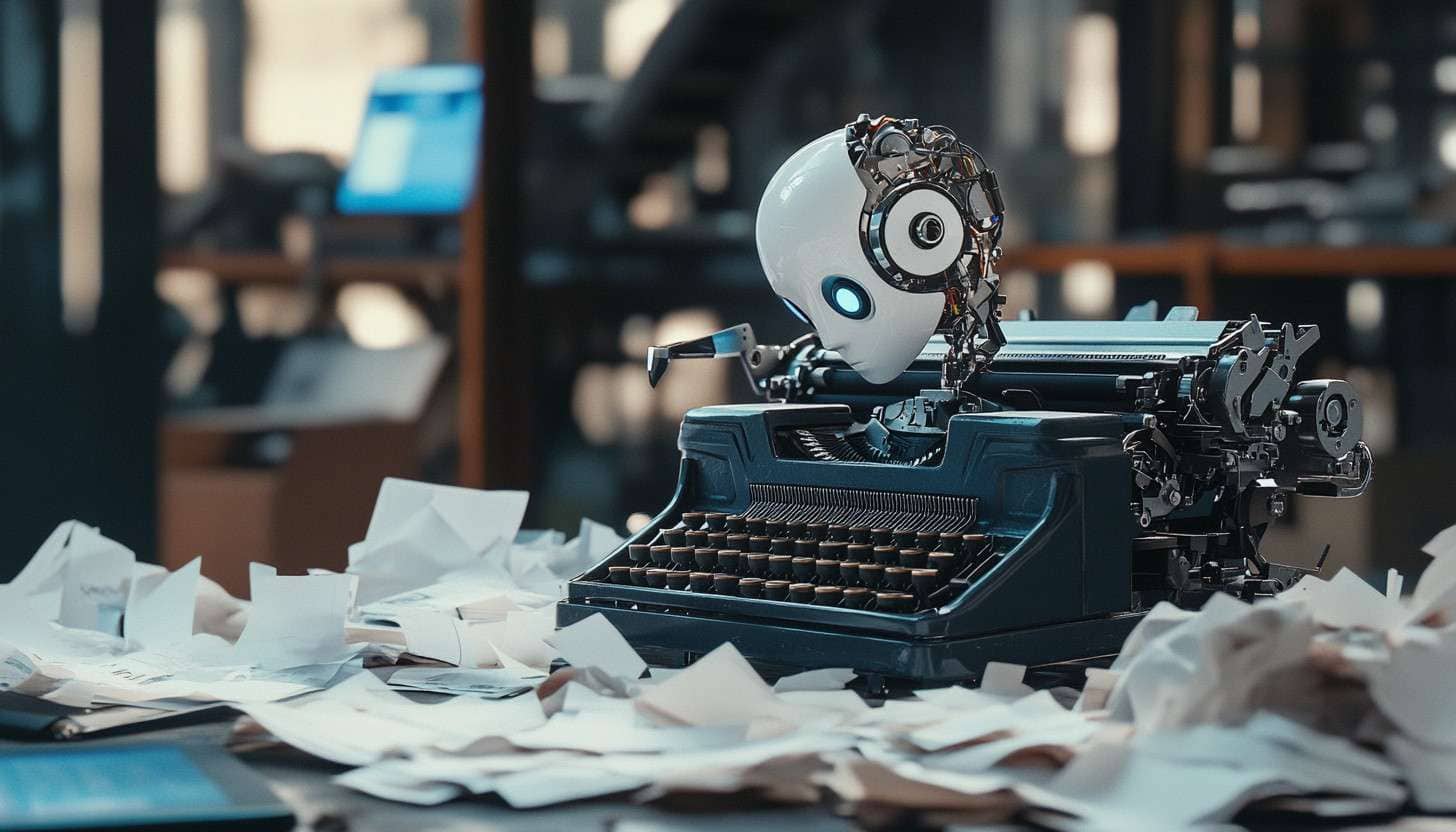
In the world of book writing, clarity and precision are paramount. Both AI proofreading software and human editors offer unique benefits to ensure that your manuscript shines.
AI proofreading software provides quick corrections and suggestions, making it a valuable tool for writers. Meanwhile, human editors bring depth and understanding that can elevate your work beyond mere grammar checks. Understanding the strengths and weaknesses of AI proofreading software versus human editors can help you make informed choices for your writing journey.
Understanding AI Proofreading Software
AI proofreading software refers to advanced tools designed to assist writers in the editing process. These tools utilize artificial intelligence algorithms to analyze text for grammar, punctuation, and style errors. By doing so, they offer suggestions to improve clarity and coherence, making them invaluable for many writers.
Some popular AI proofreading software options include Grammarly, ProWritingAid, and Hemingway Editor. Each of these platforms offers unique features tailored to different writing needs. For instance, Grammarly focuses on real-time corrections and suggestions, while ProWritingAid provides in-depth reports on writing style and structure. These tools can significantly enhance the writing process, ensuring that content is polished and professional.
Another notable feature of AI proofreading software is its ability to learn from user input. As writers engage with the software, it adapts to their writing style and preferences over time. This learning capability allows for more personalized suggestions, which can be particularly useful for authors working on AI book writing software, where tone and voice are crucial.
AI proofreading software serves as a powerful ally for writers seeking to refine their work. By integrating these editing tools into the writing process, authors can focus more on creativity while ensuring their final drafts are error-free. As technology continues to evolve, these software options will likely become even more sophisticated, offering even greater support for writers everywhere.
Advantages of AI Proofreading Software
AI proofreading software offers remarkable speed and efficiency in the editing process. Writers can quickly upload their drafts and receive instant feedback, allowing them to make corrections without delay. This rapid turnaround is especially beneficial for authors on tight deadlines who need to refine their manuscripts promptly.
Cost-effectiveness is another significant advantage of AI proofreading software. Hiring human editors can be expensive, especially for emerging writers or those working with limited budgets. AI tools provide an affordable alternative that still delivers quality checks, making them a practical choice for many in the writing community.
Moreover, AI proofreading software ensures consistency in grammar and style checks throughout the text. Unlike human editors, who may have varying approaches, these tools apply the same standards to every sentence. This uniformity helps maintain a cohesive tone and style, particularly important when writing longer works like books where maintaining voice is crucial.
The technology in writing has revolutionized the editing landscape by introducing automated editing software. The benefits of speed, cost-effectiveness, and consistency make it an appealing option for writers at any level. As collaboration between writers and AI tools continues to evolve, the editing process becomes more efficient while still upholding quality standards.
Limitations of AI Proofreading Software
Despite the advantages of AI proofreading software, it has notable limitations. One significant challenge is its struggle with understanding context and nuance. For instance, if a writer uses a colloquial expression or an idiom, AI might misinterpret the meaning, leading to incorrect suggestions that can alter the intent of the text.
Another limitation is the inability of AI proofreading software to provide personalized feedback. Human editors can tailor their advice based on the writer's style and voice, ensuring that the final product reflects the author's unique perspective. In contrast, AI tends to offer generic corrections, which may not resonate with the intended message or tone of a book.
Moreover, AI proofreading software can overlook complex errors that require human insight. For example, while it can identify grammatical mistakes, it might miss inconsistencies in character development or plot holes in a novel. These subtleties are often crucial in AI in book publishing, where the narrative flow and emotional impact are paramount.
While AI proofreading software presents several advantages for writers, it cannot replace the depth and understanding that traditional editing offers. Writers should be aware of these limitations when deciding on their editing approach. Balancing the use of technology with human expertise often yields the best results in crafting a compelling narrative.
The Value of Human Editors
Human editors bring a unique set of skills that AI proofreading software cannot replicate. Their expertise in understanding tone and style is crucial for any piece of writing, especially in book writing where the author’s voice must shine through. A human editor can identify subtle nuances, ensuring that the writing resonates with its intended audience while maintaining authenticity.
In addition to their grasp of tone, human editors excel at providing constructive criticism and suggestions. They can pinpoint areas that may need more clarity or emotional depth, enhancing the overall quality of the text. This personalized feedback can be invaluable, particularly for writers looking to refine their work beyond basic grammar and spelling corrections.
Moreover, human editors possess experience in editing specialized content across various genres. Whether it's fiction, academic writing, or technical manuals, they understand the specific requirements and conventions of each field. This expertise ensures a higher level of quality control, which is vital for achieving professional standards in book writing.
While AI proofreading software offers efficiency in proofreading, it cannot match the depth and insight that human editors provide. The collaboration between AI tools and human editors may enhance productivity, but the latter's ability to engage with the text on a personal level remains irreplaceable. Writers should consider this value when deciding how best to approach their editing process.
When to Choose AI Proofreading Software
AI proofreading software is an excellent choice when quick edits are necessary. For instance, if a writer needs to submit a blog post by the end of the day, AI tools can quickly scan for grammar and spelling errors. This speed allows writers to focus on their ideas while ensuring their work is polished in a short amount of time.
These tools are also ideal for drafts or less formal writing. When working on an initial draft of a book, authors may prioritize getting their thoughts down rather than perfecting every sentence. In this scenario, AI proofreading software can help refine the text without disrupting the creative flow.
Cost considerations play a significant role for budget-conscious writers. Hiring a human editor can be expensive, especially for those just starting in their writing careers. In contrast, AI proofreading software offers a more affordable solution, allowing writers to produce quality work without overspending.
AI proofreading software is valuable for those needing quick edits, working on drafts, or managing tight budgets. Writers can use these tools to enhance their efficiency and maintain a steady writing pace. Balancing the use of AI tools with the insights of human editors can create a powerful editing strategy.
When to Opt for Human Editors
Choosing human editors is essential for complex projects that require a deep understanding of context and nuances. For example, a historical novel often incorporates intricate themes and character development. A human editor can grasp these subtleties and provide feedback that enhances the overall narrative and emotional depth.
Creative writing also benefits significantly from the personal touch that only a human editor can provide. A poet or novelist may have unique styles and voices that need careful consideration during the editing process. Human editors can offer insights on tone, rhythm, and style, ensuring the author's vision remains intact while improving clarity and engagement.
Moreover, situations demanding high-quality assurance call for the expertise of a human editor. For instance, academic papers or professional publications often require stringent adherence to specific standards. Human editors possess the knowledge and experience to ensure that these documents meet the necessary criteria and resonate with their intended audience.
While AI proofreading software serves its purpose well, human editors excel in areas that require a nuanced approach. Their ability to understand context, offer personalized feedback, and assure quality makes them invaluable for complex and creative writing projects. Therefore, when the stakes are high, opting for a human editor is often the best choice for writers seeking excellence in their work.
The Potential for Collaboration
AI proofreading software can significantly assist human editors in their work. These tools can handle repetitive tasks like grammar checks and punctuation corrections, allowing editors to focus on more complex issues. For instance, an editor can use AI writing software to quickly scan a manuscript for basic errors before diving deeper into style and tone adjustments.
Integrating AI proofreading software into the editing process enhances productivity. Human editors can save time by letting AI handle preliminary edits, which speeds up the overall workflow. This collaboration allows editors to produce high-quality content faster, making it a win-win situation for both parties involved in the writing process.
Balancing efficiency with quality is crucial in editing. While AI proofreading software excels in speed, human editors bring creativity and nuanced understanding to the table. Combining the strengths of both can lead to a more thorough editing process, ensuring that the final product meets high standards while also being delivered on time.
As writers continue to explore the possibilities of AI proofreading software, the potential for collaboration will only grow. The future of editing may see more partnerships between technology and human expertise. Embracing this synergy could redefine how writers approach their projects, leading to better outcomes in book writing and beyond.
In Summary
Both AI proofreading software and human editors have distinct strengths and weaknesses. AI proofreading software offers speed and cost-effectiveness, making it ideal for quick edits and less formal writing. However, it lacks the nuanced understanding and personalized feedback that human editors provide, which is crucial for complex book writing.
Writers should assess their individual editing needs when deciding between AI proofreading software and human editors. For straightforward drafts, AI proofreading software may suffice, but for projects requiring depth, a human editor is often necessary. As technology evolves, the future of proofreading in writing will likely see more collaboration between AI tools and human expertise, enhancing the editing process overall. Writers can find helpful resources in an AI tools directory to explore the best solutions for their needs.
Related Articles

Is Artificial Intelligence in Content Marketing the Future?
Artificial intelligence is reshaping content marketing by making it faster, smarter, and more personalized. Learn how AI can elevate your strategy and results.
Read more
Is Your Content Distribution Plan Actually Driving Results
A content distribution plan drives reach and real results. Learn how to share content strategically, boost visibility, and improve conversions.
Read more
Why Measuring Content Effectiveness Is Key To Success
Not all content delivers real results. Measuring content effectiveness helps you refine strategy and focus on what truly works.
Read more