
Best Collaborative Writing Software for Teams
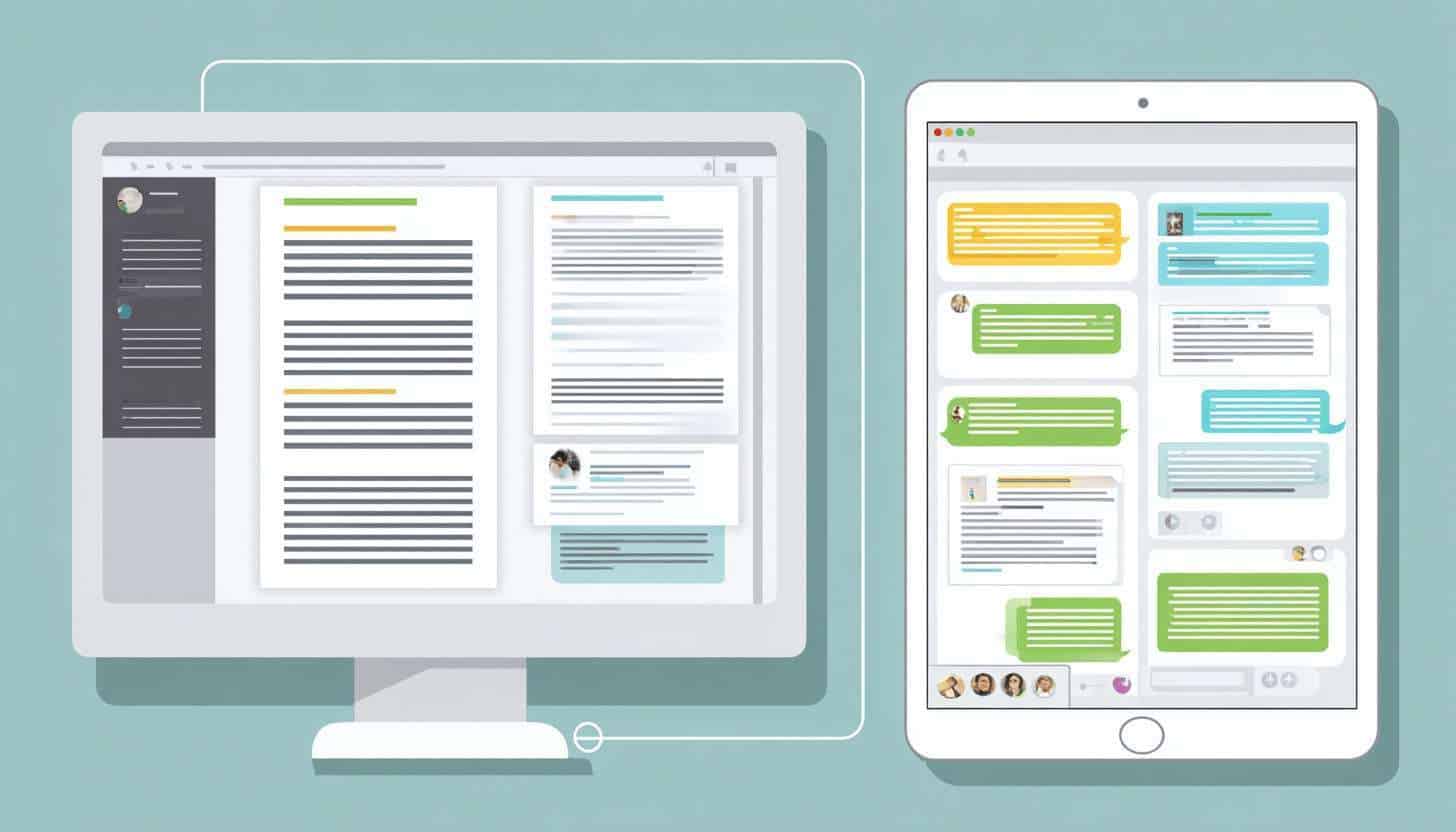
The rise of remote work has transformed how teams collaborate. As more individuals work from different locations, the need for effective collaborative writing tools has become essential. Collaborative writing software is at the forefront of this change, making it easier for remote teams to connect and create together, especially when combined with AI book writer tools that enhance productivity.
Creativity plays a vital role in any team project, especially in book writing. Maintaining that creativity in a remote setting can be challenging but is entirely possible with the right collaborative writing platform. By utilizing collaborative book writing software alongside modern AI writing assistant solutions, remote teams can unlock their creative potential and produce outstanding work collectively.
What is Collaborative Writing Software?
Collaborative writing software is a digital tool designed to help teams work together on written projects. It enables multiple users to contribute, edit, and share ideas in real-time, making it ideal for book writing and other creative endeavors. These best collaborative writing tools often come with features that enhance productivity, such as commenting, version control, and cloud storage.
Key features of online collaborative writing tools include real-time editing, which allows team members to see changes as they happen. This instant feedback promotes effective brainstorming and helps maintain the flow of ideas. Additionally, many collaborative writing apps offer templates and formatting options tailored for specific types of writing projects, such as novels, articles, or reports.
Some popular examples of best app for collaborative writing include Google Docs, Microsoft Word Online, and Notion. Google Docs is widely used for its simplicity and accessibility, enabling seamless collaboration across devices. Microsoft Word Online offers robust formatting tools familiar to many writers, while Notion combines writing with project management features for a comprehensive approach to teamwork.
Using collaborative story writing apps can significantly improve the quality of a team's output. These tools not only streamline the writing process but also foster a sense of community among remote team members. By embracing apps for collaborative writing, teams can unlock their creative potential and produce exceptional written works together.
Benefits of Using Collaborative Writing Software
Best collaborative writing apps enhance real-time collaboration among team members. This allows multiple users to work on the same document simultaneously, regardless of their location. For instance, a team of writers can draft a book together while being thousands of miles apart, instantly sharing ideas and edits using collaborative content writing tools.
Another significant benefit is that tools for collaborative content writing streamline the brainstorming and drafting process. Team members can easily contribute their thoughts and suggestions in a structured manner. Tools like Google Docs or Notion allow for seamless organization of ideas, making it easier to shape a book's narrative, particularly when combined with automated editing software for polishing final versions.
Furthermore, final draft collaborative writing facilitates efficient feedback cycles, improving overall quality. Writers can leave comments, ask questions, and provide constructive criticism within the document itself. This immediate access to feedback ensures that the final draft reflects the collective creativity of the team, ultimately resulting in a better-quality book.
1. Boosting Team Creativity with Collaboration Tools
Collaborative writing platforms serve as spaces that encourage diverse ideas from all team members. By providing a platform where everyone can contribute, these best collaborative writing tools foster an environment of inclusivity and creativity. This diversity often leads to unique perspectives that can enhance the overall quality of the writing project, especially when exploring popular book topics that resonate with readers.
Using templates and prompts is another effective way to inspire creativity within teams. Online collaborative writing tools often come equipped with these features, making it easier for team members to brainstorm ideas. For example, a prompt related to character development in a novel can spark new storylines that may not have been considered otherwise when using collaborative story writing apps.
Visual aids and multimedia tools also play a crucial role in collaborative writing. Incorporating images, videos, or infographics can help clarify complex ideas and make the writing more engaging. This integration of different media not only enhances team cohesion but also enriches the reader's experience, making the final product more dynamic when using apps for collaborative writing.
Ultimately, leveraging these best collaborative writing apps can significantly boost team creativity in book writing. The right collaborative writing app not only streamlines the process but also enhances the creative output of remote teams. As teams engage in digital collaboration, they unlock new possibilities for storytelling and innovation.
2. Building a Collaborative Culture in Remote Teams
Creating a collaborative culture in remote teams is essential for successful virtual teamwork. One effective strategy is to foster open communication among team members using collaborative content writing tools. This can be achieved through regular video calls, instant messaging platforms, or dedicated forums where everyone feels comfortable sharing their thoughts and ideas.
Regular check-ins are another vital component of building a collaborative culture. These meetings provide an opportunity for team members to discuss progress, address concerns, and celebrate small wins. Team-building activities, even in a virtual setting, help strengthen relationships and create a sense of belonging, which is crucial for a productive work environment when using tools for collaborative content writing.
Setting clear goals and expectations for collaborative projects is also important. When everyone understands their role and the project's objectives, it reduces confusion and promotes accountability. Work from home solutions that include project management tools can help track these goals and ensure that all team members are aligned and engaged in the process, especially when working with writing assistance software that supports team workflows.
By focusing on these strategies, remote teams can cultivate an atmosphere that encourages collaboration and creativity. A strong collaborative culture not only enhances the quality of work produced but also boosts morale among team members. Ultimately, this leads to more successful projects and a more cohesive team using best app for collaborative writing solutions.
3. Overcoming Challenges in Remote Collaboration
Remote collaboration can present unique challenges. Time zone differences often create delays in communication, making it hard to connect in real-time. To tackle this issue, teams can establish overlapping hours for meetings and use collaborative writing software to keep everyone updated asynchronously.
Conflicts may arise due to misunderstandings or differing opinions. It is vital to foster a culture of constructive feedback among team members. Encouraging open dialogue can help address conflicts quickly and effectively, ensuring that everyone feels heard and valued in the creative process, particularly when working on creative projects like poetry writing software implementations.
Utilizing features within collaborative writing software can enhance accountability and track progress. For instance, version control allows team members to see changes made by others, reducing confusion. Setting clear deadlines and milestones within the software can also ensure that everyone stays on the same page and is working towards common goals.
By addressing these challenges head-on, teams can maintain their creative momentum. A proactive approach to remote collaboration will lead to more productive brainstorming sessions and better overall results. Ultimately, leveraging collaborative writing software will help turn obstacles into opportunities for growth.
Best Practices for Effective Collaborative Writing
To maximize the benefits of collaborative writing software, teams should establish clear guidelines for document organization and version control. This ensures that everyone knows where to find important files and avoids confusion over multiple versions. Using consistent naming conventions and folder structures can streamline access and improve overall efficiency.
Encouraging contributions from all team members is crucial in collaborative writing. Each member brings unique perspectives, which can enhance the creative process. For instance, a junior writer might offer fresh ideas that more experienced team members overlook, particularly when working with AI fiction writer tools that inspire new narrative approaches.
Celebrating successes is just as important as addressing challenges in the collaborative writing process. When a project reaches a milestone, recognizing the hard work of the team boosts morale and motivation. Additionally, reflecting on lessons learned during difficult phases can turn challenges into growth opportunities, strengthening the team's ability to collaborate effectively in the future.
By implementing these best practices, teams can enhance their collaborative writing efforts significantly. These strategies help maintain organization, encourage diverse input, and promote a positive atmosphere. Ultimately, they create an environment where creativity can flourish through effective use of collaborative writing software.
Future Trends in Collaborative Writing Software
The landscape of collaborative writing software is rapidly evolving. Emerging technologies such as artificial intelligence and machine learning are poised to enhance the way teams create content together. These advancements can streamline the writing process and provide personalized suggestions, making collaboration even more effective for remote teams, especially when integrated with comprehensive AI for writing books platforms.
As remote teamwork continues to grow, the integration of real-time editing features will become standard. This means that team members can work on a document simultaneously, regardless of their location. Features like voice-to-text and automatic formatting could also be included, allowing writers to focus on their ideas rather than technical details.
Moreover, the use of virtual reality (VR) and augmented reality (AR) could revolutionize collaborative writing experiences. Imagine a virtual workspace where team members can interact with each other's ideas in a three-dimensional space. Such innovative tools could foster deeper connections and encourage creativity among remote teams, particularly when enhanced with novel writing with AI capabilities.
AI-powered analytics will also play a significant role in the future of collaborative writing software. By analyzing writing patterns and team dynamics, these tools can offer insights into how to improve collaboration. This data-driven approach can help teams identify strengths and weaknesses, ultimately leading to higher-quality content creation and enhanced team creativity, supported by resources from the best AI tools directory. According to McKinsey Global Institute, AI integration in workplace collaboration tools will continue to reshape how teams interact and create content together.
The integration of advanced AI book formatting features will also streamline the publishing process. Teams will be able to collaborate on content creation while simultaneously preparing their work for publication. This seamless workflow will reduce the time between writing and publishing, making collaborative projects more efficient than ever before.
In Summary
Collaborative writing software is essential for remote teams focused on book writing. It fosters creativity and improves teamwork, making it easier to produce quality content together. By leveraging collaborative writing software, teams can unlock their full creative potential.
We encourage you to explore various collaborative writing software tools and strategies that can enhance your team's cohesion. Embracing these resources will lead to more innovative ideas and a stronger collaborative spirit. Ultimately, the right collaborative writing software can transform your book writing process and help you achieve your goals., the right collaborative writing software can transform your book writing process and help you achieve your goals.
Related Articles
Mac Writer: How to Choose the Right Writing App for Your Needs
Choosing the right Mac writer is harder than it looks. The market includes simple text editors, distraction-free writing apps, AI assistants, collaborative p…
Read more
Copy AI vs Traditional Copywriting: Which One Fits Your Needs?
The rise of **copy AI** has transformed the way businesses approach marketing and content creation. Copy AI refers to artificial intelligence-driven tools de…
Read more
Will Artificial Intelligence Novels Change Storytelling?
Artificial intelligence novels are changing how stories are created and consumed in today’s digital landscape. While AI can speed up writing and production, hum…
Read more