
Beyond the Hype: How to Make AI Work for Your People
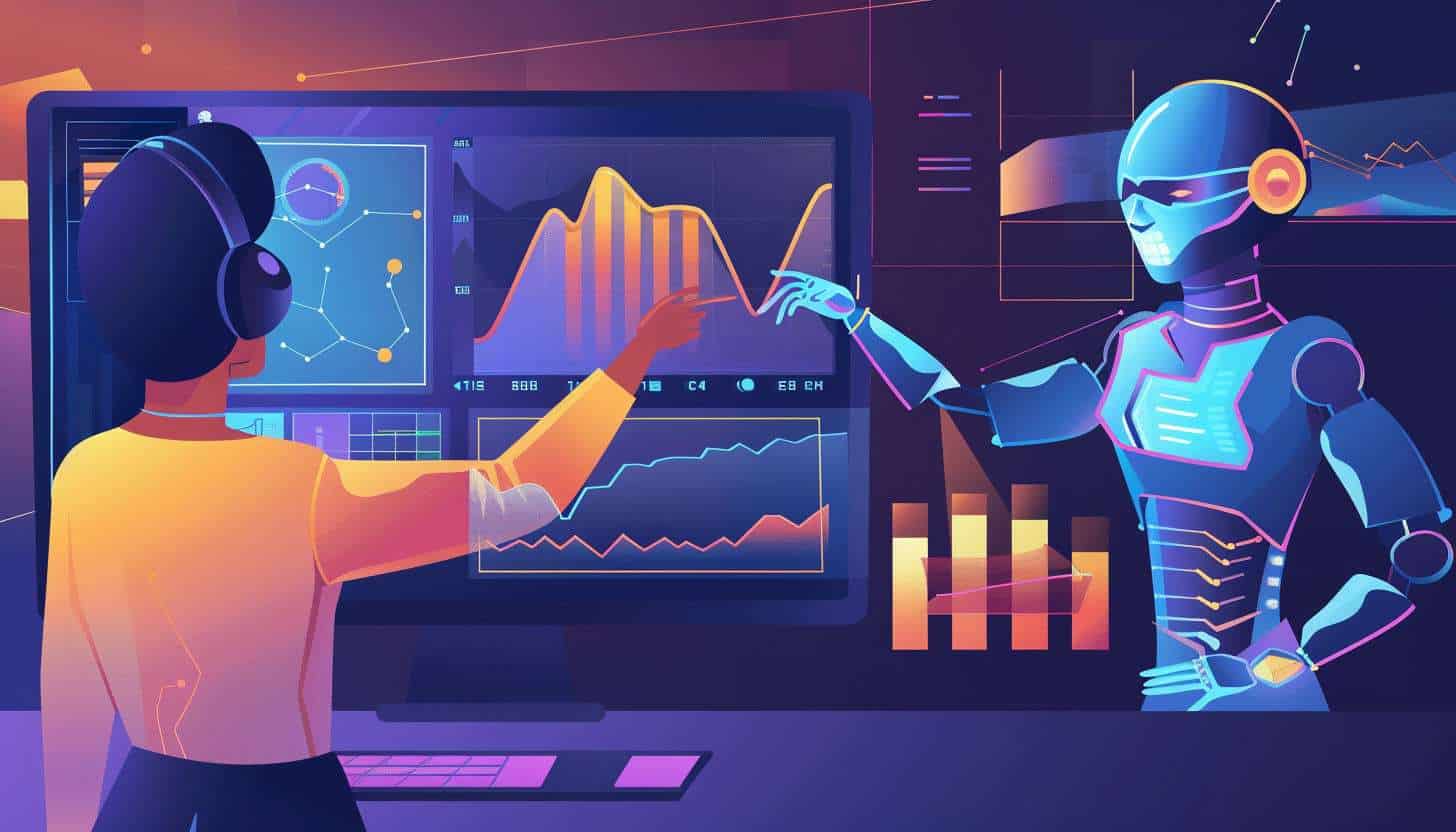

Generative AI (Gen AI) is transforming our view of technology. Tools like Aivolut Books can create books, and some other tools can create art, write stories, and even predict trends. But Gen AI's real power lies in its ability to help boost our economy. By working together with Gen AI, we can unlock new growth opportunities.
However, we must keep people at the center to benefit from Gen AI. This means focusing on the tech and considering how it affects workers and consumers. Gen AI can generate significant economic gains responsibly while creating a fairer and more inclusive society.
It's time for us to act and embrace Gen AI responsibly. Business leaders need to see this tech as a tool that complements human skills rather than replaces them.
The Need for Action
The rise of Gen AI has created a unique chance for business leaders to transform their industries. But to do this, they must act quickly. Businesses that embrace Gen AI can achieve more efficient operations, better customer experiences, and innovative products. For example, online retailers using Gen AI can offer personalized shopping experiences based on customer preferences. This not only boosts sales but also improves satisfaction and loyalty.
However, many organizations are slow to adopt new technologies because of fear of AI. Business leaders need to take charge and show the path forward. They should help their teams understand the benefits of Gen AI and foster an environment where innovation thrives. Prominent companies use sophisticated algorithms to recommend content tailored to individual tastes—putting them leagues ahead in user engagement.
Leaders must remember that swift action is crucial to stay competitive in a rapidly changing market landscape. Companies adopting these capabilities early will set themselves apart from those hesitating on the sidelines. The fast movers can capture greater market share and find new revenue streams by redefining how they operate with Gen AI's help.
Step 1: Leadership and Learning
Building trust in Generative AI starts with strong leadership. If leaders show confidence and enthusiasm about Gen AI, their teams will likely follow suit. Leaders must set the tone by being transparent about the goals and potential challenges of integrating Gen AI into the business.
Leaders must also immerse themselves in understanding Gen AI technology. This doesn't mean they need to become tech experts overnight, but having a solid grasp of the possibilities and limitations is critical. Attending workshops, webinars, or even enrolling in short courses can go a long way. When leaders are well-informed, they are better equipped to make strategic decisions and effectively communicate with their teams.
Challenging old mindsets is another key responsibility for leaders. In many organizations, traditional workflows have been entrenched for years. Embracing Gen AI might require dismantling some of these longstanding processes, which can be uncomfortable for everyone involved. However, questioning legacy systems and encouraging innovation fosters an environment where new ideas can flourish.
By leading the way through education and open-mindedness, business leaders can lay the groundwork for successful Gen AI integration. This builds internal trust and helps prepare the organization for future challenges and opportunities that this powerful technology will bring.
Step 2: Reinventing Work
Businesses need to rethink their workflows to harness the power of Gen AI. This means looking at every step of their operations and figuring out how Gen AI can optimize them. For example, companies can use AI to handle repetitive tasks like data entry or customer inquiries. This frees employees to focus on more strategic activities requiring human creativity and problem-solving skills.
Aligning Gen AI with business goals is crucial. It’s not just about using the latest tech for the sake of it; it's about integrating AI in a way that supports your overall objectives. Companies should ask themselves what they aim to achieve—higher efficiency, better customer satisfaction, or entering new markets. Once these goals are clear, they can use Gen AI tools tailored to their needs.
A people-centric approach is essential here. When redesigning workflows with Gen AI, always consider customers and employees. Listen to employee feedback on which tasks could benefit from automation and involve them in planning changes. Similarly, ensure that new processes enhance the customer experience rather than complicate it. Happy employees often lead to happy customers—both are critical for business success.
A retail company might use Gen AI-driven chatbots to handle common questions like store hours or product availability while using human staff for personalized styling advice or complex issues. By balancing technology with the human touch, businesses can ensure workflow changes benefit everyone involved – leading to sustainable growth and a stronger economy.
Step 3: Reshaping the Workforce
Building an agile and dynamic workforce is key to making Gen AI work for you. Agility means your team can quickly adapt to new roles and tasks. This flexibility allows your business to respond faster to changing market needs. Think of it as giving your business the ability to pivot when necessary, which is crucial in a world where trends shift rapidly.
One way to achieve this agility is through skills mapping. Tools like these help identify the skills your employees already have and show where they could be most valuable. For example, a data entry operator could transition into a role focusing on data analysis with the proper AI knowledge and training. This would use existing resources more efficiently and keep employees engaged by offering them growth opportunities within the company.
Another important aspect of reshaping the workforce is freeing time and talent for high-value activities. With mundane tasks handled by Gen AI, human workers can focus on strategic decision-making, innovation, and customer interaction—all areas where human intuition and creativity excel. Imagine a customer service representative who no longer needs to answer routine queries because an AI chatbot handles those; instead, they can work on solving complex issues or upselling products.
By reshaping the workforce, businesses can create an environment where technology and people thrive together. Aligning Gen AI capabilities with functional roles ensures everyone contributes effectively towards common goals. This blend of human intelligence and machine learning will ultimately lead to significant gains in productivity and innovation, contributing positively to economic growth.
Step 4: Investing in People
Employees bring creativity, decision-making skills, and context that machines can't replicate. A successful Gen AI strategy depends on having tech-savvy employees who can work directly with AI and others who understand its impact on business processes. To achieve this balance, investing in technical skills is not just nice to have; it's essential.
On the technical side, training programs should cover everything from basic AI literacy to advanced data analytics. But don't stop there. Soft skills like problem-solving, communication, and adaptability are equally important. An employee might need to explain complex AI-generated insights to a team or brainstorm new ways to utilize AI tools for customer satisfaction. This mix of skills ensures everyone can contribute meaningfully.
Involve your employees at every stage of the process. Let them test new tools, like AI for writing, and give feedback based on their daily tasks. This helps them feel more comfortable while ensuring the technology fits the organization's needs. It also fosters a collaborative culture where everyone feels they have a stake in the transition to using Gen AI.
However, an investment gap often exists between funding Gen AI tools and training staff to use them effectively. Closing this gap is crucial for maximizing returns from Gen AI investments. By prioritizing comprehensive training and involving employees early on, you set a strong foundation for long-term success.
The Investment Gap
Even though businesses are pouring money into Gen AI technology, many forget an essential element: investing in people. This disparity means that companies have advanced tools but don't always have adequately trained teams to make the most of these tools. For instance, a business might spend millions on AI software but neglect staff training programs. As a result, employees struggle to use these resources effectively, limiting overall productivity and potential gains.
This gap impacts businesses in various ways. Without skilled workers who understand how to utilize Gen AI, the technology's total value remains untapped. Companies miss opportunities for innovation and efficiency improvements. Tasks that could be automated or optimized through AI still require manual efforts because employees aren't trained to handle new tech solutions.
Furthermore, this investment imbalance can create frustration among employees. Imagine having powerful AI-driven tools without the knowledge or support to use them properly. Workers may feel overwhelmed or undervalued, leading to decreased job satisfaction and higher turnover rates. In contrast, companies that balance their investments by focusing equally on training see better adaptation and more motivated staff.
Addressing this gap is crucial for long-term success. By investing in both Gen AI and employee development, businesses can fully harness the strengths of technology while empowering their workforce. It's not just about buying cutting-edge software; it's also about ensuring your team can leverage it effectively for maximum economic impact.
The Path Forward
Gen AI holds great promise, but we must act now to realize its full potential. Every business should take steps to integrate Gen AI into its operations. This is not just about adopting new technology but also about involving and investing in your people. Doing so ensures that the company and its employees grow together.
Investing in people leads to long-term benefits. Equipping your workforce with the right skills boosts their ability to adapt and innovate, which fuels economic growth. To learn more about how accurate Gen AI can be, check out Is Generative AI Accurate? Things You Should Know for deeper insights. Let's ensure this technological advancement becomes an opportunity for all of us to thrive together!
Related Articles

Industrial AI: Applications, Benefits, and Real-World Challenges Explained
Imagine a production line that pauses for maintenance before a motor fails—not after sparks fly and orders pile up. That is industrial AI in action: using ma…
Read more
AI for Engineers: 9 Practical Ways to Improve Daily Workflows
AI for engineers is less about handing over the controls and more about removing friction from the workday. Used well, AI can summarize technical discussions…
Read more
AI Architecture Diagram: Key Components and How to Read Them
A business owner opens an AI architecture diagram and sees boxes labeled “model,” “API,” “database,” and “workflow.” It looks a little like a subway map desi…
Read more