
Boost Your Impact with Email Campaign Optimization
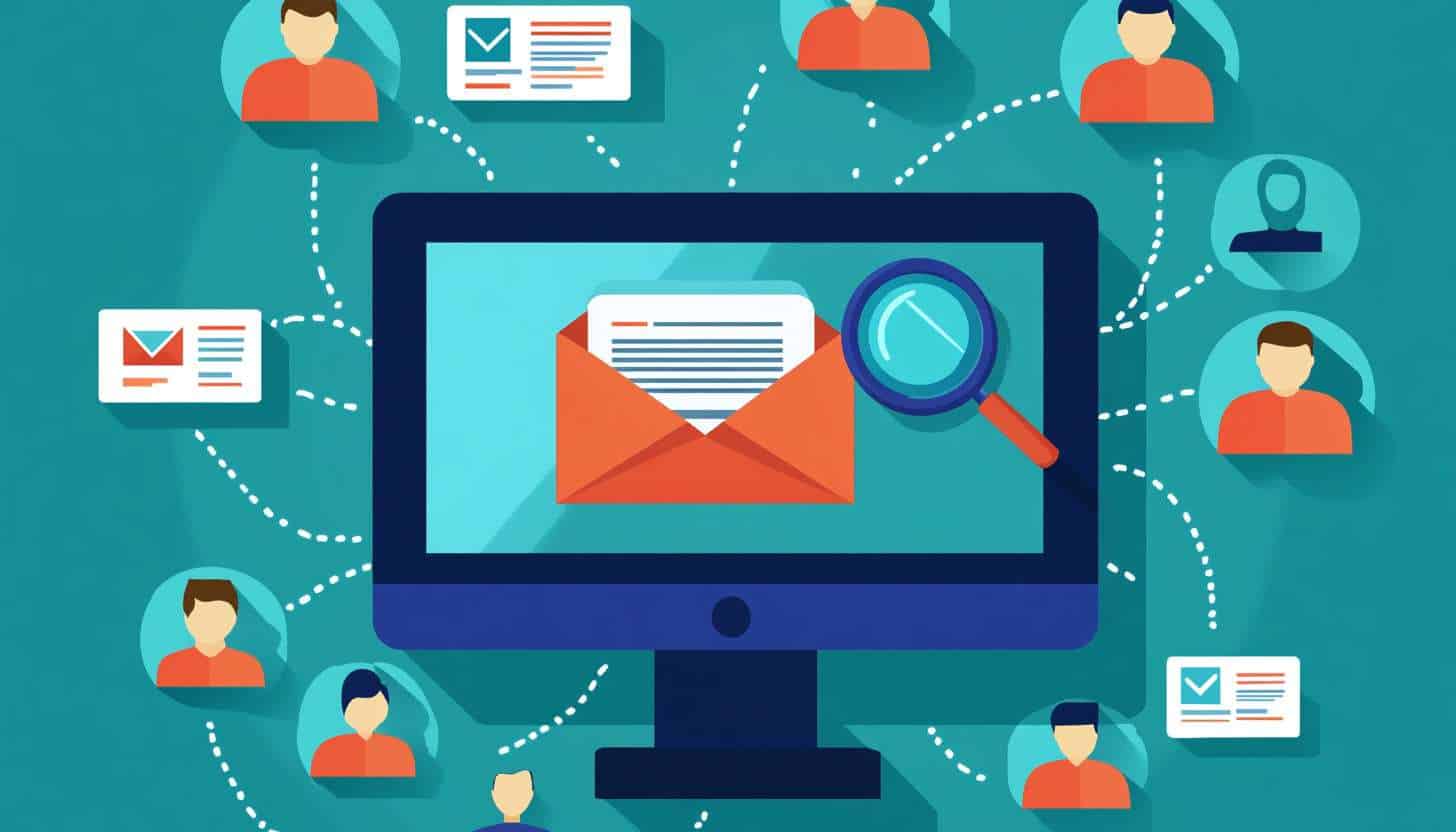
Email campaigns are vital for nonprofits. They help organizations connect with supporters, share their mission, and drive donations.
However, many nonprofits miss the chance to maximize their impact. Email campaign optimization can enhance engagement and increase response rates significantly.
In this article, we will explore effective nonprofit email strategies. You will discover how to tailor your messages, craft compelling subject lines, and personalize your outreach to boost your nonprofit’s impact. Join us as we delve into the world of email campaign optimization.
Understanding Your Audience
To achieve effective email campaign optimization, it is crucial to identify your target audience segments. Nonprofits often serve diverse communities, each with unique interests and motivations. By segmenting your audience based on demographics, interests, or past engagement, you can tailor your messaging to resonate better with each group.
Once you have identified your audience segments, the next step is to customize your messaging. For example, younger supporters may respond well to vibrant visuals and social media links, while older donors might appreciate more detailed information and personal stories. Avoiding email campaign optimization mistakes, such as failing to align content with audience preferences, can significantly enhance donor engagement and increase the likelihood of a positive response to your campaigns.
Collecting and analyzing audience feedback is essential for refining your email strategies. Utilizing surveys or direct questions in your emails can provide valuable insights into what resonates with your supporters. By regularly reviewing this feedback, you can make informed decisions that further improve your email campaign optimization efforts.
Incorporating these practices will not only boost your email effectiveness but also strengthen your relationship with your audience. Engaging with your supporters in a meaningful way fosters loyalty and encourages ongoing participation in your nonprofit’s mission. Ultimately, understanding your audience is a foundational step in enhancing donor engagement through optimized email campaigns.
Crafting Compelling Subject Lines
Subject lines play a crucial role in the success of your email campaigns. They significantly influence open rates, which are essential for engaging your audience. A compelling subject line can make the difference between a supporter reading your email or deleting it without a second thought.
To create attention-grabbing subject lines, consider using urgency and curiosity. For example, a subject line like “Only 24 Hours Left to Double Your Impact!” encourages immediate action. Additionally, using personalization can also improve engagement, such as including the recipient’s name: “Jane, Help Us Change Lives Today!”
An AI content writer can assist in crafting successful email newsletters, particularly when optimizing subject lines for better performance. A/B testing is another effective technique for optimizing subject lines. By sending different subject lines to segments of your audience, you can analyze which one performs better.
A/B testing is another effective technique for optimizing subject lines. By sending different subject lines to segments of your audience, you can analyze which one performs better. This data-driven approach allows you to refine your messaging and improve overall open rates.
Incorporating storytelling in emails can also enhance your subject lines. A subject line like “Meet Sarah: A Story of Hope and Change” hints at a narrative that invites curiosity. By combining strong storytelling with effective subject lines, you can capture attention and inspire your supporters to read further.
Storytelling in Email Campaigns
Storytelling is a powerful tool for engaging supporters in your email campaigns. When you share personal stories, you create an emotional connection with your audience. This connection can inspire action and deepen their commitment to your cause, making lead nurturing emails more impactful.
To incorporate personal stories and testimonials, focus on the individuals impacted by your nonprofit’s work. For example, instead of just stating facts about your organization, share a story about a beneficiary who benefited from your services. This targeted messaging resonates more with readers and encourages them to support your mission.
Visuals can greatly enhance your narrative and make your emails more appealing. Including images or videos of the people you help adds a human touch to your story. Using an image generator using AI, you can create impactful visuals that not only capture attention but also reinforce your message, making it easier for supporters to connect emotionally with your cause.
By effectively using storytelling in your email campaigns, you can foster stronger relationships with your supporters. This approach not only aids in retention but also drives new donations and volunteer efforts. Remember, successful email campaign optimization relies heavily on the ability to engage and inspire through compelling narratives.
Personalization and Segmentation
Personalization is a powerful tool for donor engagement in email campaigns. When donors receive emails that address them by name or reference their past contributions, they feel valued. This personal touch can lead to increased loyalty and higher donation rates, as supporters are more likely to engage with organizations that acknowledge their individual contributions.
Segmenting your email list effectively allows you to tailor messages to specific groups. For example, you might create segments based on donation history, event attendance, or volunteer involvement. Incorporating personalized email automation into your strategy can further streamline the process, ensuring each message resonates with the intended audience.
There are several tools available to help automate personalization in your campaigns. Platforms like Mailchimp and Constant Contact offer features that allow you to customize emails based on user data. These tools can save time while ensuring that your messaging remains relevant and engaging for each segment of your audience.
By combining personalization with effective segmentation, your nonprofit can significantly enhance its email campaign efforts. This approach not only strengthens relationships with existing donors but also attracts new supporters. Remember, a well-optimized email campaign can be the key to building a thriving community around your cause.
Timing and Frequency of Emails
Timing and frequency are crucial elements in email campaign optimization. The right moment to send a fundraising email can significantly influence its success. Utilizing the best email marketing services can help streamline this process by offering advanced scheduling tools and analytics to determine optimal send times.
Finding the right balance in email frequency is equally important. Too many emails can overwhelm your supporters, leading to unsubscribes.
On the other hand, infrequent emails may cause supporters to forget about your organization. A good practice is to aim for one to four emails per month, depending on your audience’s preferences and engagement levels.
Analyzing data helps optimize sending times for your fundraising emails. Use analytics tools to track open and click rates for different days and times.
For instance, if you notice higher engagement during weekends, consider scheduling your emails accordingly. Regularly reviewing this data can help you refine your email campaign optimization strategy over time.
Don’t hesitate to experiment with timing and frequency. A/B testing can provide valuable insights into what works best for your audience. By continuously adjusting based on performance metrics, you can maximize the impact of your email campaigns and strengthen your relationships with supporters.
Call-to-Action Strategies
Crafting clear and compelling calls to action (CTAs) is essential for effective email campaign optimization. A strong CTA guides your readers on what to do next. Whether it’s donating, volunteering, or sharing your message, clarity is key.
Use action verbs to encourage immediate responses. Phrases like “Join us today” or “Donate now” can drive engagement. Always make sure that your CTAs stand out visually in your emails.
Examples of effective CTAs for fundraising include specific donation amounts. For instance, you might say, “A gift of $50 provides meals for a family in need.” This not only clarifies the impact of their donation but also encourages a sense of urgency.
Additionally, incorporating a personal touch can resonate deeply. Consider using phrases like “Help us change lives” to forge an emotional connection with your audience.
Encouraging community involvement through CTAs is another vital strategy. Invite your supporters to share their stories or participate in events. Phrasing like “Share your story” or “Join our community event” fosters a sense of belonging.
This approach also engages your audience beyond monetary donations. By including interactive elements, you create a two-way dialogue that enhances community ties.
Incorporating these email outreach tips can significantly boost your nonprofit’s impact. Remember that a compelling CTA can make all the difference in your email campaigns.
Experiment with different styles and messages to find what resonates best with your audience. With the right strategies, you can inspire action and foster a stronger community around your cause.
Measuring Success and Adjusting Strategies
To achieve effective email campaign optimization, nonprofits must track key metrics that indicate success. Open rates, click-through rates, and conversion rates are essential for understanding how well your emails perform. Leveraging AI & data analytics can provide deeper insights into these metrics, helping you pinpoint trends and opportunities for improvement.
Using budget-friendly marketing tools can greatly enhance your ability to analyze campaign performance. Platforms like Mailchimp or Constant Contact offer built-in analytics features. Additionally, exploring an AI tools list can guide you to advanced technologies that optimize your analysis and streamline your campaigns.
After collecting data, it’s crucial to make data-driven adjustments to improve future campaigns. For instance, if a particular subject line led to a high open rate, consider using similar language in future emails. Continuously testing and refining your strategy is vital for ongoing success in email campaign optimization.
Don’t hesitate to solicit feedback from your supporters. Asking them what they want to see in your emails can provide valuable insights. This two-way communication fosters engagement and ensures your content remains relevant and impactful.
Building a Supportive Community
Engaging supporters through interactive content is essential for building a supportive community. Interactive elements like polls, quizzes, and surveys invite your audience to participate actively. This involvement fosters a sense of belonging and strengthens their connection to your nonprofit’s mission.
Creating opportunities for two-way communication is equally vital. Encouraging feedback through emails allows supporters to share their thoughts and feelings. This dialogue not only builds trust but also enhances supporter retention by making them feel valued and heard.
Highlighting community achievements in your emails can further boost engagement. Sharing success stories of how donations have made an impact creates a sense of pride among supporters. Recognizing individual contributions also reinforces their commitment to your cause, leading to higher levels of supporter retention.
Incorporating these strategies helps transform your email campaigns into powerful tools for community building. As supporters see the direct impact of their involvement, they are more likely to stay engaged. Ultimately, fostering a supportive community will lead to greater success for your nonprofit’s email campaign optimization efforts.
In Summary: Embracing Email Campaign Optimization
Email campaign optimization is essential for boosting your nonprofit’s impact. Key strategies include understanding your audience, crafting compelling subject lines, and utilizing storytelling to engage supporters. Incorporating advanced technologies, such as exploring how machine learning for marketers drives engagement, can further enhance your ability to connect with your audience.
As you implement these strategies, remember to continuously experiment and learn from your results. Effective email campaign optimization can lead to greater community engagement and support for your mission. By focusing on improving your email campaigns, you can make a meaningful difference in the lives of those you serve.
Related Articles

Monetizing Newsletters the Right Way in 2026
Newsletters are one of the most powerful revenue assets in digital marketing. Discover how to turn your audience into consistent income with smart strategies.
Read more
What Are the Best Email Subject Lines That Get Opened?
Your email might never get opened without the right hook. Best subject lines for emails make the difference between ignored and clicked. A strong subject line d…
Read more
How Automated Email Testing Can Transform Your Campaigns
Guessing what works in email marketing is risky. Automated email testing helps you find winning strategies faster.
Read more