
Can AI Literary Analysis Beat Human Insight
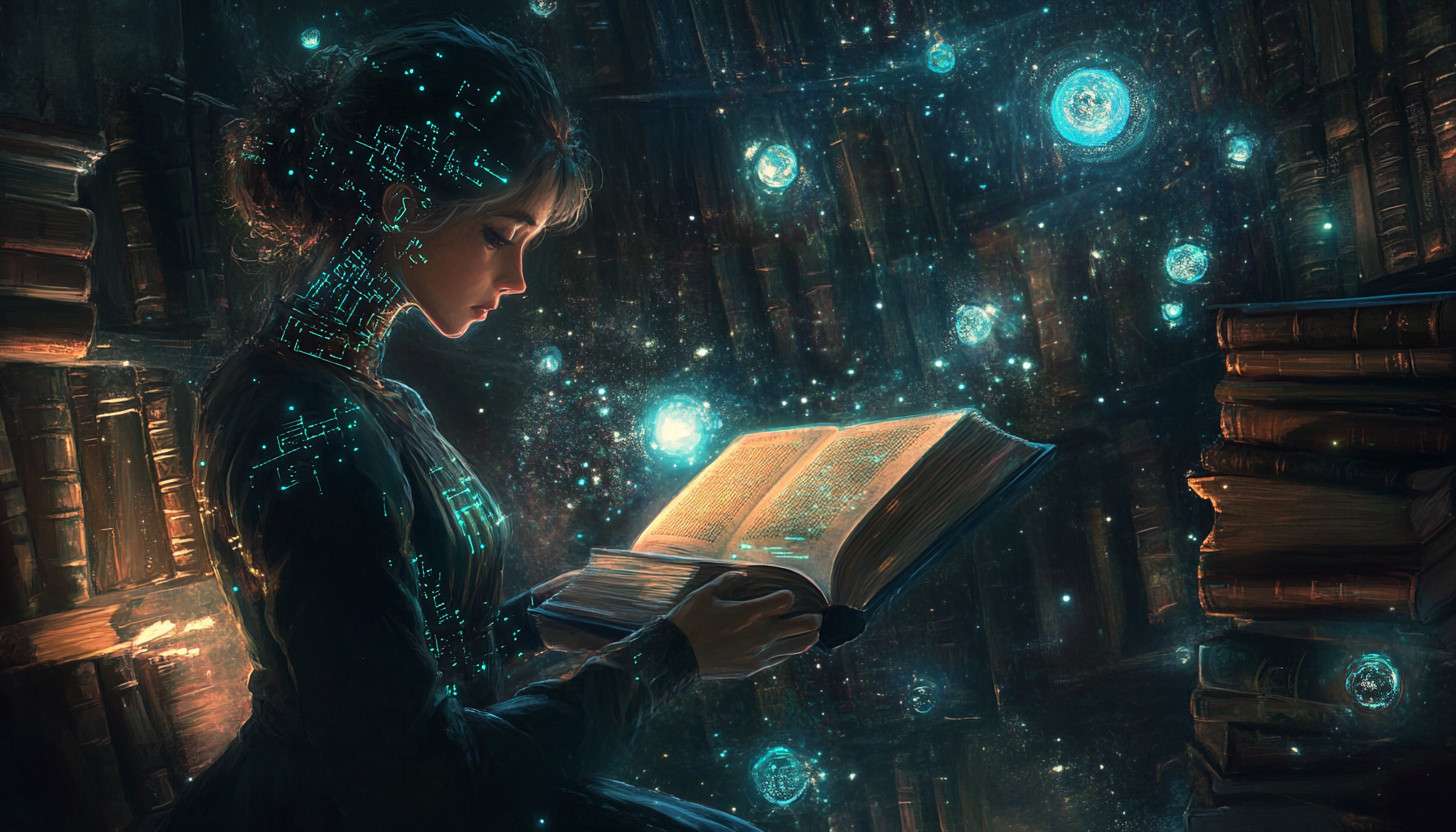
The debate between AI and human critics in literature is gaining traction as technology evolves, with many experts now exploring various best AI tools directory listings to compare their analytical capabilities. As technology evolves, the question arises: can AI literary analysis truly rival the insights of human critics?
Understanding literary interpretation has never been more crucial in our digital age, especially with the emergence of sophisticated book writing AI systems that challenge traditional approaches.
This article will explore the strengths and limitations of both approaches to determine who understands literature better.
The Rise of AI in Literary Analysis
AI literary analysis has evolved significantly over the past few decades. Initially, AI's foray into literature began with basic text processing and keyword analysis. As technology advanced, machine learning techniques emerged, enabling AI to understand patterns and structures within narratives more deeply, similar to how best novel writing tools analyze textual elements to suggest improvements.
Key methodologies in AI literary analysis include natural language processing (NLP) and sentiment analysis. NLP allows AI to parse texts and derive meaning from language nuances. Sentiment analysis helps AI gauge emotions in stories, offering insights into the underlying themes and character dynamics.
Several tools have been developed that showcase the potential of AI in literary critique. For instance, tools like Literary Lab and Google’s Natural Language API analyze narrative styles and themes across various texts. These tools provide valuable data-driven insights, allowing critics to explore storytelling techniques that might be overlooked in traditional analyses.
Strengths of AI Literary Analysis
AI in literature offers remarkable data processing capabilities that complement modern writing assistance software designed to enhance author productivity. These systems can analyze vast amounts of text within seconds, a task that would take human critics hours or even days. For instance, an AI can scan the entire works of Shakespeare and identify recurring themes, styles, and patterns much faster than any individual could.
Another significant advantage of AI in literary criticism is its objectivity in interpretation. Unlike human critics, who may have personal biases based on their experiences or preferences, AI evaluates texts based solely on data. This minimizes the influence of subjective opinions, allowing for a more neutral analysis of literary works.
Furthermore, AI ensures consistency in evaluations across multiple texts. When analyzing a series of novels or poems, AI maintains the same criteria throughout its assessments. This leads to uniformity in how different pieces are critiqued, making it easier to compare works in a systematic way that human critics might struggle to achieve consistently.
Limitations of AI in Understanding Literature
AI literary analysis has several limitations that hinder its ability to fully grasp the nuances of literature, despite advances in AI book formatting techniques that have improved presentation aspects. One significant drawback is the lack of emotional depth and empathy in its interpretations.
For example, while an AI can analyze the structure of a poem, it may miss the poignant feelings conveyed by the poet. This absence of emotional resonance means that AI might overlook the very essence that makes literature impactful.
Another challenge for AI in literary analysis is its struggle with cultural and historical contexts. Literature is often deeply intertwined with the society and time in which it was created.
An AI might analyze the text's language but fail to understand the societal issues reflected in a novel like "To Kill a Mockingbird." Such contexts are essential for appreciating the complexities within a work, which AI cannot fully comprehend.
Furthermore, AI faces difficulties in recognizing subtext, irony, and metaphor. These elements are crucial for understanding character motivations and thematic depth.
For instance, in Shakespeare's plays, irony plays a key role in developing plot twists. An AI might misinterpret these layers, leading to a superficial analysis that fails to capture the richness of the text. This limitation highlights the challenges AI encounters when attempting to engage with literature on a deeper level.
The Role of Human Critics
Human critics play a vital role in literature due to their subjective experience and emotional intelligence, often employing digital marketing strategies to effectively communicate their analyses to diverse audiences. They bring personal insights that can deepen understanding of a text. This emotional connection allows them to resonate with characters and themes in ways that AI cannot replicate.
Moreover, human intuition is crucial when interpreting complex themes and character motivations. For example, a critic might analyze a protagonist's struggle with identity in a novel and relate it to broader societal issues. Such nuanced interpretations reflect the depth of human experience that informs literary critique.
Additionally, human critics offer diverse perspectives shaped by cultural and contextual knowledge. Their backgrounds influence how they perceive literature, enriching discussions around a work. This comparative analysis enables readers to appreciate different viewpoints, fostering a more profound appreciation of creativity in writing.
In summary, the role of human critics is indispensable in literature. Their ability to connect emotionally, intuitively interpret themes, and provide diverse perspectives enhances our understanding of texts. As we explore the intersection of AI and human criticism, it becomes clear that the human touch remains essential in literary analysis.
Strengths of Human Literary Critique
Human critics possess a unique ability to connect literature to personal and societal narratives, something that automated storytelling systems still struggle to achieve authentically. They interpret texts through the lens of their experiences and cultural backgrounds. This connection often leads to richer discussions about themes such as identity, justice, and human emotion that resonate with readers on a deeper level.
Moreover, human critics have expertise in various literary theories and styles. They can analyze works through different frameworks, such as feminism, post-colonialism, or existentialism. This versatility allows them to uncover layers of meaning that AI literary analysis might miss due to its focus on data-driven metrics.
Additionally, human critics engage actively with reader responses and community discussions. They consider how different audiences react to literature, enriching their critiques with diverse perspectives. This engagement fosters a dynamic dialogue about texts that AI literary analysis cannot replicate, as it lacks the capacity for emotional resonance and social interaction.
In essence, the strengths of human literary critique lie in its ability to weave personal insights, theoretical knowledge, and community engagement. These elements create a holistic understanding of literature that remains unmatched by AI literary analysis. As literature continues to evolve, human critics will play a crucial role in interpreting its complexities.
Limitations of Human Criticism
Human critics bring unique perspectives to literature, but they also face significant limitations when compared to the consistent analysis provided by best scriptwriting software programs. One major issue is the potential for bias, which can stem from personal experiences and preferences.
For instance, a critic who has faced hardship may interpret a character's struggles through a lens of empathy, while another may focus solely on the narrative's technical aspects. This subjectivity can skew interpretations and lead to critiques that may not resonate universally.
Another limitation is the variability in interpretations among human critics. Two critics may read the same novel and come away with entirely different conclusions.
For example, one critic might emphasize themes of redemption, while another sees only despair. Such inconsistencies can create confusion for readers seeking clarity about a text’s meaning, demonstrating how human interpretations can be far from uniform.
Additionally, the time-consuming nature of thorough literary analysis cannot be overlooked. Crafting a comprehensive critique often requires extensive reading and reflection, which can be daunting. Critics may spend weeks or even months analyzing a single work, risking the relevance of their insights as new literary trends emerge.
This prolonged process contrasts sharply with AI's rapid analysis capabilities, highlighting a fundamental difference in the pace at which human critics operate.
While human critics provide valuable insights into literature, their limitations present challenges. Bias and variability can cloud interpretations, making it difficult to reach consensus. Moreover, the time-intensive nature of human analysis can hinder timely engagement with new works, leading to an ongoing debate about the efficacy of human versus AI literary criticism.
Case Studies: AI vs. Human Critiques
Recent comparisons between AI literary analysis and human critiques have highlighted significant differences in interpretation. For example, when analyzing Virginia Woolf's "To the Lighthouse," an AI model might focus on structural elements and thematic motifs.
In contrast, human critics often explore the emotional depth and psychological nuances that shape characters’ experiences. This divergence underscores the varying approaches to literary interpretation.
Insights from literary scholars reveal that AI-generated analyses can sometimes miss critical subtext. Scholars note that while AI literary analysis may accurately identify patterns in language, it lacks the capacity to engage with the emotional resonance of the text.
For instance, human critics might delve into Woolf's exploration of time and memory, providing context that AI fails to grasp. This highlights the limitations of relying solely on AI for comprehensive literary critique.
Notable discrepancies also emerge when examining poetry. An AI tool tasked with analyzing Robert Frost's "The Road Not Taken" may identify rhyme schemes and formal elements.
However, it might overlook the philosophical implications of choice and regret that human critics emphasize. Such differences illustrate the strengths and weaknesses of both AI and human critiques, showcasing how each contributes uniquely to our understanding of literature.
Case studies comparing AI literary analysis with human critiques reveal a rich landscape of interpretation. While AI offers valuable insights through data-driven analysis, it cannot fully replicate the emotional intelligence of human critics. This ongoing dialogue between AI and human perspectives enriches the literary conversation and prompts us to consider the complexities of understanding literature.
In Summary: The Future of Literary Critique
The debate between AI literary analysis and human critics highlights both strengths and limitations. AI excels in processing data and providing objective insights, while human critics offer emotional depth and cultural understanding. Both approaches have unique advantages, but they also face significant challenges in fully grasping the complexities of literature.
Ultimately, the question remains: can machines truly understand literature? As we explore the capabilities of AI literary analysis, it's essential to reflect on our own perspectives regarding the value of human intuition and experience. We encourage readers to think critically about how these two forms of critique can coexist and enrich our understanding of literature.
Related Articles
Is Character AI Generative AI? How It Works and What It Creates
Is Character AI generative AI? Yes. It creates original text responses from your prompts, conversation context, and patterns learned during training. Instead…
Read more
I for One Welcome Our AI Overlords: Meaning, Origin, and AI Culture
“I for one welcome our AI overlords” sounds like a joke because it is one—usually. The phrase signals ironic enthusiasm, reluctant acceptance, or humorous su…
Read more
What Are AI Skills? Essential Abilities for Today’s Workplace and Business
If you’ve wondered, what are AI skills, the answer goes beyond coding or building robots. AI skills are the practical abilities to understand what AI can do,…
Read more