
Can Detection Keep Up With Fake Images?
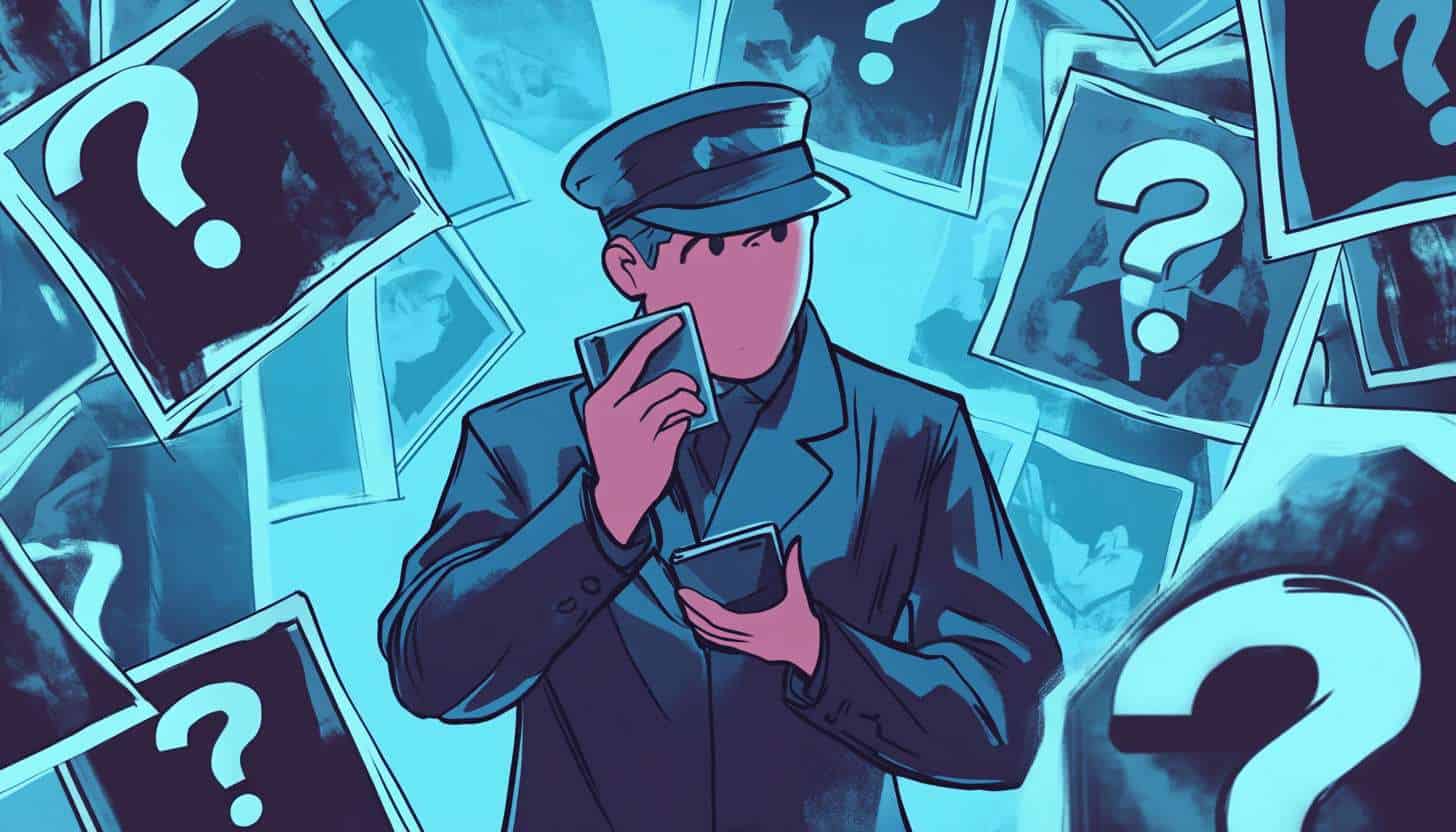

Artificial intelligence has made stunning advances in recent years in AI writing generators, especially in generating incredibly realistic images. These AI-generated visuals can be so lifelike that it's hard to tell them apart from real photos. This brings both excitement and concern. Because while creative possibilities expand, so do opportunities for misuse.
Deepfakes are a prime example of these concerns. They use AI to create fake images or videos that seem genuine but are completely fabricated. Such technology can spread misinformation quickly, leading to trust issues and potential harm in society. So, how do we keep the truth intact?
The battle between generative AI and detection tools might hold the key. As generative AI becomes more sophisticated, detection methods must evolve at the same pace. Understanding this arms race is essential for combating the widespread issue of fake images. Let's explore how both sides push each other toward continuous improvement.
The Advance of Generative AI
Modern generative AI tools like Stable Diffusion, DrawThis.ai, and Midjourney have made significant strides in creating hyper-realistic images. These tools use complex algorithms to generate visuals that can be nearly impossible to tell apart from real photos. They create everything from everyday scenes to fantastical landscapes with remarkable detail. The advancement in these technologies means that anyone with access can produce high-quality fake images.
One key feature of the best AI tools is their ability to perfectly mimic lighting, shadows, and textures, making the artificial images highly believable. It is not just amateurs who use these tools; artists and designers also find new skills in crafting digital art that push the boundaries of creativity. However, this new capability also poses a threat when misused maliciously.
Recent advancements make these systems even more sophisticated. For instance, some AIs now understand the context better, allowing them to insert objects seamlessly into existing photos or even generate entirely new scenes based on textual descriptions. The pace at which these improvements are happening shows no sign of slowing down. As technology evolves, it will continue to blur the lines between real and fake.
These trends indicate expanding accessibility and user-friendliness in generative AI technology. People no longer need specialized knowledge to create stunning visuals; intuitive interfaces now do much of the heavy lifting. While this democratizes artistic creation, it simultaneously raises concerns about the potential misuse of such powerful tools in spreading misinformation and propaganda.
The Role of Detection Tools
AI-powered detection tools are our frontline defense against fake images. These tools use advanced algorithms to spot inconsistencies, anomalies, and patterns that suggest manipulation. They dive deep into the pixel level, scanning for subtle discrepancies that human eyes might miss. For instance, an AI tool might notice slight variations in lighting or shadow directions that don't match the rest of an image.
These detection systems rely on machine learning models trained on vast datasets of both real and synthetic images. They become adept at identifying fakes by learning what genuine photos look like. Some detection methods also flag images with altered metadata, which can signal tampering. Others evaluate compression artifacts—tiny distortions that occur when images are saved—that can reveal digital edits.
However, these tools have limitations. Generative AI is rapidly advancing, producing more realistic images each day, making it harder for detection systems to keep pace. Sometimes, even the best algorithms struggle with new techniques used by generative AI to evade detection. Additionally, false positives remain a challenge—detecting modifications where none exist—undermining user trust in these tools.
Despite progress, detection technology faces significant hurdles. Detectors must continuously adapt and evolve as generative models improve and find new ways to bypass scrutiny. The complexity of deceptions grows along with technological advancements in generating fake content. Hence, while current tools provide essential defenses, they need ongoing enhancement to remain effective in this cat-and-mouse high-stakes game.
The Arms Race
Generative AI and detection tools have a dynamic, almost symbiotic relationship. The need for stronger detection tools grows as generative AI becomes more advanced. This push-and-pull creates a constant cycle of innovation. For instance, when tools began creating ultra-realistic images, detection tools had to quickly adapt to identify tiny inconsistencies that hinted at image manipulation.
Every advancement in generative AI forces detection developers to think two steps ahead. When AI started producing fake images and deepfake videos with realistic voice synthesis, it was clear that new strategies were necessary for reliable detection. Developers turned to machine learning algorithms that could scan thousands of data points per second, hunting for anomalies invisible to the human eye.
This technological tug-of-war suggests an endless cycle of advancements. As we develop better ways to detect fakes, generative models evolve and become more challenging to spot. It’s like an ongoing chess match where both sides refine their moves. This might seem daunting but also drives significant technological progress in both fields.
The potential for this never-ending cycle raises important questions about our ability to maintain trust in digital content. While it fuels rapid technological growth, it also requires constant vigilance. Remember, this is how cyber scammers use AI to fool you. The race between creating and detecting fake images will likely continue for years, pushing the boundaries of what these systems can achieve.
Challenges and Future Directions
Generative AI and detection tools each face their own set of challenges. Generative AI tools are now so advanced that they can produce images nearly impossible to distinguish from real photographs. This limits the effectiveness of detection methods, which must constantly evolve to catch up with these improvements. On the other hand, even the most sophisticated detection algorithms struggle with subtle manipulations, especially when dealing with high-quality deepfakes designed to deceive.
One potential solution is digital watermarking. We could easily track and identify them by embedding a unique signature in AI-generated images. Another approach involves attaching detailed metadata to files, making it harder for fake images to pass as genuine without the correct hidden data. However, both methods have downsides because savvy manipulators might find ways around these protections. This is where human expertise becomes crucial; skilled professionals can often detect inconsistencies that automated systems miss.
Ethical implications also loom large in this arena. Misusing generative AI raises serious concerns about trust and authenticity in media. Fake images can damage reputations, manipulate public opinion, and spread misinformation unprecedentedly. Therefore, responsible development and use become essential. Developers must prioritize ethical guidelines when creating these technologies, ensuring they don't contribute to societal harm.
We need a multifaceted approach combining technological solutions, regulatory policies, and public education. Encouraging transparency among developers and fostering collaborations between technologists and policymakers could pave the way for safer implementation of generative AI. Meanwhile, educating the public on critically evaluating visual content can empower individuals to responsibly navigate an increasingly complex media landscape.
Looking Ahead: The Future of AI and Fake Images
Generative AI tools are quickly improving their ability to create lifelike images. While these tools can be amazing for creativity, they also raise concerns about fake images spreading misinformation. Detection tools work to spot these fakes by looking for signs that an image has been altered.
The battle between generative AI and detection tools is like a game of cat and mouse. As one improves, the other must catch up. Both sides will keep advancing. This ongoing race is crucial in ensuring we can trust what we see online.
In the future, we might rely on new methods like watermarking and metadata to help detect fake images. Human expertise will also remain important in this fight. Ethical use of these technologies will be key as they continue to develop. We hope to maintain the integrity of digital content only by staying ahead of the curve.
Related Articles

Industrial AI: Applications, Benefits, and Real-World Challenges Explained
Imagine a production line that pauses for maintenance before a motor fails—not after sparks fly and orders pile up. That is industrial AI in action: using ma…
Read more
AI for Engineers: 9 Practical Ways to Improve Daily Workflows
AI for engineers is less about handing over the controls and more about removing friction from the workday. Used well, AI can summarize technical discussions…
Read more
AI Architecture Diagram: Key Components and How to Read Them
A business owner opens an AI architecture diagram and sees boxes labeled “model,” “API,” “database,” and “workflow.” It looks a little like a subway map desi…
Read more