
The Art of AI: Machine Learning for Artists
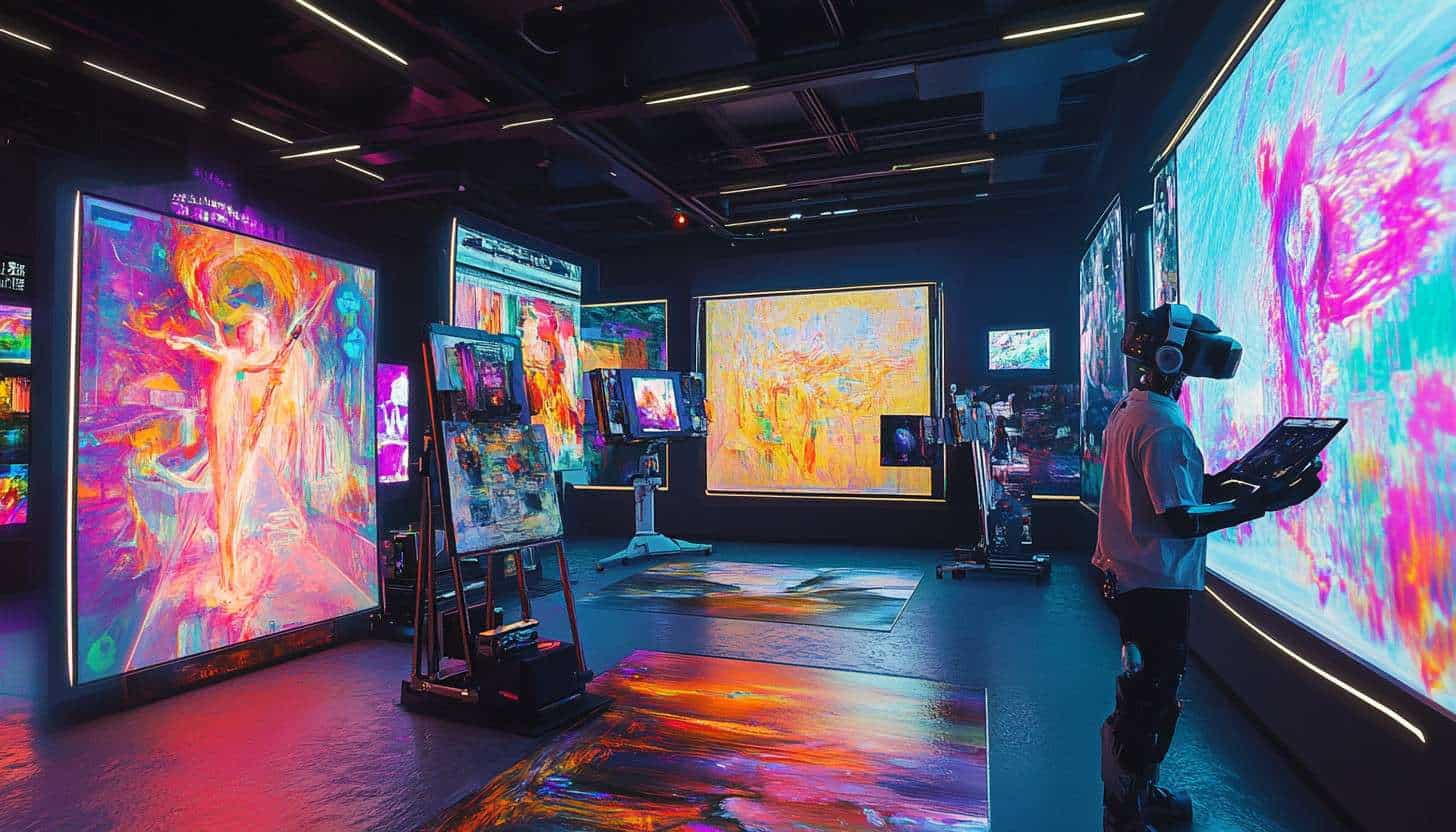
Technology and art are blending like never before, creating exciting new possibilities for creators. In this landscape, machine learning for artists stands out as a transformative tool that redefines how we approach creativity.
The emergence of machine learning for artists opens doors to innovative forms of expression such as generative art. This intersection promises to reshape digital art movements and encourages artists to explore the vibrant relationship between algorithms and imagination.
Join us on this journey to discover how machine learning can elevate your artistic practice.
Understanding Machine Learning
Machine learning is a subset of artificial intelligence that enables computer systems to learn from data. It uses algorithms to identify patterns and make predictions based on the information fed into them. Essentially, machine learning for artists opens up exciting new avenues for creativity and problem-solving.
There are several types of machine learning relevant to creators today. Supervised learning requires labeled data, allowing the model to learn from examples. On the other hand, unsupervised learning explores patterns in unlabelled datasets, which can be particularly useful for generating unique NFT creations or understanding trends in art styles.
Data plays a crucial role in training AI models, as it determines the quality of outputs produced by these systems. High-quality data allows for better pattern recognition and more accurate predictions in artistic processes. As artists tap into AI in art, they must also consider how diverse datasets contribute to richer artistic expressions and more inclusive representations within their work.
Machine Learning in Digital Art Movements
Generative art represents a significant evolution in contemporary creativity. This form of art uses algorithms and machine learning to create visual content that evolves over time or reacts to external inputs. Pioneering digital artists are experimenting with these technologies, allowing them to explore new horizons in artistic expression by creating complex works that change with continuous data feedback.
The rise of Non-Fungible Tokens (NFTs) has provided a new platform for artists leveraging machine learning techniques. NFTs have transformed the way digital artworks are sold and owned, offering proof of authenticity through blockchain technology. Machine learning plays an essential role by generating unique pieces that can be tokenized as NFTs, thereby elevating their perceived value within the market and encouraging more artists to dive into this innovative space.
As the integration of machine learning expands across digital platforms, it inspires a new wave of artistic exploration. More artists are adopting AI tools to push boundaries and redefine what constitutes creativity today. Their work illustrates how technology, such as artificial intelligence in graphic design, can complement human imagination, fostering collaborations between pioneering digital artists and artificial intelligence that promise exciting developments for the future of art.
The Impact on Traditional Definitions of Creativity
Machine learning challenges conventional notions of artistic authorship in profound ways. As AI tools generate works that mimic human creativity, artists often grapple with questions about ownership and authenticity. The line between a creator and a tool has blurred, leading to new dialogues about what it means to be an artist in the digital age.
One significant debate surrounds originality versus algorithmically generated content. Critics argue that machine-generated art lacks the personal touch inherent in traditional artworks. Supporters counter this view by asserting that these algorithms can encapsulate human intent, thereby redefining the creative process itself.
Perspectives within the art community vary widely. Some critics fear that reliance on machine learning diminishes the value of traditional skills honed over years. Conversely, advocates believe embracing these challenges to traditional art enriches their practices, allowing for innovative expressions and collaborations, especially as discussions explore why stunning graphics are key to marketing success in industries such as digital media and branding.
Furthermore, as artists engage with machine learning, they continually reshape their definition of creativity. This evolution echoes through various design disciplines as well, influencing concepts like generative design in architecture or fashion. For a comprehensive look at emerging technologies and resources shaping these conversations, explore this list of AI tools website to discover new possibilities and insights.
Practical Applications for Artists Today
Machine learning for artists is becoming more accessible thanks to various tools and software. Programs like RunwayML and DeepArt provide platforms where creators can experiment with AI-driven art without needing extensive technical knowledge. These applications allow artists to generate unique visuals, explore styles, and even manipulate existing artworks by applying machine learning techniques like those offered by DrawThis.ai, a platform specializing in image generation assistance.
Integrating machine learning into your workflow can be straightforward with a few tips. Start by identifying aspects of your creative process that could benefit from AI analysis or enhancement. For example, exploring the best AI image generation models can help you generate visually stunning compositions or refine your artwork through advanced machine learning techniques.
Numerous resources are available for artists who want to delve deeper into machine learning for artists. Online platforms such as Coursera and Udemy offer courses tailored for creatives keen on understanding the principles of AI in art. Additionally, YouTube channels dedicated to digital art often feature tutorials demonstrating how to utilize specific machine learning tools effectively.
Embracing these technologies does not just enhance your artistic toolkit; it also opens doors to a broader community of innovative thinkers. Engaging with online forums and attending workshops can further inspire you as you explore the transformative power of machine learning in the realm of art. By tapping into these practical applications, you’ll find that machine learning for artists is both an exciting journey and a valuable asset in today’s creative landscape.
Ethical Considerations in AI-Driven Art
As machine learning continues to reshape the art landscape, ethical considerations become paramount. One major concern is copyright issues surrounding AI-generated works. Additionally, the rise of AI image misinformation has sparked debates about the authenticity of visuals and their potential to mislead audiences, highlighting the need for transparency and accountability in the creative process.
Bias in AI models is another issue that can impact art by reflecting limited cultural perspectives. This raises concerns about representation and diversity. Tools like Grok-2’s AI image generator have faced criticism for reinforcing such biases, sparking discussions about ethical standards in AI-driven creativity and the need for inclusivity in algorithmic development.
Organizations advocate for responsible tech use, stressing the importance of transparency in algorithm development. These discussions prompt artists to consider the ethical dimensions of their tools.
Collaboration among artists, technologists, and policymakers is essential for fostering equitable practices in machine learning. Engaging stakeholders will help ensure that AI-driven art respects originality and celebrates innovation moving forward.
Visualizing the Future: Trends Ahead in AI Artistry
Machine learning for artists is set to redefine the contours of art movements in ways we have yet to fully anticipate. Many experts predict that future art will increasingly incorporate machine learning technologies to create interactive and immersive experiences. These innovations will likely transform how audiences engage with art, making it more dynamic and participatory.
Emerging technologies such as augmented reality (AR) and virtual reality (VR) will play a significant role alongside machine learning for artists. For instance, artists might use machine learning algorithms to generate unique visual elements that can be experienced within an AR environment. This could lead to artworks that change in response to viewer interactions, thus blurring the lines between digital and physical spaces.
Collaboration between technologists and artists is another exciting aspect of this evolution. As machine learning becomes more sophisticated, partnerships will emerge where artists work alongside AI developers to push creative boundaries. Combining artistic vision with technical expertise will open new avenues for innovative projects and could lead to groundbreaking exhibitions or digital installations.
The integration of machine learning for artists heralds a transformative era for artistic expression. Visionaries are already exploring these potentials, setting the stage for a future rich in collaborative possibilities and novel artistic forms. The journey promises to be as inspiring as it is unpredictable, inviting all creatives to participate in this unfolding story.
Embracing the Future of Art
Machine learning for artists represents a revolution in the digital art world. This technology is reshaping how artists create and think about their work, providing limitless possibilities for creativity. As machine learning for artists continues to evolve, it opens new doors for exploration and innovation within the art community.
Creatives are encouraged to embrace these advancements with an open mind and heart. Machine learning for artists is not just a tool; it is a partner in the creative process. Staying inspired amidst rapid technological changes will ensure that artists thrive and contribute meaningfully to this exciting era of digital artistry.
Related Articles
Unlock Your Creativity: Top AI-Powered Design Tools for Marketers
In a world where attention spans are shorter than a TikTok video, the need for creativity in marketing and design is more crucial than ever. Enter AI-powered…
Read more
Create a Flyer with AI: Step-by-Step Guide for Marketers
Creating a flyer with AI has become a game-changer for marketers and business owners alike. Imagine having a design assistant that never tires, always knows …
Read more
Are Your Animated Graphics for Social Media Working?
Animated graphics can transform your social media performance. Learn how to use them effectively to increase engagement, visibility, and impact.
Read more