
Canva Acquires Affinity – A Shakeup in Design Software
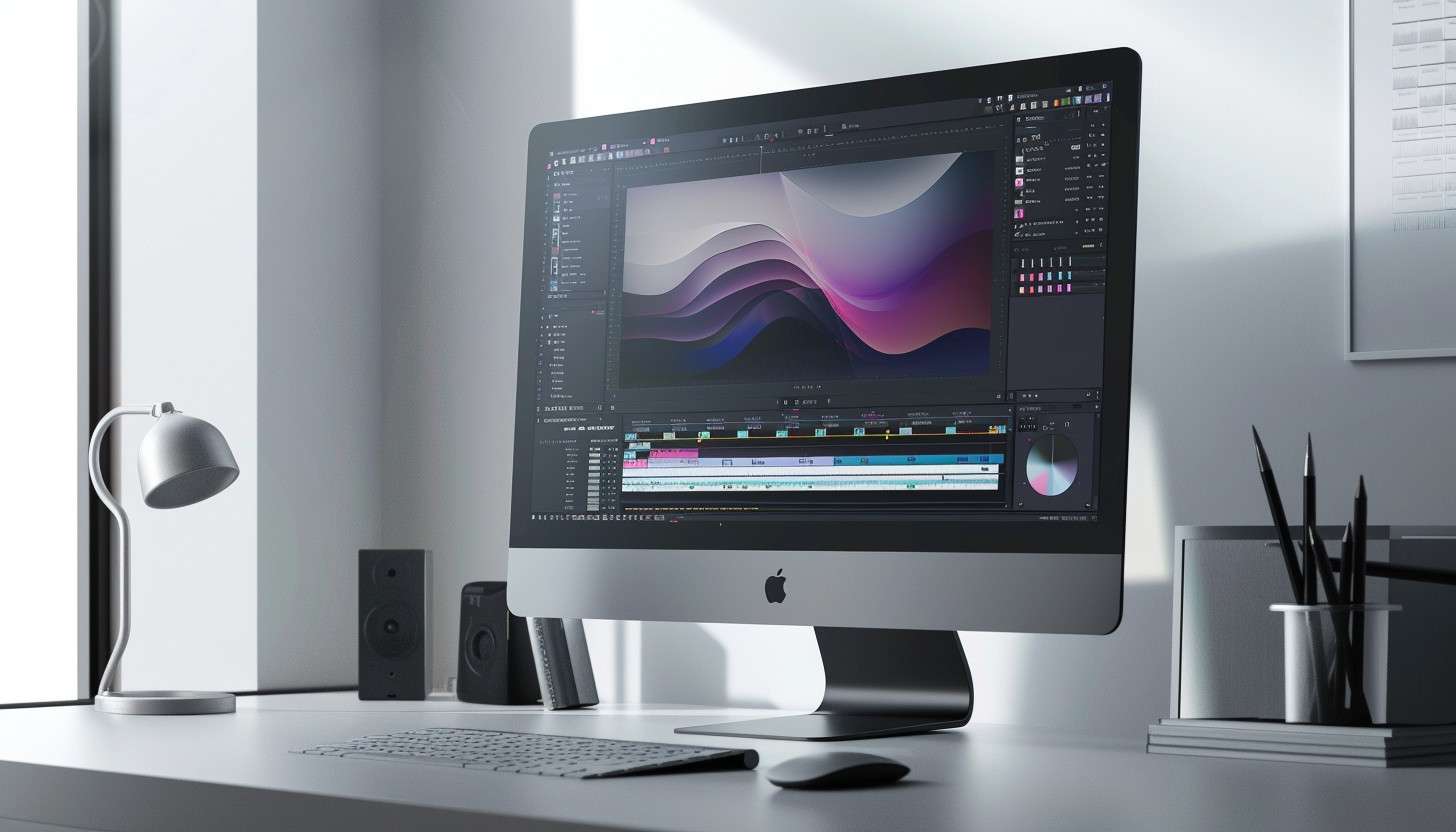

In a creative and innovative industry, Canva and Affinity stand out by changing how we use design software. Canva's simple interface makes design easy for beginners, and Affinity appeals to professionals who want detailed and flexible design tools. Both platforms have earned praise for making design accessible to amateurs and experts.
Canva's recent purchase of Affinity is a big deal in digital art, graphic design, and photo editing. By combining Canva's easy-to-use design tools with Affinity's advanced features under one roof, this merger might bring about new and exciting changes in creative software. This merger is making waves in the industry, with many people guessing what innovations could come next.
Exploring this story is essential for designers, tech fans, and anyone interested in how technology changes how we see things. It's a story full of potential, not just about colors and images but big ideas that could change our digital world. We'll show you this unique blend, a story where every detail is designed to grab your attention and make you think about the future of design software.
The Giants of Design: Canva and Affinity
Canva is famous for being easy to use. It has made graphic design accessible to millions worldwide and even introduced an AI writing generator. It has over 60 million monthly users, including beginners and experienced marketers. The platform provides many templates and easy drag-and-drop features that simplify designing. This ease of use has made Canva popular for people who want to create designs easily without learning complicated tools.
Affinity has become popular with professional designers who need precise and advanced tools. Serif Labs supports Affinity's suite, which includes Photo, Designer, and Publisher. These tools are praised for being as powerful as Adobe's but without a subscription, making them a favorite for professionals who want top performance on computers and tablets. Affinity focuses on meeting these professionals' high standards, making it stand out in the market and attracting loyal users who value complex design work.
These two big companies' joining forces show exciting changes in the world of digital design software. It's not just a simple buyout; it's wise to combine accessible and complex features to serve everyone, from beginners to expert professionals. This merger could change how things work in the industry, setting new standards and encouraging innovation.
A Strategic Move Unveiled
On March 26, 2024, the design and publishing world witnessed a significant shift when Canva officially announced its acquisition of Affinity, a renowned graphic design software suite known for being a potent rival to Adobe Creative Cloud. This bold move by Canva wasn't just about expanding its empire; it was a calculated strategy to solidify its position in the competitive landscape of digital design tools. By integrating Affinity's advanced capabilities into its existing portfolio, Canva aims to enhance its richness and versatility and sets the stage to compete more aggressively with giants like Adobe.
Canva's decision showcases an ambitious pursuit to redefine what an all-in-one platform can offer modern designers—from novices needing simple drag-and-drop tools to seasoned professionals seeking sophisticated vector editing features. The acquisition reflects a keen understanding of two emerging trends: first, user demands increasingly lean towards seamless integrations between different aspects of design work; second, there is a growing demand for more accessible yet powerful tools that do not sacrifice functionality for ease of use.
In essence, this move indicates Canva’s commitment to bridging gaps—whether it’s democratizing design accessibility or offering comprehensive solutions that span both casual and professional creative needs—reimagining how creativity is harnessed in the digital age.
The Designer's Toolkit
After Canva bought Affinity, the design world is buzzing with excitement. This big step shows a change in business partnerships and promises designers more tools for their work. Combining Canva's easy-to-use features with Affinity's detailed editing and vector graphics could give new and experienced designers a complete set of tools to work more smoothly and effectively on their projects.
Underneath the exciting promise, there's a lot of uncertainty about how this merger will combine two very different pricing methods: Affinity's one-time payment and Canva's free basic features with paid premium options. This difference makes people wonder about the cost and access in the future. Will users keep their current plans, or will they need to adjust their budgets if the platforms merge into one subscription model? As people guess what will happen, the companies must be transparent about pricing changes to keep the design community's trust.
The Future of Design
Canva and Affinity have made exciting promises about their future after being bought. These promises calm any worries about stopping progress and make people curious about how they will combine their tech strengths. Looking at all the possible changes, we wonder how Canva's easy-to-use design will mix with Affinity's advanced features. This combination might change how we think about easy access and powerful features in digital design tools.
The finalized deal means more than just a business agreement; it marks the beginning of a time when Affinity's technology could easily blend with Canva, possibly introducing new features that push creativity to higher levels. Imagine if handling complex graphics or processing images became as easy as dragging and dropping for beginners while offering the depth experts need. This partnership might make the platform better in a way that makes it hard to tell beginners from experts, making high-quality design accessible to everyone like never before.
People are excited about the possibility of improved AI design helpers or a cloud system that combines the best of both Canva and Affinity as everyone waits to see what Canva and Affinity are working on together.
A New Era in Design
The acquisition marks a major change in the design software world. Working together and having easy access are keys to creativity. This step shows Canva's goal to lead the market and how designers change their work methods. Both platforms are easy to use and full of features. Their merge will make professional tools easier for everyone, helping beginners and experts.
Looking forward, we are at the edge of innovation where this combination could change industry standards, creating new goals for digital creation. Users can expect improved features, including advanced vector tools from Affinity and Canva's easy drag-and-drop design elements, in an environment where creativity is unlimited. Also, with plans to add artificial intelligence for easier design experiences, we're only seeing the beginning. The future holds exciting possibilities, from new collaborative tools to workflows that better meet designers' needs.
This partnership invites everyone, from hobbyists to professional creators, to think differently about how we use design technology. This acquisition is more than just combining software; it's about focusing on users' needs. It changes how we make designs and what it means to be a creator today.
Evaluating Insider and Consumer Reactions
Design experts are closely watching this merger, thinking it could make work smoother and bring in new, exciting features that could change how design software is used. Some people in the industry are happy about the merger because they believe it could speed up the creation of better tools for skilled designers who want to work efficiently without losing their creative touch.
Some worry about one company controlling the market. They think this might prevent new ideas or raise subscription prices. Also, people are unsure if Affinity's features will work well with Canva's easy-to-use platform without losing their unique professional look, which attracts specific users. This mix of excitement and doubt shows how company buyouts can change technology in many ways.
By talking openly on forums and social media, we learn much about what users want: better features without losing quality or raising prices. Keeping up with these conversations shows us what might happen because of company decisions and highlights how important community feedback is in changing technology products.
Why This Move Matters to Creative Professionals
This merger combines Canva's easy-to-use design tools and extensive resource collection with Affinity's advanced tools, which experts love. This means designers can work more efficiently and creatively without giving up anything.
Graphic design used to be hard to get into because the software was complicated and took a lot of time and effort to learn. Canva made it easier for everyone, from beginners to experts, to design things by making their tools simple. However, some people think Canva is too simple and lacks advanced features. This is where Affinity comes in. It offers professional features but is still easy to use, like Canva, which could lead to new and creative designs.
Both Canva's announcement and Affinity's press release suggest exciting new features are coming, especially improved ways to work together on different platforms. They plan to make a system where users can easily switch between detailed technical work and more general creative tasks without leaving the app. This means we might soon see new, innovative ways of starting, working on, and finishing projects worldwide, which is thrilling for anyone interested in advancing digital arts.
This strategy helps both companies aim to lead the market and innovate to make complex graphic design easier to use. Whether you're a freelancer or leading projects in big companies, this improved toolkit could change what you can do when creativity meets flexibility.
Related Articles
Master Mobile Image Optimization for Stunning Visuals
In today’s digital landscape, mobile image optimization is more crucial than ever. With the majority of users accessing websites via their smartphones, op…
Read more
Smart AI Tools for Publishers You’ll Love
In today’s fast-paced digital landscape, the integration of AI tools for publishers has become essential. These innovative technologies, including solutio…
Read more
How Image Upscaling Software Enhances Digital Art
In the world of digital art, image upscaling software is revolutionizing how artists create and share their work. This technology allows creators to transform t…
Read more