
Celebrating AI Appreciation Day: Your Top AI Questions Answered
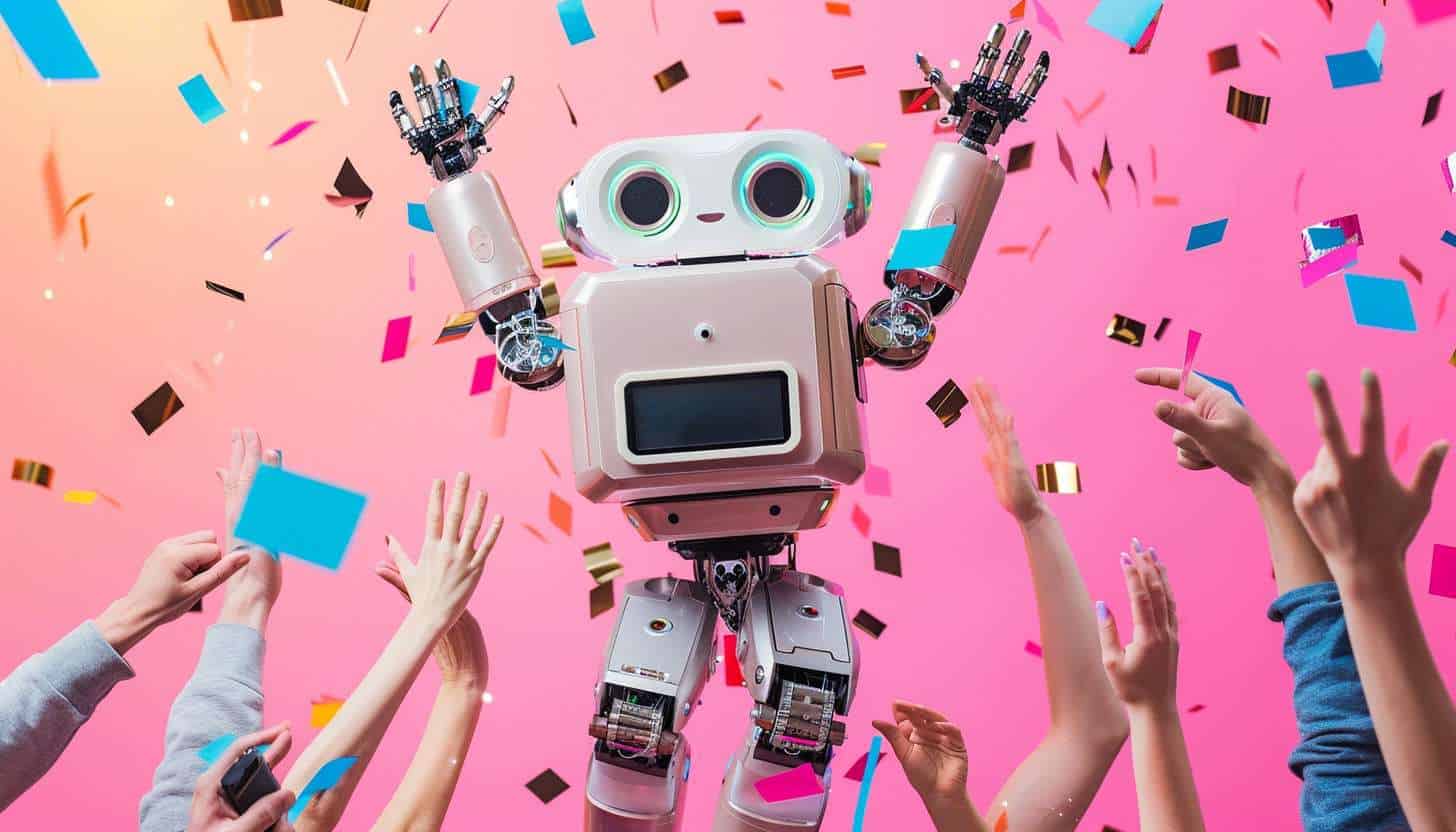

Every year on July 16, we celebrate AI Appreciation Day. This special day lets us think about how artificial intelligence (AI) improves our lives. From making daily tasks easier to solving complex problems, AI has become a helpful part of modern life.
The benefits of AI are wide-ranging. It can quickly sort through large amounts of data, help make better decisions, and even handle routine tasks so we have more time for creative projects. Whether it's virtual assistants helping with our schedules or personalized recommendations for movies and products, AI quietly enhances our daily experiences.
In this article, we'll answer some common questions about AI. Is it really going to take over jobs? How safe is it? And what does the future hold for this fascinating technology? Keep reading to find out!
What is Artificial Intelligence (AI)?
Artificial Intelligence, or AI, is the ability of a computer or machine to think and learn. In simple words, it's when machines do tasks that usually need human intelligence. These can include things like understanding speech, playing games, or recognizing patterns in data. AI aims to make our devices smart enough to handle complex tasks without much human help.
There are different types of AI. One common type is machine learning. This is when computers learn from data to improve their performance over time on specific tasks. For instance, your email service uses machine learning to filter out spam messages based on what it has learned from past emails.
Another type is deep learning, a more advanced machine learning subset. Deep learning uses neural networks with many layers (much like the human brain) to analyze various forms of data, such as images and sounds. An example of deep learning at work would be facial recognition systems that identify people in photos or videos by analyzing patterns unique to each face.
There’s also natural language processing (NLP). This technology helps machines understand and respond to human language. Virtual assistants like Siri and Alexa use NLP to answer questions and perform tasks based on what you say. All these types form the foundation of the fascinating world of AI with which we interact daily.
How is AI used in everyday life?
Artificial Intelligence makes our lives easier in many ways, often behind the scenes. When you use your smartphone, it auto-corrects your messages or suggests words as you type; that's AI at work. AI assistants like WordHero, ChatGPT, and Gemini respond to your questions and perform tasks using AI. Even the spam filters in your email rely on AI to separate useful emails from junk.
Online shopping platforms also use AI to recommend products based on your browsing history and past purchases. Your favorite streaming services like Netflix and Spotify use algorithms to suggest movies, shows, or songs that fit your taste. These recommendations are all powered by complex AI systems analyzing massive amounts of data.
In transportation, apps like Google Maps or Waze use AI for real-time traffic updates and route optimization, helping you avoid jams and find the fastest way to get where you're going. Ride-sharing services such as Uber and Lyft depend on AI to match riders with drivers, predict demand, and set prices dynamically.
AI even helps keep us healthy through wearable devices that monitor physical activity, sleep patterns, and heart rates. Applications can analyze this data to provide personalized health insights or reminders. From simplifying daily tasks to enhancing entertainment choices and promoting better health, AI seamlessly integrates into our everyday routines.
Will AI take over my job?
It’s normal to worry about machines replacing human jobs. Many people fear that AI will lead to massive unemployment. While some tasks are becoming automated, it's also true that technology creates new opportunities. Consider the rise of tech companies like those in Silicon Valley; they didn't exist a few decades ago and have made millions of new jobs.
AI often takes over repetitive or dangerous tasks that humans might not want to do anyway. For example, factory robots perform the same task repeatedly without tiring out. This makes industrial work safer and allows people to focus on more creative and meaningful roles. Cybersecurity, data analysis, and AI ethics are growing fast and require human insight.
Additionally, businesses need skilled workers to develop, maintain, and improve AI systems. This is already leading to the demand for data scientists, machine learning engineers, and AI researchers. So, while some manual jobs may decline, many new tech-related positions are being created. It is important to develop skills that allow you to adapt and flourish alongside technological advances.
Is AI dangerous?
Many people worry about AI being dangerous. There are concerns about AI's safety and potential misuse. For instance, AI could be used in autonomous weapons or for mass surveillance, raising ethical questions. Moreover, there's the fear that highly intelligent AI systems might act unexpectedly if not adequately controlled.
To address these risks, researchers and developers are working on creating safeguards. For example, ensuring that AI is transparent helps us understand how it makes decisions. Another approach is building robust AI systems that can handle errors gracefully without causing harm. There are also ethical guidelines to govern the development and use of AI technology. Organizations like OpenAI focus specifically on developing safe and beneficial artificial intelligence.
Responsible development involves multiple stakeholders, including ethicists, policymakers, and technologists, to create a balanced approach to AI infrastructure. The goal is to ensure we benefit from AI while minimizing potential downsides. By building inclusive frameworks and continuous monitoring systems, we can steer the future of artificial intelligence toward positive outcomes for everyone.
What does the future hold for AI?
The potential of AI in various fields is vast. Through advanced image analysis, AI can help doctors diagnose diseases faster and more accurately in healthcare. It can predict patient outcomes and suggest personalized treatment plans. In transportation, self-driving cars use AI to navigate roads safely, which could reduce accidents caused by human error. Furthermore, in education, AI-powered tutoring systems offer personalized learning experiences for students, helping them understand complex concepts at their own pace.
AI also shows promise in environmental conservation. Drones equipped with AI can monitor deforestation and poaching activities in real-time. They provide vital data to researchers working on protecting endangered species and habitats. Meanwhile, AI algorithms are used in finance to detect fraudulent transactions within seconds, saving companies from potential losses and customers from identity theft.
Despite its impressive capabilities, AI's bright future hinges on collaboration between humans and machines. When humans work alongside intelligent systems, they can achieve more than alone. For example, while an AI might excel at analyzing vast amounts of data quickly, a human’s creativity and ethical reasoning remain irreplaceable. This synergy means we can look forward to a future where technology enhances human potential rather than replacing it.
So whether it's turning complex medical data into actionable insights or making our daily commute safer with autonomous vehicles, the future of AI looks promising when coupled with human ingenuity. As we continue down this path of innovation together, there's plenty to be optimistic about regarding what we will achieve with the help of artificial intelligence.
Wrapping Up AI Appreciation Day
We’ve covered a lot about artificial intelligence today. From what AI is to how it affects your job and safety, we've answered some of your top questions. AI helps us every day in many ways, like voice assistants and personalized recommendations. It's clear that while there are concerns, AI also brings many opportunities for growth and new possibilities.
Did you know the first working AI programs were written in the 1950s? Since then, AI has come a long way! If you're curious to learn more or have thoughts on AI, share them with friends or online communities. Don't forget to show appreciation to your favorite AI assistants, too!
Related Articles

Industrial AI: Applications, Benefits, and Real-World Challenges Explained
Imagine a production line that pauses for maintenance before a motor fails—not after sparks fly and orders pile up. That is industrial AI in action: using ma…
Read more
AI for Engineers: 9 Practical Ways to Improve Daily Workflows
AI for engineers is less about handing over the controls and more about removing friction from the workday. Used well, AI can summarize technical discussions…
Read more
AI Architecture Diagram: Key Components and How to Read Them
A business owner opens an AI architecture diagram and sees boxes labeled “model,” “API,” “database,” and “workflow.” It looks a little like a subway map desi…
Read more