
Color Your Mood: Emotional Impact of Colors
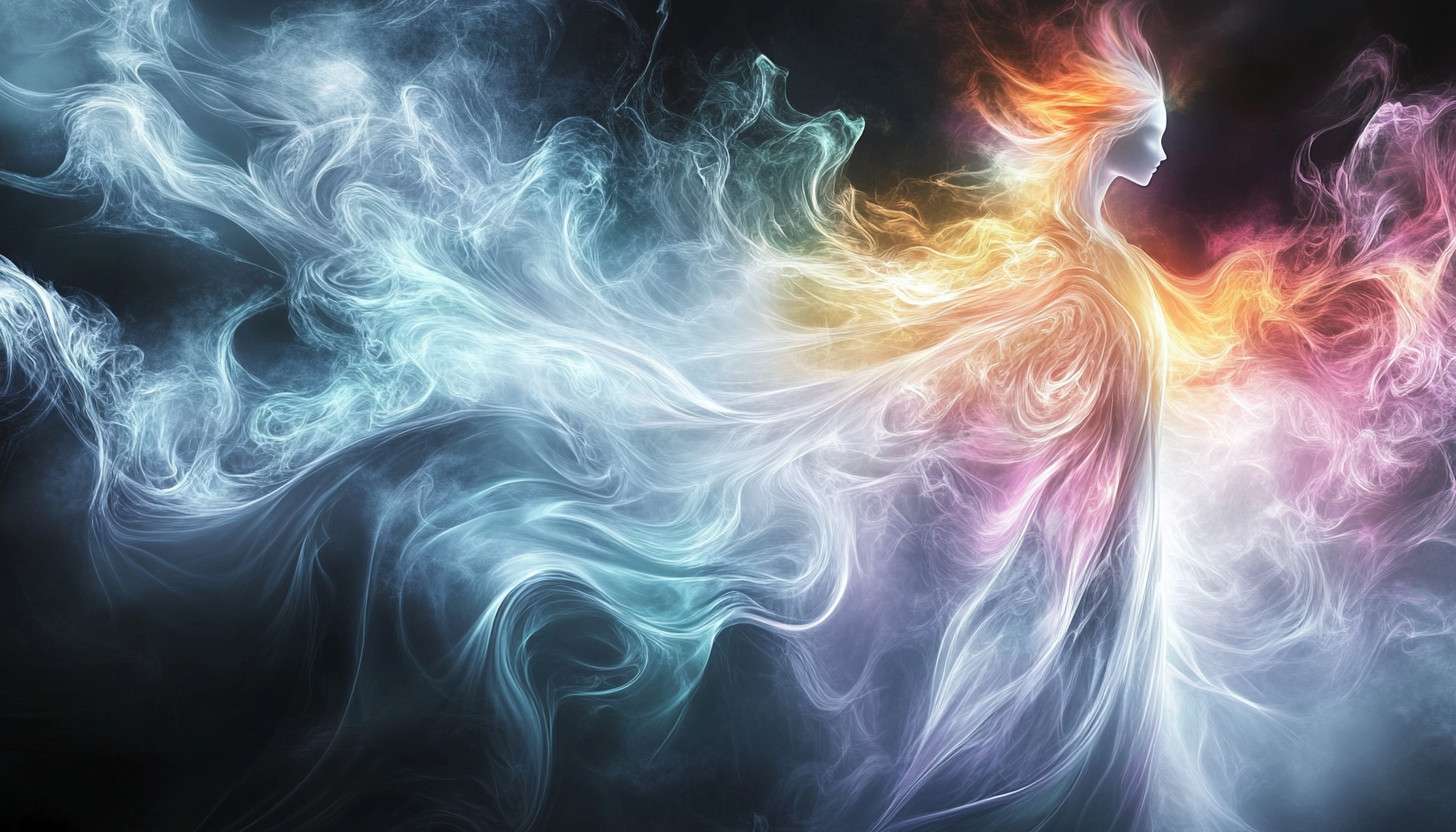
Color is more than just a visual experience; it profoundly influences our emotions and behaviors. Understanding the emotional impact of colors is essential for artists, designers, and anyone involved in creative fields, including those using best AI tools directory for their creative projects. Color theory provides a framework for exploring how different hues can evoke specific feelings.
By grasping color psychology, we can harness the emotional impact of colors to enhance our artistic expressions and design choices. This knowledge allows us to create spaces and artworks that resonate deeply with viewers, whether created traditionally or through an AI artwork generator.
The Psychology of Color
Colors play a significant role in influencing emotions and behaviors. The emotional impact of colors can shape our experiences, from the soothing blues of a calm ocean to the vibrant reds of an energetic sunset. This understanding is crucial for artists, designers, and homeowners who aim to create an emotional design that resonates with their audience.

Historically, different cultures have attributed unique meanings to various colors. For instance, in Western cultures, white often symbolizes purity and peace, while in Eastern cultures, it may represent mourning and loss. These cultural contexts highlight how the emotional impact of colors varies across societies, influencing artistic choices and design palettes throughout history, similar to how AI painting software interprets and applies color based on programmed parameters.
In addition to cultural significance, colors can elicit specific emotional responses based on personal experiences. Yellow is often associated with happiness and optimism, while gray may evoke feelings of sadness or neutrality. By considering these associations, creatives can intentionally select a color palette that enhances the desired mood in their work or environment.
Understanding the psychology of color allows artists and designers to create compelling pieces that resonate deeply with viewers. By harnessing the emotional impact of colors, they can evoke feelings and reactions that align with their artistic vision. This knowledge opens up new avenues for exploration in the world of color and design.
Warm Colors and Their Effects
Warm colors, including reds, oranges, and yellows, are known for their vibrant and energetic qualities. These colors are often associated with feelings of warmth, excitement, and passion. They can create immersive experiences that stimulate emotions and draw attention to art and design, much like the effects achieved through artificial intelligence visual effects in animation.
When people encounter warm colors, they frequently feel energized and uplifted. For instance, red can evoke feelings of love or urgency, while orange often inspires enthusiasm and creativity. Yellow, on the other hand, is linked to happiness and optimism, making it a popular choice for spaces meant to foster positivity.
In the world of art and design, warm colors play a crucial role in shaping viewers’ emotional responses. A painting featuring bold reds and oranges can convey a sense of movement and vitality, drawing the audience into an emotional experience. Similarly, interior designers often use warm colors in communal spaces to create inviting atmospheres that encourage social interaction.
Examples of warm colors can be found throughout various artistic movements and design styles. Impressionist painters like Claude Monet used warm hues to capture the essence of sunlight in their landscapes. In contemporary design, warm color palettes are frequently employed in restaurants and cafes to evoke a sense of comfort and vibrancy, enhancing the overall dining experience.
Cool Colors and Their Effects
Cool colors, including blues, greens, and purples, are known for their calming effects. These colors are often associated with tranquility and relaxation. The emotional impact of colors like blue can lower heart rates and promote feelings of peace, an effect that’s been enhanced through AI in historical photo colorization techniques that breathe new life into black and white images.

When it comes to emotional responses, cool colors typically evoke serenity and introspection. For instance, a soft blue might remind one of a clear sky, leading to feelings of openness and calmness. Similarly, greens, reminiscent of nature, can create a sense of balance and renewal in one’s mood.
In spatial design, cool colors play a vital role in creating serene spaces. They are often used in bedrooms or meditation areas to enhance relaxation. Artists and designers frequently utilize these colors to convey soothing emotions in their work, helping viewers feel at ease.
Overall, the use of cool colors can significantly influence mood enhancement. By incorporating these hues into art and design, creators can effectively shape emotional experiences. Understanding the calming effects of cool colors allows artists and designers to craft environments that foster peace and reflection.
The Role of Neutral Colors
Neutral colors play a crucial role in art and design. They include shades like whites, grays, and browns. These colors are often seen as a backdrop that allows other colors to shine, a principle commonly applied in automatic photo editing software to balance image composition.
Neutral colors can enhance the emotional impact of more vibrant hues. For example, a bright red can evoke excitement when placed against a soft gray. This contrast helps create a balanced visual storytelling experience that draws the viewer’s attention.
In design, neutral tones offer sophistication and elegance. They serve as a canvas for creative expression, allowing artists and designers to explore bold colors without overwhelming the viewer. By using neutrals effectively, one can achieve a harmonious blend that feels both inviting and refined.
Moreover, neutral colors can help maintain focus in various settings. In an interior space, they provide calmness while allowing colorful accents to stand out. This thoughtful use of neutrals can transform a room into a serene environment that fosters creativity and relaxation.
Color Combinations and Their Emotional Impact
Color combinations play a crucial role in creating visual harmony and contrast in design. When artists and designers select colors, they must consider how these colors interact with one another. The emotional impact of colors can be significantly altered by the way they are paired together, a principle that’s increasingly being fine-tuned through AI-based photo editing technologies.

For instance, combining warm colors like red and yellow can evoke feelings of excitement and energy. In contrast, a combination of blue and green often creates a sense of calm and tranquility. These emotional responses highlight the importance of understanding how different color combinations can shape the viewer’s experience.
Famous artworks illustrate the power of color combinations effectively. Van Gogh’s “Starry Night” showcases swirling blues contrasted with bright yellows, creating a sense of movement and emotion. Similarly, Matisse’s “The Dance” uses vibrant reds and greens to evoke feelings of joy and vitality. These case studies demonstrate the profound emotional impact of colors through thoughtful pairings.
By exploring color harmony and contrasts, artists and designers can leverage the emotional impact of colors to enhance their work. Understanding how various combinations affect emotions allows for more intentional design choices. Ultimately, experimenting with color pairings can lead to powerful artistic expressions that resonate deeply with viewers.
Practical Applications for Artists and Designers
Artists and designers can greatly benefit from incorporating color theory into their work. Understanding how colors shape emotions can elevate a piece from ordinary to extraordinary. For example, an artist may choose vibrant reds and yellows to evoke feelings of energy and excitement in a painting, a process now being enhanced through automated graphic design tools.
In interior design, the strategic use of color can transform a space. To enhance mood, designers often select calming blues and greens for bedrooms, creating a serene environment. Meanwhile, warm tones can invigorate living areas, making them more inviting and social.
To experiment with color choices, several tools and resources are available. Color wheel apps can help you visualize complementary colors and harmonious combinations. Additionally, online platforms offer color palette generators that allow artists and designers to play with various shades and tones before finalizing their projects.
Ultimately, understanding the emotional impact of colors empowers artists and designers. By applying these insights, they can create works that resonate deeply with viewers and users alike. Exploring color theory not only enhances artistic expression but also enriches the overall experience of those who engage with their creations.
Cultural Variations in Color Perception
Colors hold different meanings across cultures. The emotional impact of colors can vary widely depending on the cultural context. For instance, while white is often associated with purity and weddings in Western cultures, it symbolizes mourning and funerals in some Eastern cultures, like China and Japan.

Certain colors also carry specific cultural significance. In India, the color red is linked to love and prosperity, especially during wedding ceremonies.
Conversely, in South Africa, the same color can represent mourning and loss. These examples highlight how the emotional impact of colors is deeply rooted in cultural beliefs and practices.
Understanding these cultural variations is crucial for artists and designers. When creating art or designing spaces, one must consider the audience’s cultural background. A color that evokes joy in one culture might elicit discomfort or sadness in another, underscoring the importance of thoughtful color choices in art and design.
By exploring the emotional impact of colors within various cultural contexts, creators can better connect with their audience. This awareness enhances the effectiveness of their work and enriches the overall experience. Ultimately, a deeper understanding of cultural color perceptions fosters more meaningful artistic expression and design.
In Summary
The emotional impact of colors in art and design is profound and undeniable. Understanding how colors shape your emotions can enhance your creative projects and living spaces.
We encourage you to explore your own emotional connections to color. By doing so, you can discover how the emotional impact of colors can transform your artistic expression. Embrace the power of color to elevate your creative endeavors and connect with others on a deeper level.
Related Articles
Is Character AI Generative AI? How It Works and What It Creates
Is Character AI generative AI? Yes. It creates original text responses from your prompts, conversation context, and patterns learned during training. Instead…
Read more
I for One Welcome Our AI Overlords: Meaning, Origin, and AI Culture
“I for one welcome our AI overlords” sounds like a joke because it is one—usually. The phrase signals ironic enthusiasm, reluctant acceptance, or humorous su…
Read more
What Are AI Skills? Essential Abilities for Today’s Workplace and Business
If you’ve wondered, what are AI skills, the answer goes beyond coding or building robots. AI skills are the practical abilities to understand what AI can do,…
Read more