
Cultivating AI Leaders: A Look at Top University Programs
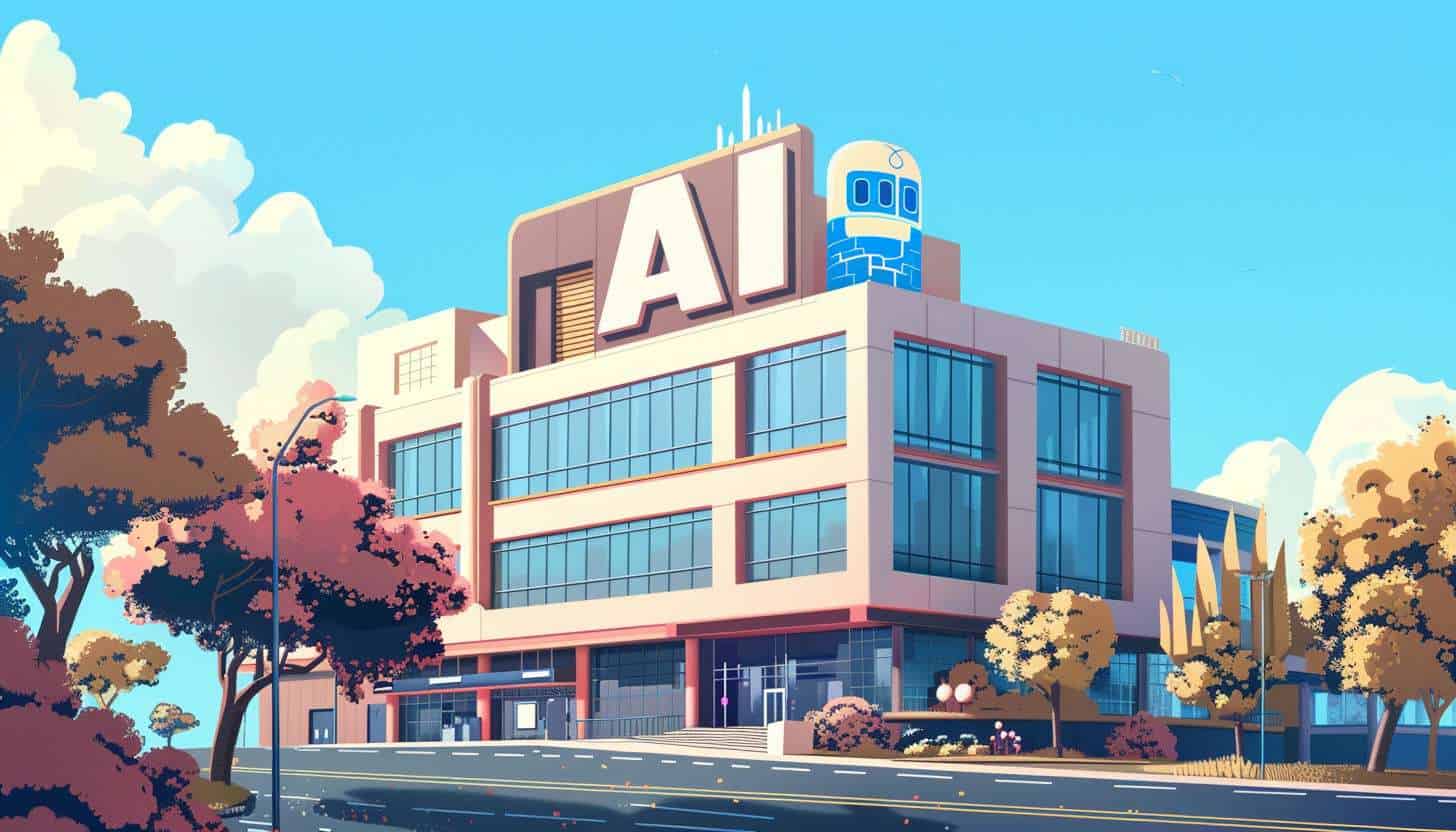

Artificial Intelligence (AI) is no longer a distant future; there's no need to fear AI. It's here, shaping the job market in ways we couldn't predict. From healthcare to finance, AI is transforming industries, creating new roles, and demanding fresh skill sets.
Top universities play a crucial role in developing this new workforce. They design programs that equip students with the knowledge and tools to lead in AI-driven environments. These academic institutions are not just teaching theories; they are molding future leaders who will navigate the complexities of AI.
This article dives into leading university programs that excel in training AI professionals. We explore what makes these programs unique and how they prepare students for high-impact careers. Whether you're an aspiring tech professional or an educator, this guide is for you. Let's see which schools are setting the bar high in AI education.
Top Universities Leading the AI Charge
Many universities are now recognized globally for their stellar AI programs. Institutions like Stanford University and MIT stand at the forefront. These universities offer comprehensive courses that cover everything from machine learning to natural language processing. Their faculty comprises leading researchers, many of whom have contributed significantly to developing AI technologies.
Some universities take an interdisciplinary approach. Carnegie Mellon University, for example, blends AI with robotics, computer science, and even psychology. This allows students to understand how AI interacts with other fields, creating well-rounded professionals ready to tackle complex problems.
Certain universities also focus on specific subfields within AI. The University of Toronto is a prime example; it’s highly regarded for its contributions to deep learning. By concentrating on this niche area, they produce experts who push the boundaries of what AI can achieve probably create out of this world AI image generators or next-level AI writing tools.
These examples show how different approaches can cultivate and skyrocket the careers of a new generation of AI leaders. Whether through comprehensive coverage or specialized instruction, these top-tier institutions equip students with the knowledge and skills needed to excel in the growing field of artificial intelligence.
Innovative AI Programs
Universities are adopting unique course structures to teach AI, blending traditional lectures with hands-on learning. Some institutions offer project-based courses where students solve real-world problems. This approach helps students apply theoretical knowledge and develop practical skills. Flipped classrooms, where students watch video lectures at home and do assignments in class, are also gaining popularity.
Industry collaborations play a crucial role in enhancing these programs. Schools like MIT and Stanford partner with leading tech companies to allow students to work on cutting-edge projects. These partnerships provide valuable experience and often lead to job opportunities post-graduation. Real-world projects not only benefit the students but also advance the field of AI through innovative solutions.
Ethical considerations form a significant part of modern AI curricula. Courses now include modules on ethics, bias, and privacy concerns. Students learn about the potential societal impacts of their work and how to mitigate negative consequences. By doing so, universities aim to produce responsible AI leaders who can navigate complex ethical dilemmas in the tech industry.
Impact on Aspiring Professionals
AI programs at top universities equip students with a diverse skill set. They learn about machine learning, neural networks, and data analytics. Many courses also focus on coding in languages like Python and R, essential for AI development. By the time they graduate, students gain both theoretical knowledge and hands-on experience through labs and projects.
The career opportunities for AI graduates are vast. Tech, finance, healthcare, and retail companies seek skilled professionals to innovate their processes. Graduates can pursue roles such as Data Scientists, Machine Learning Engineers, or AI Researchers. Additionally, startups often look for AI experts to help them push boundaries in new technology applications.
AI's potential to revolutionize industries is immense. In healthcare, for instance, AI can lead to breakthrough diagnostic tools that save lives. Retail uses AI for personalized shopping experiences and inventory management. Even manufacturing sees the impact of smart automation systems that enhance efficiency. The versatility of AI means that professionals trained in these university programs can drive significant change across multiple sectors.
These developments not only create exciting job prospects but also bring about meaningful advancements for society. As universities continue to refine their AI programs with emerging trends and ethical considerations, they set students up for successful careers and to be leaders in innovation and positive societal impact.
The Future of AI Education
Top universities are crucial in preparing the next generation of AI leaders. These institutions offer comprehensive programs that encompass both technical skills and ethical considerations. Students benefit from interdisciplinary courses and real-world projects, helping them grasp what it takes to succeed in AI.
AI's transformative power cannot be overstated. Mastering AI opens doors to numerous career opportunities for future tech professionals across various industries. As universities continue to innovate their AI curriculums, we can expect even more robust training programs that equip students with cutting-edge knowledge and skills. The rise of AI education marks not just an academic evolution but a profound shift toward a smarter, technologically-driven world.
Related Articles

Industrial AI: Applications, Benefits, and Real-World Challenges Explained
Imagine a production line that pauses for maintenance before a motor fails—not after sparks fly and orders pile up. That is industrial AI in action: using ma…
Read more
AI for Engineers: 9 Practical Ways to Improve Daily Workflows
AI for engineers is less about handing over the controls and more about removing friction from the workday. Used well, AI can summarize technical discussions…
Read more
AI Architecture Diagram: Key Components and How to Read Them
A business owner opens an AI architecture diagram and sees boxes labeled “model,” “API,” “database,” and “workflow.” It looks a little like a subway map desi…
Read more